
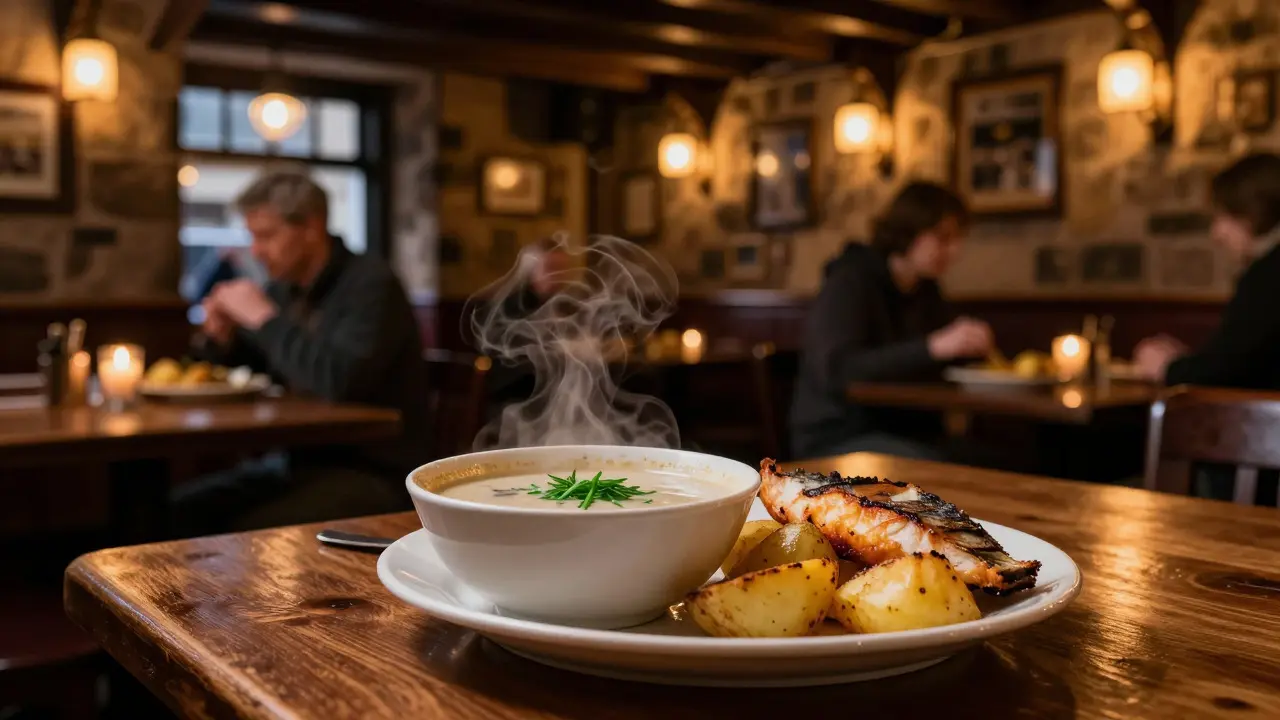
Imagine walking into a cozy pub in Edinburgh, the smell of fresh-baked bread filling the air. For most people, that’s just dinner. For those with Celiac Disease is an autoimmune disorder where eating gluten triggers an immune response that damages the small intestine. Also known as Celiac Sprue, it affects roughly 1% of the population globally. or non-celiac gluten sensitivity, it’s a potential minefield. But here’s the good news: Scotland has quietly become one of the best places in Europe for gluten-free travelers. From hearty stews to delicate desserts, you don’t have to sacrifice flavor or comfort. You just need to know where to look and how to ask.
Why Scotland Works for Gluten-Free Travelers
It’s not just about the food; it’s about the culture. Scottish hospitality is famous for being warm but practical. If you tell your server you’re gluten-free, they usually take it seriously. Unlike some tourist-heavy cities where staff might shrug, many establishments in Glasgow, Edinburgh, and Dundee have specific protocols. The rise of Gluten-Free Food is food products made without wheat, barley, rye, or their crossbreeds, often using rice flour, cornstarch, or almond flour instead. over the last decade has pushed even traditional pubs to adapt. Many now stock dedicated GF beers, which are essential because standard Scottish ales are packed with malted barley.
The geography also helps. Being an island nation, Scotland relies heavily on seafood and potatoes. Both are naturally gluten-free. This means your base ingredients are often safe before any modification happens. You aren’t fighting against a cuisine built on pasta or bread; you’re working with a cuisine built on fish, lamb, and root vegetables. That makes finding safe meals significantly easier than in, say, Italy or France.
Navigating Menus: What to Look For
When you sit down, don’t just point at the picture. Read the descriptions carefully. Here are the red flags and green lights to watch for:
- Safe Bets: Grilled meats (beef, pork, chicken), roasted potatoes, steamed vegetables, and most soups (check for thickeners). Seafood like salmon, cod, and haddock are staples and usually served simply.
- Risky Items: Anything labeled "breaded," "crispy," or "coated." These almost always use wheat flour. Watch out for gravies, which are often thickened with flour. Ask if they use cornflour instead.
- Desserts: Scones are tricky. Traditional ones contain wheat. However, many bakeries now offer GF versions. Cakes are safer bets, especially chocolate ones, but always check for hidden wheat in frosting or fillings.
A pro tip: ask for the kitchen manager if the server seems unsure. They often know exactly which dishes can be modified. In Scotland, chefs are generally happy to swap out a breadcrumb coating for a simple herb rub. It costs them little effort and saves your day.
Top Cities and Restaurant Recommendations
Where should you go? Each major city has its own vibe and standout spots. Let’s break it down by location so you can plan your route.
Edinburgh: The Capital’s Hidden Gems
Edinburgh is busy, but it’s also well-equipped. The Old Town is packed with options, but you’ll want to avoid the most touristy traps near Princes Street. Instead, head to the Grassmarket area or the New Town for better quality and more attentive service.
| Restaurant Name | Type of Cuisine | GF Specificity | Price Range |
|---|---|---|---|
| The Witchery by the Castle | Modern British | Extensive dedicated GF menu | $$$ |
| Better Together | Scottish Contemporary | Many adaptable dishes, high awareness | $$ |
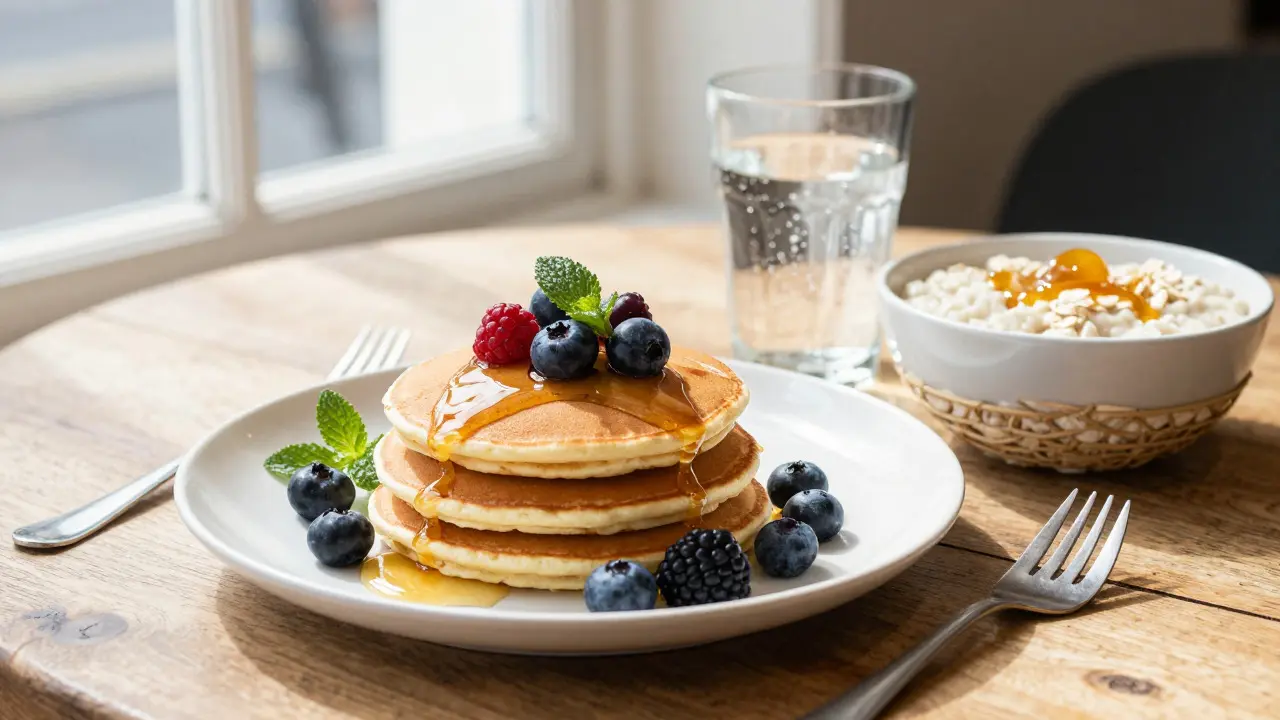
| Milk & Honey | Brunch/Cafe | GF porridge, pancakes, and cakes available | $ |
The Witchery by the Castle is a popular restaurant in Edinburgh known for its modern Scottish cuisine and views of Edinburgh Castle. is a reliable choice. Their menu clearly marks GF options, and the staff is trained to handle cross-contamination concerns. It’s pricier, but you won’t feel anxious there. For something more casual, Better Together is a contemporary Scottish restaurant located in the Vennel, offering seasonal local produce. offers a great middle ground. They use local ingredients, which often means fresher, simpler preparations that are naturally lower in additives.
Glasgow: Industrial Cool and Great Food
Glasgow has a rougher edge, but its food scene is booming. The city center has plenty of independent cafes and bars that cater to dietary needs. One standout is the West End, where you’ll find a mix of old-school pubs and new-age eateries.
Look for places that serve Haggis is a savory dish originating from Scotland consisting of sheep's pluck (heart, liver, and lungs) minced with onion, oatmeal, suet, spices, and salt.. Wait, hold on. Is Haggis gluten-free? Traditionally, no. It contains oatmeal. While oats are often considered safe for many with celiac disease after testing, traditional Scottish Haggis uses untreated oats. So, unless the restaurant specifically states they use certified GF oats, skip it. Stick to the neeps and tatties (turnips and potatoes), which are safe, and pair them with a grilled steak. Most steakhouses in Glasgow will happily grill your meat without breading and serve it with plain potatoes.
Dundee: The Underrated Option
If you’re staying in Dundee, you’re in luck. It’s a smaller city, which means less pressure on restaurants to mass-produce food. Local diners and cafes tend to be more flexible. Try a traditional Cullen Skink is a thick Scottish soup made from smoked haddock, potato, and onion.. This is a classic Scottish soup made with smoked haddock, potatoes, and onions. It’s naturally creamy without needing heavy cream or flour thickeners. Just confirm they didn’t add breadcrumbs on top, which some places do for texture. If they did, ask for it without. It’s still delicious on its own.
Breakfast and Brunch Strategies
Breakfast is where many travelers stumble. The full Scottish breakfast includes bacon, eggs, sausages, black pudding, and toast. Bacon and eggs are safe. Sausages vary-some are pure pork, others have fillers. Black pudding is risky due to blood and starch binders. Toast is obviously out.
Instead, order a "full fry-up" minus the toast and black pudding. Add baked beans (check the label, most are safe) and hash browns. Hash browns are usually fried in oil, but ensure they aren’t dusted with flour first. A safer alternative is porridge. Oat porridge is a staple in Scotland. Again, ask if the oats are certified gluten-free. If not, opt for semolina porridge, which is wheat-based but sometimes confused. No, wait, semolina is wheat. Go for cornflakes or rice cakes. Many hotels now stock GF cereals. Always keep a pack of rice cakes in your bag for emergencies.
Drinks: Beer, Whisky, and Soft Options
You don’t have to give up drinks. Whisky is naturally gluten-free because it’s distilled. The alcohol distillation process removes proteins, including gluten. So, enjoy a single malt without worry. For beer, look for brands explicitly labeled "Gluten-Free" or "Low Residue." Standard lagers and ales are out. In Scotland, you’ll find several local breweries producing GF options. Check the back of the bottle or ask the bar staff. They usually know which taps carry GF lines.
Soft drinks are mostly safe, but watch out for flavored sodas that might use wheat dextrin as a stabilizer. Water, juice, and milk are always safe. Coffee is safe too, just avoid flavored syrups unless confirmed GF.

Practical Tips for Eating Out Safely
Even with the best intentions, mistakes happen. Here’s how to minimize risk:
- Carry Medication: Keep antihistamines or your prescribed emergency meds with you. Cross-contamination can still trigger symptoms even with careful planning.
- Learn Key Phrases: While English is universal in Scotland, knowing a few Gaelic phrases can earn you extra goodwill. "Tha mi a' seachnadh glùtan" (I am avoiding gluten) goes a long way.
- Check Packaging: If you buy snacks from a shop, read the labels. Look for the crossed-out wheat symbol or the words "Contains: Wheat."
- Be Flexible: If a dish looks suspicious, switch to a simple protein and veg. It’s better to eat plain than to get sick for three days.
Don’t stress too much. Most people manage fine with basic communication. The key is consistency. Once you find a pattern of safe foods in a region, stick to it until you move to a new area.
Frequently Asked Questions
Is oatmeal safe for celiac patients in Scotland?
Oats are naturally gluten-free, but they are often contaminated during processing. In Scotland, traditional Haggis and porridge may use non-certified oats. Always ask if the oats are certified gluten-free. If unsure, choose rice or corn-based alternatives.
Are Scottish whiskies gluten-free?
Yes. All distilled spirits, including Scotch whisky, are considered gluten-free because the distillation process separates the alcohol from the gluten proteins. You can safely consume any type of Scotch, whether it’s a blend or a single malt.
What is the safest main course in a traditional Scottish pub?
A grilled steak or fish fillet with roasted potatoes and steamed vegetables is the safest bet. Avoid anything breaded, battered, or served with a thick gravy. Ask for the gravy on the side or request a cornflour-thickened version.
Do I need to show a doctor’s note when ordering gluten-free meals?
No, you don’t need a doctor’s note. Simply telling the server you have celiac disease or severe gluten intolerance is usually enough. Staff in Scotland are generally knowledgeable about dietary restrictions and will take it seriously without requiring proof.
Where can I find gluten-free groceries in Scottish cities?
Major supermarkets like Tesco, Sainsbury’s, and Morrisons have dedicated gluten-free aisles. Smaller independent health food stores in city centers also stock specialized products. Look for the GF symbol on packaging to ensure safety.