
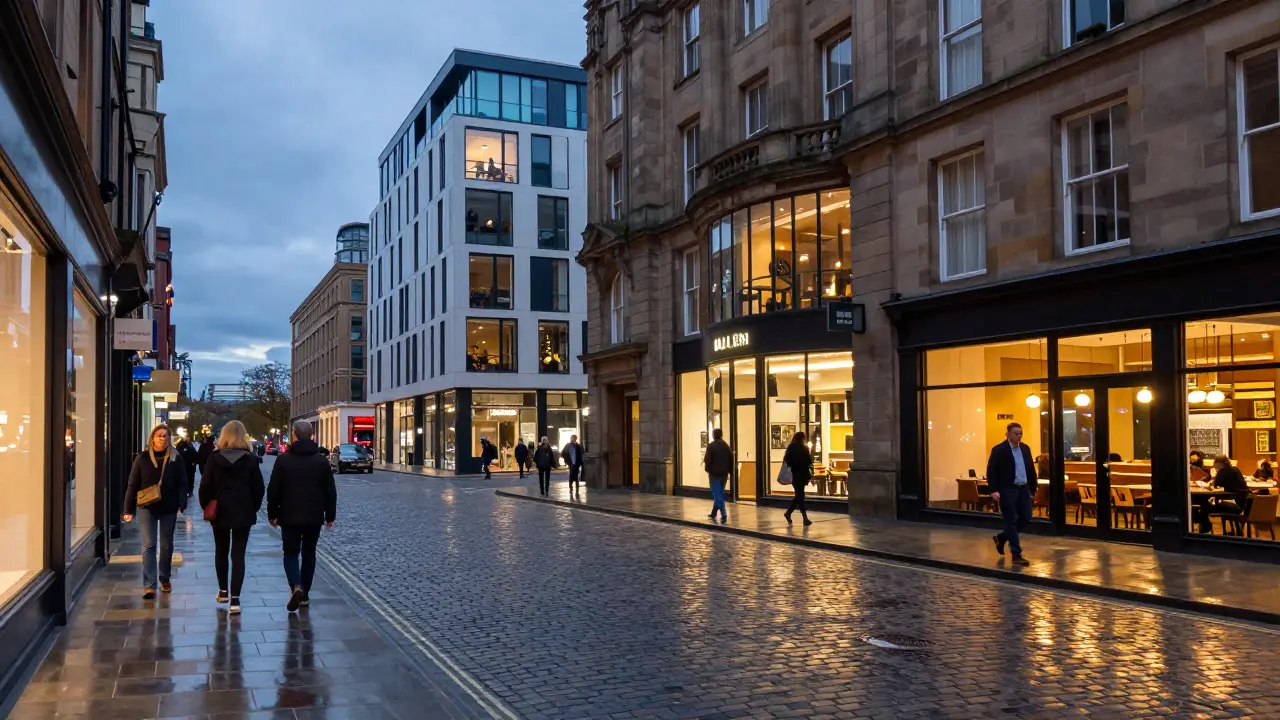
Walking down Sauchiehall Street in the city center feels like stepping into a movie set that forgot to turn off the lights. But five minutes west, the vibe shifts entirely. You trade neon signs for ivy-covered tenements and indie bookshops. This is the magic of Glasgow, a Scottish city known for its friendly people, vibrant culture, and distinct neighborhoods. It’s not just one place; it’s a collection of personalities packed tightly together.
If you are planning a trip or thinking about moving, picking the right area matters. The West End isn't the same as the Southside, and neither feels anything like Merchant City. Each district has its own rhythm, price point, and crowd. Let’s break down these three major areas so you can decide where your feet should land first.
The Vibe Check: What Makes Each Area Unique?
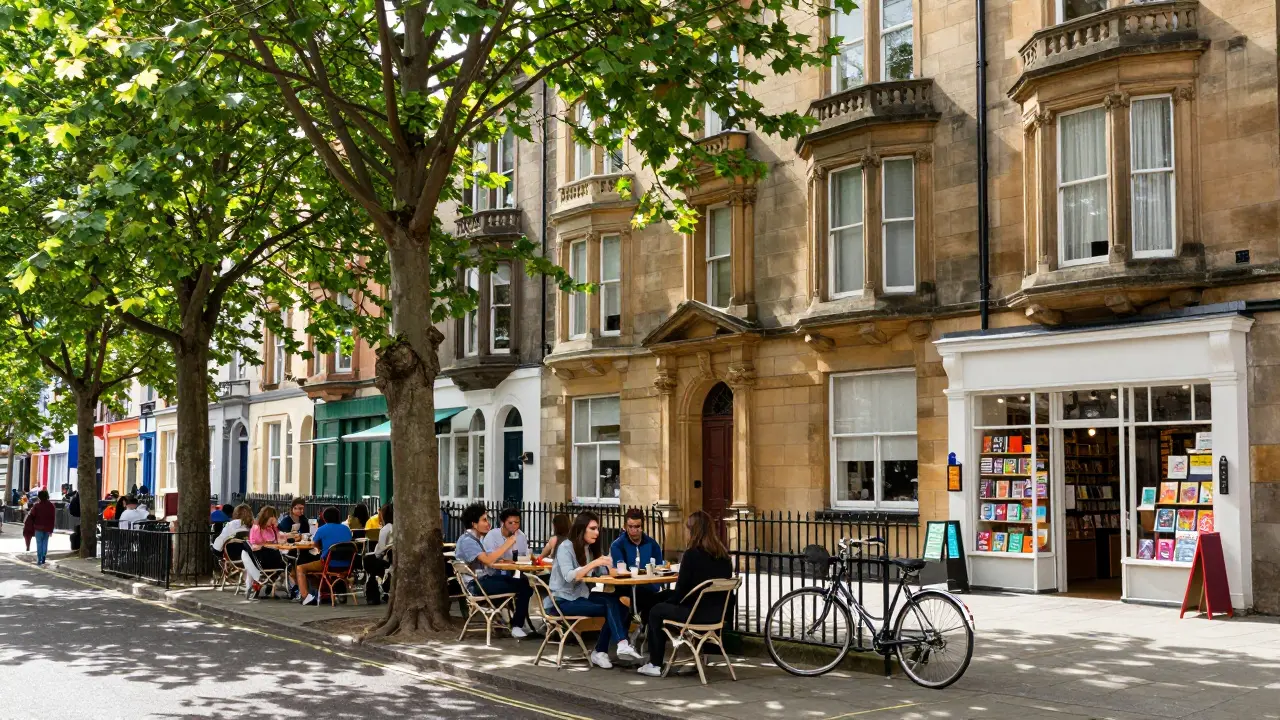
Start with the atmosphere. People don’t just live in these places; they perform them. In the West End, a historic district in Glasgow known for its leafy streets, universities, and bohemian culture. the air smells like coffee beans and old paper. It’s intellectual, relaxed, and deeply rooted in history. Think students debating philosophy outside cafes and families pushing prams past Victorian architecture.
Now look at Merchant City, a regenerated urban quarter in central Glasgow featuring luxury apartments, art galleries, and nightlife venues. Here, the energy is sharper. Glass towers reflect onto cobblestones. It’s polished, modern, and slightly more expensive. This is where finance workers grab drinks after work and tourists visit the Tron Theatre. It feels curated, almost designed for Instagram, but it has real substance beneath the gloss.
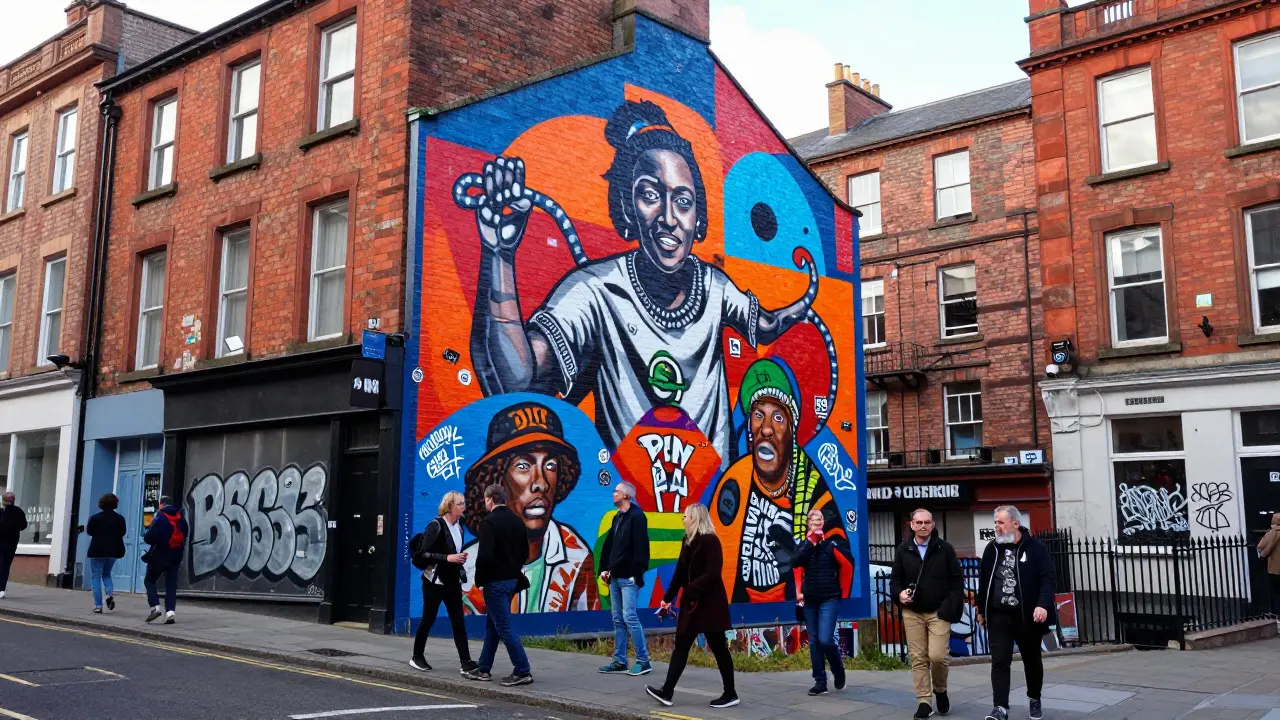
Then there is the Southside, a diverse region south of the River Clyde encompassing areas like Govanhill, Partick, and Pollokshaws. This isn’t one single neighborhood but a broad sweep of communities. Places like Govanhill burst with color from street art murals. Partick offers a village feel with great pubs. The Southside feels rawer, more authentic, and often cheaper. It’s less about looking good and more about living well.
Where Should You Stay? Accommodation Styles Compared
Your budget dictates your base, but your personality should dictate your choice. If you want luxury without leaving the city center, Merchant City wins. Hotels here range from boutique stays in converted warehouses to high-end chains near Buchanan Street. Prices tend to be higher because you’re walking distance to shopping and transport hubs.
In the West End, accommodation leans toward character. You’ll find B&Bs in large Victorian houses and guesthouses run by locals who know every shortcut to the university campus. Staying here means waking up to birdsong instead of traffic noise. It’s quieter, greener, and perfect if you plan to spend days exploring parks like Kelvingrove Park.
The Southside offers value. Hostels in areas like Maryhill (technically West, but often grouped culturally) or budget hotels in Cathcart give you more space for less money. If you prefer hostels with social atmospheres, look near Govanhill. These spots cater to backpackers and digital nomads who want community over comfort.
| Feature | Merchant City | West End | Southside |
|---|---|---|---|
| Average Hotel Price (per night) | £120 - £250+ | £80 - £160 | £50 - £120 |
| Best For | Nightlife & Shopping | Culture & Relaxation | Budget & Authenticity |
| Vibe | Modern & Chic | Bohemian & Academic | Diverse & Gritty |
| Transport Link | Excellent (Subway/Central) | Good (Bus/Subway) | Moderate (Bus/Train) |
Eating Out: From Fine Dining to Hidden Gems
Food tells you everything about a place. In Merchant City, dining is an event. Restaurants here often have Michelin stars or at least fancy tasting menus. You’ll find upscale Italian, innovative Scottish cuisine, and cocktail bars that charge a premium for ambiance. It’s great for special occasions but might feel stiff for a casual Tuesday dinner.
Head to the West End on Byres Road or Great Western Road, and the scene changes completely. Cafes serve flat whites alongside sourdough toast. Pubs offer hearty stews and local ales. There’s a mix of international flavors-Thai, Indian, Middle Eastern-all competing for attention. It’s food for people who want flavor without pretension.
The Southside is where you go for authenticity. In Govanhill, ethnic eateries reflect the diverse population. You can get incredible Ethiopian injera or spicy Pakistani curries for prices that make sense. Food markets pop up regularly, offering fresh produce directly from farmers. It’s less about presentation and more about taste and tradition.
Getting Around: Transport Links Explained
Glasgow’s public transport is decent, but convenience varies by zone. Merchant City sits right next to Queen Street Station and Buchanan Bus Station. You can catch trains to Edinburgh in 50 minutes or buses to anywhere in Scotland. The subway line runs nearby, making island-hopping between districts easy.
The West End relies heavily on buses. Routes 3, 6, 7, and 42 connect Hillhead and Byres Road to the city center frequently. The subway station at Partick links to the North Clyde Line, useful for trips to Lanarkshire. Walking is pleasant here due to wide pavements and fewer cars.
In the Southside, transport depends on your specific location. Areas like Partick have excellent rail links via the North Clyde Line. However, further out in Pollokshaws or Cathcart, you might need to rely on bus services which can be slower during peak hours. Always check Timetable.com before heading out late at night.
Safety and Nightlife: What to Expect After Dark
Safety concerns vary across Glasgow. Generally, the city is safe, but awareness helps. Merchant City stays lively until late. Bars and clubs keep streets populated, reducing risks associated with empty sidewalks. Police presence is visible around Sauchiehall Street extensions.
The West End quiets down earlier. Pubs close around midnight, and residential streets become peaceful. It’s ideal if you dislike noise pollution. Crime rates are low, mostly petty theft targeting tourists near tourist traps.
The Southside requires common sense. Some parts of Govanhill or Shettleston may feel rougher at night due to economic disparities. Stick to well-lit main roads. Local pubs in villages like Newton Mearns remain welcoming and safe havens for evening drinks.
Who Wins? Matching Your Style to Your Spot
So, which one fits you? Choose Merchant City if you love convenience, luxury, and being in the heart of action. Pick the West End if you crave green spaces, academic charm, and a slower pace. Opt for the Southside if you seek affordability, cultural diversity, and genuine local experiences.
Glasgow rewards exploration. Don’t confine yourself to one bubble. Use each area as a base for discovering others. Take a tram from the West End to the East End. Walk along the River Clyde from Merchant City to Finnieston. The best way to understand this city is to move through its layers.
Is Merchant City safe at night?
Yes, Merchant City is generally safe at night due to heavy foot traffic from bars and restaurants. However, standard precautions apply: stay aware of your surroundings and avoid poorly lit side alleys.
Which area is best for students?
The West End is ideal for students, particularly those attending the University of Glasgow or Strathclyde. It offers affordable housing options, libraries, and a vibrant social scene tailored to young adults.
Can I walk from West End to Merchant City?
It’s possible but takes about 45-60 minutes depending on your starting point. Most people take a bus (like route 3 or 6) or the subway for a quicker 15-20 minute journey.
What is the cheapest area to stay in Glasgow?
The Southside, particularly areas like Govanhill or Maryhill, tends to offer the most budget-friendly accommodation options, including hostels and smaller guesthouses.
Are there good parks in Merchant City?
Merchant City itself is dense with buildings, but it borders George Square and is close to Ingram Street Gardens. For larger green spaces, head towards the West End’s Kelvingrove Park.