
Glasgow has changed more than most people realize. If you remember the city from a decade ago, you might expect greasy spoons and heavy pub grub. That reputation is gone. As of early 2026, the culinary landscape here rivals London and Edinburgh. You will find Michelin-starred plates sitting just blocks away from rustic farm cafes. This shift isn't accidental. It is the result of local chefs prioritizing Scottish ingredients and a community that demands quality. Whether you are here for a weekend break or a week-long stay, your stomach will be the first thing you notice about the transformation.
Understanding the Glasgow Food Scene is a diverse culinary ecosystem featuring everything from high-end gastronomy to traditional comfort food requires knowing where to look. You cannot just wander into any restaurant and expect a hit. The city is divided into distinct zones, each with its own flavor profile. The West End leans towards relaxed, intellectual dining. Merchant City offers polished, business-friendly options. The City Centre is a mix of fast-paced energy and historic pubs. Knowing these zones helps you plan your meals without wasting time.
Local Specialties You Must Try
Visiting Glasgow without tasting its roots is like visiting Paris without eating bread. There are specific dishes that define the region. You might think you know Scottish food from cartoons, but the reality is far more nuanced. Haggis is a savory pudding containing sheep's pluck, minced with onion, oatmeal, suet, spices, and stock, traditionally encased in the animal's stomach. In 2026, you will rarely find it in a stomach casing in restaurants, but the taste remains authentic. Look for versions served with neeps and tatties (turnips and potatoes) at traditional pubs.
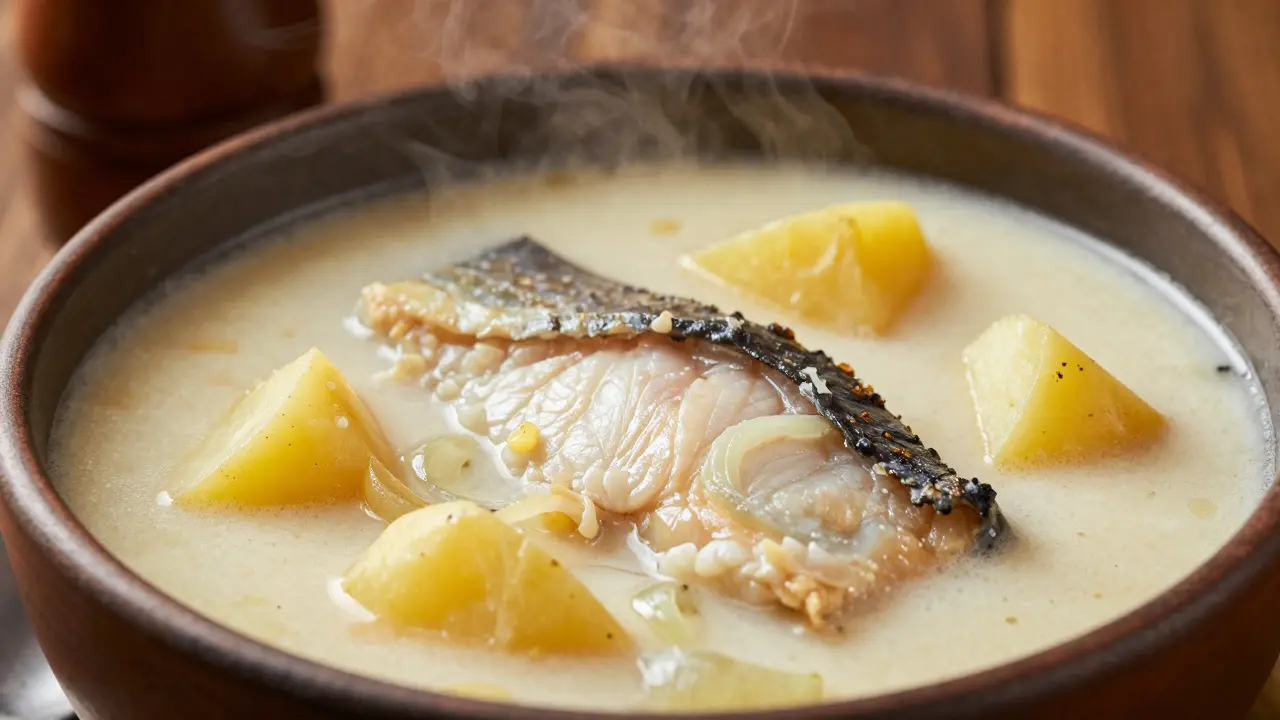
Another essential is Cullen Skink is a thick Scottish soup made from smoked haddock, potatoes, and onions. It is warming and perfect for the damp Glasgow weather. You can find this in almost any cafe, but the best versions use locally sourced smoked fish from the west coast. Do not skip the seafood. The proximity to the Atlantic means fresh mussels, prawns, and scallops are affordable and plentiful. Many restaurants now serve whole fish that has been caught within 24 hours of landing.
Shortbread is the obvious sweet treat, but you should look for artisanal versions. Bakeries in the West End often infuse it with sea salt or honey. It pairs perfectly with a cup of tea. If you are adventurous, try Cranachan is a traditional Scottish dessert made with whipped cream, whisky, honey, raspberries, and toasted oats. It is light, fruity, and showcases the quality of Scottish dairy. These dishes are not just food; they are cultural markers. Eating them connects you to the history of the place.
Farm Cafes and Rustic Dining
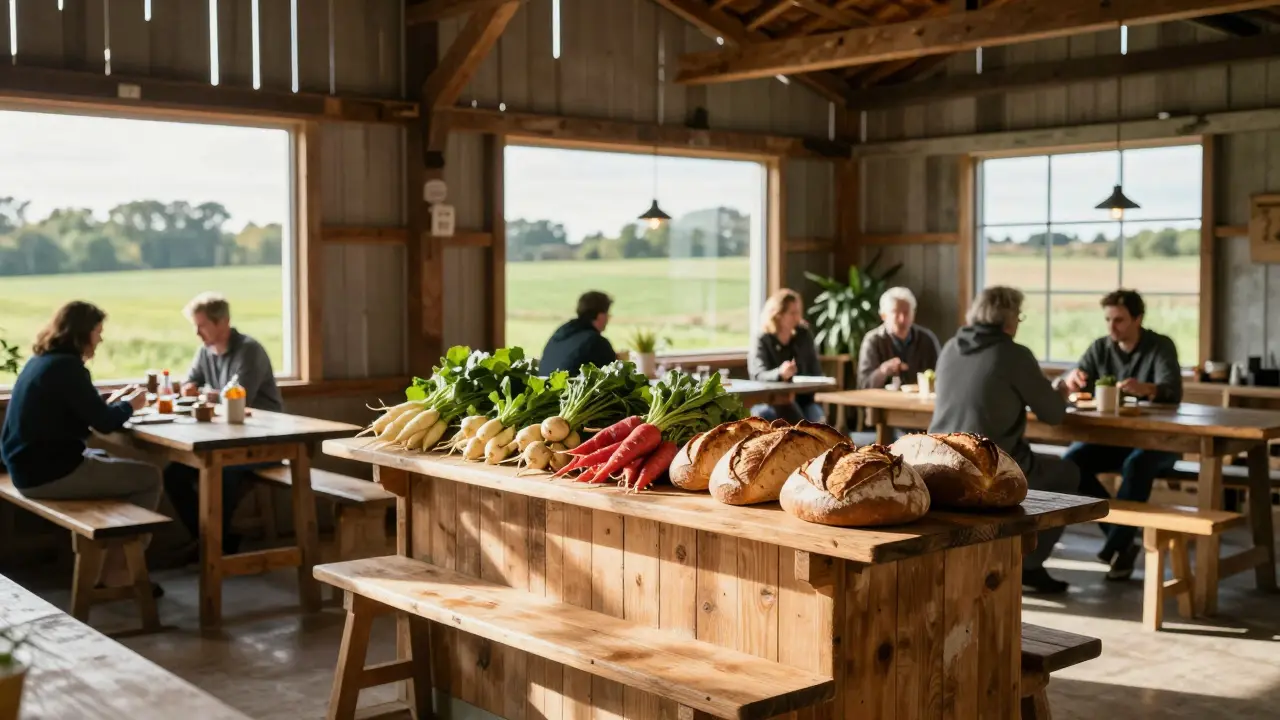
For a slower pace, head to the farm cafes. These spots are popping up on the outskirts of the city. They offer a direct link to the land. The concept is simple: ingredients are grown or raised nearby, then cooked on-site. This reduces food miles and ensures freshness. In 2026, sustainability is a major selling point. You will see menus that change daily based on what the farmer brought in that morning.
Many of these cafes are located in converted barns or old farmhouses. The atmosphere is informal. You might sit on a bench or a wooden stool. The food is hearty. Think roast chicken with root vegetables, fresh bread baked in the oven next to you, and homemade jams. It is the opposite of the polished fine dining experience. It is about comfort. Families love these spots because they are relaxed and often have outdoor space for children.
Booking is often required, especially on weekends. The demand for authentic, local produce has outstripped supply in some areas. You should call ahead or reserve online. Some places operate on a seasonal basis, closing in winter. Check their social media before driving out. The drive itself is part of the experience. The roads leading out of Glasgow open up into green fields and rolling hills. It feels like a holiday within a holiday.
Fine Dining Experiences
When you want to celebrate, Glasgow has you covered. The city boasts several Michelin Guide is a family of guidebooks published annually by the French tyre company Michelin, which awards stars to restaurants based on quality starred restaurants. These venues offer a high level of service and technical skill. The menus are often tasting menus, meaning you cannot choose individual dishes. You are on a journey curated by the chef.
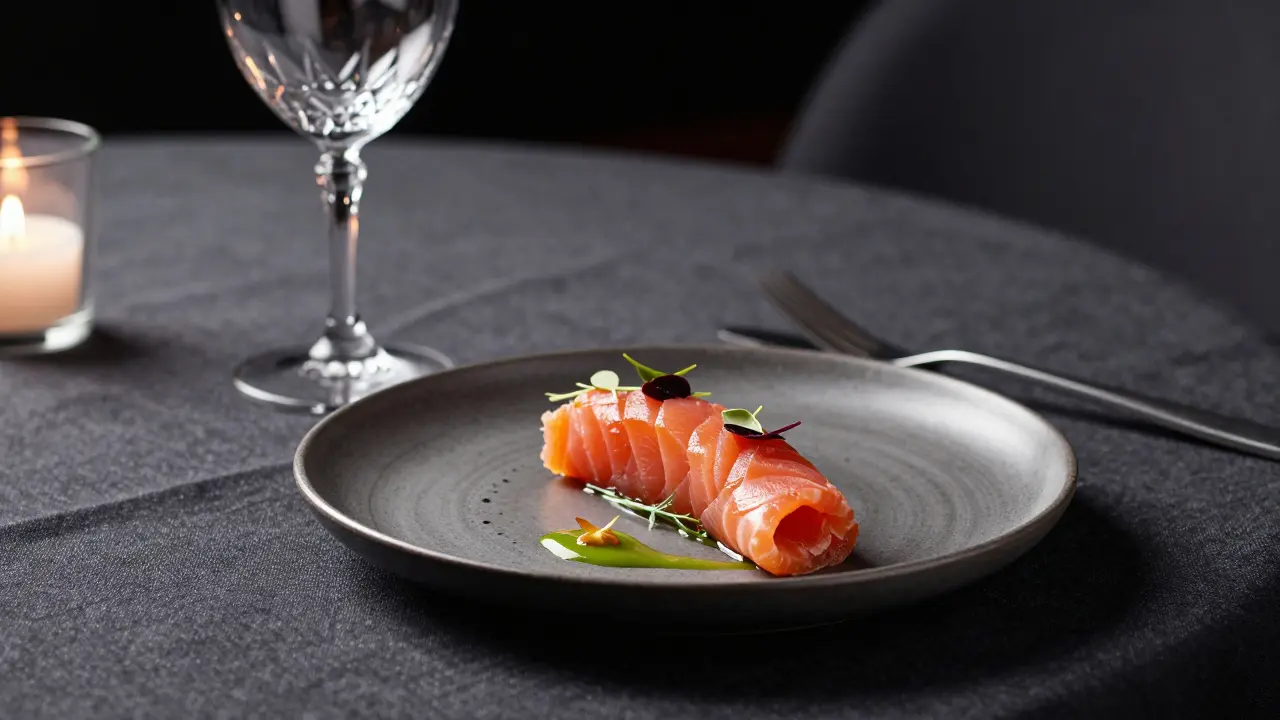
Prices are higher here. Expect to pay significantly more than at a pub or cafe. However, the value lies in the ingredients and the presentation. Chefs are experimenting with modern techniques while respecting tradition. You might see a deconstructed haggis or a smoked salmon dish that looks like art. The wine lists are extensive, often featuring local Scottish wines which are gaining popularity.
Reservations are crucial. Popular spots book out weeks in advance. Do not walk in hoping for a table. Check the restaurant's website for their booking policy. Some require a deposit. Dress codes vary. Some places are smart casual, while others require a jacket. It is better to be slightly overdressed than underdressed. The staff are trained to be welcoming, but they maintain a standard of professionalism. This is a place to unwind and enjoy a meal without rushing.
| Dining Type | Average Cost per Person | Atmosphere | Best For |
|---|---|---|---|
| Farm Cafes | £20 - £35 | Relaxed, Rustic | Families, Casual Lunches |
| Traditional Pubs | £15 - £25 | Lively, Historic | Groups, Quick Meals |
| Fine Dining | £60 - £150+ | Elegant, Formal | Special Occasions, Dates |
| Street Food Markets | £10 - £20 | Busy, Vibrant | Snacks, Variety |
Neighborhoods and Dining Zones
Where you eat depends on where you are staying. The West End is a affluent area of Glasgow known for its independent shops, cafes, and proximity to the University is the hub for independent cafes and bistros. It feels village-like. Buchanan Street in the city centre is more commercial, with chain restaurants and larger hotels. Merchant City is the trendy spot. It has a lot of bars and modern restaurants. It is great for dinner and drinks after work.
Each area has a different vibe. The West End is quieter and greener. Merchant City is louder and more energetic. The City Centre is practical and convenient for tourists staying near the train station. If you want to see the locals, go to the West End. If you want to see the party crowd, go to Merchant City. Knowing this helps you avoid awkward mismatches. You do not want a quiet romantic dinner in a loud student bar.
Transport is easy. The subway and buses connect these areas. You can walk from the city centre to Merchant City in ten minutes. The West End is a bit further, maybe a twenty-minute bus ride. Plan your route. Do not rely on walking everywhere if you are tired from a long day of sightseeing. Taxis and ride-sharing apps are available but can be expensive during peak times.
Trends and Practical Tips for 2026
The food scene is evolving. Plant-based options are no longer an afterthought. Many restaurants have full vegan menus that do not feel like compromises. You can get vegan haggis and vegan cheese that tastes real. This is a big shift from five years ago. Sustainability is also key. Many places have eliminated single-use plastics. They compost food waste. This is part of the city's broader environmental goals.
Prices have risen due to inflation, but value remains good. You can still eat well on a budget. Look for lunch specials. Many fine dining places offer cheaper set menus during the day. This is a great way to experience high-quality food without the dinner price tag. Book early. The best tables go fast. If you are visiting during a festival or event, book months in advance. The city gets very busy during the Glasgow International Festival.
Hygiene standards are high. You will see food hygiene ratings displayed in windows. Look for a 5-star rating. It is a quick way to ensure safety. Allergies are taken seriously. Tell the staff about any dietary restrictions. They will check with the kitchen. Do not assume anything is safe without asking. The staff are trained to handle these queries professionally.
Frequently Asked Questions
Is Glasgow expensive for food compared to London?
Generally, no. Glasgow is more affordable. While fine dining prices are similar, casual meals, pubs, and cafes are often cheaper. You get more value for your money in Glasgow.
Do I need to book tables in advance?
Yes, for popular restaurants and fine dining, booking weeks ahead is recommended. For casual pubs and cafes, you might get a walk-in table, but booking is safer on weekends.
What is the best area for vegetarian food?
The West End has a high concentration of vegetarian and vegan-friendly restaurants. Many cafes there offer plant-based options as a standard part of their menu.
Are there food markets in Glasgow?
Yes, the Glasgow Street Food Market and other pop-up markets operate regularly. They offer a variety of cuisines and are great for trying different snacks in one place.
What is the tipping culture in Glasgow?
A service charge of 12.5% is often added to the bill. If not, leaving 10-15% is standard for good service. It is not mandatory but appreciated.
Planning your meals is part of the trip. Do not leave it to chance. The city rewards those who do a little homework. You will find hidden gems that locals love. The food tells the story of the city. It is a mix of old traditions and new ideas. Enjoy the flavors. They are worth the journey.
Comments (13)
-
Morgan ODonnell March 26, 2026
The city has changed a lot over the years. I remember when we only had a few decent places to eat. Now there is so much choice for everyone. The farm cafes sound like a great idea for a weekend. You can relax and get good food at the same time.

-
Kelley Nelson March 26, 2026
One must acknowledge the significant elevation in culinary standards within the metropolitan area. The integration of Michelin standards alongside rustic offerings demonstrates a matured palate among the populace. However, true gastronomy requires an understanding of technique beyond mere ingredient sourcing. The mention of haggis is acceptable provided the execution respects the traditional integrity.

-
Aryan Gupta March 26, 2026
You used the word populace which is often misused in casual discourse. There is a hidden agenda behind pushing specific dining zones to the public. The control over food narratives is a subtle form of manipulation by the elite. We should question why certain areas are highlighted over others. The grammar in the original post also had some structural inconsistencies.

-
Fredda Freyer March 26, 2026
Food is more than just sustenance for the body. It is a reflection of the culture and history of a place. When we eat local ingredients we connect with the land itself. The shift from greasy spoons to fine dining shows progress in society. People value their time and health more than before. Sustainability is not just a trend but a necessity for the future. The farm cafes represent a return to simpler values. We often forget where our food comes from in the city. Seeing the menu change daily based on the harvest is beautiful. It reminds us of the seasons and the natural cycle. Fine dining offers a different kind of experience for celebration. It allows us to pause and appreciate the art of cooking. Both styles have their place in a healthy ecosystem. We should not judge one as better than the other. The diversity is what makes the scene interesting. I hope more people appreciate the effort of the chefs. They work hard to bring these flavors to the table.

-
Alan Crierie March 28, 2026
Great points on the hygiene ratings! 🌟 Always check for the stars before you sit down. It keeps everyone safe and happy. 😊 The tips on booking are very useful too. 📅

-
Nicholas Zeitler March 28, 2026
Yes!!! The hygiene is crucial!!! You cannot ignore the ratings!!! It is a must!!! Everyone should look!!! 🚫🦠

-
Teja kumar Baliga March 28, 2026
The West End always has the best vibe for a quiet meal.

-
k arnold March 29, 2026
Everyone thinks they know about Glasgow food now. It is just marketing for the tourists mostly. The prices are going up for the same old stuff. People will pay for a fancy name on the door.

-
Tiffany Ho March 30, 2026
i think it is still worth trying because the chefs are really passionate about their work and the community supports them so much that it feels good to see the growth happening here

-
Peter Reynolds April 1, 2026
we should all try to find a middle ground between the high end and the casual spots so everyone can enjoy the food scene without feeling left out

-
Fred Edwords April 2, 2026
It is important to note that the service charge is standard. One should verify the bill before paying. The booking policies vary by establishment. Please read the terms carefully.

-
Kenny Stockman April 2, 2026
Just grabbed a bite at a place near the city centre last week. Was solid. The vibes were good and the food hit the spot. No need to overthink it.

-
Morgan ODonnell April 3, 2026
I might head to a farm cafe next time I am in town. Sounds like a nice break from the usual.