
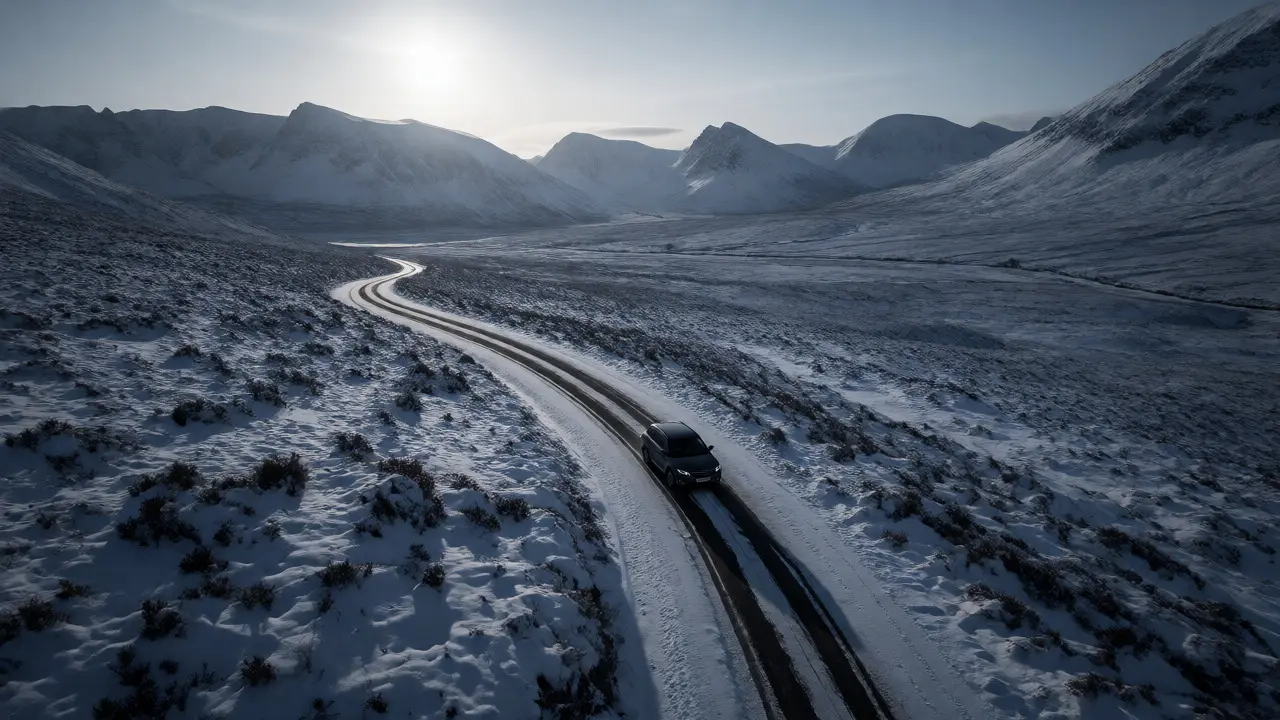
There’s a specific kind of silence that falls over the Cairngorms when the first heavy snow hits. It’s beautiful, sure, but if you’re behind the wheel of a rental car with summer tires, it can turn terrifying fast. I’ve driven these roads for years, from the icy passes near Glencoe to the winding single tracks around Ullapool, and one thing remains constant: winter in the Highlands is not just scenery-it’s a logistical challenge.
If you’re planning a trip between November and March, you need more than just a warm coat. You need a strategy. The days are brutally short, the roads are often unlit, and the weather can shift from drizzle to blizzard in twenty minutes. Here is how to handle the cold without losing your nerve or your car.
The Reality of Short Days and Low Visibility
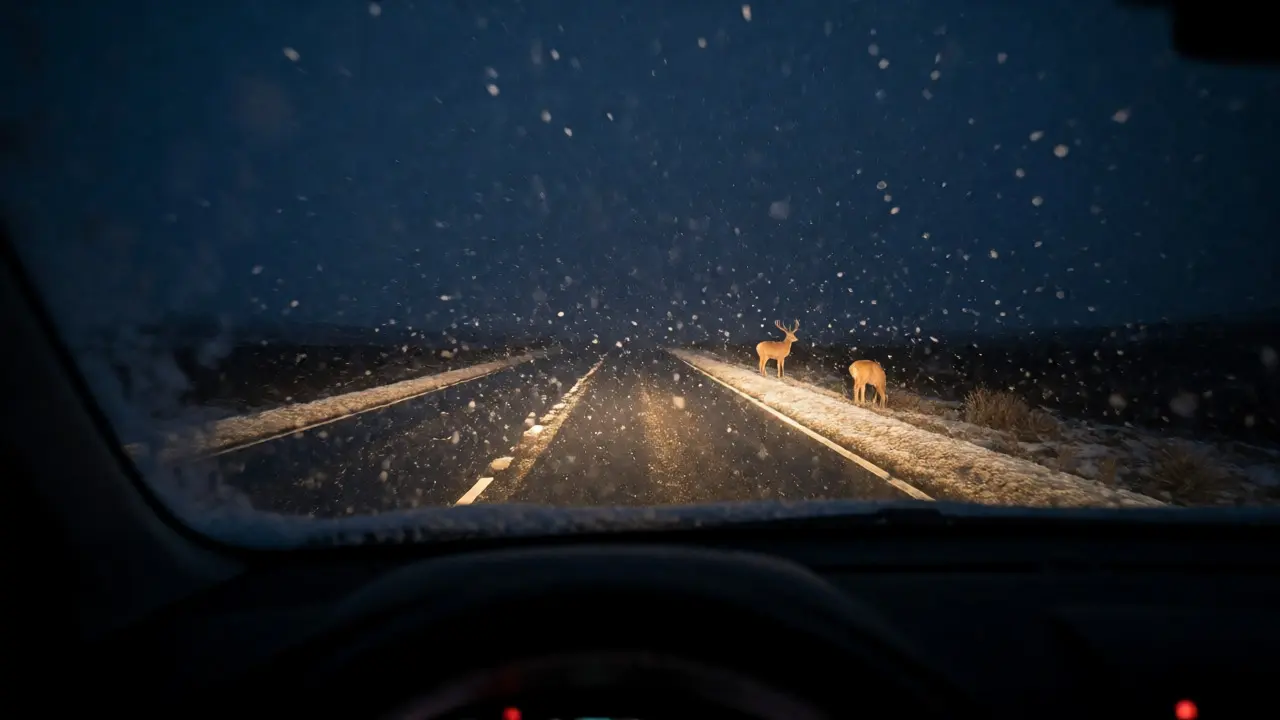
Let’s talk about light. In December, sunrise in Inverness might be around 8:45 AM, and sunset could hit by 3:15 PM. That gives you roughly six and a half hours of usable daylight. For tourists used to eight or ten hours, this feels restrictive. But here’s the trick: don’t try to pack too much into those hours. If you drive after dark on a single-track road, you’re relying entirely on your headlights. And let me tell you, deer do not care about your high beams.
Daylight Saving Time doesn’t help as much as you’d think because the latitude means the sun stays low on the horizon even at noon. This creates long shadows and glare issues, especially on wet tarmac. Plan your major drives for mid-morning. Avoid driving through remote glens like Glen Coe or Rannoch Moor after 2:00 PM in winter. You want to reach your accommodation while there’s still some ambient light so you can spot hazards-like black ice or wandering livestock-that your headlights might miss.
Snow Chains vs. Winter Tires: What Do You Actually Need?
This is the most common question I get from visitors renting cars in Edinburgh or Glasgow and heading north. Do you really need snow chains?
For most standard tourist itineraries-say, driving from Edinburgh to Loch Ness via the A9-you rarely need them. The main trunk roads are gritted and plowed aggressively. However, if you plan to venture onto smaller B-roads, take the NC500 (North Coast 500) in deep winter, or visit areas like Torridon or Assynt, chains become essential insurance.
Most rental agencies in Scotland now offer winter tire packages. These are all-season tires with better rubber compounds that stay flexible below 7°C. They are significantly safer than summer tires. But tires have limits. When you hit packed snow or steep inclines covered in fresh powder, rubber isn’t enough. That’s where chains come in.
| Equipment | Best For | Effort Level | Cost Implication |
|---|---|---|---|
| Summer Tires | Main cities, dry mild days | None | Cheap, but risky in snow |
| Winter Tires | General Highland touring | None (installed) | Moderate daily rental fee |
| Snow Chains | Steep hills, deep snow, remote roads | High (manual installation) | Rental add-on or buy (~£30-£50) |
| 4WD/AWD Vehicle | Slippery surfaces, traction | Low | Higher fuel cost & rental price |
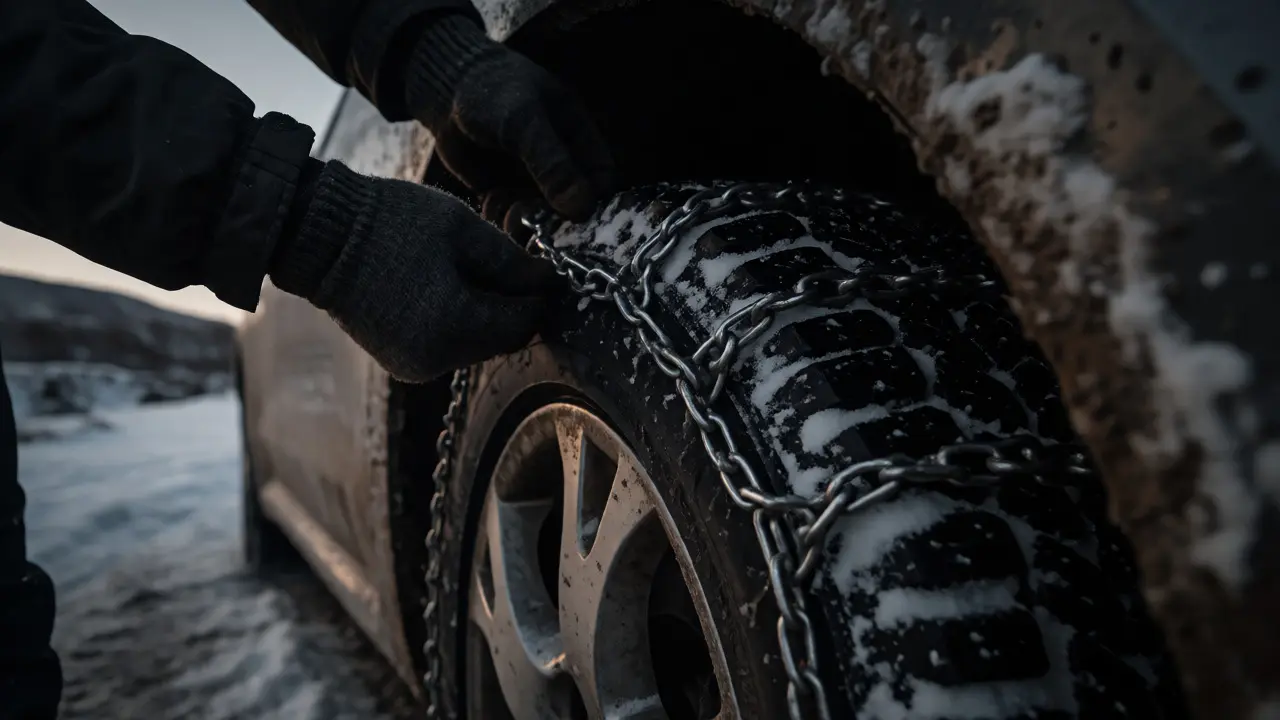
If you rent chains, practice putting them on in a hotel car park before you actually need them. Doing it for the first time in freezing rain, on a narrow shoulder, with traffic passing, is a recipe for panic. Spend ten minutes learning the mechanism. Also, remember that chains are only legal when the road surface is covered in snow or ice. Using them on bare tarmac damages both your tires and the road.
Mastering Single-Track Roads in Winter
The single-track road is the backbone of Highland infrastructure. It’s a road wide enough for one vehicle, with regular "passing places" (widened spots) every few hundred meters. In summer, this is a polite dance. In winter, it becomes a hazard course.
Why? Because passing places often fill with snow and ice, making them slippery. If you pull into a passing place to let someone pass, you might slide off the compacted snow into a ditch. Or worse, you might find the passing place blocked by a parked camper van that didn’t realize they were blocking the flow.
Here’s my rule of thumb: slow down to 20 mph on any ungritted single track. Keep your eyes on the road surface, not just the view. Look for patches of black ice under bridges and in shaded sections. These areas freeze first and thaw last. If you see a vehicle approaching, communicate early. Use your horn lightly or flash your lights to signal who goes first. Don’t assume they’ll stop. Be ready to reverse to the nearest clear passing place if necessary. Reversing uphill on ice is hard; reversing downhill is easier. Plan your stops accordingly.
Vehicle Preparation and Emergency Kit
You cannot rely on mobile signal in many parts of the Highlands. There are dead zones everywhere, particularly in glens surrounded by high peaks. If you break down or get stuck, you might be alone for an hour or more. Your car needs to be self-sufficient.
- Fuel: Never drop below half a tank. Fuel stations in remote areas like Durness or Applecross can close unexpectedly or run out during storms. The distance between pumps can exceed 60 miles.
- Warmth: Pack wool blankets, extra layers, and hand warmers. If your engine dies in -5°C, the cabin will cool rapidly. Hypothermia is a real risk if you’re waiting for a tow truck.
- Food/Water: High-calorie snacks and water bottles. Don’t eat snow directly; it can lower your core temperature.
- Tools: Ice scraper (obviously), torch with spare batteries, shovel (small folding ones work well), and a physical map. GPS fails; paper maps don’t need batteries.
Check your wiper fluid. Make sure it’s rated for freezing temperatures. Standard washer fluid turns to slush and blocks the nozzles. Top it up with antifreeze-rated fluid before you leave the city.
Weather Apps and Real-Time Updates
Don’t trust the forecast you checked three days ago. Weather moves fast across the Atlantic. Use local sources.
Traffic Scotland provides real-time updates on road closures, accidents, and gritting operations. Their website and app are invaluable. Check the status of key routes like the A82, A9, and A86 before setting out.
Also, monitor the Met Office yellow and amber warnings. An amber warning for ice usually means widespread disruption. If you see a red warning, seriously consider staying put. The Highlands can become inaccessible within hours.
What to Do If You Get Stuck
It happens. Even experienced drivers slip. If you end up in a ditch or spinning wheels on an incline:
- Stop spinning. Digging yourself deeper won’t help. Turn off traction control if available to allow slight wheel slip, then try gentle acceleration.
- Clear the area. Use your shovel to dig snow away from the tires. Place mats, cardboard, or even branches under the drive wheels for grip.
- Use gravity. If you’re facing uphill, rock the car gently between forward and reverse gears to build momentum. If you’re stuck sideways, you might need external help.
- Stay visible. Put on your hi-vis vest. Set up a warning triangle if you have one. Keep the interior light on if it’s dark.
- Call for help. If you have signal, call your breakdown provider. If not, wait for another driver. Flag them down politely. Most locals will stop to help.
Patience is your best tool. Panicking wastes energy and leads to bad decisions. Take a breath, assess the situation, and act methodically.
Enjoying the Beauty Safely
Despite the challenges, winter in the Highlands offers moments of pure magic. Frost-covered heather, frozen lochs, and the possibility of seeing the Northern Lights make the struggle worthwhile. Just respect the environment. Stick to marked paths if you’re hiking. Don’t approach wild animals. And always tell someone your route and expected return time.
With the right prep, a bit of caution, and realistic expectations, you can navigate the snowy passes confidently. The roads are tough, but they’re drivable. Thousands do it every day. You just need to be ready.
Are snow chains mandatory for driving in the Scottish Highlands?
No, they are not legally mandatory for general driving. However, they are highly recommended if you plan to drive on minor roads, steep hills, or during severe weather conditions. Main roads are typically treated, but side roads may not be.
How many hours of daylight are there in the Highlands in winter?
In December, you can expect approximately 6 to 7 hours of daylight. Sunrise occurs late (around 8:30-9:00 AM) and sunset is early (around 3:00-3:30 PM). Plan your driving activities to maximize these limited daylight hours.
Is it safe to drive in the Highlands with a standard rental car?
Yes, provided you stick to main roads (A-roads) and check weather conditions. For greater safety and flexibility, opting for a vehicle with winter tires or All-Wheel Drive (AWD) is advisable, especially if venturing onto B-roads.
What should I do if I encounter black ice?
Do not brake suddenly. Ease off the accelerator and steer gently in the direction you want to go. Black ice is invisible and often forms on bridges and shaded areas. Reducing speed before entering these zones is the best prevention.
Where can I check road closures in real-time?
The Traffic Scotland website and app provide live updates on road closures, accidents, and gritting status. Additionally, local police social media channels often post urgent alerts during severe weather events.