
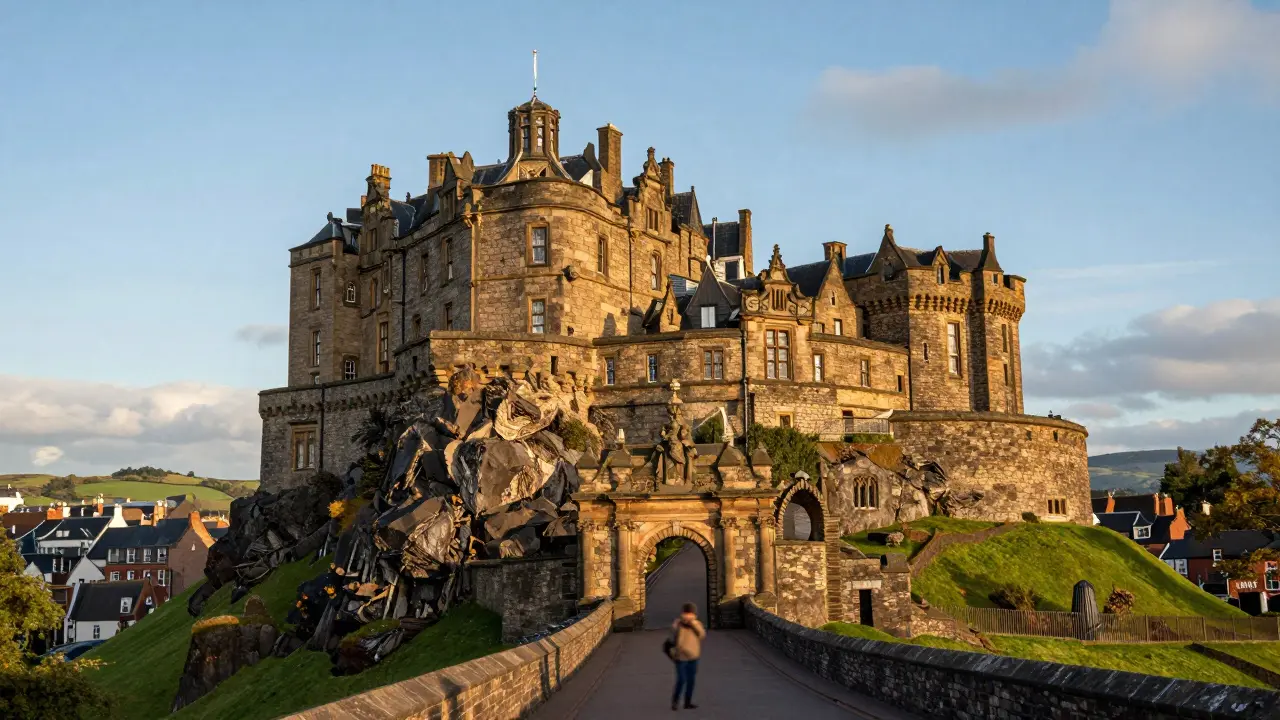
Edinburgh is a city built on stone and history. You can walk past Edinburgh Castle every day, but the real magic of Scotland lies just beyond its borders. If you have a single day to spare, you don’t need a car to see some of the most iconic fortifications in Europe. The public transport network around Scotland’s capital is surprisingly robust, connecting you to medieval strongholds, royal palaces, and ancient ruins with ease.
Planning a castle day trip isn't about rushing from one site to another. It’s about picking one or two destinations that fit your interest-whether that’s military history, royalty, or Gothic architecture-and letting the journey be part of the experience. This guide breaks down the best routes, the trains and buses you’ll take, and exactly how to spend your time once you arrive.
Why Take a Castle Day Trip from Edinburgh?
Staying in the city limits your view of Scottish history to a specific era. While Edinburgh offers incredible sites like Holyrood Palace, venturing out allows you to see the broader narrative of the Kingdom. A day trip gives you context. You start to understand why these castles were built where they were-often on high ground overlooking strategic river crossings or fertile valleys.
More importantly, it breaks up the urban fatigue. After two days of museums and cobblestone streets, seeing the rolling green hills of Lothian or the dramatic cliffs of Fife provides a necessary reset. Plus, Scotland’s train system is scenic. Watching the landscape shift from dense city blocks to open moorland while sipping a coffee is half the fun.
Essential Travel Tips for Getting Around
Before looking at specific itineraries, you need to know how the logistics work. Scotland’s transport system is user-friendly, but there are a few quirks.
- The Explorer Ticket: If you plan to make multiple return journeys within a set period (1, 3, or 7 days), buy an Explorer Ticket. It often costs less than buying individual tickets and saves you standing in line at ticket machines.
- Train vs. Bus: Trains are faster and more comfortable for distances over 30 miles. Buses are better for reaching smaller, rural castles that don’t have rail connections. For this guide, we focus primarily on train-accessible sites because they offer the smoothest day-trip experience.
- Last Train Anxiety: Always check the return schedule before you leave Edinburgh. Trains run frequently during the day, but services thin out after 8 PM. Missing the last train means a very expensive taxi ride home.
- Walking Shoes: Castle grounds are rarely flat. They are often muddy, rocky, or steep. Leave the fashion sneakers in your hotel; wear sturdy walking boots or trainers with good grip.
Itinerary 1: Stirling Castle - The Royal Powerhouse
This is arguably the best first-time castle trip. It’s close enough to do in half a day if you’re pressed for time, but substantial enough to fill eight hours. The castle sits atop a volcanic rock, dominating the skyline of Stirling town. Inside, you’ll find the Great Hall, the stunning Renaissance palace apartments, and the famous Stone of Destiny (when not on display elsewhere).
How to Get There
Take the ScotRail service from Edinburgh Waverley Station. The journey takes approximately 48 minutes. Trains run roughly every hour. Look for direct services to Stirling Station. From the station, it’s a pleasant 15-minute walk uphill to the castle entrance. Alternatively, local bus number 6 runs directly from the station to the castle gate.
Suggested Schedule
- 09:30 AM: Arrive at Stirling. Grab a coffee and a pastry from a local bakery near the station.
- 10:00 AM: Enter Stirling Castle. Start with the Palace Apartments to see the original fireplaces and stained glass windows. These rooms are among the finest examples of Renaissance architecture north of the Alps.
- 12:00 PM: Visit the Great Hall. Don’t miss the ceiling paintings, which date back to the 17th century and are incredibly well-preserved.
- 01:00 PM: Lunch in Stirling town. The area around the Old Town Bridge has several pubs serving hearty Scottish stews and pies.
- 02:30 PM: Walk across the bridge to the University of Stirling campus or visit the nearby National Wallace Monument if you have extra energy (requires a short bus ride).
- 04:30 PM: Catch the train back to Edinburgh.
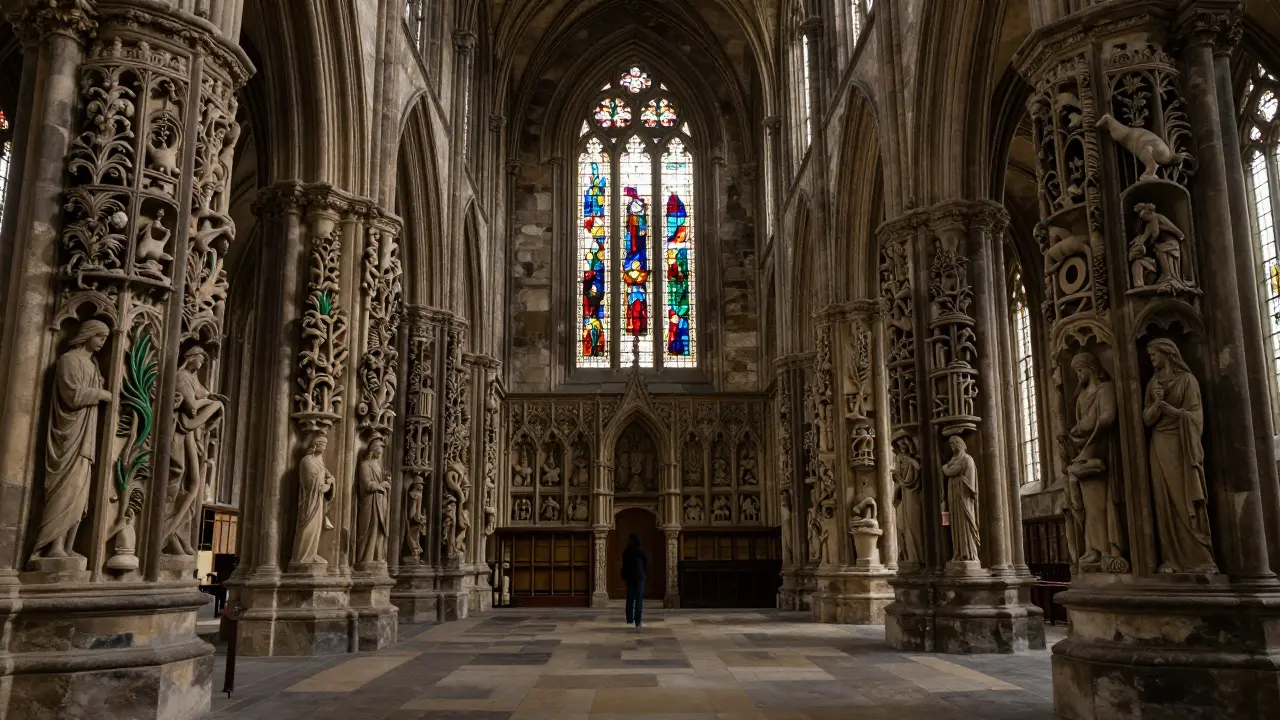
Itinerary 2: Roslin Castle & Chapel - Gothic Mystery
If you prefer atmosphere over grandeur, head south to Midlothian. This route combines two distinct sites: the atmospheric ruins of Roslin Castle and the world-famous Rosslyn Chapel. Both are located in the village of Roslin, making them easy to combine.
Rosslyn Chapel draws crowds, but the craftsmanship is undeniable. Every pillar, column, and wall is covered in detailed carvings of plants, animals, and biblical scenes. It feels less like a church and more like a stone garden. Just a short walk away, Roslin Castle offers a quieter, more melancholic experience. The castle itself is largely ruined, but the surrounding gardens are beautiful, and the views over the valley are spectacular.
How to Get There
This requires a combination of train and bus. First, take the train from Edinburgh Waverley to Dalkeith Station (about 30 minutes). From Dalkeith, catch the Stagecoach bus number 300 or 301 towards Roslin. The bus ride is short, about 10-15 minutes. Check the bus timetable carefully, as frequency drops in the evenings.
Suggested Schedule
- 10:00 AM: Arrive in Roslin. Start at Rosslyn Chapel to beat the largest tour groups. Listen to the audio guide-it explains the symbolism behind the carvings effectively.
- 11:30 AM: Walk to Roslin Castle. Explore the ruins and the formal gardens. It’s peaceful here, a stark contrast to the busy chapel.
- 01:00 PM: Drive or walk to nearby Dalkeith Palace if you want more history, or stay in Roslin for lunch at a local pub.
- 03:00 PM: Return to Dalkeith Station.
- 04:00 PM: Train back to Edinburgh.
Itinerary 3: Blackness Castle - The Ship on the Shore
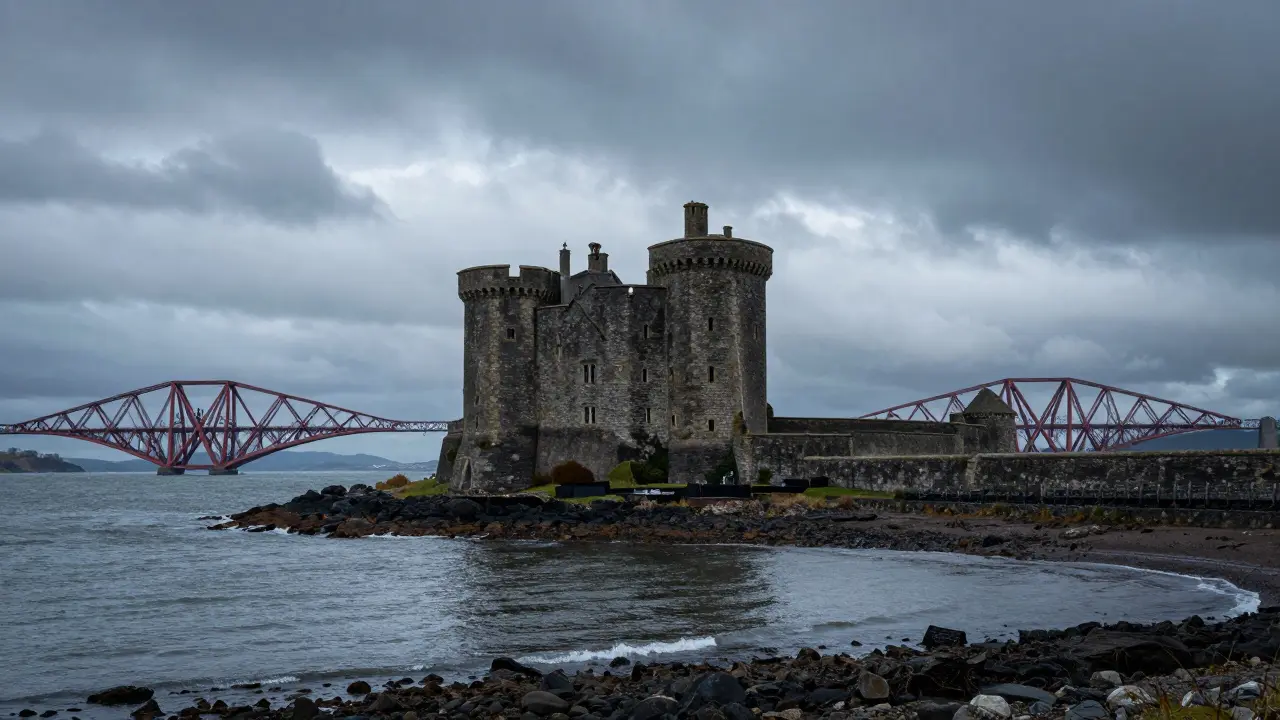
For something different, look west along the Firth of Forth. Blackness Castle looks like a ship stranded on the shore, and its unique triangular design makes it one of the most recognizable castles in Scotland. Built in the late 15th century, it served as a prison and a stronghold.
Unlike the royal palaces, Blackness feels rugged and defensive. It sits right on the water’s edge, offering dramatic views of the Forth Bridges in the distance. The interior is smaller than Stirling, so you can see everything in about an hour, leaving plenty of time to explore the surrounding area.
How to Get There
Take the train from Edinburgh Waverley to Grangemouth Station (approx. 45 minutes). From Grangemouth, it’s a 15-minute walk to the castle, or you can take a local bus. Note that Grangemouth is an industrial port, so the approach isn’t pretty, but the castle rewards the effort.
Suggested Schedule
- 11:00 AM: Arrive at Blackness Castle. Tour the dungeons and the courtyard. The location is key here-spend time outside looking at the water and the bridges.
- 12:30 PM: Head back to Grangemouth town center for lunch. There are a few cafes and fish-and-chip shops near the station.
- 02:00 PM: If you have time, visit the nearby Falkirk Wheel (requires a bus transfer) or simply enjoy a walk along the Forth bank.
- 04:00 PM: Train back to Edinburgh.
Itinerary 4: Cramond & Arthur’s Seat - Urban Fortresses
You don’t always need to leave the city limits. Edinburgh itself holds hidden gems. Cramond is a tiny village on the outskirts of the city, home to Cramond Island and the ruins of Cramond Tower. It’s a quiet spot with a rich Viking history.
Combine this with a hike up Arthur’s Seat, an extinct volcano that dominates the Edinburgh skyline. While not a traditional castle, the summit offers views of the entire city and the surrounding lochs, helping you understand the strategic importance of Edinburgh’s location.
How to Get There
Cramond is accessible by bus number 26 from Princes Street. Arthur’s Seat is walkable from the Old Town, though it’s a steep climb.
Suggested Schedule
- 09:00 AM: Hike Arthur’s Seat early to avoid crowds. The path is rough but rewarding.
- 11:30 AM: Descend and head to Cramond via bus.
- 12:30 PM: Explore Cramond Beach and the island ruins. Have a picnic by the water.
- 03:00 PM: Return to the city center for dinner.
Comparison of Top Castle Day Trips
| Destination | Travel Time | Best For | Difficulty |
|---|---|---|---|
| Stirling Castle | 48 mins (Train) | Royal History, Architecture | Moderate (Hill climb) |
| Rosslyn Chapel & Castle | 45 mins (Train+Bus) | Gothic Art, Mystery | Easy (Flat) |
| Blackness Castle | 45 mins (Train) | Water Views, Defense | Easy (Flat) |
| Cramond & Arthur's Seat | 20 mins (Bus/Walk) | Nature, Hiking | Hard (Steep hike) |
Pitfalls to Avoid
One common mistake is underestimating the weather. Scotland’s climate changes rapidly. Even in summer, rain can appear without warning. Always carry a waterproof jacket and layers. Another pitfall is booking castle entry online. Many sites, including Stirling and Edinburgh Castle, offer significant discounts for online tickets and allow you to skip the queue. Buying tickets at the door often means waiting 30-60 minutes during peak season.
Also, be mindful of opening times. Some smaller castles or chapels may close earlier in winter or have limited hours on Mondays. Always verify the current schedule on the official website before setting off.
Final Thoughts on Planning Your Trip
Choosing between these options depends on what you value most. If you want grandeur and royal history, Stirling is unmatched. If you prefer mystery and intricate artistry, Rosslyn is your choice. For dramatic scenery and a unique architectural shape, Blackness delivers. And if you want exercise and nature, stick to the city edges with Cramond and Arthur’s Seat.
The beauty of these day trips is their flexibility. You can easily mix and match. Perhaps spend a morning in Stirling and an afternoon in Rosslyn if you have a rental car, or stick to one destination per day using public transport to keep stress low. Whatever you choose, you’ll leave with a deeper appreciation for Scotland’s fortified past.
Is it better to rent a car for castle day trips from Edinburgh?
For the major castles like Stirling, Blackness, and Rosslyn, public transport is sufficient and often easier due to parking challenges. However, if you plan to visit multiple smaller castles in remote areas (like Dunnottar or Slains), a car provides greater flexibility. Consider the cost of parking and fuel against the convenience of not driving.
Which castle is the closest to Edinburgh?
Blackness Castle is one of the closest, located just 15 miles west of the city center. Cramond is even closer but is technically within the city boundary. For a full castle experience with travel involved, Blackness is the shortest trip.
Can I visit Stirling Castle and Rosslyn Chapel in one day?
Yes, but it will be rushed. Stirling is north of Edinburgh, while Rosslyn is south. You would need to travel through the city to switch directions. It’s better to dedicate a full day to each to fully appreciate the sites without feeling hurried.
Are these castles wheelchair accessible?
Accessibility varies. Stirling Castle has improved access with ramps and lifts for many areas, but some older parts remain difficult. Rosslyn Chapel has level access for the main chapel. Blackness Castle has uneven surfaces and steps, making it challenging. Always check specific accessibility guides on each castle’s website before visiting.
What is the best time of year to visit Scottish castles?
Summer (June-August) offers the longest daylight hours and warmest weather, but also the largest crowds. Shoulder seasons (April-May and September-October) provide a good balance of decent weather and fewer tourists. Winter visits are atmospheric but require careful planning due to shorter days and potential transport disruptions.