
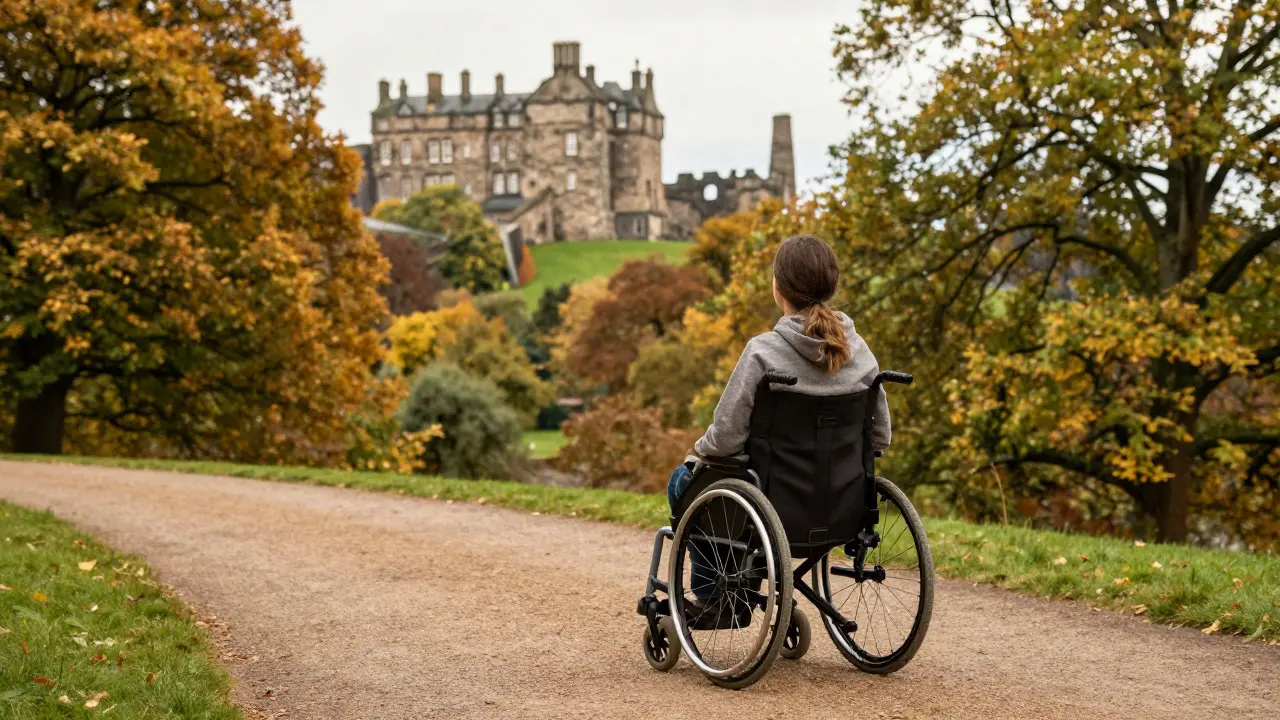
Imagine standing at the edge of a misty loch or breathing in the pine-scented air of an ancient forest. For millions of visitors and locals, this is just another weekend. But for someone using a wheelchair, these moments often feel out of reach. The rugged beauty of Scotland is a country known for its dramatic landscapes, from highlands to coastal cliffs doesn't always come with easy access. However, things are changing. More organizations are realizing that nature belongs to everyone.
If you are planning a trip and need routes that won’t leave you stuck in mud or blocked by steep steps, you have come to the right place. I’ve spent years exploring these paths, testing them with different wheelchairs, and talking to other users about what actually works. This isn’t just a list of places; it’s a practical guide to navigating Scotland’s outdoors when mobility is a concern.
Why Accessible Trails Matter Now More Than Ever
In the past, "accessible" often meant a paved path to a car park and then nothing else. Today, thanks to pressure from disability advocacy groups and better funding from bodies like Forestry and Land Scotland is the public body responsible for managing forests and land in Scotland, we see real progress. They have specific standards for trail surfaces, gradients, and width. A truly accessible trail needs a firm surface-gravel, boardwalk, or tarmac-not loose dirt. It needs gentle slopes (usually under 1:20 gradient) and wide enough turning circles for manual and power chairs.
The shift is significant. In 2025 alone, over £2 million was invested in improving accessibility across Scottish woodlands. This means fewer dead ends and more genuine experiences. But you still need to know where to go. Not every sign saying "accessible" holds up to scrutiny. That’s why checking recent reviews and understanding the terrain is crucial before you pack your bags.
Top Wheelchair-Friendly Forest Paths
Woodlands offer some of the best opportunities for accessible exploration because the ground can be managed and stabilized. Here are three standout locations that consistently deliver good experiences.
Craigmillar Castle Park, Edinburgh
This spot is a gem near the capital. The castle ruins themselves are on higher ground, which can be tricky, but the surrounding parkland is excellent. There is a dedicated accessible loop that takes you through dense woodland and offers views of the castle from below. The path is mostly compacted gravel, which is smooth for wheels. You get history, nature, and wildlife without fighting against steep inclines. It’s perfect for a half-day visit, especially if you combine it with a coffee at the nearby café.
Pollok Country Park, Glasgow
One of the largest city parks in Europe, Pollok has invested heavily in accessibility. The main loop around the lake is fully accessible, featuring wide, hard-packed surfaces. You can hire adapted bikes if you want to cover more ground, but a standard wheelchair handles the path well. The highlight here is the combination of open water views and wooded areas. Don’t miss the visitor center, which provides detailed maps highlighting exactly which sections are suitable for wheelchairs versus those that are not.
Arrochar Alps and Luss Woodland Walks
For something further west, the area around Loch Lomond offers varied options. Specifically, the woodland walks near Luss village are well-maintained. While the famous Arrochar Alps are too rugged for most wheelchairs, the lower-lying forest trails provide a taste of the Highlands’ atmosphere. These paths are often boardwalked to protect the peat soil, which also helps keep your wheels dry and moving. It’s a quieter alternative to the busier tourist spots along the loch shore.
| Location | Surface Type | Best For | Accessibility Features |
|---|---|---|---|
| Craigmillar Castle Park | Compacted Gravel | History & Wildlife | Loop route, accessible toilets |
| Pollok Country Park | Hard-packed Earth/Tarmac | Lake Views & Cycling | Adapted bike hire, wide paths |
| Luss Woodland Walks | Boardwalk/Gravel | Quiet Nature | Flat gradients, sheltered areas |
Coastal Paths with a View
The sea is a huge draw in Scotland, but coastal paths are notoriously difficult for wheelchairs due to shingle beaches and cliff edges. However, there are exceptions where engineering meets landscape beautifully.
The Mound, Edinburgh
While technically a park, The Mound connects two major parts of the city and offers elevated views that rival many coastal spots. It is fully accessible via ramps and lifts. If you head towards Princes Street Gardens, you can find flat, paved areas overlooking the Firth of Forth on clear days. It’s urban, yes, but the greenery and space make it feel expansive.
Ness Walk, Isle of Skye
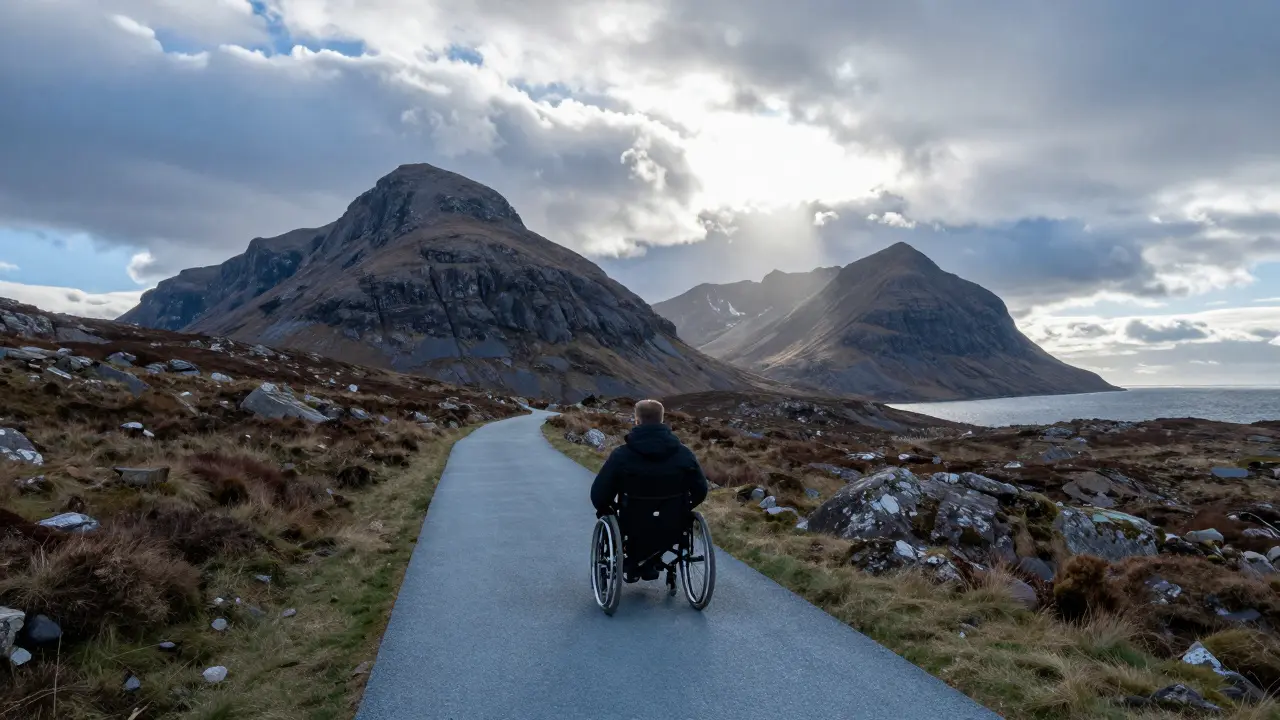
Getting to Skye requires ferry travel, which can be a hurdle, but once there, the Ness Walk is one of the few genuinely accessible natural attractions. It’s a short, flat loop on a firm surface that leads to stunning views of the Cuillin mountains and the sea. The key here is timing: go early to avoid crowds that might block the path. The ground is stable, even in wet weather, making it reliable year-round.
Aberdeen Beach Promenade
If you want sand and sea, Aberdeen’s promenade is your best bet. It runs parallel to the beach and is paved throughout. You can roll right down to the water’s edge at low tide in certain sections. It’s less about wild nature and more about enjoying the seaside atmosphere comfortably. The city also has accessible restrooms and cafes along the route.
Essential Gear and Preparation Tips
Even the best trail can become a nightmare if you aren’t prepared. Weather in Scotland is unpredictable, and rain turns dirt into mud quickly. Here is what you need to consider before heading out.
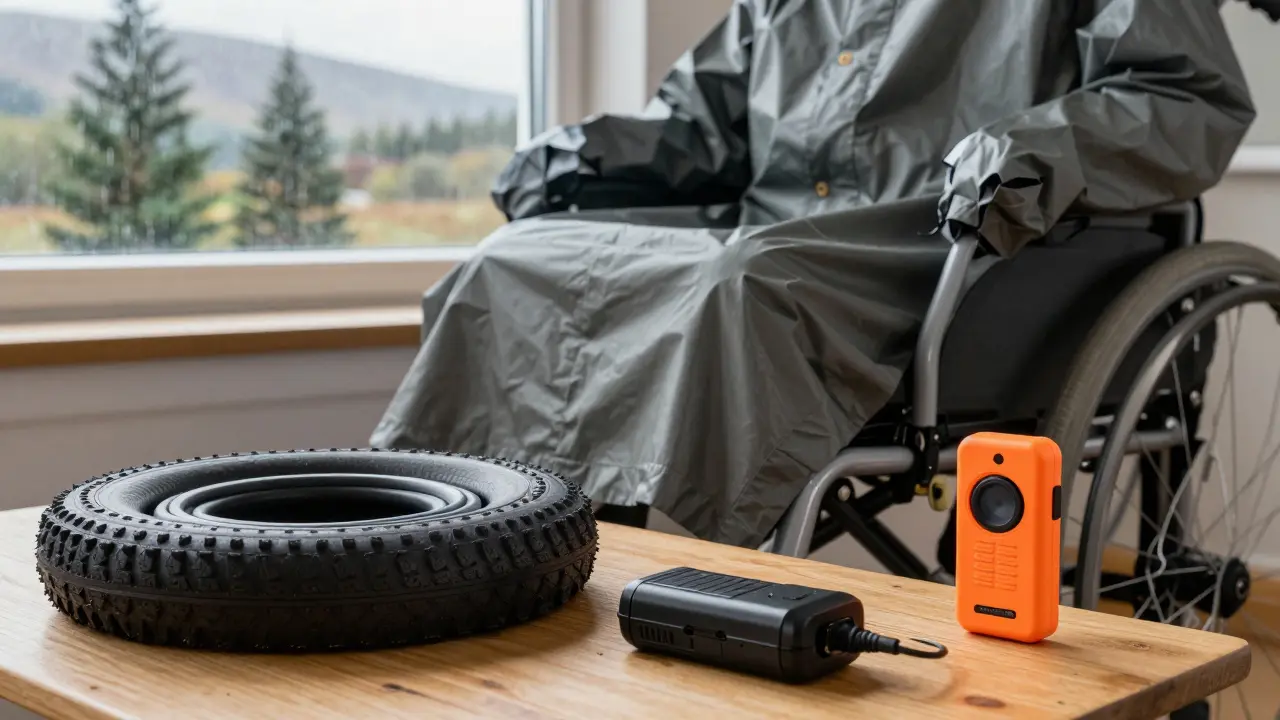
- Tire Choice Matters: If you use a manual chair, consider wider tires or pneumatic ones for better traction on gravel. Puncture-proof tubes are a lifesaver because getting help in remote areas is hard.
- Weatherproofing: Invest in a high-quality rain cover for your chair. Wet brakes and bearings cause friction, making pushing much harder. Waterproof clothing for yourself is obvious, but don’t forget waterproof covers for any bags or equipment.
- Check Recent Conditions: A trail marked as accessible last summer might be washed out today. Call the local ranger station or check social media groups for real-time updates. Many rangers post photos of current trail conditions.
- Power vs. Manual: If you use a power chair, ensure you have extra battery capacity. Rougher terrain drains batteries faster than smooth pavement. Carry a portable charger if possible.
- Emergency Contact: Always tell someone your route and expected return time. Mobile signal can be spotty in valleys and forests. A personal locator beacon (PLB) is worth considering for longer trips.
Funding and Support Organizations
You don’t have to figure this out alone. Several organizations in Scotland are dedicated to making the outdoors inclusive. Knowing who they are can help you find new resources or advocate for better access.
Access Scotland is an organization providing information and advice on accessing leisure facilities offers a comprehensive database of accessible sites. Their website allows you to filter by activity type, location, and specific needs. They also run training courses for staff in tourism businesses, which indirectly improves service quality for visitors.
Disability Rights Scotland is a charity working to promote and protect the rights of people with disabilities advocates for policy changes that affect public spaces. While they don’t manage trails directly, their reports often highlight gaps in infrastructure that need addressing. Following their work gives you insight into upcoming improvements.
Local councils also play a role. Many have designated "Accessible Tourism Officers" who can provide personalized advice. For example, Highland Council has been upgrading several coastal paths since 2024. Checking their website before visiting northern regions can save you time and frustration.
Common Pitfalls to Avoid
Not all signs are created equal. Here are some red flags to watch for when evaluating a trail online or on-site.
Vague Language: Terms like "suitable for most" or "partially accessible" are often code for "you will struggle." Look for specific details: "firm surface," "gradient less than 1:20," "width over 1.5 meters." If those numbers aren’t there, assume it’s risky.
Seasonal Closures: Some trails are only accessible in winter when the ground is frozen and firm. In spring and autumn, thawing ground becomes boggy. Always check the season-specific notes. A path that works in January may be unusable in April.
Hidden Barriers: Photos can be misleading. A wide path in a photo might narrow significantly after a bend. Read user reviews carefully, especially those mentioning wheelchairs. Personal anecdotes often reveal obstacles that official descriptions miss.
Planning Your Visit: A Step-by-Step Guide
To make the most of your trip, follow this simple process:
- Choose Your Region: Decide whether you prefer coastal, forest, or urban settings. Each has different accessibility challenges.
- Research Specific Trails: Use Access Scotland’s database and Forestry and Land Scotland’s website. Look for the "Accessible Route" label.
- Contact the Site Manager: Email or call to ask about current conditions. Ask specifically about surface stability and toilet facilities.
- Check Weather Forecasts: Avoid heavy rain predictions. Dry days mean firmer ground.
- Pack Accordingly: Bring spare tires, tools, weather gear, and snacks. Self-sufficiency is key.
- Start Small: On your first visit, choose a shorter, well-known trail to test your setup and comfort level.
By taking these steps, you reduce uncertainty and increase your chances of having a great day out. Remember, accessibility is not just about physical barriers; it’s about confidence and preparation.
Are there any wheelchair-accessible mountain hikes in Scotland?
True mountain hikes are generally not accessible due to steep gradients and uneven terrain. However, some lower-altitude trails in national parks offer panoramic views similar to mountains without the difficulty. Focus on woodland loops and coastal promenades instead.
What should I do if my wheelchair gets stuck on a trail?
Stay calm. Try rocking the chair gently to free the wheels. If that fails, contact local rangers via phone or emergency services if necessary. Always carry a basic repair kit including tire levers and a pump. Inform someone of your route before starting.
Can I bring my dog on accessible trails?
Most accessible trails allow dogs, but rules vary by location. National nature reserves may restrict animals during breeding seasons. Check specific site guidelines before visiting. Keep your dog on a lead to ensure safety for all users.
Is it safe to use a power wheelchair on gravel paths?
It depends on the gravel size and compaction. Fine, compacted gravel is usually fine. Loose, large stones can damage wheels and cause instability. Test a small section first. Power chairs require more battery power on rough surfaces, so plan accordingly.
Where can I find updated information on trail conditions?
Visit the websites of Forestry and Land Scotland and Access Scotland. Social media groups focused on disabled travel in Scotland also share real-time updates. Calling local ranger stations directly is often the most reliable method for current conditions.