
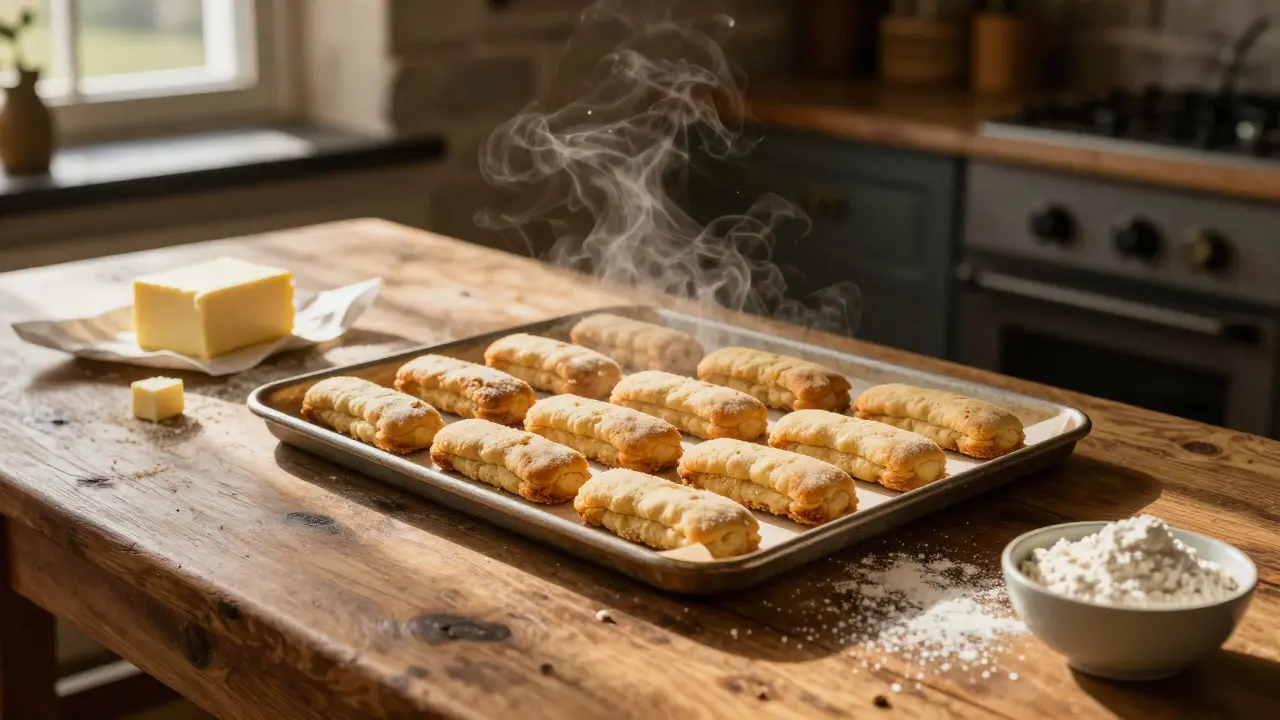
Whether you are a local in Dundee or visiting from across the ocean, learning the art of Scottish baking classes is an immersive way to explore the culinary heritage of Scotland through hands-on workshops. It is not just about following a recipe; it is about understanding how the damp Scottish climate affects your dough and why salted butter is non-negotiable.
The Secret to the Perfect Shortbread
You cannot talk about Scottish treats without starting with Shortbread. This isn't just a cookie; it is a high-butter confection that relies on a specific ratio of sugar, flour, and butter. In a professional workshop, you will learn that the key is in the 'rubbing in' method. If you overwork the dough, you end up with a tough biscuit instead of that iconic melt-in-the-mouth texture.
Most classes focus on the traditional 'fingers' or 'petticoat tails.' You will likely discover that using Cornflour (corn starch) in a small amount helps achieve a finer crumb. A great instructor will show you how to chill the dough properly-too warm, and the butter melts before it hits the oven, ruining the snap. Imagine the satisfaction of pulling a golden-brown tray of buttery shortbread out of the oven, smelling that rich, toasted aroma filling the room.
Scones: Avoiding the Dreaded 'Hockey Puck'
We have all been there: you try to make Scottish Scones at home, and they come out as hard as bricks. The secret isn't in the ingredients, but in the handling. The most critical rule taught in any decent pastry workshop is: do not overmix. The moment you stop seeing clumps of butter, you stop stirring.
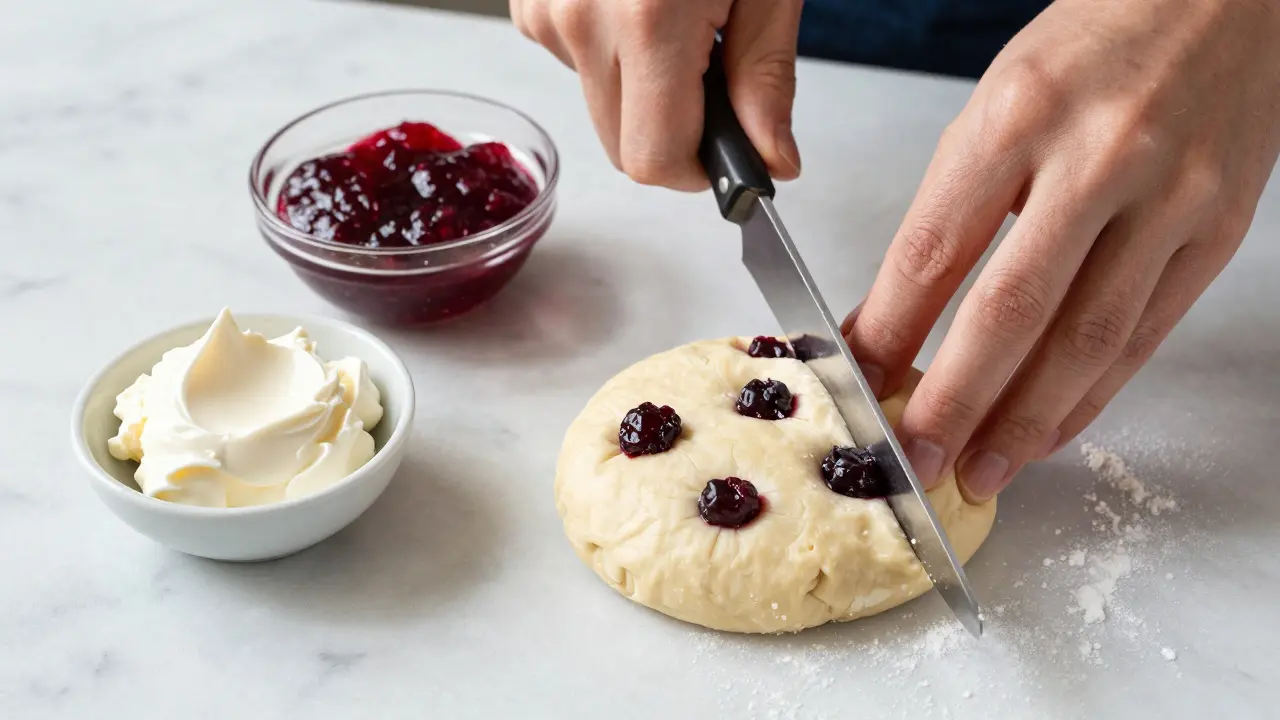
In a workshop setting, you will learn the difference between a classic plain scone and a fruit scone packed with currants. You will also master the art of the 'cut'-using a sharp knife to slice the dough straight down rather than twisting the cutter, which seals the edges and prevents the scone from rising. Pair these with Clotted Cream and a dollop of raspberry jam, and you have the quintessential Scottish tea experience.
Pastry Workshops: From Tartlets to Savories
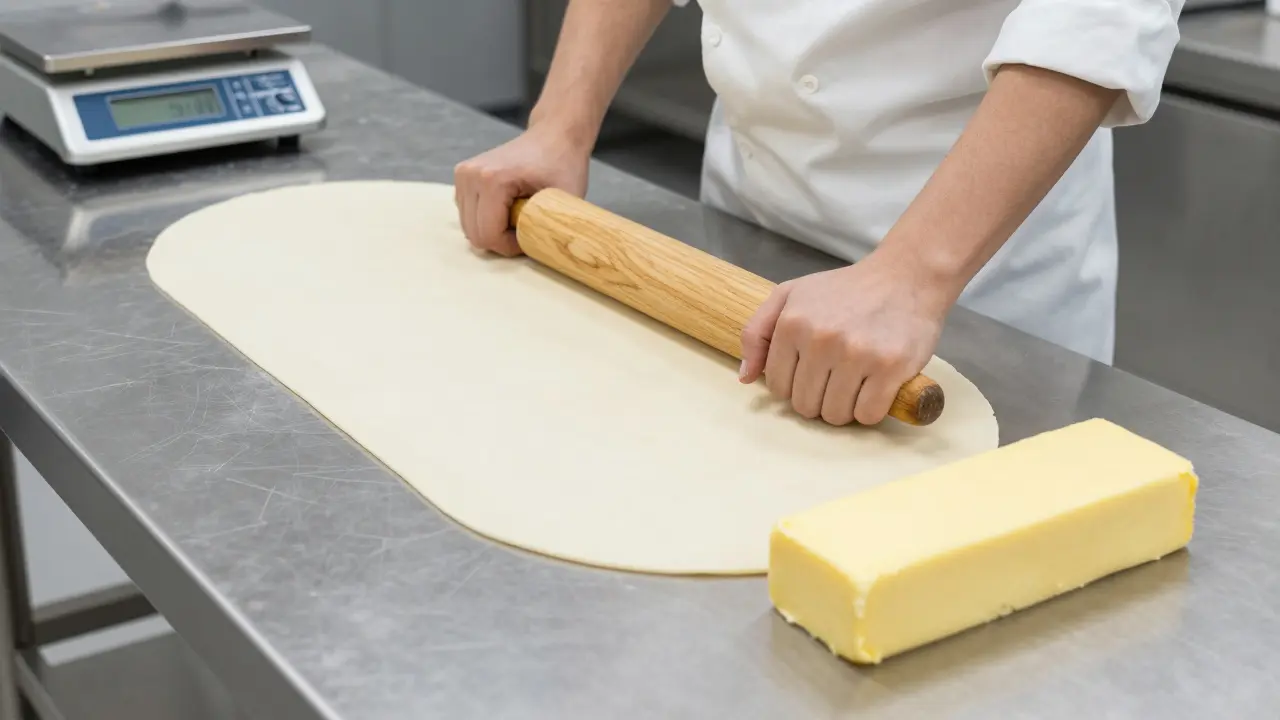
Pastry is where the real science happens. Whether it is a sweet shortcrust for a tart or a flaky puff pastry for a savory roll, the goal is always the same: layers. In a Pastry Workshop, you will get to experience the physical process of 'lamination.' This is where you fold the butter into the dough repeatedly to create hundreds of thin layers.
You might try your hand at making a traditional Bakewell-style tart or a savory meat pie. One common pitfall beginners face is using warm water in their pastry; instructors will insist on ice-cold water to ensure the butter stays solid until it hits the heat of the oven. This creates those steam pockets that make pastry light and airy. It is a rewarding process, even if your arms get a bit tired from the rolling pin.
| Bake | Key Ingredient | Difficulty | Texture Goal |
|---|---|---|---|
| Shortbread | High-fat Butter | Easy | Snap & Melt |
| Scones | Self-raising Flour | Medium | Light & Fluffy |
| Puff Pastry | Chilled Butter Blocks | Hard | Multi-layered Flake |
Choosing the Right Class for Your Skill Level
Not all workshops are created equal. If you have never touched a whisk, look for 'Introduction to Baking' days. These usually cover the basics of Culinary Arts, such as measuring by weight (grams) rather than volume (cups), which is far more accurate for baking.
For those who already bake at home, 'Masterclasses' are the way to go. These dive deep into the chemistry of baking-explaining how different fats affect the gluten structure of the wheat. You might find yourself experimenting with different types of Wheat Flour to see how the protein content changes the chewiness of a pastry. Whether it's a one-day intensive in Edinburgh or a weekend retreat in the Highlands, the environment of a shared kitchen makes the learning process much faster.
Common Pitfalls and Pro Tips
Even in a class, things can go wrong. The most common issue is the oven temperature. Many home ovens have 'hot spots,' meaning your shortbread might burn on one side while staying raw on the other. A pro tip from any Scottish baker is to rotate your tray halfway through the bake.
Another mistake is ignoring the 'resting' phase. Dough needs time to relax. If you try to roll out pastry immediately after mixing, it will shrink in the oven. Let it sit in the fridge for at least an hour. This allows the gluten to relax and the moisture to distribute evenly, ensuring your tart shell doesn't pull away from the edges of the tin.
Tools You Will Use in a Workshop
While you can bake with basic tools, professional workshops introduce you to gear that makes a massive difference. You'll likely use a Digital Scale for precision, as a few extra grams of flour can turn a soft scone into a rock. You will also encounter the bench scraper, an essential tool for cleaning your workspace and cutting dough into clean squares.
Many classes also utilize stand mixers, but they will encourage you to do the final fold by hand. Why? Because you can 'feel' the dough. You know exactly when the butter is incorporated without overworking it, something a machine simply cannot tell you.
Integrating Baking into Your Scottish Experience
Baking is a gateway to understanding the local culture. Many workshops are hosted in historic buildings or farmhouses, where you can learn about the livestock that provides the rich cream and butter used in the recipes. It transforms a simple cooking lesson into a cultural journey.
After you've mastered the techniques, the best part is bringing those skills home. There is a certain pride in serving a guest a plate of authentic, homemade shortbread that you learned to make in the heart of Scotland. It is a tangible memory that tastes far better than any souvenir shop biscuit.
Do I need prior experience to join a Scottish baking class?
Not at all. Most workshops are designed for all skill levels, from absolute beginners to seasoned home cooks. Instructors provide step-by-step guidance, and you'll be given all the necessary tools and ingredients on-site.
What is the difference between Scottish shortbread and regular cookies?
The primary difference is the fat content and the lack of leavening agents. Shortbread uses a very high proportion of butter and typically excludes baking powder or soda, resulting in a dense, crumbly texture rather than a cakey one.
Can I find gluten-free versions of these classes?
Yes, many modern workshops in Scotland now offer gluten-free alternatives using almond flour or specialized GF blends. It is best to check with the provider beforehand to ensure they have a dedicated gluten-free station to avoid cross-contamination.
How long do these workshops typically last?
Most short-course workshops last between 3 and 6 hours. This allows enough time for the doughs to chill and the products to bake and cool before you take them home.
What should I wear to a baking class?
Comfortable clothes that you don't mind getting a bit of flour on are best. Most venues provide aprons, but wearing closed-toe shoes is a safety requirement in professional kitchens to protect your feet from dropped tools or hot spills.
Next Steps for Aspiring Bakers
If you're ready to start, your first step is to decide if you want a focused session (like just shortbread) or a broad overview of Scottish pastry. Check local listings in cities like Edinburgh, Glasgow, or Dundee for boutique culinary schools. Once you've finished your class, try recreating the recipes at home using the highest quality butter you can find-it really does make the difference.
For those who found the pastry section challenging, consider taking a second class specifically on lamination. It is the hardest skill to master, but once you do, you can make everything from croissants to traditional Scottish savory pies with professional results.
Comments (13)
-
Michael Jones April 23, 2026
baking is basically just edible philosophy man... you take raw elements and transform them through heat and patience into something that feeds the soul just go for it and get those hands messy

-
Michael Thomas April 23, 2026
US butter is superior anyway. Waste of time.

-
Karl Fisher April 25, 2026
Oh, I simply adore the idea of a Highland retreat! There is something so profoundly chic about whisking butter in a drafty stone cottage while wearing cashmere, don't you think? It's the only way to truly appreciate the nuance of a shortbread crumb.

-
Buddy Faith April 26, 2026
bet the cornflour is just some govt additive to make us more compliant anyway why you think they want us in classes and not just baking at home in secret

-
allison berroteran April 27, 2026
It is truly fascinating how the intersection of environmental humidity and the molecular structure of fats can dictate the entire outcome of a pastry, and while I have always been a bit hesitant to travel so far, the prospect of understanding the historical lineage of these recipes through a structured workshop seems like a wonderful way to expand one's culinary horizons while supporting local artisans who have kept these traditions alive through the ages.

-
Gabby Love April 29, 2026
Just a quick tip for those doing this at home: if you don't have a digital scale, try to at least sift your flour to avoid those clumps. It helps a lot with the scone texture.

-
Jen Kay April 29, 2026
Oh sure, because nothing says 'relaxing vacation' like spending six hours fighting with a block of butter until your arms fall off. Truly a peak luxury experience.

-
Abert Canada May 1, 2026
listen man i love the vibe but if you don't use the right fat it's all garbage regardless of where you learn it

-
Xavier Lévesque May 3, 2026
Yeah, because manually folding dough is exactly how I want to spend my limited time on earth. Thrilling.

-
Thabo mangena May 3, 2026
It is a most commendable pursuit to preserve such rich cultural heritages. I believe that sharing these artisanal techniques fosters a profound global understanding and appreciation for the nuances of regional gastronomy.

-
Scott Perlman May 4, 2026
this sounds so fun i bet the treats taste great

-
Sandi Johnson May 6, 2026
Right, because rotating the tray is such a 'pro tip' that definitely isn't common sense for every single person who has ever owned an oven. Groundbreaking stuff.

-
Eva Monhaut May 7, 2026
The description of the lamination process is simply scrumptious! I can practically feel the buttery layers shattering on the tongue. It is such a vibrant way to engage with a culture, turning a simple kitchen into a sanctuary of flavor and tradition that lingers long after the oven has cooled down. I've always found that the most eclectic memories are made when you're elbow-deep in flour and laughing with strangers over a failed batch of scones, as it strips away the pretense and leaves only the raw, joyful experience of creation. There is a certain alchemy in the way the Scottish mist outside contrasts with the golden warmth of a bakery, creating a sensory tapestry that is absolutely intoxicating for anyone with a passion for the culinary arts. It is an invitation to slow down in a fast-paced world and appreciate the slow rise of a dough or the patient chill of shortbread. I absolutely love how this highlights the importance of the tactile experience over the mechanical, reminding us that the human touch is the most vital ingredient in any recipe. Truly a kaleidoscopic journey for the taste buds!
