
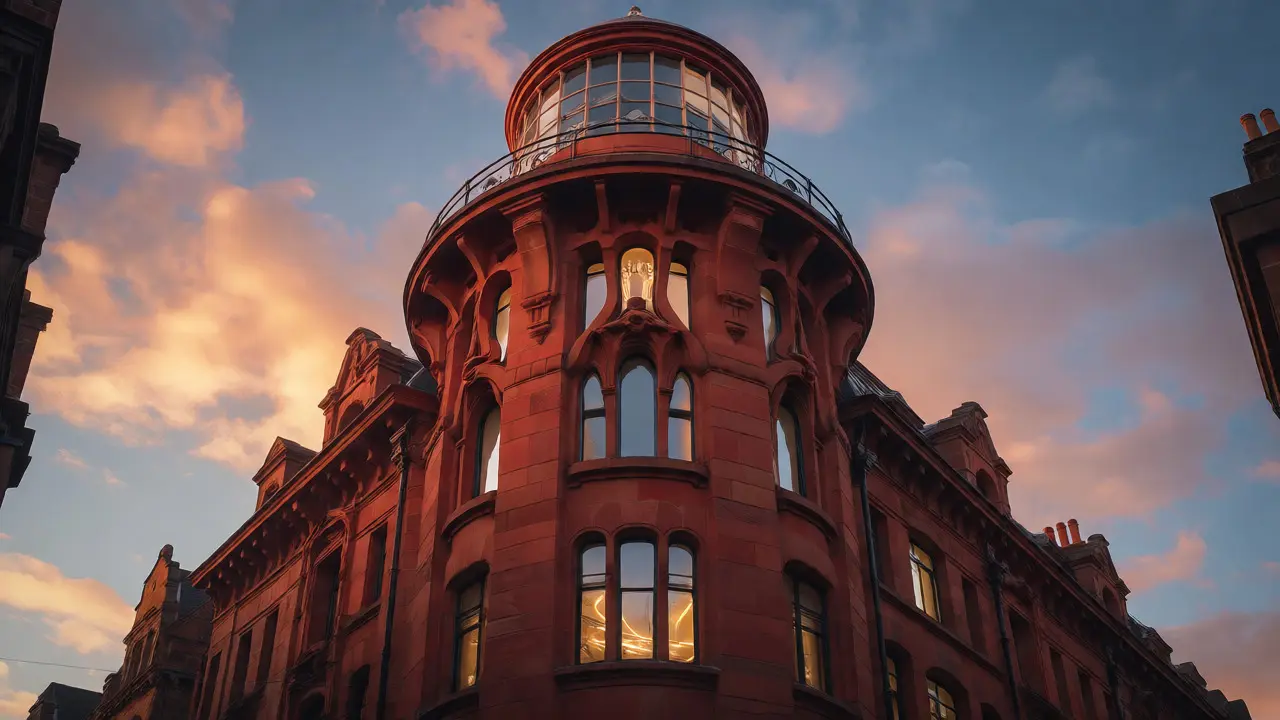
Have you ever looked at a building and wondered, "Who on earth designed that?" If you're standing in the middle of Glasgow's Merchant City, staring up at a red sandstone facade with a tower that looks like it belongs in a fairy tale, you've found The Lighthouse is the UK’s first national centre for architecture, design, and cities. It’s not just a pretty face. This place is the beating heart of Scottish architectural identity, housed in one of the most famous buildings by Charles Rennie Mackintosh.
If you’re visiting Glasgow, skipping this spot is like going to Paris and missing the Eiffel Tower-except here, you can actually go inside, learn about the people who build our world, and then climb a spiral staircase for a view that rivals any skyscraper. But there’s more to it than just selfies. Whether you’re an architecture nerd or just looking for a cool thing to do, this guide breaks down exactly what to expect, how to get the best experience, and why this former newspaper office matters today.
Why The Lighthouse Matters to Glasgow
Let’s be real: Glasgow has a reputation for grit, industry, and shipyards. But it also has some of the finest Victorian and Art Nouveau architecture in Europe. The Lighthouse sits right in the middle of this narrative. Built in 1895 as the headquarters for the Glasgow Herald, it was designed by a 27-year-old Charles Rennie Mackintosh. At the time, he wasn’t even fully qualified. He was working under his boss, John Hutchison, but his fingerprints are all over this building.
The building itself is a masterpiece of the Scottish Baronial style mixed with Art Nouveau. Look closely at the windows. They aren’t just square holes in the wall. They’re elongated, almost human-like figures. Mackintosh loved symbolism, and these "wee men" watching over the street are his signature touch. After decades of neglect and near-demolition, the building was saved and transformed into the Scottish Centre for Design and Architecture in 1999. Today, it runs exhibitions, workshops, and tours that explain how we shape our cities.
What You’ll Actually See Inside
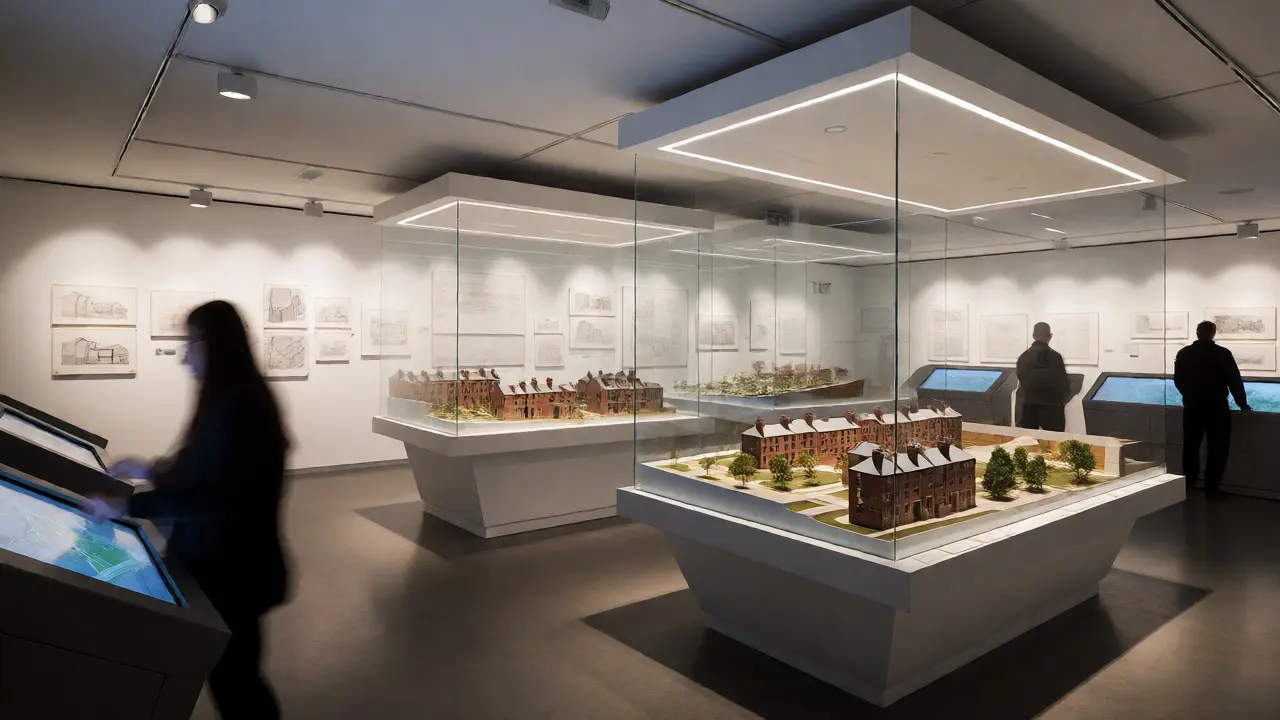
Most visitors come for two things: the permanent exhibition and the tower. Let’s tackle the exhibition first. The main gallery is usually free (though donations help keep the lights on) and focuses on the intersection of design and daily life. It’s not dusty museum fare where everything is behind glass and you can’t breathe on it. It’s interactive.
You might see displays on sustainable housing, the history of Glasgow’s tenements, or futuristic concepts for urban living. One recurring theme is "How do we live together?" In a city like Glasgow, which has reinvented itself from industrial powerhouse to cultural hub, this question hits hard. You’ll find models of buildings, sketches by local architects, and digital screens showing how neighborhoods have changed over 100 years. It’s surprisingly engaging, even if you don’t know a load-bearing wall from a curtain wall.
| Feature | Details | Time Required |
|---|---|---|
| Mackintosh Exhibition | Detailed look at his life, work, and the building's history. | 30-45 mins |
| Clyde Tower Climb | Spiral staircase access to observation deck. | 15-20 mins |
| Current Exhibitions | Rotating themes on design, sustainability, and cities. | Variable |
| Bookshop & Cafe | Design-focused books and refreshments. | Optional |
The View from the Top: Is It Worth the Climb?
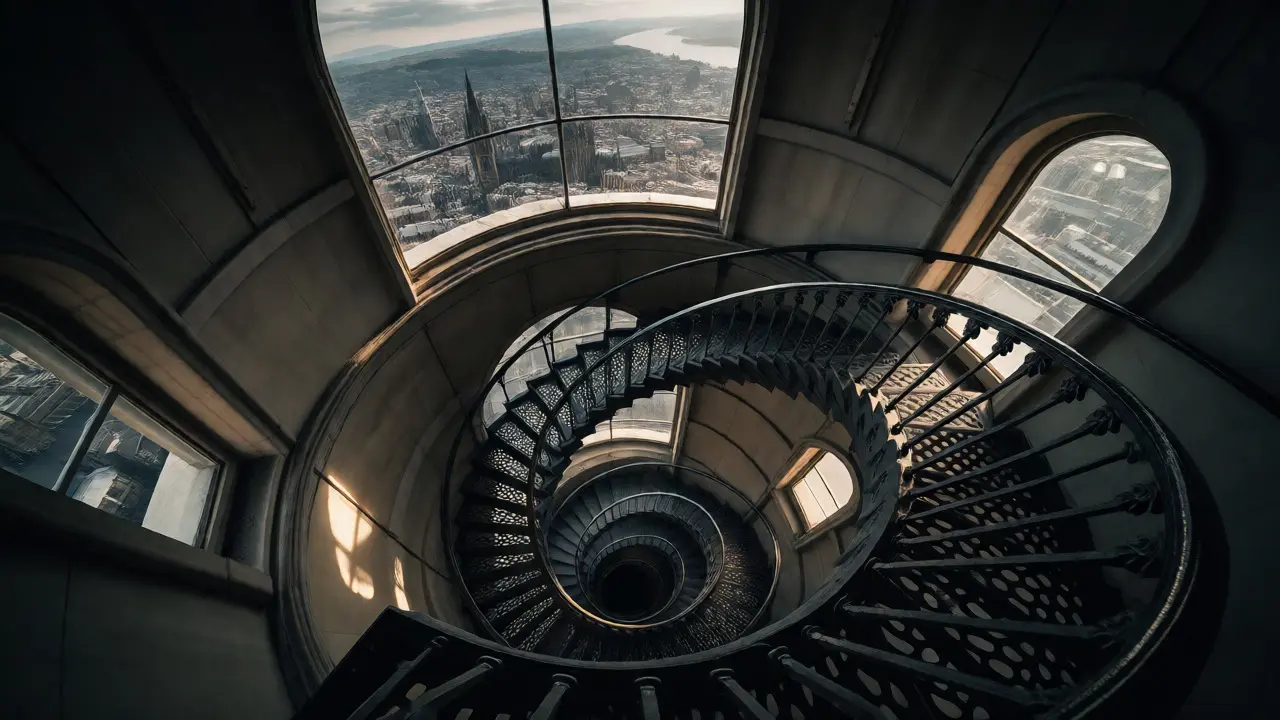
Here is the million-dollar question: Do you really need to climb the tower? The answer is yes, but with a caveat. The stairs are narrow, steep, and made of iron. There is no lift. If you have mobility issues or a fear of heights, this part will be tough. But if you can manage it, the payoff is massive.
From the top of the Clyde Tower, you get a 360-degree view of Glasgow. To the south, you see the spires of the Cathedral and the Necropolis graveyard. To the north, you see the modern skyline and the river Clyde winding through the city. Because the Lighthouse is located in the Merchant City, you are elevated above the surrounding Victorian warehouses, giving you a unique perspective that you don't get from the higher, more modern hotels.
Pro tip: Go early in the morning or late in the afternoon. Midday sun can make the glass reflect badly, ruining your photos. Also, check the weather forecast. On a rainy day, the view is gray and miserable. On a clear autumn day, the colors of the sandstone buildings glow orange. It’s worth timing your visit around the light.
Architecture Tips for Non-Architects
You don’t need a degree to appreciate this place. Here are three simple things to look for that will make you feel like an expert:
- The Windows: Notice how they taper towards the top. This isn't just decorative; it helps with structural integrity and lets in light while maintaining privacy. Mackintosh played with proportions constantly.
- The Materials: The building uses red sandstone, a material Glasgow is famous for. Over time, pollution turned much of it black. Recent cleaning efforts have restored the vibrant red color. Compare the cleaned sections with older photos to see the difference.
- The Entrance Hall: Before you head upstairs, stand in the lobby. Look at the ceiling beams and the way the space opens up. It’s designed to impress visitors, reflecting the power of the newspaper company that once owned it.
If you want to dig deeper, pick up a leaflet at reception. They often highlight specific details that casual observers miss. And don’t hesitate to ask the staff. The people working there are usually architecture students or enthusiasts who love talking about Mackintosh’s quirks.
Getting There and Practical Info
Location is key. The Lighthouse is at 11 Mitchell Lane, just off Buchanan Street. It’s a five-minute walk from the Buchanan Street subway station. If you’re coming from Glasgow Central, it’s a 10-minute walk through the shopping district. It’s easy to find, but the entrance can be subtle. Look for the tall tower rising above the neighboring buildings.
Opening hours typically run from Tuesday to Sunday, closed on Mondays. Always check their website before you go, as holiday hours change. Entry to the ground floor exhibitions is usually free, but climbing the tower requires a small ticket fee (around £5-£7). If you buy a ticket for the tower, you often get access to special temporary exhibitions included.
Accessibility note: While the ground floor is accessible, the tower is not suitable for wheelchairs due to the spiral staircase. However, they sometimes offer virtual reality experiences or photo panels that give a taste of the view for those who can’t climb.
Beyond The Lighthouse: Nearby Culture
Don’t leave after an hour. The area around the Lighthouse is packed with other gems. If you liked the architecture, walk two minutes to the Gallery of Modern Art (GoMA). It’s free and features contemporary art in another stunning historic building.
For food, the Merchant City is full of independent cafes and restaurants. Grab a coffee at a nearby roastery and sit outside. Watch the street life. Glasgow’s culture is best experienced when you’re not rushing. If you have energy left, take a short bus ride to the Riverside Museum to see the Tall Ship and the history of Glasgow’s shipping industry. It contrasts nicely with the urban focus of The Lighthouse.
Think of The Lighthouse as the starting point for understanding Glasgow’s soul. It explains the past, shows the present design trends, and hints at the future. It’s a small building with a big impact.
Is The Lighthouse Glasgow free to enter?
Entry to the ground floor exhibitions and the shop is generally free, though donations are appreciated. However, there is a small admission fee to climb the Clyde Tower for the view. Check current pricing on their official website as fees can change.
Can I take a lift to the top of The Lighthouse?
No, there is no lift in the historic tower section. You must climb a narrow, spiral iron staircase to reach the observation deck. It is not suitable for those with mobility impairments or severe claustrophobia.
How long does it take to visit The Lighthouse?
A typical visit takes between 45 minutes and 1.5 hours. This includes viewing the permanent Mackintosh exhibition, browsing current temporary exhibits, and climbing the tower for the view.
Is The Lighthouse suitable for children?
Yes, especially older children interested in design or history. The interactive elements in the exhibitions engage kids. However, the spiral staircase can be tricky for very young children, so supervision is required during the climb.
What is the best time to visit for photos?
Early morning or late afternoon offers the best lighting for exterior shots and avoids harsh midday glare on the tower windows. For interior shots, natural light is best during the day, but crowds are smaller in the evening if open.
Comments (11)
-
Mithilesh Singh October 3, 2026
Scotland is not a country!!! It is part of the UK!!! Why do people keep pretending it has its own identity??? The architecture is fine but stop with the separatist nonsense!!! Mackintosh was British!!! End of story!!!

-
Ian Mason-Laurence October 4, 2026
Technically, Charles Rennie Mackintosh was born in Glasgow in 1868, which was firmly within the United Kingdom of Great Britain and Ireland at the time. The distinction between national identity and sovereign statehood is often conflated in casual discourse, leading to such misunderstandings. Furthermore, the building itself was commissioned by the Glasgow Herald, a publication that operated under British law and standards. To claim he wasn't British ignores the legal and historical context of his citizenship and professional licensure. It is important to maintain historical accuracy rather than projecting modern political sentiments onto late Victorian figures.

-
Lauren Martin October 4, 2026
This guide is superficial garbage. You mention "interactive" exhibits but fail to critique the actual pedagogical value of the displays. Most "interactive" museum tech is just gamified fluff designed to distract from poor curation. If you don't have a critical framework for analyzing spatial design, you're just staring at pretty lights. The article lacks any substantive analysis of how the adaptive reuse impacts the structural integrity or the socio-economic implications of gentrification in the Merchant City. It reads like a tourist brochure written by someone who skimmed Wikipedia. Pathetic effort.

-
Elizabeth Calwell October 6, 2026
I think it's wonderful that there are different ways to engage with the space! Even if the tech is simple, making architecture accessible to non-experts is really valuable. I visited last year and the staff were so helpful in explaining the concepts without being condescending. It’s all about finding what works for you personally.

-
Shaina Silver-Baird October 7, 2026
The omission of specific data regarding visitor demographics and funding sources is suspicious. Who pays for these "free" exhibitions? Typically, such cultural institutions are heavily subsidized by corporate sponsors with vested interests in urban development narratives. One must consider whether the presentation of history is curated to support specific real estate ventures in the Merchant City area. The lack of transparency regarding these financial ties suggests a potential conflict of interest that the author conveniently overlooks.

-
Kathleen Johnson October 7, 2026
The writing style is somewhat pedestrian. While the information is accurate enough, the prose lacks sophistication. Comparing it to the Eiffel Tower is a cliché that undermines the unique character of the structure. Also, the advice on photography is basic; any amateur photographer knows to avoid midday sun. It feels like content farm filler rather than genuine insight.

-
jyotshna Senapati October 7, 2026
Oh my god, did anyone else notice the vibe shift in the comments?? 😱 It’s so toxic here!! Can we please just appreciate the beauty of the sandstone?? 🥺 The negativity is draining me!! I went there and cried happy tears because it was so magical ✨ Please be kind!! 💖

-
evelyn starcher October 8, 2026
It’s actually quite emotional when you stand up there. The view makes you feel small but connected. 🥺 Glasgow has a soul that other cities lack. Don’t let the cynics ruin it for you. 💖

-
Sundaraiah Kollipara October 9, 2026
there is something profound about climbing those stairs slowly each step forces you to disconnect from the noise below and reconnect with the physical act of ascent architecture is not just about the destination but the journey through space and light i wonder how many thoughts have been formed in that spiral while watching the city change over decades

-
Liam Whelan October 10, 2026
lol true dat 👍 the climb is rough on the knees though 😅 but yeah worth it for the pics 📸 also watch out for pigeons near the top they get aggressive 🐦

-
Sabrina Silvani October 10, 2026
The structure exists independently of our perception of it yet our experience defines its meaning in our lives We climb to see beyond the immediate horizon seeking perspective that ground level denies us This duality of observer and observed creates a feedback loop where the architecture shapes us as much as we shape our understanding of it
