
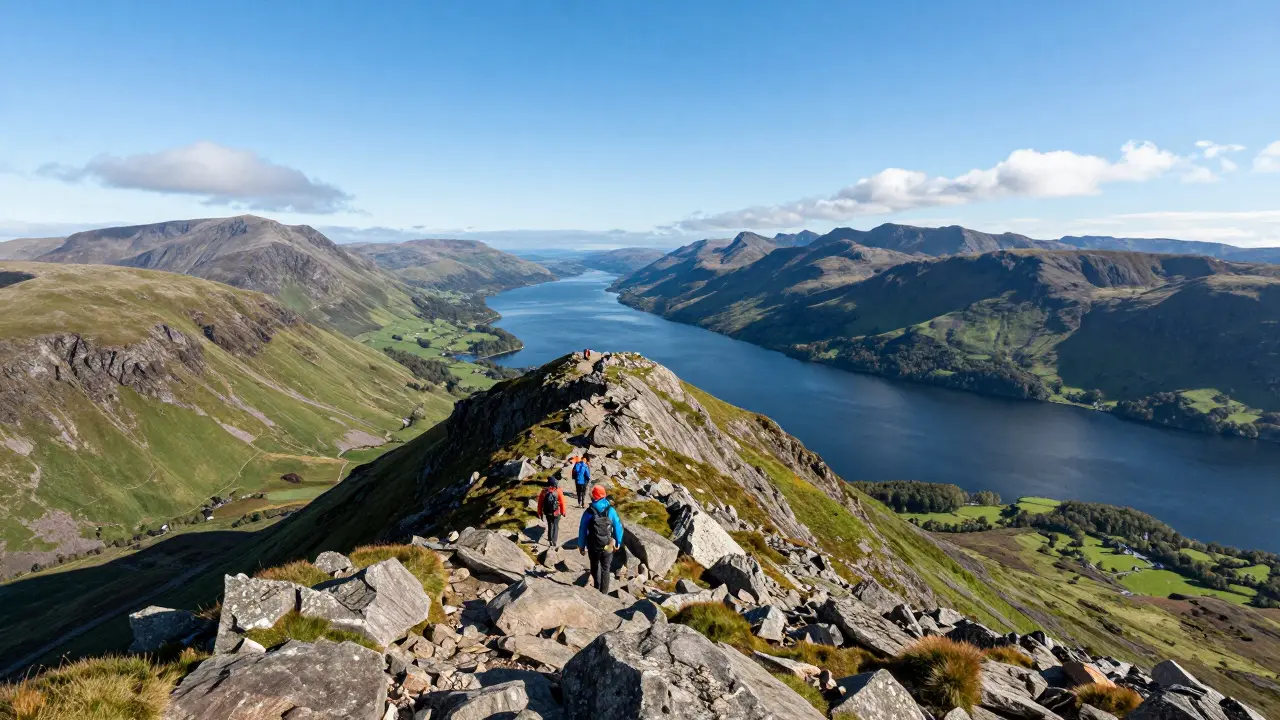
Walking up a mountain for the first time can feel like a massive leap, especially when you're staring at the rugged peaks of the Highlands. But you don't need to drive six hours to the Far North to experience the thrill of a summit. Just a short trip from the city center, you'll find some of the most accessible high peaks in the country. If you've ever wondered if you're "fit enough" for a Munro, these specific hills are exactly where you should start.
Quick Tips for Your First Ascent
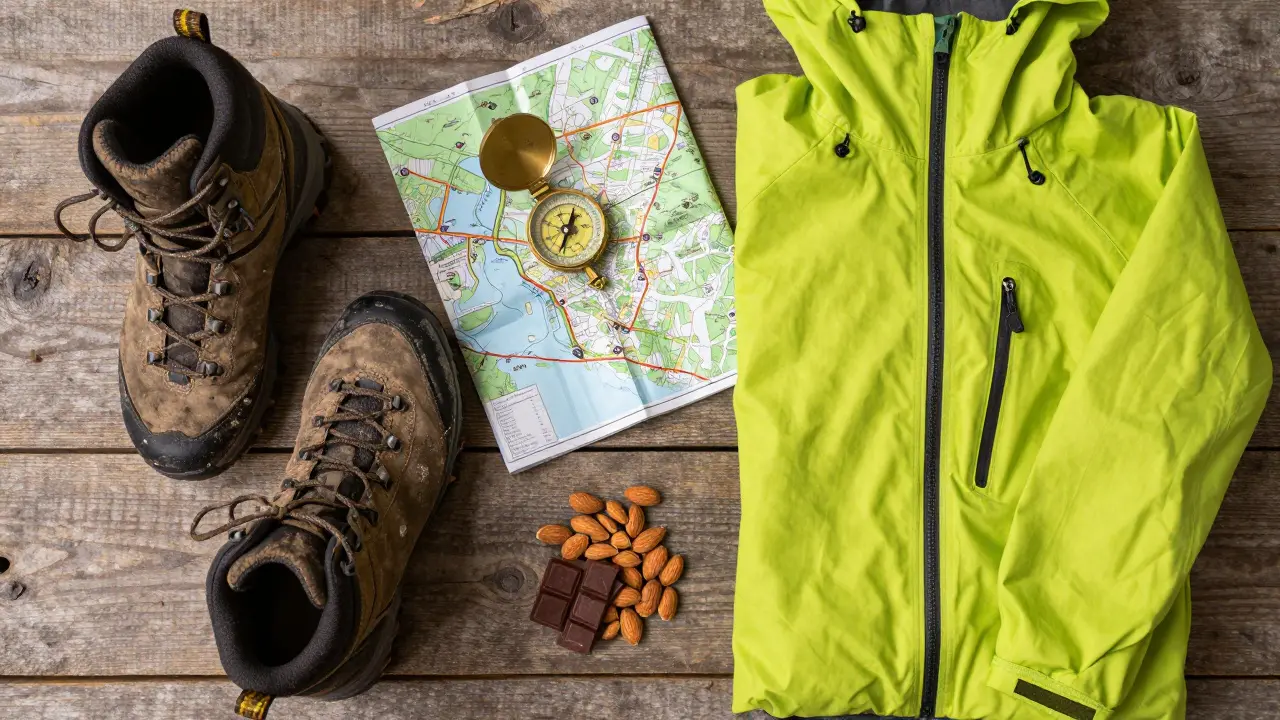
- Footwear: Waterproof boots with ankle support are non-negotiable; the terrain is often boggy.
- Gear: Carry a physical map and compass, as phone signal drops the moment you leave the car park.
- Timing: Start early (before 9 AM) to avoid the crowds, especially on weekends.
- Weather: Check the Mountain Weather Information Service (MWIS) before you leave.
What Exactly is a Munro?
Before we hit the trails, let's clear up the terminology. In the hiking world, Munro is a mountain in Scotland with a height over 3,000 feet (914.4 meters). Named after Sir Hugh Munro, who first compiled the list in 1891, bagging these peaks has become a national obsession. For a beginner, starting with beginner Munros is the smartest way to build stamina without getting in over your head.
Ben Lomond: The Most Popular Peak in Scotland
If you're looking for the "classic" experience, Ben Lomond is one of the most climbed mountains in the UK, located in the Trossachs. It's an ideal starter because the path is well-defined and the reward at the top is a panoramic view of Loch Lomond that looks like a painting. The ascent reaches 974 meters and offers a variety of routes depending on how much you want to challenge your legs.
The most common route starts from the village of Rowardennan. Be warned: the "tourist path" can be a bit of a slog because it's heavily eroded, making it rocky and uneven. If you want a smoother ride, take the detour through the forest. Once you hit the ridge, the terrain opens up, and you'll feel the wind pick up. It's a great way to get used to the exposure of a high summit without facing technical cliffs.
One common mistake people make here is underestimating the descent. Going down is where most injuries happen, as tired muscles make you clumsy on the rocks. Take your time and focus on your footing. If you're lucky, you'll spot some golden eagles circling the peak-a common sight in this part of the Scottish Highlands.
The Arrochar Alps: A Rugged Introduction
Further west, near the village of Arrochar, lies a cluster of peaks known as the Arrochar Alps. Unlike the gentle slopes of some Lowland hills, these peaks are steeper and feel more "alpine." They are perfect for those who want to move past the basics and experience a bit more drama in the landscape. The two main targets here are Ben Arthur and Ben Lui.
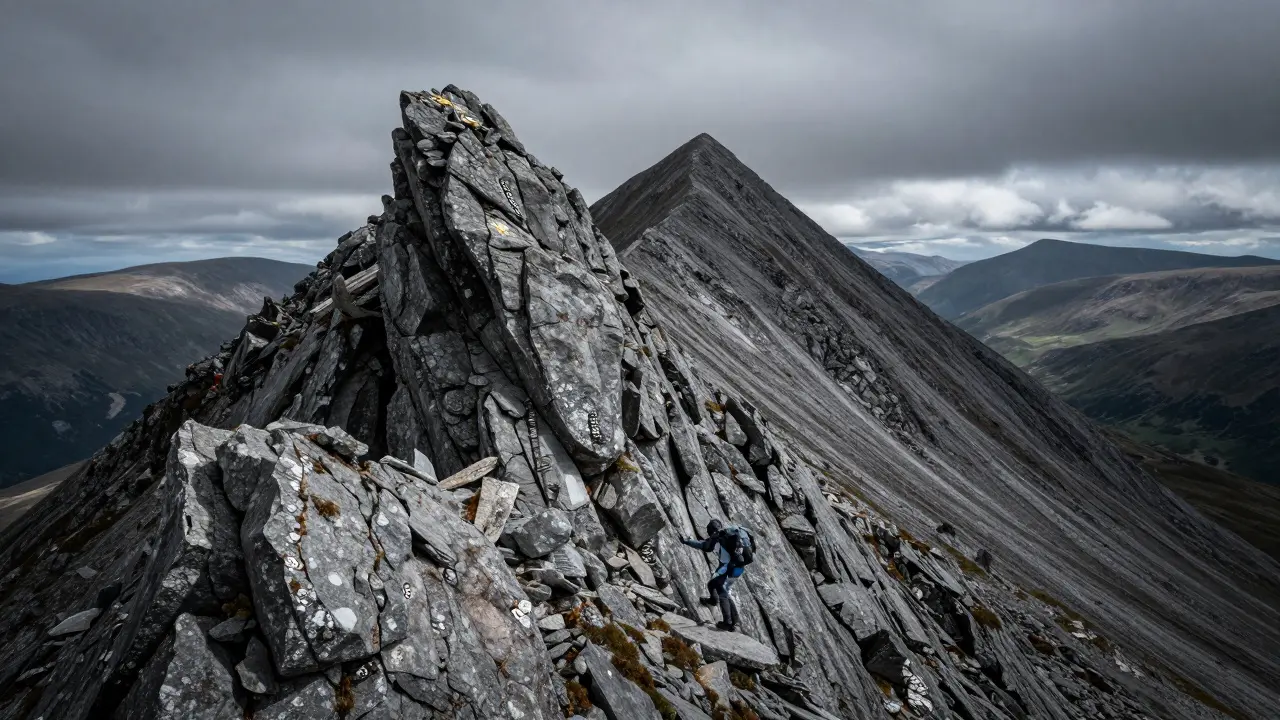
Ben Arthur (also known as the Cobbler) is technically not a Munro-it's a Corbett-but it's essential for any beginner. Why? Because it teaches you how to navigate rocky terrain. The "Cobbler's Chair" at the summit is a natural rock formation where hikers often spend the night in bivouac bags. It's a fantastic spot to practice your balance and get comfortable with heights.
For those ready for a full 3,000-footer, Ben Lui is the star of the show. It's a steep climb that will definitely make your calves burn, but the views over the Glen Slochans are unmatched. It's less crowded than Ben Lomond, giving you that feeling of wilderness that makes mountain hiking so addictive. Just remember that the approach through the glen can be incredibly wet, so gaiters are your best friend here.
| Peak | Height | Difficulty | Key Feature | Crowd Level |
|---|---|---|---|---|
| Ben Lomond | 974m | Moderate | Loch Views | Very High |
| Ben Arthur | 839m | Moderate/Hard | Rocky Summit | Medium |
| Ben Lui | 1,116m | Hard | Wilderness Feel | Low |
Essential Gear for the Highlands
You don't need professional mountaineering gear for these hills, but you do need the basics. The weather in Scotland is famous for changing in five minutes. You might start in sunshine and end up in a white-out of mist. Layering is the secret. A moisture-wicking base layer, a fleece for warmth, and a waterproof shell to block the wind and rain will keep you safe.
Don't forget about nutrition. Your body burns a huge amount of energy during a Munro ascent. Pack high-calorie snacks like nuts, chocolate, and dried fruit. A simple ham sandwich and a liter of water are the minimum requirements for a day trip. Many hikers also carry a small first-aid kit with blister plasters-because nothing ruins a hike faster than a heel blister.
Navigating the Terrain
While Ben Lomond has clear markers, the Arrochar Alps can be trickier. Learning to use a OS Map (Ordnance Survey) is a skill every hiker should acquire. Understanding contour lines-the brown lines that show the steepness of a hill-helps you plan a route that avoids the most grueling climbs.
If you're not confident with a map, there are several apps available, but remember that batteries die in the cold. Always have a physical backup. A good rule of thumb is to follow the "path of least resistance" when ascending, but stay aware of your surroundings so you don't accidentally wander into a peat bog. These bogs are common in the Arrochar region and can act like quicksand if you're not careful.
When to Go and What to Expect
Spring (April to June) is generally the best time for beginners. The days are longer, and the weather is slightly more predictable. However, be mindful of the "spring thaw," where snow on the higher peaks can make the descents slippery and dangerous. Summer is the busiest season, meaning parking lots fill up by 8 AM. If you enjoy solitude, try a crisp October morning when the heather turns a deep purple.
Expect to spend 6 to 8 hours on the mountain. This includes the climb, a break at the top, and the descent. If you're hiking in a group, move at the pace of the slowest person. The goal isn't to race to the top; it's to enjoy the process and get back safely. The sense of achievement you feel when you finally stand on a summit is a powerful motivator that will keep you coming back for more.
Do I need special training to climb Ben Lomond?
No formal training is required, but a basic level of fitness is helpful. If you can walk for three hours on flat ground, you can likely handle Ben Lomond, provided you take frequent breaks and wear the right gear.
Is Ben Arthur actually a Munro?
No, Ben Arthur (The Cobbler) is a Corbett, meaning it is between 2,500 and 3,000 feet. While not a Munro, it is highly recommended for beginners because of its challenging but rewarding rocky summit.
How far are these mountains from Glasgow?
Both Ben Lomond and the Arrochar Alps are roughly a 1 to 1.5-hour drive from Glasgow city center, making them perfect for a day trip.
What is the best time of day to start the hike?
Starting between 7 AM and 9 AM is ideal. This ensures you have plenty of daylight for the descent and helps you secure a parking spot, which can be very competitive on Ben Lomond.
Are there toilets and facilities at the start points?
Most trailheads have basic parking lots. Some have portable toilets, but they are not guaranteed. It's always best to use facilities in the nearest village before heading to the car park.
Next Steps and Troubleshooting
Once you've ticked off Ben Lomond and Ben Arthur, you might feel a pull toward more challenging peaks. If you found Ben Lui too difficult, try some of the smaller "hills" in the Trossachs to build your confidence. If the rocky terrain of the Cobbler felt easy, you're ready to explore the more technical ridges of the Cairngorms.
If you get lost in the mist, the most important rule is: stop and stay calm. Use your compass to find your bearing or wait for the cloud to break. Never attempt to "guess" the way down a steep slope, as this is how many hikers end up in dangerous gullies. If you're feeling overwhelmed, don't be afraid to turn back. The mountain will always be there tomorrow, but your safety comes first.
Comments (7)
-
Colby Havard April 21, 2026
The pursuit of the summit is, in essence, a reflection of the human struggle for transcendence... However, one must wonder if the "national obsession" with bagging peaks is merely a superficial exercise in ego; rather than a genuine communion with nature... It is a moral imperative to respect the mountain, not treat it as a checklist!

-
Amy P April 22, 2026
Oh my god, the Cobbler's Chair sounds absolutely magical! I can just imagine the stars reflecting off the landscape while huddled in a bivouac bag! Totally breathtaking!

-
Mark Nitka April 23, 2026
Let's be real, Ben Lomond is a total zoo on weekends. If you actually want to enjoy the hike without being in a human conveyor belt, just head to the Arrochar Alps from the start. It's a better experience for everyone involved.

-
Mongezi Mkhwanazi April 25, 2026
It is truly disheartening to observe the modern hiker's reliance on digital interfaces... as if a glowing screen could possibly replace the ancestral intuition of a physical map... those who cannot navigate by the stars or the contours of the land are merely tourists in a wild world... utterly lost in their own arrogance...!

-
Kelley Nelson April 25, 2026
One finds it quite amusing that these are labeled as "beginner" peaks. While they may suffice for the casual walker, they lack the genuine rigor and prestige associated with the more technical massifs of the Cairngorms. It is a quaint introduction, I suppose.

-
Aryan Gupta April 25, 2026
Notice how the "official" weather services always seem to downplay the risks right before a major incident occurs. It's a pattern. Also, your use of "painting" as a simile is cliché and logically inconsistent with the actual visual spectrum of the Highlands.

-
adam smith April 27, 2026
This is a very nice list. I appreciate the help.
