
Accessible Travel Scotland: Easy Adventures for Everyone
When we talk about accessible travel Scotland, travel designed so people of all abilities can explore freely, with minimal barriers and clear support. Also known as inclusive tourism Scotland, it’s not just about ramps and elevators—it’s about thoughtful design, quiet spaces, and real understanding from local services. Whether you use a wheelchair, a mobility scooter, a cane, or just need more time to move through a place, Scotland has been quietly getting better at letting everyone in.
Many of Scotland’s top spots—like the Royal Botanic Garden Edinburgh, a free, sprawling garden with smooth paths, benches every few hundred feet, and maps designed for easy navigation—now offer dedicated routes that avoid steps and steep slopes. Even historic places like Eilean Donan Castle, a dramatic island fortress that once guarded the Highlands, have added accessible walkways and viewing platforms so you don’t need to climb to see the views. And it’s not just castles. Places like Tain Beach, a quiet stretch of coast where you can spot dolphins from level ground, offer mobility-friendly access, with firm sand and clear signage so you can sit, watch, and relax without needing to navigate rough terrain.
What makes accessible travel in Scotland different isn’t just the infrastructure—it’s the attitude. Staff at farmers’ markets, distilleries, and small guesthouses are often trained to help without making you feel like a project. You’ll find picnic areas with height-adjustable tables near Dawyck Botanic Garden, a hidden gem with ancient trees and wide, flat trails perfect for slow, peaceful walks. Even remote spots like Hermitage Castle, a crumbling fortress in the Borders with a haunting history, now offer guided tours with seated stops and audio descriptions for those who can’t climb the ruins.
You don’t need to sacrifice beauty for accessibility here. The low-level walks in the Borders and Dumfries and Galloway, the gentle trails around Fife’s fishing villages, and the calm shores of Ayrshire—all of these are designed with comfort in mind. Even the weather works in your favor: on rainy days, Edinburgh’s indoor attractions like the Camera Obscura and cozy cafes offer shelter without crowds or confusion.
There’s no one-size-fits-all solution, but Scotland’s approach is simple: if you can get there, you should be able to experience it. That’s why you’ll find mobility scooter rentals at major visitor centers, tactile maps at museums, and quiet hours at popular sites to avoid noise overload. This isn’t about ticking boxes—it’s about making sure your trip feels like an adventure, not a challenge.
Below, you’ll find real stories, tips, and guides from people who’ve traveled Scotland with mobility needs—whether they’re using a scooter, a walker, or just need a place to rest often. From pet-friendly castles with flat grounds to distilleries with step-free tasting rooms, these posts show you exactly where to go, what to expect, and how to plan ahead so your trip is smooth, safe, and full of moments that stick with you.
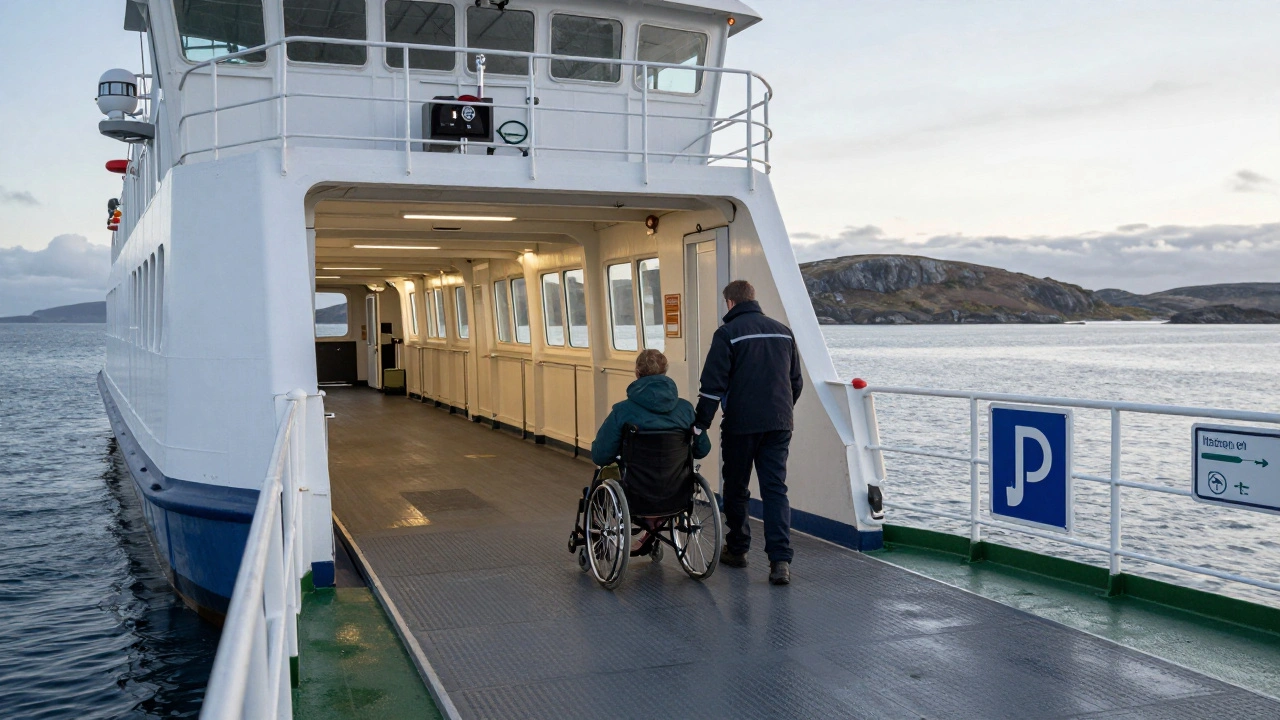
Accessible Stays on the Islands: Ferries, Rooms, and Terrain
Caleb Drummond Dec 6 13Discover how to plan an accessible island getaway in Scotland with reliable ferries, truly wheelchair-friendly rooms, and improved terrain paths. Learn what to ask for and where to go for a stress-free stay.
More Detail