
Ever looked at your patch of grass in Dundee or Edinburgh and wondered why the bees seem so confused? You’re not alone. For decades, we’ve treated our gardens like sterile extensions of our living rooms-manicured lawns, exotic shrubs that need constant pampering, and little room for actual life. But here’s a hard truth: a perfectly tidy lawn is often a biological desert. If you want to help save Scotland’s declining pollinator populations while making your own maintenance chores easier, you need to stop fighting nature and start working with it.
| Metric | Traditional Garden | Native-First Garden |
|---|---|---|
| Water Usage | High (requires irrigation) | Low (rain-fed resilience) |
| Pollinator Visits | Low (limited food sources) | High (continuous bloom cycle) |
| Maintenance Time | High (mowing, pruning) | Medium (seasonal cutting) |
| Biodiversity Index | Low | High |
Why Native Plants Matter More Than You Think
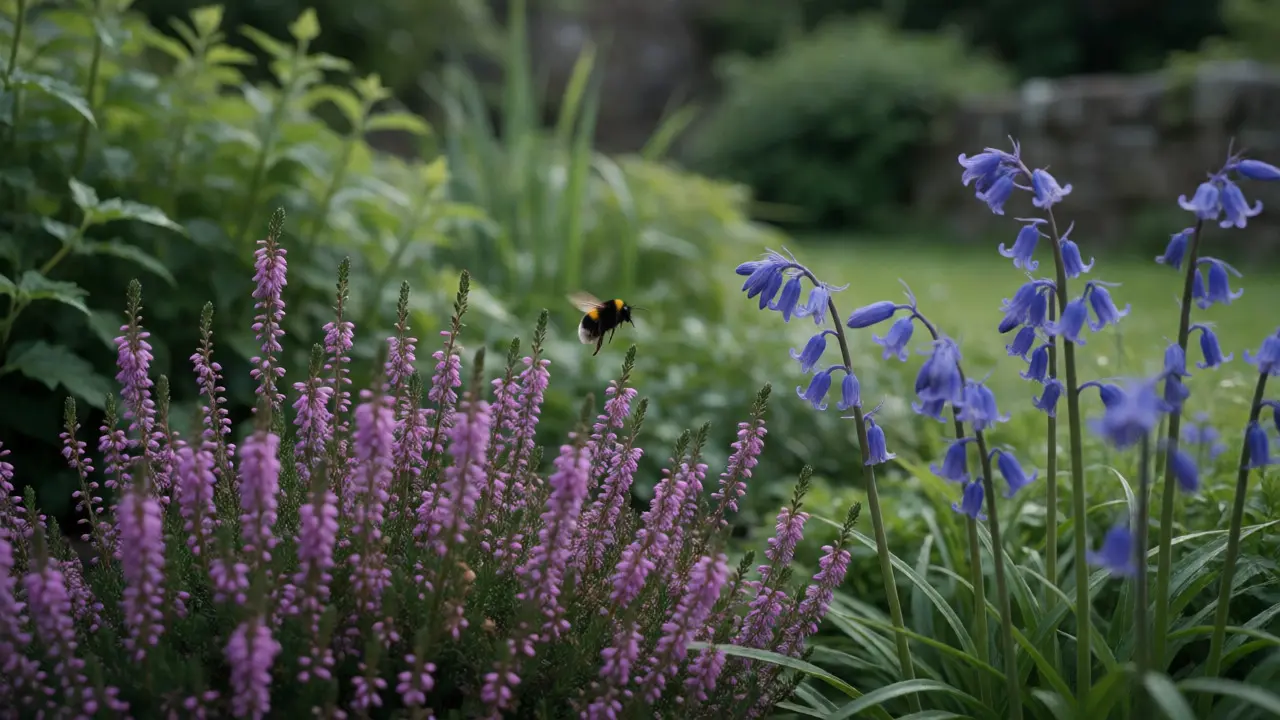
It’s tempting to grab a pot of bright red geraniums from the local supermarket because they look cheerful. But native plants are species that have evolved alongside local wildlife for thousands of years. They aren’t just pretty; they are the infrastructure of our ecosystem. In Scotland, this means plants like Heather (Calluna vulgaris) and Bluebell. These plants have specific relationships with local insects. A bumblebee might visit a non-native flower out of curiosity, but it often can’t extract enough nectar to survive, or worse, the plant doesn’t produce pollen at all.
Think of it like charging your phone. You can try to charge an iPhone with a random Android cable. It might fit physically, but it won’t work efficiently. Native plants are the correct charger for Scottish wildlife. When you plant them, you’re providing the exact fuel source that bees, butterflies, and hoverflies need to thrive. This isn’t just about saving the bees for their sake; it’s about ensuring your tomatoes, apples, and beans actually get pollinated. Without these insects, your harvest drops dramatically.
The Scottish Climate Is Your Secret Weapon
People often complain about the rain and wind in Scotland, calling it bad weather. From a gardening perspective, it’s actually excellent conditions for sustainability. Most popular ornamental plants come from sunny, dry climates like California or South Africa. They hate our dampness. Native Scottish plants love it. They are adapted to our acidic soils, our cool summers, and our wet winters.
This adaptation means you spend less time worrying about frost damage or drought stress. Once established, a bed of Foxglove (Digitalis purpurea) will self-seed and return year after year without you lifting a finger. Compare that to bedding plants that die every winter and need replacing every spring. The initial cost of native plugs might be slightly higher, but over five years, you’ll save hundreds of pounds on replacement plants, fertilizers, and water bills.
Building a Pollinator Highway
Bees and butterflies don’t see fences. They move across neighborhoods in search of food. If your neighbor has a bare lawn and you have a jungle of natives, you create a pocket of biodiversity. But if everyone does it, you create a corridor-a "pollinator highway." This concept is crucial in urban areas like Glasgow or Aberdeen, where green space is fragmented.
You don’t need acres of land. Even a balcony box can make a difference. The key is continuity. You need something flowering from March to October. Here is a simple seasonal plan for a Scottish climate:
- Early Spring (March-April): Plant Crocus and Snowdrops. Queen bumblebees emerge hungry in early spring, and these are among the first flowers to open.
- Late Spring (May-June): Introduce Comfrey and Borage. These are magnets for solitary bees and provide abundant nectar.
- Summer (July-August): This is peak season. Use Red Clover and Yarrow. They attract hoverflies, which are voracious predators of aphids, helping your vegetable patch naturally.
- Autumn (September-October): Don’t forget the end of the season. Ivy is critical here. It provides the last major food source before winter hibernation. Many people prune ivy too early, starving the late-season pollinators.
Rethinking the Lawn
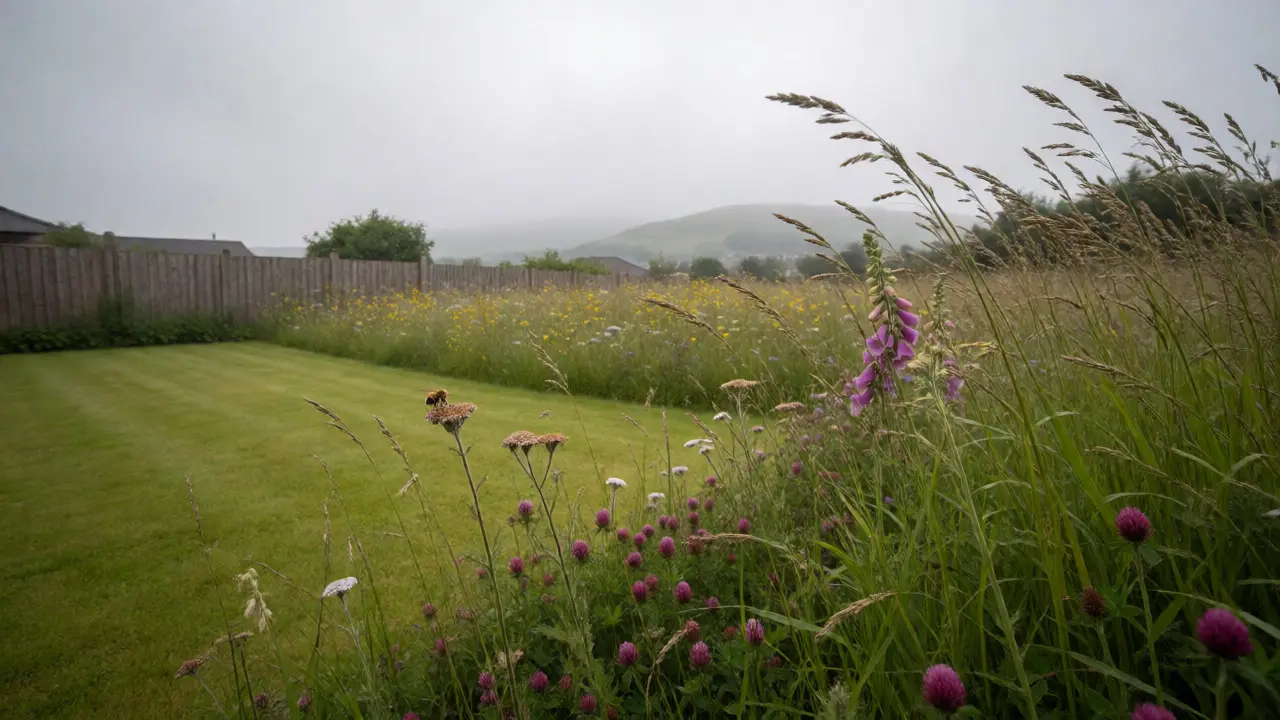
Let’s address the elephant in the room: the lawn. We are culturally conditioned to believe that short, green grass equals a good garden. But mowing your lawn once a week kills millions of tiny flowers like daisies and clover that would otherwise feed bees. Have you ever tried mowing a field? It’s exhausting. Why do we do it to ourselves?
Try reducing your lawn area by half. Convert the other half into a wildflower meadow or a shrub border. If you must keep some grass, adopt "No Mow May" or cut less frequently. Let the grass grow taller. Taller grass retains moisture better during those rare hot spells in July and provides shelter for small mammals like hedgehogs. In my own garden in Dundee, I stopped mowing the back strip entirely. Within two seasons, I had foxgloves, poppies, and a noticeable increase in bee activity. My neighbors initially looked at it sideways, but now they ask how I did it.
Soil Health Starts Above Ground
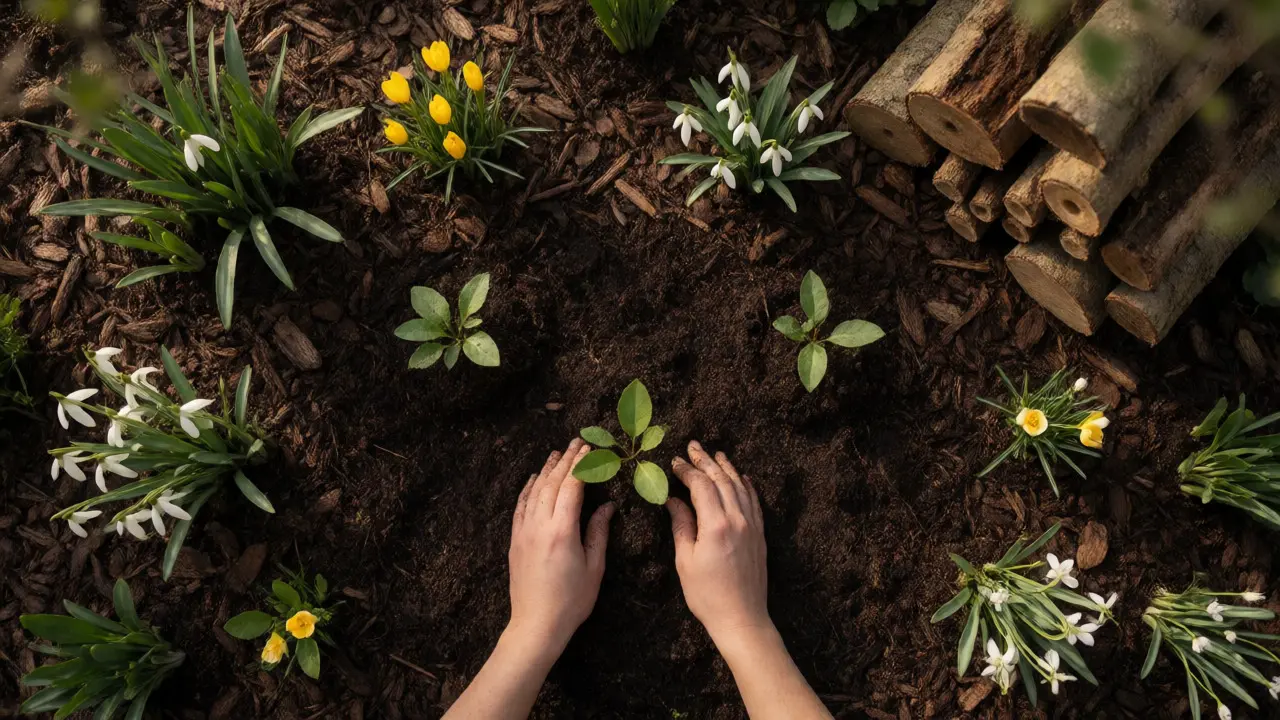
You cannot have healthy plants without healthy soil. In sustainable gardening, we treat soil as a living organism, not just dirt to hold roots. Synthetic fertilizers give a quick boost but degrade soil structure over time. Instead, focus on mulching. Cover your soil beds with organic matter-compost, leaf mold, or even wood chips. This keeps the soil moist, suppresses weeds, and feeds the earthworms and fungi below.
Avoid peat compost. Peatlands are one of Scotland’s most important carbon sinks. Digging up peat releases massive amounts of CO2 into the atmosphere. With the recent bans on peat sales in the UK, switching to peat-free alternatives is no longer optional-it’s essential. Look for coir-based or bark-based composts. They perform just as well if you add a bit of patience. Your plants will thank you, and so will the planet.
Common Mistakes Beginners Make
When starting out, enthusiasm can lead to mistakes. The biggest one is planting everything at once. Native plants establish slowly. They spend their first year putting down deep roots before they put on a big show above ground. Be patient. Another common error is using pesticides. Even organic sprays can harm beneficial insects. If you have aphids, wait a week. Ladybirds usually arrive shortly after to eat them. Nature balances itself if you let it.
Also, check your seed packets. Ensure they are sourced from within the UK or specifically marked as Scottish-grown. Seeds imported from continental Europe may contain varieties that are not genetically suited to our specific climate zones. Local provenance matters. Organizations like Plantlife Scotland offer guidance on sourcing appropriate seeds.
Practical Steps to Start Today
You don’t need to tear up your whole garden tomorrow. Start small. Pick one corner. Remove the invasive weeds or the tired-looking shrubs. Loosen the soil. Plant three types of native perennials that flower at different times. Add a layer of mulch. That’s it. Observe what happens next summer. You’ll likely see more insects than you expected. Then expand.
Consider adding a bug hotel or a simple pile of logs in a quiet corner. Solitary bees nest in hollow stems or underground holes. They don’t swarm, so there’s no risk of stings. Just a few square meters of undisturbed ground can support dozens of species. Sustainable gardening isn’t about perfection; it’s about participation. Every plant you choose is a vote for the kind of world you want to live in.
Do native plants attract pests?
Not necessarily more than non-natives. While any plant can get pests, native plants are part of a balanced ecosystem. They attract natural predators like ladybirds and lacewings that control pest populations. Non-native plants often lack these predator relationships, leading to unchecked infestations.
Is it legal to let my lawn go wild in Scotland?
Yes, generally. However, if you live in a tenement flat with shared grounds or a housing association property, check your lease or community rules. Some councils have bylaws regarding long grass near roads for visibility reasons. Always communicate with neighbors to avoid misunderstandings.
Where can I buy genuine native plants in Scotland?
Look for nurseries certified by the Royal Horticultural Society (RHS) or members of the British Association of Landscape Industries (BALI). Specialized suppliers like Scottish Wildflowers or local independent garden centers often stock locally sourced stock. Avoid large chain stores unless they clearly label the origin.
How long does it take to see results?
You may see annuals flower in the first year, but perennial natives often take two to three years to fully establish and spread. Insect populations typically increase noticeably within the second growing season as the habitat matures.
Does sustainable gardening save money?
In the long term, yes. You save on water bills, fertilizer costs, and plant replacements. Initial setup costs can be similar to traditional gardening, but maintenance costs drop significantly after the first two years.
Comments (13)
-
Bonnie Watt September 10, 2026
oh great another guilt trip about my lawn i bet you havent even tried to keep it tidy in the scottish rain because its impossible and now we all have to feel bad for wanting a clean yard

-
Chris Neal September 11, 2026
Technically speaking, the correlation between manicured lawns and pollinator decline is often overstated in popular media. While native plants are superior for specific specialist insects, generalist pollinators like honeybees actually thrive on the diverse floral resources found in traditional mixed gardens. The 'biological desert' claim ignores the fact that many ornamental shrubs provide critical nectar sources during mid-summer gaps when natives might not be blooming. Furthermore, the maintenance argument is flawed; mowing is a low-energy activity compared to the labor-intensive process of managing wildflower meadows which require precise cutting schedules to prevent scrub encroachment. You are essentially trading one type of work for another while potentially reducing the aesthetic value of the property.

-
Elisabeth Ballet September 13, 2026
You're missing the bigger picture here Chris! It's not just about honeybees or aesthetics, it's about building resilient ecosystems from the ground up.
When you plant natives, you're supporting the entire food web, not just the bees. Think about the caterpillars that need those specific leaves to survive into butterflies. If we all stick to safe, sterile choices, we lose the complexity that makes nature beautiful and functional. Don't let perfectionism stop you from starting small!

-
Alyson Karson September 14, 2026
YES!! exactly elisabeth! dont let the know-it-alls discourage u!! i started with just one patch of clover last year and omg the difference was insane!! 🐝🌼
its so easy u literally just stop mowing part of ur yard and boom flowers appear. no fancy tools needed. go do it!! u got this!!

-
Joanna Mucha September 15, 2026
The romanticization of 'wildness' is a distinctly modern, bourgeois affectation. We impose our desire for control onto nature, labeling chaos as disorder and order as beauty, yet in doing so, we sever our ontological connection to the earth. A garden is not merely a collection of plants but a philosophical statement regarding humanity's place within the cosmos. To choose native flora is to accept humility, to acknowledge that we are guests in a system far older and wiser than our fleeting cultural preferences. The resistance to this shift stems not from practicality, but from a deep-seated fear of losing dominion over the natural world.

-
Sabrina Newland September 16, 2026
omg joanna that is so deep 😭💖 i never thought about it like that... like we are just trying to control everything because we are scared?? 🤔
i think its also about community though right? like if everyone does their bit its not just about me feeling better its about us making space for life together 🌿✨

-
Kim Edwards September 17, 2026
I am absolutely SHAKING reading this! The idea that we've been destroying our own backyards for decades out of pure ignorance is TERRIFYING. I looked at my perfectly green, dead lawn yesterday and felt actual grief. Grief for the bees! Grief for the soil! We have been living in a lie, folks. A beautiful, manicured lie. And now, thanks to this post, I realize I must tear up every single blade of grass before summer ends. The stakes have never been higher. My heart is pounding just thinking about the transformation ahead.

-
Dave Gibbeson September 17, 2026
Love the energy Kim! But don't panic. You don't need to rip it all up overnight.
Start with one section. Maybe the edge near the fence where nobody looks closely. Plant some foxgloves there next spring. They self-seed like crazy and look dramatic enough to satisfy your urge for change without overwhelming you. Small steps lead to big changes. You can do this!

-
Meagan Mueller September 19, 2026
watch out for the seed companies theyre selling imported stock that wont survive our winters and they know it they want us to buy more next year its a racket mark my words

-
Amara Akbar September 20, 2026
It is indeed prudent to remain vigilant regarding commercial interests, Meagan. However, I would encourage you to view this transition not as a burden, but as an opportunity for personal growth and environmental stewardship.
Every small action contributes to the greater good. Please remember to be kind to yourself during this learning process. There is no shame in starting slowly. Your efforts, no matter how modest they may seem, are valuable contributions to our shared ecosystem.

-
Art HND September 21, 2026
pesters are worse than weeds. native plants attract slugs. end of story.

-
Mark Harvey September 22, 2026
slugs arent that bad honestly once you get past the initial shock. plus birds eat them eventually. give it time and trust the process. youll find a balance

-
Courtney Wagstaff September 23, 2026
honestly i just love watching the hoverflies buzz around the yarrow. its like having tiny helicopters in your backyard. totally worth the messiness. 🚁🌸
