
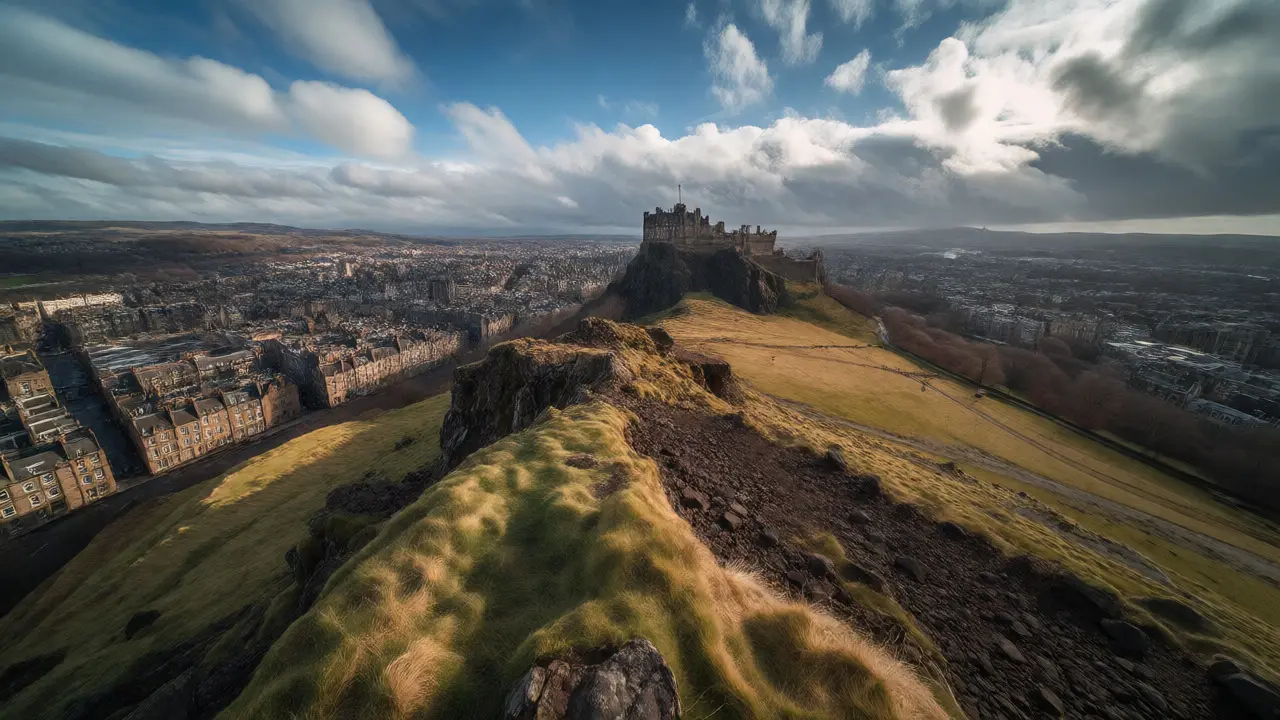
You’ve walked the Royal Mile. You’ve seen the castle from below. But have you actually climbed the volcano that sits in the middle of your city? Holyrood Park is not just a park; it’s a 650-acre wild space right next to Edinburgh Castle, dominated by the extinct volcano Arthur’s Seat. If you skip this, you’re missing the best view in Scotland.
Most tourists walk past the gates because they assume it’s just another green space with benches. They’re wrong. This place is rugged, windy, and historically loaded. It contains ancient fortifications, medieval field systems, and a hill that offers a 360-degree panorama of the city, the Firth of Forth, and the Pentland Hills. Whether you want a quick 20-minute stroll or a two-hour hike, there’s a route for you. Here is how to tackle the three main attractions: Arthur’s Seat, Salisbury Crags, and the various walking loops without getting lost or exhausted.
Why Holyrood Park Is Different From Your Average City Green
Let’s be clear about what this place is. Holyrood Park is a Site of Special Scientific Interest (SSSI) managed by Historic Environment Scotland. It is not maintained like Princes Street Gardens. There are no manicured lawns here. The terrain is volcanic rock, grassy slopes, and boggy paths.
The park surrounds Holyrood Palace, the official residence of the British monarch in Scotland. Because of this royal connection, access can sometimes be restricted during state visits, but generally, it is open to the public year-round. The landscape was shaped by volcanic activity over 350 million years ago. That means when you stand on top of Arthur’s Seat, you are standing on the remains of a massive eruption. The basalt columns at Salisbury Crags are evidence of lava flows cooling into geometric shapes. This isn’t just scenery; it’s geology class with a view.
People often ask if they need special gear. Do you need hiking boots? Not necessarily, unless it has been raining heavily for days. Sturdy trainers are fine for most paths. But do not wear flip-flops or high heels. The ground is uneven, slippery, and full of loose stones. Treat it like a rural trail, not a sidewalk.
Tackling Arthur’s Seat: The Main Event
Arthur’s Seat is the highest point in the park at 251 meters (823 feet). It is the iconic backdrop to every postcard of Edinburgh. Climbing it is the primary reason most people visit.
There are two main ways up. Choose wisely based on your fitness level and weather conditions.
- The Dunsapie Hill Route (Easier): Start from the Queen’s Drive car park or the path near Holyrood Palace. Follow the wide gravel path uphill. This route is gentler, wider, and safer in bad weather. It takes about 20-30 minutes to reach the summit area. It’s suitable for families with children who can handle some incline.
- The Direct Climb (Harder): From the bottom of Holyrood Road, look for the steep stone steps leading up through the trees. This path is steeper, more direct, and can be muddy. It takes about 15-20 minutes for fit walkers. In winter or rain, this path becomes treacherous due to ice and mud. Avoid it if you are afraid of heights or slipping.
Once you reach the top, don’t stop immediately. Walk around the crater rim. The views are different on each side. To the west, you see the Castle Rock and the Old Town. To the east, the sea and the island of Inchkeith. To the north, the New Town grid. To the south, the Pentland Hills. Take photos, but watch your step. The edges are unfenced in places, and the wind can be strong enough to knock a small child over.
A common mistake is trying to climb Arthur’s Seat in heavy fog. If visibility drops below 50 meters, turn back. The paths disappear, and navigation becomes difficult. Check the weather forecast before you go. Wind speeds over 40 mph make the summit uncomfortable and potentially dangerous.
Salisbury Crags: The Dramatic Cliff Face
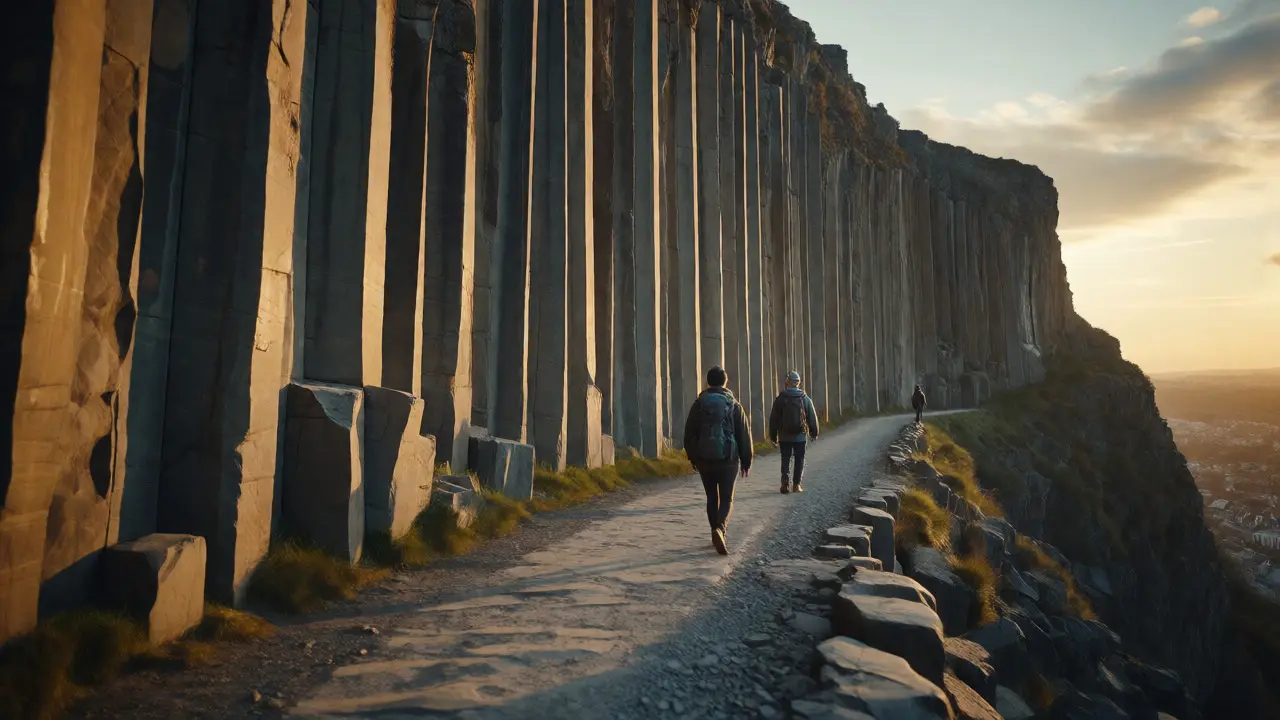
If Arthur’s Seat is the peak, Salisbury Crags is the dramatic cliff face running along its southern base. These vertical basalt columns were formed by volcanic fissures and later quarried for building materials until the mid-19th century.
The crags are famous for two reasons. First, they offer one of the most photographed viewpoints in the city. Second, they are a popular spot for rock climbing and bouldering. You will often see climbers scaling the lower sections even on busy weekends.
For visitors, the key feature is the Radical Road. This is a flat, wide path that runs horizontally across the face of the crags. It provides easy access to stunning views without any climbing required. You can start from the Holyrood Palace end or walk down from the Dunsapie Hill route. The Radical Road is paved in some sections and gravel in others, making it accessible for wheelchairs and strollers in good weather.
Walk along the Radical Road towards the west. You’ll pass under natural rock arches and see the sheer drop-off. It feels like you are walking on a ledge hanging over the city. This path connects directly to the Holyrood Palace gardens, so you can combine a palace tour with a crag walk easily.
Choosing Your Walking Loop: Short vs. Long
Not everyone wants to climb to the summit. Holyrood Park offers several loops depending on time and energy. Here are the three most practical options for tourists.
| Route Name | Distance | Time Estimate | Difficulty | Best For |
|---|---|---|---|---|
| The Palace Loop | 1 km | 15 mins | Easy | Families, Wheelchair users, Quick break |
| The Crag Walk | 2.5 km | 45 mins | Moderate | Views without climbing, Photographers |
| The Full Summit Circuit | 4 km | 1.5 - 2 hours | Challenging | Hikers, Fitness enthusiasts, Best panoramic views |
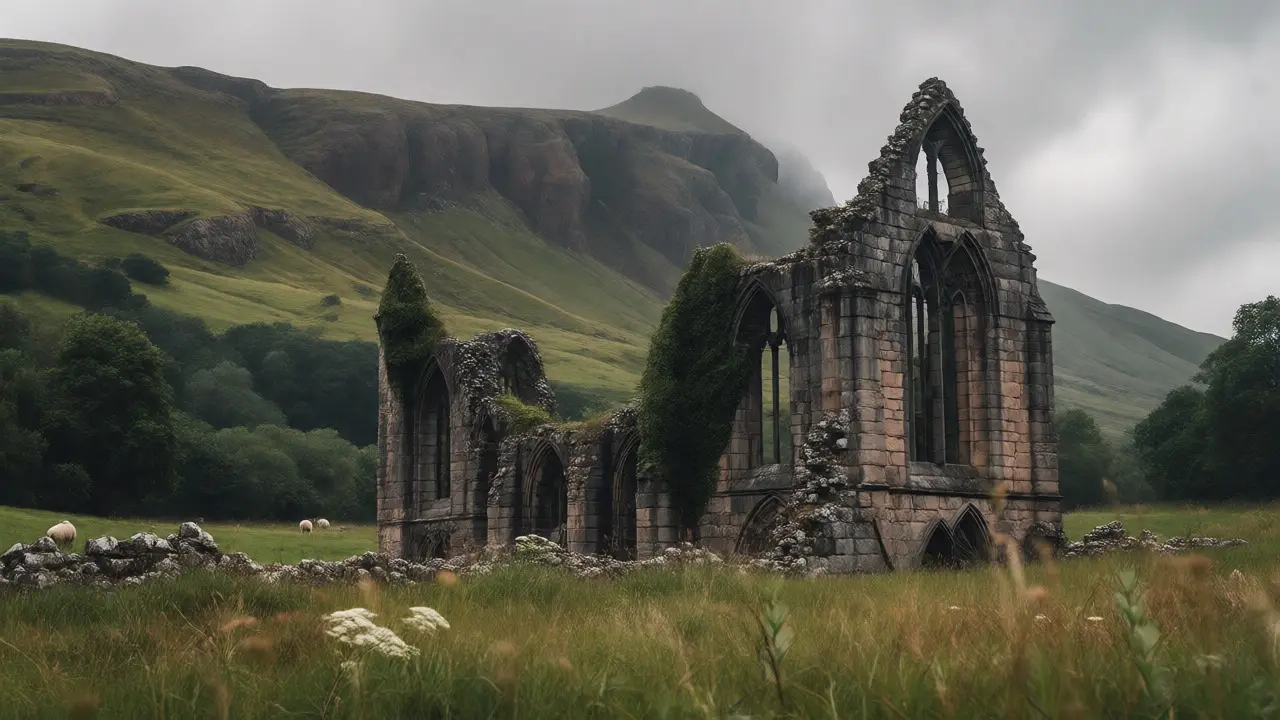
The Palace Loop: Start at the Holyrood Palace gate. Walk around the perimeter of the palace grounds. You’ll see the ruins of Holyrood Abbey, which dates back to 1128. This loop is short, flat, and rich in history. Perfect if you only have 20 minutes between museum visits.
The Crag Walk: Combine the Palace Loop with the Radical Road. Walk along the base of Salisbury Crags, then cut back up via the Dunsapie Hill path to return to the start. This gives you the dramatic cliff views without the strenuous climb to Arthur’s Seat. It’s the sweet spot for many visitors.
The Full Summit Circuit: This is the classic tourist hike. Start at Holyrood Palace, take the direct climb up Arthur’s Seat, walk around the crater, descend via Dunsapie Hill, walk along the Radical Road, and return to the palace. It covers all major highlights. Expect to sweat. Bring water. Wear layers.
Practical Tips for Visiting Holyrood Park
Planning ahead saves you frustration. Here are specific details you need to know.
- Opening Hours: The park is open daily from dawn until dusk. However, the gates may close earlier in winter (around 4 PM in December) and later in summer (up to 9 PM in June). Always check the current closing time if you plan to stay late.
- Access Points: The main entrance is at Holyrood Palace. Other entrances exist from the Queen’s Drive road and from the Holyrood Road bus stops. Public transport is excellent. Buses 2, 35, 11, and 14 stop directly outside the park.
- Facilities: There are limited toilets inside the park. Use the facilities at Holyrood Palace or nearby cafes before entering. There are no shops inside the park. Buy snacks and water beforehand.
- Dogs: Dogs are allowed but must be on a lead near the palace and crowded areas. Off-lead is permitted in open fields, but keep an eye out for sheep and deer. Clean up after them; bins are available near entrances.
- Photography: The best light for photos is early morning or golden hour (just before sunset). Midday sun creates harsh shadows on the rocks. For sunrise, arrive at 7 AM in summer or 8 AM in winter to beat the crowds.
One thing locals rarely tell tourists: the wind. Edinburgh is known as "Auld Reekie," but the wind at Arthur’s Seat is a different beast. It can feel 10 degrees colder than at street level. Even in July, bring a windbreaker. I once saw a man in shorts and a t-shirt shivering uncontrollably at the summit in May. Don’t be that guy.
History and Legends: More Than Just Rocks
While the geology is impressive, the human history is equally compelling. The name "Arthur’s Seat" suggests a link to King Arthur, though historians debate whether he ever set foot here. The legend says the hill is named after him, possibly because it resembles a throne or seat.
The park also holds darker secrets. In 1868, a murder occurred here involving Mary Patterson, whose body was found in a quarry pool. The case became infamous as the "Holyrood Park Murder," highlighting the dangers of the isolated crags in the Victorian era. Today, it’s safe, but the sense of isolation remains.
Additionally, the park contains remnants of medieval agriculture. Look for "rigs and furrows"-ancient plough marks visible in the grass. These date back to the 14th century and show that farming took place right up to the edge of the volcano. It’s a reminder that this land has been used for centuries, long before it became a protected heritage site.
Nearby Attractions to Pair With Your Visit
Holyrood Park doesn’t exist in a vacuum. It’s part of a larger cultural cluster. If you have half a day, combine these activities:
- Holyrood Palace: Tour the apartments of Mary Queen of Scots. It’s right at the park entrance.
- Holyrood Abbey: Free entry. Stunning Gothic ruins. Great for quiet reflection.
- Scottish Parliament: Located just across the road. Modern architecture contrasts sharply with the ancient park.
- Dynamic Earth: A science center focused on planet Earth. Good for kids, located at the foot of the park.
Walking from the Royal Mile to Holyrood Palace takes 15 minutes downhill. Then, spend 1-2 hours in the park. Finish with dinner in the Leith area or back in the Old Town. This itinerary avoids the worst of the tourist crowds on the Royal Mile itself.
Is Arthur’s Seat hard to climb?
It depends on the route. The direct path from Holyrood Road is steep and can be challenging for those with low fitness or mobility issues. The Dunsapie Hill route is much easier, with a gradual incline suitable for most adults and older children. Total ascent is about 250 meters, which is manageable for average fitness levels.
Can I drive into Holyrood Park?
Yes, but parking is extremely limited. The Queen’s Drive car park fills up quickly, especially on weekends and sunny days. Most visitors use public transport or walk from the city center. Driving is not recommended unless you arrive very early in the morning.
Is Holyrood Park free to enter?
Yes, the park itself is completely free to enter. However, visiting Holyrood Palace requires a ticket. The park gates are open from dawn to dusk daily.
What should I wear to visit Arthur’s Seat?
Wear sturdy shoes with good grip. Trainers or hiking boots are ideal. Dress in layers, including a windproof jacket, as the summit is exposed and windy regardless of the season. Avoid sandals or smooth-soled shoes.
Are there toilets in Holyrood Park?
Toilets are limited. There are facilities at Holyrood Palace (paid or free with ticket) and some basic portable toilets near the Queen’s Drive car park. Plan accordingly and use facilities in the city center before heading up.
How long does it take to walk around Salisbury Crags?
Walking the length of Salisbury Crags via the Radical Road takes about 20-30 minutes one way. Combining it with a loop back to Holyrood Palace takes roughly 45 minutes to an hour, depending on pace and stops for photos.