
Why Scottish Museums Are Your New Favorite Classroom
Let’s be honest. Library desks are crowded, coffee shops are expensive, and your dorm room is... well, it’s where you sleep. If you’re a student in Scotland right now, you have access to one of the most generous cultural infrastructures in the world, and you probably aren’t using half of it. The good news? Most major museums in Scotland are completely free to enter. That’s not just a perk; it’s a national policy. But beyond the price tag (or lack thereof), these spaces offer something else crucial for students: quiet corners, reliable Wi-Fi, and inspiration that doesn’t come from a textbook.
Whether you’re cramming for finals, looking for a change of scenery to write an essay, or just trying to stretch your tight budget while exploring culture, this guide breaks down exactly which museums work best for studying, where you can grab cheap food, and how to maximize those student discounts that actually matter.
The Golden Rule: Free Entry Is Real
First, let’s clear up the biggest myth. In Scotland, public museums and galleries funded by the government do not charge admission fees. This applies to everyone-students, tourists, locals. It means you can walk into the National Museum of Scotland in Edinburgh or the V&A Dundee without spending a penny on entry. This policy, established years ago, was designed to make culture accessible. For students, this translates to zero financial barrier to accessing world-class exhibits. You don’t need a student ID to get in, but you’ll need it for other things, like discounted cafes or special workshops.
| Museum | Location | Best For Studying? | Student Perks |
|---|---|---|---|
| National Museum of Scotland | Edinburgh | High (Quiet zones) | Free entry, student cafe discounts |
| V&A Dundee | Dundee | Medium (Design-focused) | Free entry, scenic views, event discounts |
| Kelvingrove Art Gallery & Museum | Glasgow | Low (Crowded) | Free entry, nearby Kelvingrove Park |
| Scottish National Portrait Gallery | Edinburgh | High (Very quiet) | Free entry, small space |
Edinburgh: Where History Meets Homework
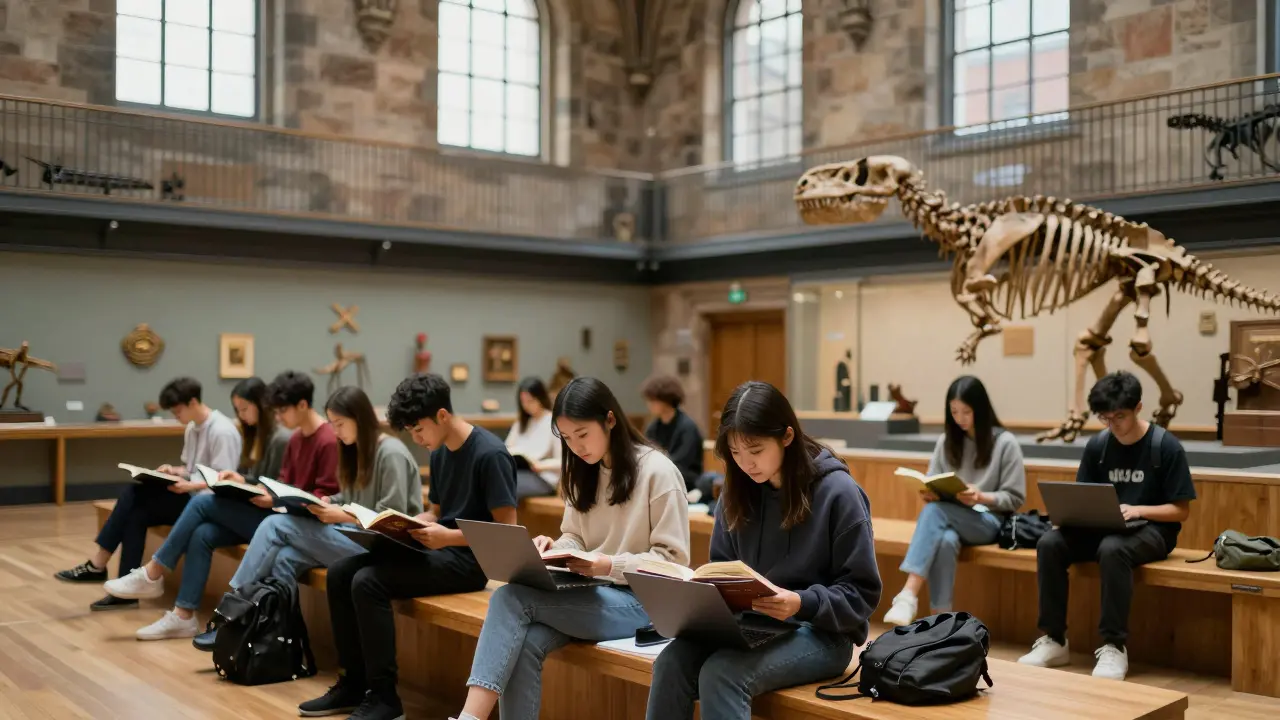
Edinburgh is packed with universities, so its museums are built to handle foot traffic. But that doesn’t mean they’re useless for study. In fact, some of the best quiet spots are hidden in plain sight. The National Museum of Scotland is massive. While the ground floor with the dinosaur skeletons and the transport gallery is always bustling with school groups, the upper floors tell a different story. The World Culture galleries on the third floor often have long benches and fewer visitors. It’s a perfect spot to read through notes or sketch ideas. Just remember to keep your voice down and pack up if a tour group approaches.
If you need absolute silence, head to the Scottish National Portrait Gallery. Located on The Mound, it’s smaller than its neighbor across the street, which works in your favor. There are no large crowds here. The lighting is excellent, and the atmosphere is reverent. It’s not a place to spread out a full desk setup, but it’s ideal for focused reading or reviewing flashcards. Plus, being right next to the Royal Mile means you can easily pop out for a quick break without losing time.
For art students or anyone needing visual inspiration, the Scottish National Gallery offers spacious rooms with high ceilings. The impressionist wing, in particular, has wide aisles and comfortable seating. Many students use this space to critique paintings or simply decompress after a stressful week. The view from the gallery windows overlooks Princes Street Gardens, providing a natural backdrop that helps reduce anxiety.
Glasgow: Industrial Vibes and Creative Spaces
Glasgow’s museum scene is more industrial and modern, reflecting the city’s history. The Kelvingrove Art Gallery & Museum is a landmark building with stunning architecture. However, it’s also one of the most visited attractions in Scotland. During peak hours, finding a quiet seat is nearly impossible. My advice? Go early, around 10 AM on a weekday. The top floor, dedicated to fine art, tends to be quieter. Alternatively, step outside into Kelvingrove Park. The park itself is part of the museum experience, with open-air sculptures and green spaces perfect for laptop work if the weather holds up.
A better bet for serious studying in Glasgow might be the Riverside Museum. Dedicated to transport, it’s located on the south bank of the River Clyde. The building is modern, airy, and less crowded than Kelvingrove. The café here is popular, but there are plenty of tables near the windows where you can watch the river while working. Students from the University of Strathclyde often use this as a secondary workspace. The Wi-Fi is generally strong, and the ambient noise level is low enough for concentration.
Don’t overlook the Gallery of Modern Art (GoMA). Located in George Square, it’s small but impactful. The exhibitions rotate frequently, keeping things fresh. The space is compact, so it’s not ideal for long study sessions, but it’s great for short bursts of creativity or brainstorming. The square outside is also a hub for student activity, making it easy to grab a coffee and continue your work outdoors.
Dundee: Design and Digital Focus
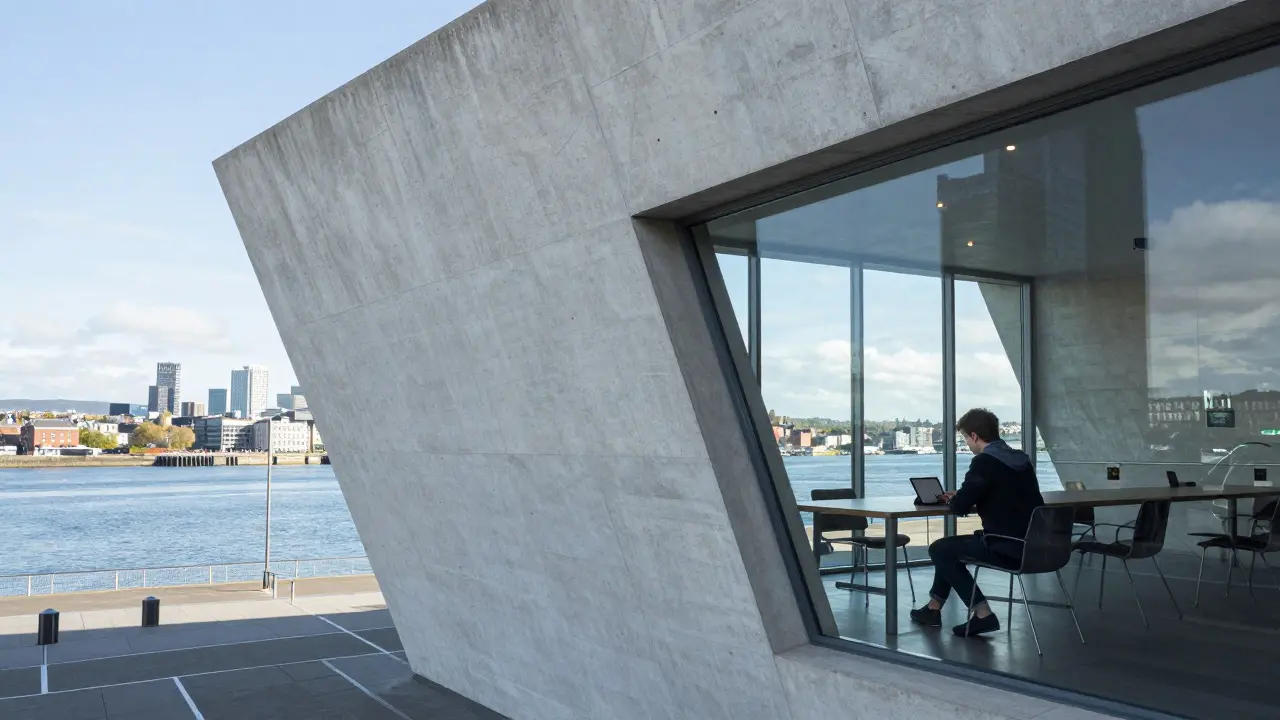
Living in Dundee, I can personally vouch for the V&A Dundee. As the first design museum in the UK outside London, it attracts a specific crowd. It’s not just about artifacts; it’s about process. For design, architecture, and media students, this is gold. The museum features flexible spaces that encourage interaction. While it’s not a traditional library, the viewing platforms offer panoramic views of the Firth of Tay. These areas have seating and are surprisingly quiet during off-peak hours. The café, named "The Viewing Platform," serves affordable meals and has outlets available-a rare find in many museums.
Dundee also has the McManus Galleries, which is more traditional. It houses local history and art collections. The building is older, with wood-paneled rooms that feel academic. It’s a solid choice for humanities students who want a classic library vibe without the pressure of actual library rules. The staff are accustomed to students, and the environment is conducive to deep thought.
Hidden Gems: Beyond the Big Cities
If you’re studying in smaller towns or willing to travel, Scotland has lesser-known museums that offer unique advantages. The Scottish Maritime Museum in Leith, Edinburgh, is housed in historic warehouses. It’s niche, which means fewer people. The maritime theme provides a calming effect for many, and the space is spread out over multiple levels, allowing you to find secluded nooks. Similarly, the People's Story Museum in Edinburgh focuses on social history. It’s intimate and engaging, offering a different perspective that can spark new ideas for essays or projects.
In Aberdeen, the Aberdeen Art Gallery is worth a visit. It’s known for its Pre-Raphaelite collection and is generally quieter than the big names in Edinburgh or Glasgow. The surrounding area includes the Union Terrace Gardens, providing a seamless transition between indoor study and outdoor relaxation.
Practical Tips for Museum Studying
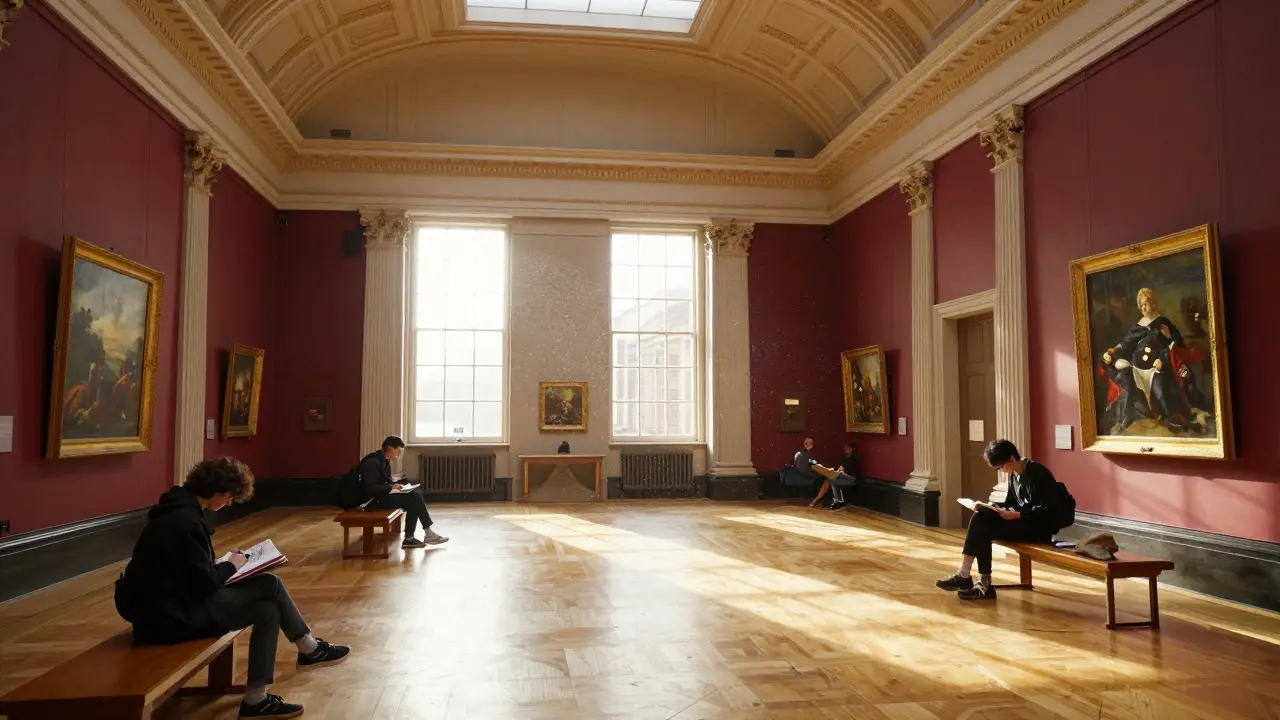
Using museums as study spots requires a bit of strategy. Here’s what works:
- Timing is everything. Avoid weekends and holidays. Weekday mornings are your best friend. Most museums open at 10 AM, so arriving then ensures minimal competition for seats.
- Bring your own supplies. While many museums have cafés, they aren’t libraries. Bring headphones, a power bank, and any necessary stationery. Outlets are not guaranteed in every seating area.
- Respect the space. Museums are shared environments. Keep noise to a minimum, don’t block pathways, and be mindful of other visitors. If you’re typing loudly, move to a designated area if available.
- Check for events. Some museums host lectures or workshops that are free or discounted for students. These can enhance your learning and provide networking opportunities.
- Use the Wi-Fi wisely. Public Wi-Fi in museums can be slow or restricted. Test it before relying on it for uploads or video calls. Have a mobile hotspot as a backup.
Maximizing Student Discounts
While entry is free, other costs add up. Food, parking, and special exhibitions can still require payment. Always carry your student ID. Many museum cafés offer student discounts on meals and drinks. For example, the café at the National Museum of Scotland often has a reduced menu for students. Additionally, look out for membership schemes. Some museums offer annual memberships for students at a fraction of the regular price, granting access to exclusive events and further discounts.
Transportation is another cost. Use contactless payment or travel cards to take advantage of student fares on buses and trains. Many cities have integrated ticketing systems that make getting around cheaper and easier. Planning your route to include multiple museums in one trip can save both time and money.
Conclusion: More Than Just Artifacts
Scottish museums are more than repositories of objects; they are dynamic spaces that support learning and creativity. By leveraging free entry, understanding peak times, and utilizing student discounts, you can transform these cultural hubs into productive study environments. Whether you’re in Edinburgh, Glasgow, Dundee, or beyond, there’s a museum waiting to become your next favorite classroom. So, pack your laptop, bring your curiosity, and explore.
Are all museums in Scotland free for students?
Yes, all publicly funded museums and galleries in Scotland offer free entry to everyone, including students. This includes major institutions like the National Museum of Scotland, Kelvingrove, and V&A Dundee. Private museums or special temporary exhibitions may charge fees, but these are clearly marked.
Can I use my laptop in Scottish museums?
Generally, yes. Most museums allow laptops and tablets. However, etiquette is important. Keep your screen brightness low, use headphones, and avoid blocking walkways. Some sensitive exhibition areas may restrict electronic devices to protect artifacts, so check signage or ask staff.
Do Scottish museums have Wi-Fi?
Most major museums offer free Wi-Fi, but speed and reliability can vary. It’s advisable to test the connection upon arrival. For critical tasks, consider bringing a mobile hotspot. Cafés within museums often have better connectivity than exhibition halls.
What are the best times to visit for studying?
Weekday mornings, shortly after opening (usually 10 AM), are the quietest times. Avoid weekends, school holidays, and lunch hours when visitor numbers peak. Late afternoons can also be quieter as day-trippers leave.
Are there student discounts for museum cafés?
Many museum cafés offer student discounts on food and beverages. Always ask for the student menu or show your valid student ID at checkout. Discounts typically range from 10% to 20% off standard prices.