
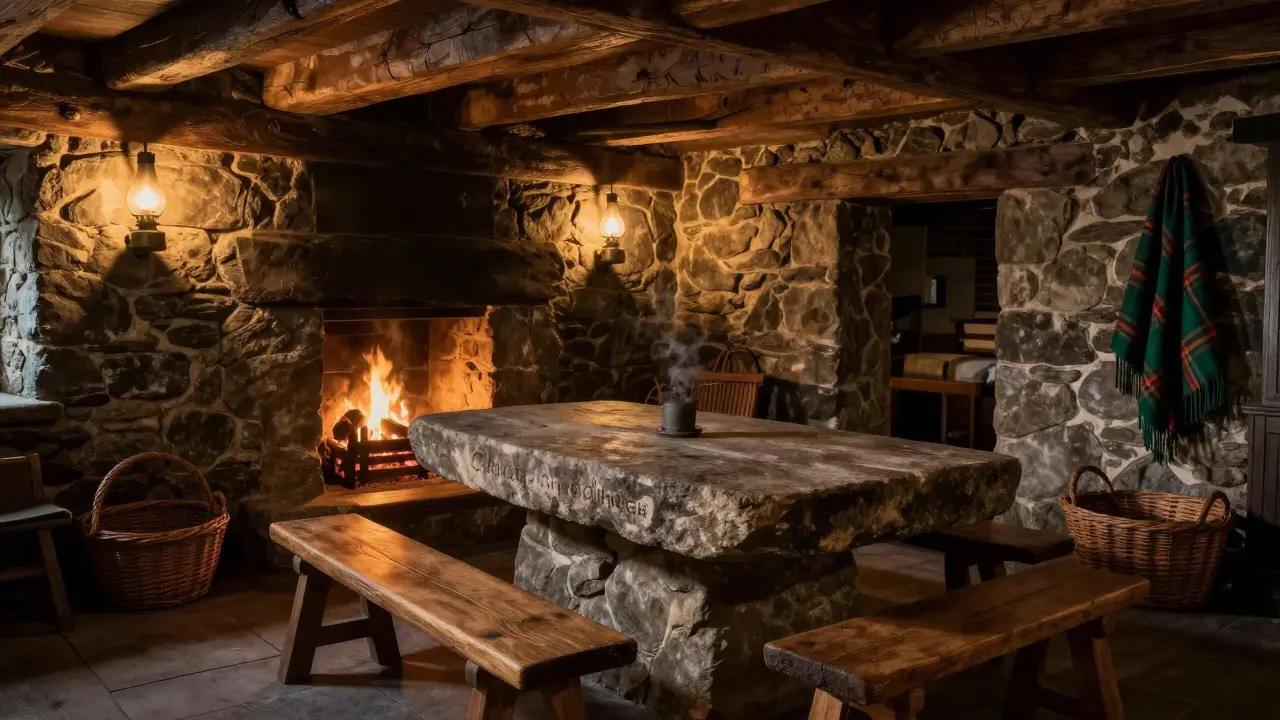
Walking into the Skye Museum of Island Life is a dedicated cultural institution in Portree that preserves and showcases the history, traditions, and daily life of the Isle of Skye community feels less like entering a sterile gallery and more like stepping into someone’s living room from a century ago. The air smells faintly of old wood and peat smoke. You aren’t just looking at objects behind glass; you are standing in the middle of a story that has been told on this island for generations. If you are planning a trip to the Isle of Skye, this museum is not just another stop on the checklist-it is the key to understanding why the landscape looks the way it does and how the people who live here have survived, adapted, and thrived against the odds.
Many visitors flock to Skye for the jagged peaks of the Cuillin mountains or the swirling waters of the Old Man of Storr. But without context, those landscapes can feel distant. This museum bridges that gap. It connects the dramatic geology with the human hands that farmed these slopes, fished these waters, and built these homes. Whether you are a history buff, a genealogy researcher, or simply a traveler wanting to respect the local culture, knowing what to expect here will transform your visit from a quick glance into a meaningful connection.
Why the Skye Museum Matters More Than You Think
You might wonder if a small town museum is worth detouring for. The answer lies in its authenticity. Unlike large national museums that curate broad narratives, the Skye Museum focuses intensely on the micro-history of the island. It was founded by locals, for locals, with the specific goal of preventing the erosion of their unique identity during the rapid changes of the 20th century. Today, it serves as the memory bank for the entire region.
The building itself tells part of the story. Located right in the heart of Portree is the main town and administrative center of the Isle of Skye, situated on the east coast with a natural harbor, the museum occupies a former police station and barracks. This architectural choice isn't accidental. It reflects the transition of authority and community life on the island. Walking through these halls, you see how law enforcement, social welfare, and domestic life intersected in a close-knit community where everyone knew everyone else’s business.
For many travelers, the value isn't just in the artifacts but in the perspective. It challenges the romanticized "Highland cliché" often sold in tourist shops. Instead of kilts and bagpipes as performance art, you see the hard labor, the poverty, the emigration, and the resilience that defined real island life. It grounds the mythical reputation of Skye in tangible reality.
What You Will See Inside: Key Exhibits and Artifacts
The museum is divided into several distinct areas, each focusing on a different aspect of island existence. Knowing what to look for helps you navigate the space efficiently and appreciate the details.
- The Domestic Scene: One of the most striking exhibits is the recreated traditional cottage interior. This isn't a generic setup; it uses actual furniture, tools, and household items donated by families from across the island. You’ll see a clach an dinnear (dinner stone), which served as a table, bench, and even a bed in smaller homes. The simplicity of these spaces highlights the resourcefulness required to survive harsh winters with limited fuel and food.
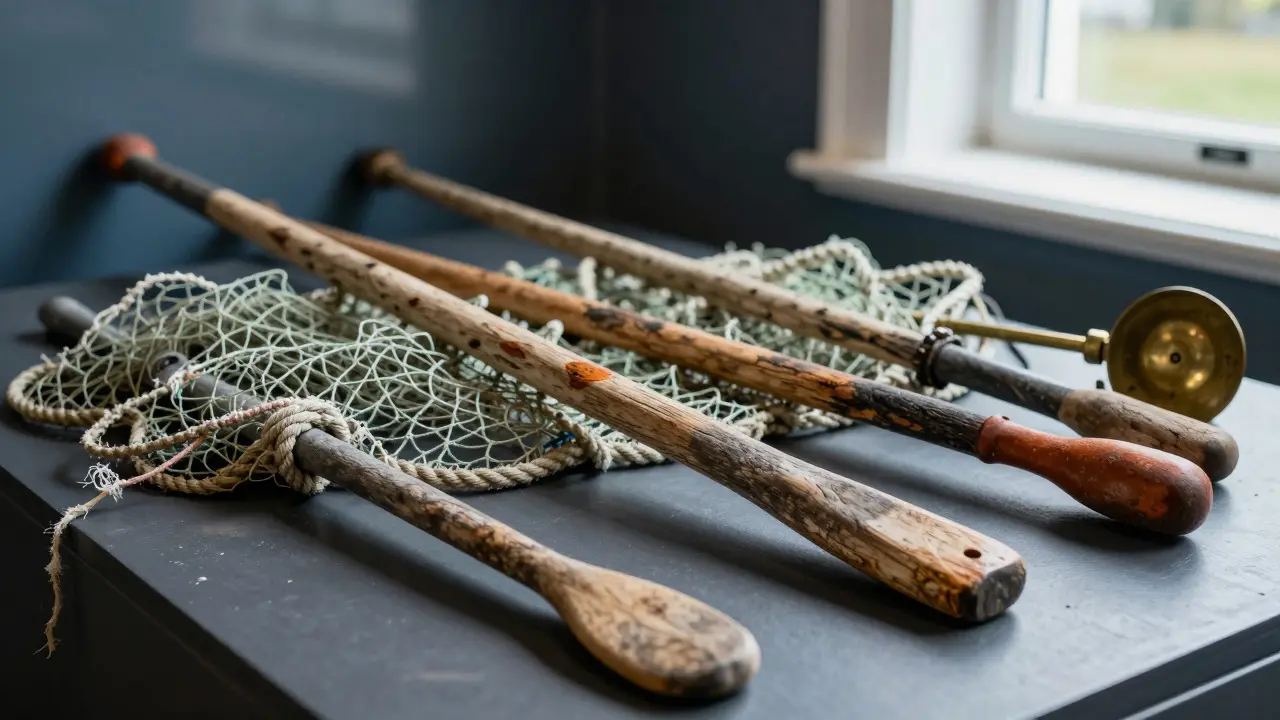
- Fishing and Boating: Given Skye’s coastline, fishing was once the primary livelihood. The museum displays various types of boats, nets, and traps used over the decades. You can see the evolution from simple currachs to more robust steam-powered vessels. These exhibits explain why certain villages boomed and others declined based on fish stocks and market access.
- Agriculture and Crofting: The crofting system is central to Highland culture. The museum explains the legal and social structures of crofting-small landholdings worked by tenants. Displays include plows, sickles, and dairy equipment. Understanding crofting helps explain the patchwork fields you see driving around the island today. It’s not random; it’s a centuries-old system of land distribution.
- Textiles and Weaving: Skye is famous for its tweed and tartan. The museum showcases looms and weaving techniques passed down through generations. You’ll learn about the specific dyes used from local plants and how patterns identified clan affiliations or regional origins. This section demystifies the fashion industry’s appropriation of Highland designs by showing their functional roots.
Each exhibit includes photographs and oral histories recorded from elderly residents. These voices add emotional weight to the objects. Hearing an elder describe the sound of the sea during a storm or the taste of homemade black bread makes the history immediate and personal.
Understanding Highland Heritage Through Context
To truly grasp what you are seeing, you need a bit of background on the broader historical forces that shaped Skye. The museum doesn’t always spell out every political nuance, so having this context enhances your experience.
The Clearances were a series of evictions of tenants from their lands in the Scottish Highlands and Islands during the 18th and 19th centuries, primarily to make way for sheep farming devastated communities across the island. Entire villages were burned, and residents were forced to move to coastal strips or emigrate to Canada, Australia, and North America. The museum addresses this painful chapter with dignity, showing letters from emigrants and maps of depopulated areas. It explains why many family names disappeared locally but flourished abroad.
Another critical theme is the role of the MacLeod Clan, a historic noble family that ruled much of the Isle of Skye for centuries, with Dunvegan Castle as their seat. While the museum is secular, it acknowledges the clan system’s influence on land ownership and social hierarchy. The transition from feudal control to modern democratic governance is reflected in the shift from aristocratic portraits to community records.
Religion also played a huge role. The Hebridean Revival was a significant religious awakening in the late 19th century that deeply influenced social norms and community cohesion in Skye and the surrounding islands reshaped moral codes and education. You’ll find hymn books, prayer mats, and accounts of mass gatherings. This helps explain the strong sense of community spirit and volunteerism still evident in Portree today.
Practical Information for Your Visit
Planning your visit requires some logistical awareness. The museum is small enough to explore in an hour, but large enough to warrant careful attention.
| Detail | Information |
|---|---|
| Location | Portree, Isle of Skye, IV51 9DE |
| Opening Hours | Typically April-October: Mon-Sat 10am-4pm. Closed Nov-March except special events. Always check current hours before visiting. |
| Admission | Donation-based. No fixed price. Visitors are encouraged to contribute to support ongoing preservation efforts. |
| Parking | Free street parking available nearby in Portree. Limited spaces, so arrive early during peak season. |
| Accessibility | Ground floor accessible. Upper floors may have steps. Staff can assist with specific needs. |
Since admission is by donation, bring some cash or ensure your card works. The museum relies entirely on visitor generosity and local council grants. Your contribution directly funds the conservation of fragile textiles and the digitization of oral histories.
The best time to visit is mid-morning on a weekday. Weekends in July and August can get crowded with tour groups. Arriving early allows you to chat with volunteers, who are often retired locals with decades of personal stories to share. Don’t hesitate to ask questions-they love talking about their grandparents’ experiences.

Connecting the Museum to Broader Skye Experiences
The museum doesn’t exist in isolation. It complements other attractions on the island. After visiting, take a walk along the Portree waterfront. Look at the buildings lining the harbor. Many date back to the Victorian era when fishing and kelp harvesting brought temporary wealth. The architecture reflects that boom period.
If you are interested in genealogy, the museum holds extensive parish records and census data. Before heading there, compile a list of ancestors you are researching. Staff can help guide you to relevant documents, though advanced notice is appreciated for deep dives into archives.
Combine your visit with a trip to Dunvegan Castle, the oldest continuously inhabited castle in Scotland, located on the west coast of Skye and home to the MacLeod chiefs. While the museum covers common folk life, Dunvegan offers the aristocratic counterpart. Seeing both gives you a complete picture of the social stratification that defined Highland society for centuries.
Finally, consider the environmental message. The museum highlights how climate and geography dictated survival. Traditional knowledge about weather patterns, plant uses, and sustainable fishing practices is increasingly relevant today. As we face modern climate challenges, looking back at how islanders adapted to changing conditions offers valuable lessons.
Preserving Culture for Future Generations
Museums like this are under constant pressure. Funding cuts, aging collections, and shifting public interests threaten their survival. Yet, they remain vital. They are repositories of intangible heritage-the skills, stories, and values that define a place. Without them, Skye risks becoming just another scenic backdrop for Instagram photos, stripped of its soul.
Volunteers are the backbone of the operation. Retired teachers, fishermen, and farmers spend hundreds of hours maintaining exhibits and guiding visitors. Supporting them means supporting the continuity of local identity. When you donate or leave a positive review, you are voting for the preservation of this narrative.
In a world where globalization homogenizes cultures, places like the Skye Museum of Island Life stand as defiant reminders of uniqueness. They tell us that history isn’t just about kings and battles; it’s about the woman weaving her shawl, the man mending his net, and the child learning to read by candlelight. That is the true essence of Highland heritage.
Is the Skye Museum of Island Life free to enter?
Yes, entry is technically free, but it operates on a donation basis. Visitors are encouraged to give what they can afford to help maintain the collection and fund future projects. Cash donations are particularly helpful for small operational costs.
How long should I spend at the museum?
Most visitors spend between 45 minutes to an hour. However, if you are interested in genealogy or want to chat with volunteers, plan for at least two hours. The museum is compact, so you won’t get tired walking, but there is a lot of detailed information to absorb.
Are there guided tours available?
Formal guided tours are not scheduled daily, but volunteers are almost always present and happy to provide informal tours and answer questions. During school holidays or special events, organized talks may be offered. Check the local community board or website for upcoming events.
Can I research my family history at the museum?
Yes, the museum holds valuable local records, including parish registers, census data, and electoral rolls. For serious research, it is best to contact them in advance to arrange access to the archive room. Bring any existing documents you have to help staff locate relevant entries.
Is the museum wheelchair accessible?
The ground floor is fully accessible via a ramp. Some upper-level exhibits may require climbing stairs. Staff are willing to assist visitors with mobility issues and can often retrieve items from higher shelves for viewing. Call ahead if you have specific accessibility requirements.
What is the best time of year to visit?
The museum is open primarily from April to October. May, June, and September offer pleasant weather and fewer crowds than July and August. Winter visits are rare due to closure, but occasional holiday events may occur. Always verify opening dates before traveling, as they can change based on volunteer availability.
Does the museum have a gift shop?
There is a small selection of locally made crafts, books, and postcards. Items are sourced from local artisans rather than mass-produced imports, making them better souvenirs that support the local economy. Prices are reasonable, and proceeds often go back into museum funds.
Is photography allowed inside?
Photography for personal use is generally permitted, but flash should be avoided to protect sensitive artifacts like textiles and paper documents. Tripods may require permission. Commercial photography usually requires prior arrangement and a fee.