
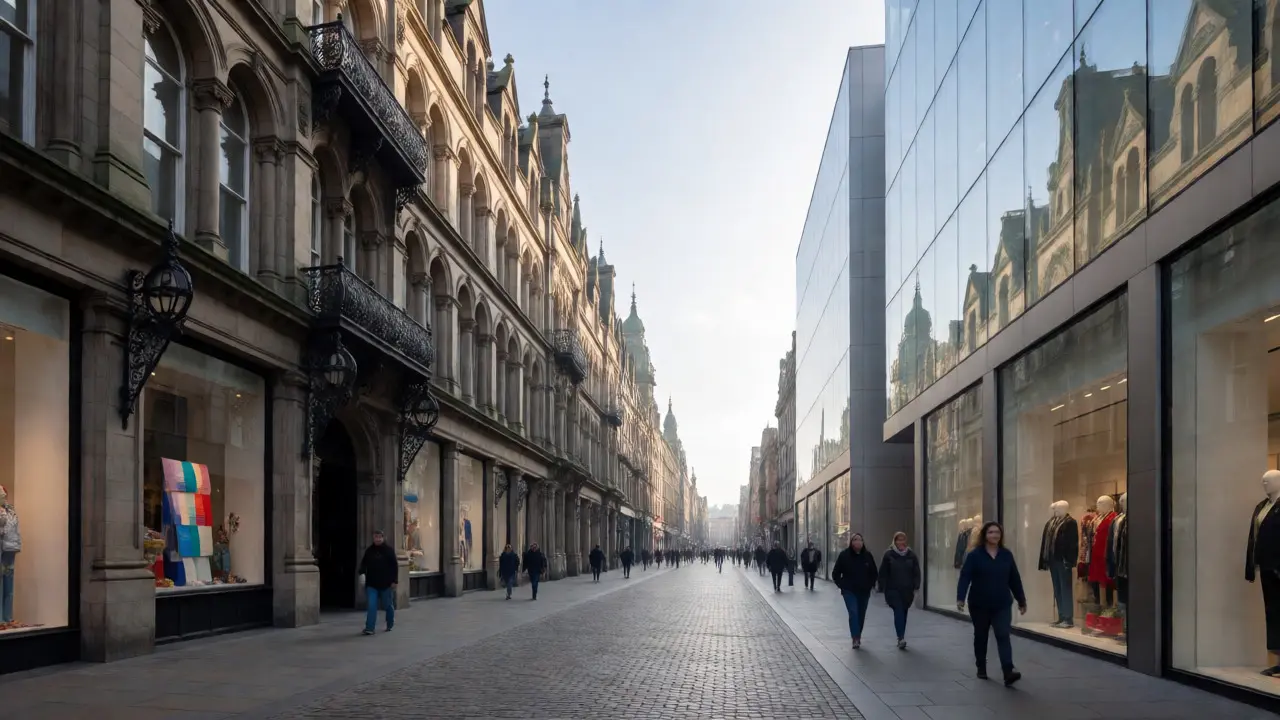
You can walk the entire length of Buchanan Street in about ten minutes if you’re rushing. But try doing it while actually looking at what’s behind the glass. You’ll need hours. This isn’t just a high street; it’s the commercial heartbeat of Glasgow, a place where Victorian ironwork meets modern minimalist retail design. If you are planning a trip to Scotland’s largest city, ignoring this street is like visiting Paris and skipping the Champs-Élysées. It’s loud, it’s busy, and yes, it’s packed with tourists. But it also holds some of the best architectural surprises in the UK.
The real magic here isn’t just the brands you know. It’s the hidden arcades tucked between the big department stores. These passages, built in the late 19th century, offer a glimpse into Glasgow’s wealthy past while housing independent boutiques that compete fiercely with global chains. Whether you are hunting for a specific designer item or just want to soak up the atmosphere over a coffee, knowing where to look saves you from wandering aimlessly. Here is how to navigate the flagship giants and the secret arcades without losing your mind or your wallet.
Key Takeaways
- Timing Matters: Visit on weekday mornings before 10 AM or late evenings after 7 PM to avoid the worst crowds, especially during sales seasons.
- Hidden Gems: Do not miss Royal Arcade and Princes Square; they offer unique architecture and independent shops away from the main drag noise.
- Flagship Reality: The large stores like Apple and Zara are impressive but often stock standard inventory; check their online availability first to save time.
- Transport Access: The closest station is Queen Street, which connects directly to the subway system, making it easy to hop off and start walking immediately.
- Dining Breaks: Step into the arcades for food options that are generally quieter and more atmospheric than the fast-food chains lining the main pavement.
The Main Drag: What to Expect on Buchanan Street
Buchanan Street runs roughly half a mile from George Square to St Enoch Square. It was pedestrianized in the 1980s, a move that transformed it from a congested traffic route into one of Europe’s busiest shopping destinations. Today, it serves as the primary spine of Glasgow’s retail district. When you step onto the cobbles, the first thing you notice is the energy. Buskers perform near the clock tower, street performers dance in groups, and the sheer volume of people creates a hum that never quite stops.
The architecture tells two stories. On one side, you have the restored Victorian facades, with their ornate stone carvings and large arched windows. These buildings house many of the mid-tier fashion retailers and bank branches. On the other side, you see the sleek, glass-fronted monoliths of modern retail. This contrast is intentional. City planners preserved the historic shell while allowing contemporary interiors. For shoppers, this means you might enter a building that looks like it belongs in a period drama, only to find yourself inside a brightly lit, futuristic tech store.
Most visitors come for the big names. The street hosts major international flags, including massive outlets for H&M, Zara, and Primark. These stores are enormous. The Primark location, for instance, spans multiple floors and carries an inventory so vast it can feel overwhelming. If you are looking for basic clothing staples at low prices, this is your spot. However, be prepared for queues. Fitting rooms are scarce, and checkout lines can snake out the door during peak hours. It is efficient for bulk buying, but terrible for a relaxed browsing experience.
Inside the Flagships: Beyond the Basics
While the fast-fashion giants dominate the square footage, several flagship stores offer experiences worth the detour. Take the Apple Store, for example. Located in a converted former bank, its design respects the original marble columns and vaulted ceilings while integrating the clean, white aesthetic Apple is known for. It’s not just a shop; it’s a community hub where workshops happen daily. Even if you don’t buy anything, the space itself is a study in adaptive reuse.
Nearby, you will find John Lewis. Unlike typical department stores, John Lewis operates on a partnership model, meaning employees own shares in the business. This often translates to better customer service. Their home goods section is particularly strong, offering everything from high-end cookware to bedding. If you are furnishing an apartment or looking for a gift that feels personal rather than generic, this is a reliable stop. They also run frequent offers, so checking their app before you visit can yield discounts on electronics and beauty products.
| Store Type | Best For | Average Wait Time | Atmosphere |
|---|---|---|---|
| Fast Fashion (Zara/H&M) | Trendy clothes, quick updates | High (30+ mins) | Chaotic, Loud |
| Department Store (John Lewis) | Home goods, gifts, reliability | Moderate (15 mins) | Calm, Organized |
| Tech Flagship (Apple) | Gadgets, repairs, advice | Low to Moderate | Minimalist, Quiet |
| Independent Boutiques | Unique items, local designers | Very Low | Personal, Curated |
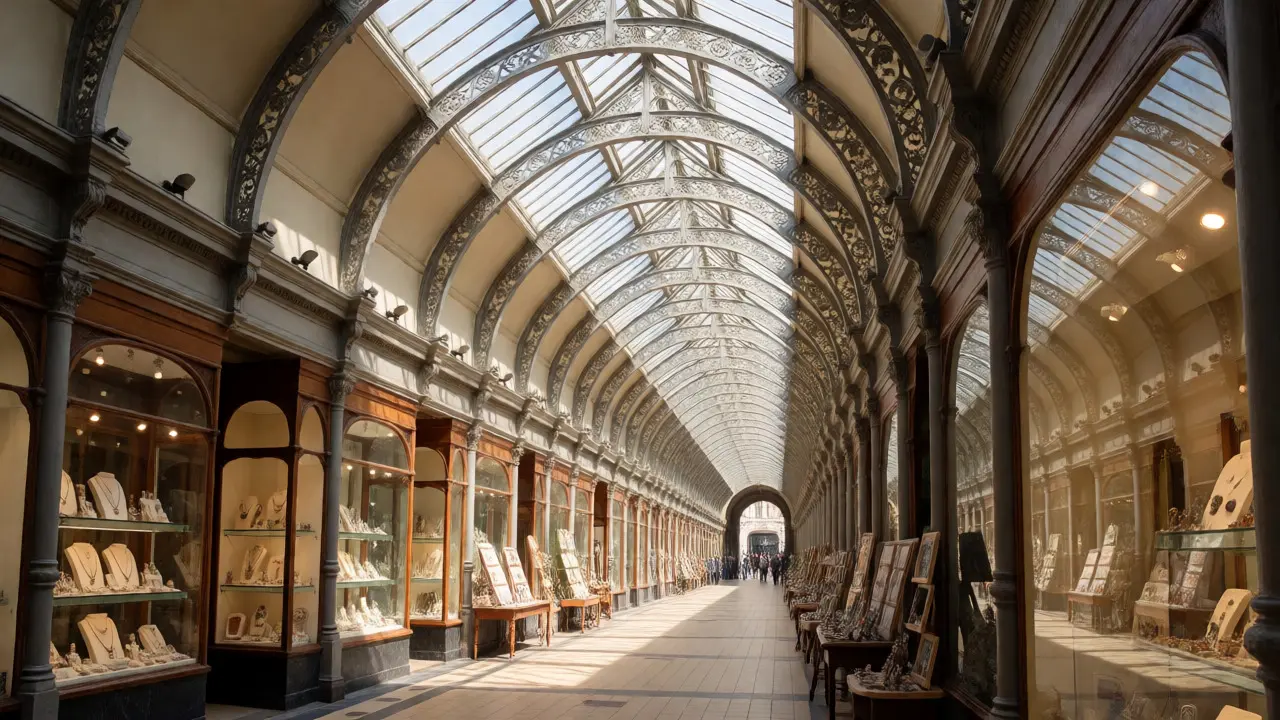
The Hidden Arcades: Royal and Princes
If the main street feels too aggressive, duck into one of the arcades. These covered passageways were built to provide sheltered luxury shopping for Glasgow’s merchants. Today, they remain some of the most charming spots in the city center.
Royal Arcade is the oldest, dating back to 1860. Its cast-iron roof lets in natural light, creating a bright, airy space that contrasts sharply with the shadowed pavements outside. The arcade houses a mix of established brands and small independents. You will find Lush cosmetics, a branch of Whittard tea, and various jewelry shops. The floor is tiled in intricate patterns, and the ceiling features decorative ironwork that deserves a close look. It’s a great place to grab a coffee and watch the world go by without being jostled by crowds.
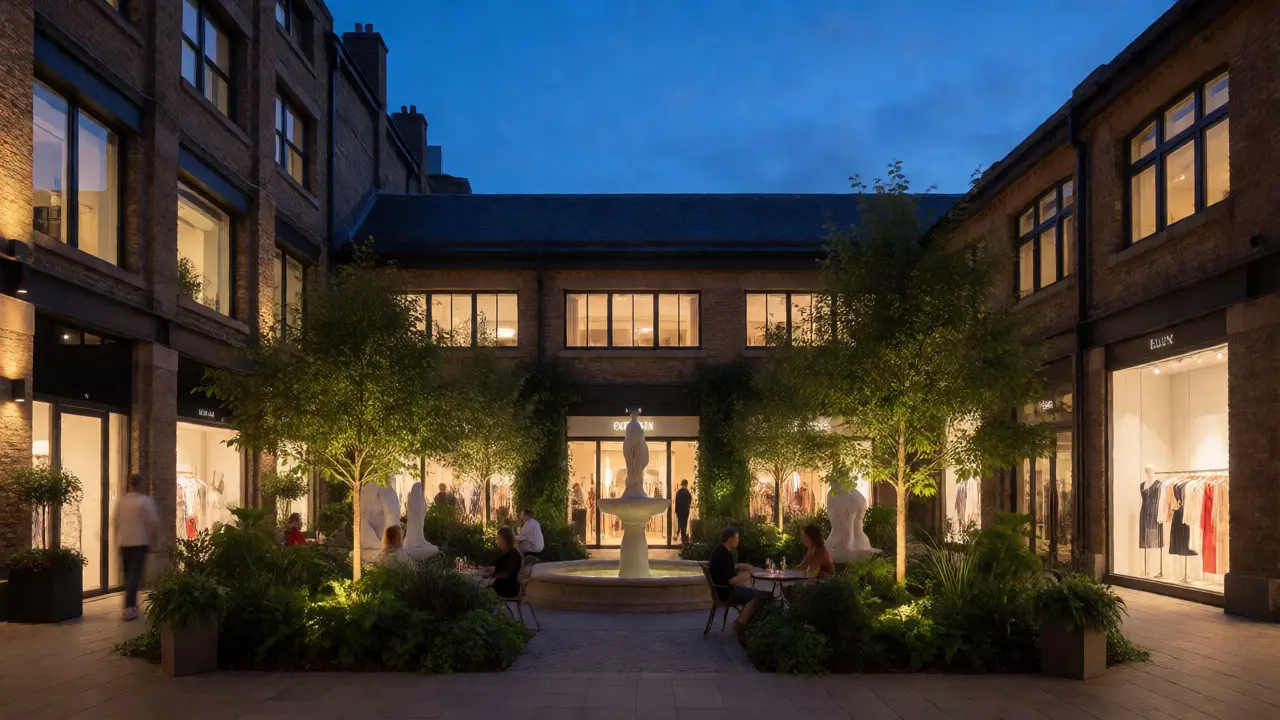
A short walk away lies Princes Square. This is arguably the prettiest shopping destination in Glasgow. Built in 1841, it was originally a warehouse complex converted into a shopping mall. The interior courtyard is stunning, featuring greenery, sculptures, and a central fountain. Shops here tend to be slightly more upscale, focusing on fashion accessories, bespoke tailoring, and niche lifestyle products. The restaurants surrounding the courtyard are excellent choices for lunch. Because it requires a slight detour from the main flow of foot traffic, it remains relatively peaceful even on Saturdays.
St Enoch Centre and the Modern End
At the southern end of Buchanan Street stands the St Enoch Centre. Opened in the 1990s, this indoor mall replaced the old railway station hotel. It is a straightforward, multi-level shopping complex with a food court and cinema. While it lacks the architectural charm of the arcades, it serves a practical purpose. It provides shelter from Glasgow’s notorious rain and houses stores that might not fit on the main street, such as larger electronics retailers and budget-friendly home goods shops.
Adjacent to the centre is the St Enoch Square, a public plaza that often hosts markets. If you visit on a Saturday, you might find a farmers' market selling local produce, artisan breads, and crafts. This area bridges the gap between the high-end shopping of Buchanan Street and the more utilitarian retail of the southside. It’s also a key transport hub, connecting to the subway and bus networks, making it a convenient exit point if you are heading toward the university district or the river.
Practical Tips for Efficient Shopping
Navigation is simple because Buchanan Street is straight, but the sheer number of entrances can confuse first-timers. Most stores have multiple access points, so keep moving forward if you get turned around. Wear comfortable shoes. The cobblestones are uneven, and you will walk miles without realizing it.
Payment methods are universal. Contactless payments work everywhere, from the smallest kiosk in the Royal Arcade to the biggest department store. Cash is still accepted but increasingly rare for transactions under £10. Keep your receipt handy, especially for expensive items, as return policies vary significantly between chain stores and independents.
For those traveling with luggage, storage facilities are available near Queen Street Station. There is no need to haul suitcases through crowded shops. Also, consider using the Glasgow Subway if you plan to combine shopping with visits to other areas like the West End. A single journey ticket costs less than £2, and the trains run frequently.
Frequently Asked Questions
Is Buchanan Street safe to walk at night?
Yes, Buchanan Street is generally very safe, especially in the evening when bars and restaurants are open. The area is well-lit and patrolled by police. However, like any city center, stay aware of your surroundings if you are alone late at night, particularly near the edges of the pedestrian zone.
Are there tax-free shopping options for tourists?
Post-Brexit, VAT refund rules changed. Many large retailers no longer offer automatic tax-free shopping for non-EU visitors unless they meet specific export criteria. Check with individual store staff for current eligibility requirements, as policies can vary by brand and purchase amount.
What is the best day to avoid crowds?
Tuesday and Wednesday mornings are typically the quietest times. Avoid Saturdays entirely if you dislike crowds, and steer clear of the days leading up to Christmas, when footfall spikes dramatically.
Can I park near Buchanan Street?
Parking directly on the street is difficult. Use nearby multi-story car parks like the NCP at Queen Street or the St Enoch Centre parking garage. Prices are higher in the city center, so factor this into your budget if driving.
Are the arcades accessible for wheelchairs?
Both Royal Arcade and Princes Square are largely wheelchair accessible, with ramps and wide pathways. Some older shop entrances may have steps, but most major retailers have installed automatic doors or ramps upon request.
Next Steps for Your Trip
If you have finished exploring Buchanan Street and still have energy, head west to Sauchiehall Street for a grittier, more alternative vibe. Or take the subway north to Partick for riverside walks and indie cafes. Glasgow rewards curiosity. Don’t just stick to the map; follow the sounds of bagpipes or the smell of fresh baking into the side streets. You might find a bookshop or a vintage store that wasn’t on your list but ends up being the highlight of your day.