
Driving the National Cycle Route 500, commonly known as the North Coast 500 or NC500, is not just about putting miles on your dashboard. It’s about stepping out of the car and into the raw, untamed beauty of the Scottish Highlands. The route itself is a loop of roughly 397 miles that starts and ends in Inverness, tracing the coastline from the Moray Firth up to the rugged north coast and down the western seaboard. But if you stay inside your vehicle, you miss the soul of the journey.
The real magic happens when you stop. You hike up a hillside to watch the sunset over Loch Duich. You wade into the freezing Atlantic at Applecross. You pitch a tent under the stars in Glen Cannich. This guide cuts through the noise to show you exactly where to stop, what to hike, which beaches are worth the detour, and how to camp legally and responsibly in this fragile landscape.
Understanding the Right to Roam and Wild Camping
Before we talk about specific locations, we need to address the elephant in the room: wild camping. Scotland has one of the most liberal access laws in the world, governed by the Land Reform (Scotland) Act 2003. This legislation grants everyone the right to roam on most land, including private property, for recreational purposes. That includes pitching your tent overnight. However, with great power comes great responsibility. The code is simple but strict.
You must camp discreetly. Do not set up near dwellings, farm buildings, or roads. Keep your group small-ideally two or three people. Stay for no more than two or three nights in the same spot. And crucially, leave no trace. Take all your rubbish with you, including toilet paper. Use a trowel to bury human waste well away from water sources. If you see a sign saying "No Camping," respect it. These areas are often protected for wildlife or agricultural reasons. Ignoring these rules doesn't just risk fines; it risks losing these freedoms for everyone. Treat the land like a guest house, not a hotel.
| Rule | Guideline | Reason |
|---|---|---|
| Duration | Max 2-3 nights per site | Prevents soil erosion and visual impact |
| Proximity | At least 200m from houses/roads | Respects privacy and safety |
| Fire | No open fires unless existing ring | Prevents wildfires and scarring |
| Waste | Take everything out | Protects wildlife and aesthetics |
Top Hiking Stops Along the NC500
The NC500 offers some of the best hiking in the UK, ranging from gentle coastal walks to challenging mountain ascents. Here are three stops that deliver maximum reward for effort.
Beinn Mhor, Near Durness
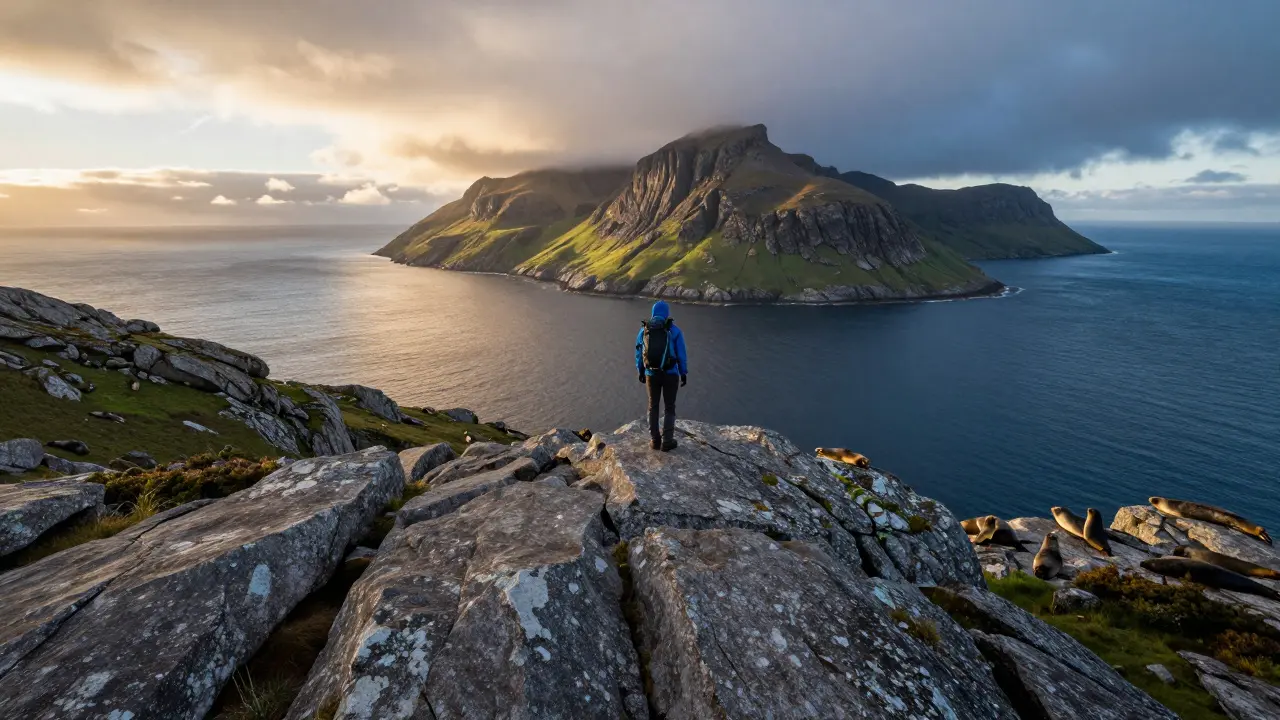
If you want dramatic views without the technical difficulty of a full Munro ascent, head to Beinn Mhor. Located just south of Durness, this hill offers panoramic views of the Durness Peninsula, the Black Isle, and on clear days, the distant peaks of Skye. The hike takes about two hours round trip. The path is straightforward, starting from a layby on the A832. The highlight is the rocky summit plateau, where you can scramble over ancient rock formations while watching seals bask on the rocks below. It’s exposed, so bring windproof layers even in summer.
Cuil Caim, Near Ullapool
For those seeking a true challenge, Cuil Caim is the jewel of the Assynt region. This isn’t a casual stroll; it’s a serious mountaineering objective. The pyramid-shaped peak rises sharply from the shores of Loch Carron. Most climbers tackle it via the classic route from the south, involving a steep scramble up the final ridge. It requires good fitness, sure footing, and ideally, prior scrambling experience. The views from the top are unparalleled, looking out over the wild heart of Northwest Scotland. Start early, before 8 AM, to avoid afternoon cloud cover and lightning risks.
Loch Stack Forest Walk
Not every stop needs to be high altitude. The walk around Loch Stack near Strathpeffer is a hidden gem. This short, circular trail winds through ancient pine forests alongside a deep, narrow loch. It’s perfect for a rainy day or a quick break after long driving sessions. The path is well-maintained and accessible for most fitness levels. Look out for ospreys nesting in the surrounding trees during spring and early summer. It’s a peaceful contrast to the rugged openness of the northern coast.
Best Beaches for Swimming and Relaxation
Scotland’s reputation for cold water is well-deserved, but its beaches are stunning. Here are the best spots to dip your toes or build a sandcastle.
Achnasheen Bay
Located on the west coast, Achnasheen Bay is a crescent of golden sand backed by dunes and heather-covered hills. It’s less crowded than the east coast beaches because it’s slightly off the main tourist track. The water is refreshing, to say the least, but the scenery makes it worth the swim. There’s a small café nearby for post-swim hot chocolate. Bring a towel and warm clothes for afterward-the temperature drop is immediate.
Eilean Sgitheanaich
This tiny island off the coast of Applecross is connected to the mainland by a causeway at low tide. At high tide, it becomes an island, making timing crucial. Check local tide tables before heading out. The beach is sheltered and calm, ideal for families. The surrounding cliffs provide dramatic backdrops for photos. Don’t forget to explore the ruins of the old chapel on the island. It’s a unique blend of natural beauty and history.
White Sands of Brora
On the far northeastern tip, the White Sands stretch for miles along the coast. The sand is fine and pale, contrasting sharply with the dark ocean waves. It’s a popular spot for kite surfing due to consistent winds. For walkers, the beach offers a flat, scenic path with views of the Pentland Firth. Watch out for strong currents if you decide to swim. It’s better enjoyed for walking and picnicking than for swimming.
Strategic Wild Camping Locations
Finding the right spot to camp is part of the adventure. Here are three recommended areas that balance accessibility with seclusion.
Glen Cannich
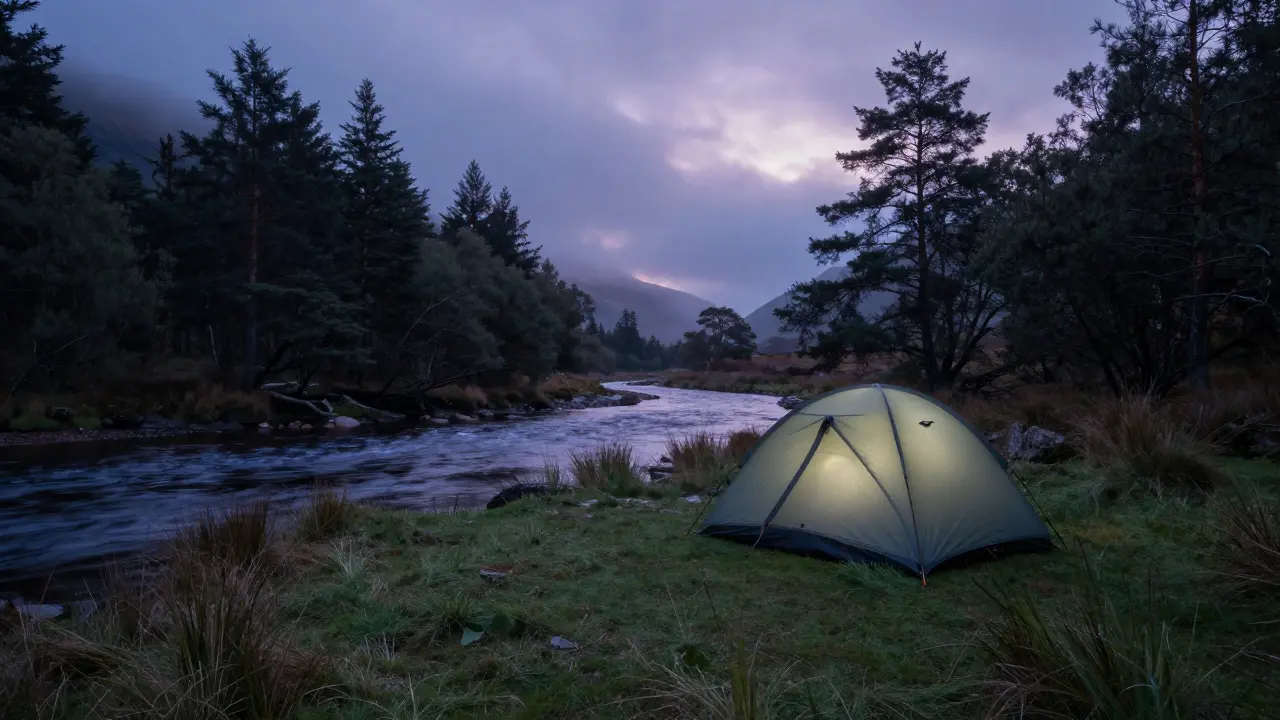
Glen Cannich is a broad valley running parallel to the NC500, offering numerous discreet camping spots along the River Cannich. Look for flat grassy areas away from the riverbank to avoid flood risks. The area is popular, so arrive early in the evening to secure a good spot. The sound of the rushing water is soothing, and the morning mist rising off the glen is magical. Avoid camping directly next to the road, as traffic noise can disrupt sleep.
Applecross Peninsula
The peninsula offers diverse terrain, from coastal shelves to forest clearings. Near Achmelvich, there are several established campsites, but wild camping options exist further inland in the woods. Choose spots with good drainage, especially after rain. The proximity to the sea means salt spray can affect gear, so keep your tent covered. The views of the Cuillin Hills across the Sound of Sleat are a worthy trade-off for the extra effort.
Shin Valley
South of Durness, the Shin Valley provides remote and quiet camping opportunities. The landscape here is flatter and more pastoral, with fewer tourists. Camp near the riverbanks but ensure you’re above the flood line. The silence here is profound, broken only by the occasional call of a curlew. It’s an excellent place for stargazing due to minimal light pollution. Remember to pack out all waste, as facilities are non-existent.
Essential Gear and Preparation
Weather in the Highlands changes rapidly. What starts as sunshine can turn into sleet within minutes. Proper preparation is key to enjoying the outdoors safely.
- Footwear: Waterproof hiking boots with good ankle support are essential. Trails can be muddy and rocky.
- Layers: Dress in layers. Base layer for moisture wicking, mid-layer for insulation, and outer layer for wind and rain protection.
- Tent: A sturdy, four-season tent is recommended. Summer storms can be fierce, and lightweight tents may not hold up.
- Sleeping Bag: Even in summer, temperatures can drop near freezing at night. A bag rated to -5°C is advisable.
- Navigation: Carry a physical map and compass. GPS devices and phones can fail due to battery drain or lack of signal.
- First Aid Kit: Include blister plasters, antiseptic wipes, and painkillers. Minor injuries can become major issues in remote areas.
Check weather forecasts regularly using reliable sources like the Met Office or Mountain Weather Information Service (MWIS). Conditions vary significantly between valleys and ridges. Always inform someone of your plans before heading out alone.
Environmental Impact and Leave No Trace
The beauty of the NC500 is fragile. Human activity can cause lasting damage if not managed carefully. Adhering to the Leave No Trace principles is not optional; it’s mandatory for preserving this environment for future generations.
Stick to established paths whenever possible. Creating new trails erodes vegetation and damages habitats. When camping, choose durable surfaces like grass or gravel rather than delicate moss or flower beds. Avoid disturbing wildlife. Keep dogs on leads, especially near livestock and nesting birds. Feeding wildlife alters their natural behavior and can make them dependent on humans.
Plastic waste is a significant issue in the Highlands. Single-use plastics often end up in rivers and oceans. Bring reusable water bottles, food containers, and cutlery. Refill stations are available in most towns along the route. By minimizing waste, you contribute to a cleaner, healthier environment.
Seasonal Considerations
The NC500 is open year-round, but each season offers different experiences and challenges.
Summer (June-August): Long daylight hours allow for extended hiking and exploration. However, this is also the peak tourist season. Accommodation books up months in advance, and popular campsites get crowded. Midges can be a nuisance, particularly in still, humid conditions. Carry repellent and nets.
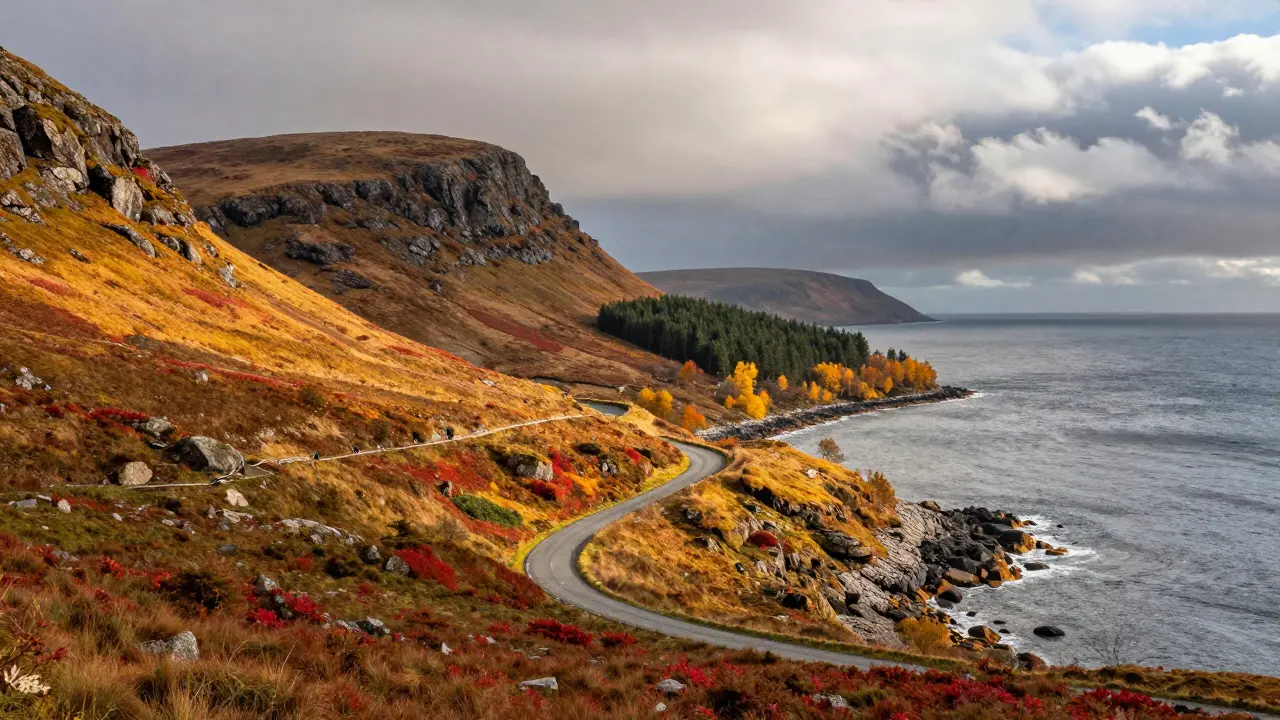
Autumn (September-November): Crowds thin out, and the landscape turns vibrant shades of gold and red. Weather becomes unpredictable, with increased rainfall and wind. Days shorten quickly, requiring careful planning for hikes. It’s a beautiful time for photography.
Winter (December-February): Roads may close due to snow or ice. Some sections of the NC500 require winter tires or chains. Daylight is limited to six hours or less. Hiking requires advanced skills and equipment for snow and ice. It’s a time for solitude and stark beauty, but only for experienced adventurers.
Spring (March-May): Nature awakens with blooming flowers and returning birds. Weather remains changeable, but temperatures gradually rise. It’s a great time for birdwatching and seeing newborn animals. Midges begin to appear in late May.
Is wild camping legal on the NC500?
Yes, wild camping is legal in Scotland under the Land Reform (Scotland) Act 2003. However, it must be done responsibly. You should camp discreetly, away from homes and roads, stay for no more than two or three nights, and leave no trace. Always respect private property and posted signs.
What is the best time of year to drive the NC500?
The best time depends on your preferences. Summer offers long days and warmer weather but also crowds and midges. Autumn provides stunning colors and fewer tourists but unpredictable weather. Spring is great for wildlife but can be wet. Winter is for experts only due to harsh conditions and short days.
Do I need a 4x4 vehicle for the NC500?
No, a standard car is sufficient for the main NC500 route. The roads are paved, though some sections are narrow and winding. However, if you plan to explore minor roads or go off-track, a 4x4 might be beneficial. Always check road conditions before traveling, especially in winter.
Are there toilets and facilities along the NC500?
Facilities are available in towns and villages along the route, such as Inverness, Ullapool, and Durness. However, remote areas have limited amenities. Plan ahead for fuel, food, and restrooms. Many campsites offer basic facilities, but wild camping sites do not.
How do I deal with midges on the NC500?
Midges are most active in still, humid conditions, typically in summer. Use insect repellent containing DEET or IR3535. Wear long sleeves and pants. Net hats can help protect your face. Avoid dawn and dusk when midges are most active. Fans can also deter them while camping.