
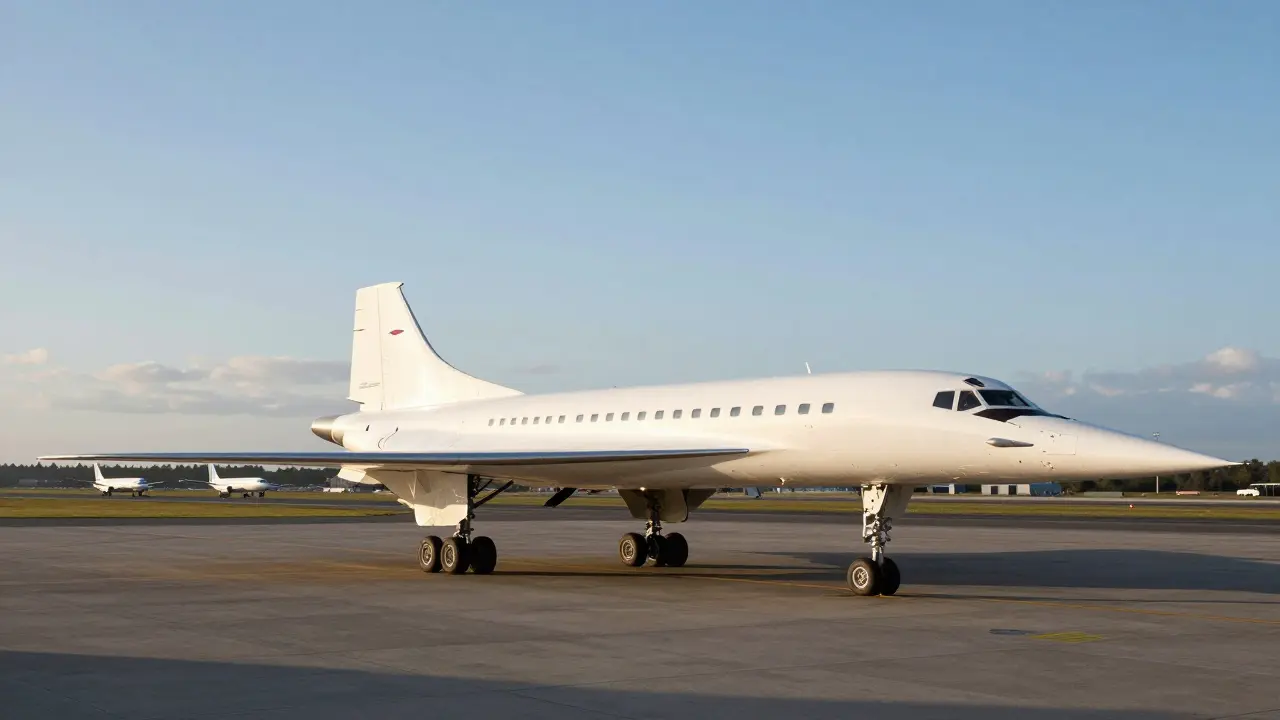
Imagine standing inside the cockpit of a jet that once carried royalty across continents. Now picture walking through the fuselage of a plane that helped win World War II. This isn't a movie set; it is the everyday reality for visitors at the National Museum of Flight, located at Edinburgh Airport. Situated on the grounds of one of Scotland's busiest airports, this museum offers a rare blend of hands-on access and historical depth that few other aviation museums can match.
If you are planning a trip to Scotland, whether you are an aviation enthusiast or just looking for a unique family day out, understanding what makes this place special will save you time and enhance your experience. The collection here spans over a century of flight, from early biplanes to supersonic jets. But beyond the metal and engines, the stories behind these machines reveal how aviation shaped modern life.
Why the Location Matters
The placement of the museum at Edinburgh Airport (EHM) is not accidental. It provides a living context for the static exhibits. While you explore the hangars, real commercial flights take off and land nearby. You can often see passenger jets taxiing past the windows of the main exhibition halls. This juxtaposition highlights the evolution of air travel from a daring novelty to a routine part of daily life.
For many visitors, the convenience of the location is a major draw. If you have a layover in Edinburgh or are catching a flight early in the morning, the museum is right there. No need for long train rides or complex bus transfers. However, parking can be tight during peak tourist seasons, so arriving early is wise. The museum also benefits from being part of the wider airport infrastructure, meaning facilities like cafes and restrooms are readily available.
The Star Attractions: Iconic Aircraft You Must See
The collection at the National Museum of Flight is curated to show the breadth of aviation history. Here are the key entities you should prioritize if you are short on time.
| Aircraft Name | Type | Historical Significance | Visitor Access |
|---|---|---|---|
| Concorde G-BOAC | Supersonic Passenger Jet | One of only two Concordes in the UK; carried Queen Elizabeth II on her first overseas royal tour. | Exterior view; interior tours available on select dates. |
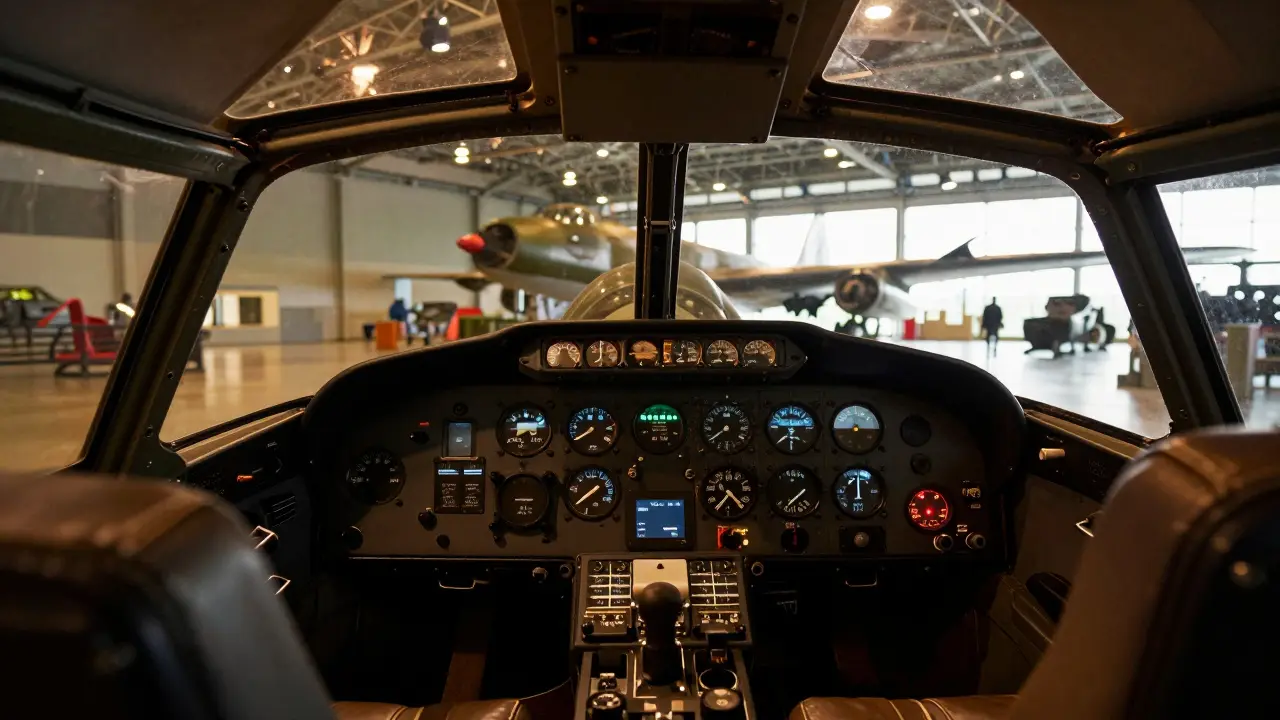
| Avro Vulcan B.2 XM655 | Bomber | Famous for the 'Black Buck' raids during the Falklands War; distinct delta wing design. | Cockpit climb-in available; exterior viewing. |
| Handley Page Halifax | WWII Bomber | One of the heaviest bombers used by the RAF in WWII; played a crucial role in night raids. | Full interior walk-through; one of the last flying examples. |
| Supermarine Spitfire LF Mk IXe | Fighter Plane | Iconic British fighter from WWII; symbol of resilience during the Battle of Britain. | Cockpit climb-in available; close-up exterior views. |
| Bristol Britannia 318 | Piston Engine Airliner | Known as the 'Flying Boat'; introduced pressurized cabins for comfort. | Interior walk-through; demonstrates post-war civil aviation growth. |
The Concorde Experience
The Concorde G-BOAC is undoubtedly the centerpiece of the museum. Built by a joint venture between British Aerospace and Aerospatiale, Concorde revolutionized air travel by cutting flight times between London and New York in half. Seeing it up close is awe-inspiring. Its slender nose and delta wings are unmistakable. The museum does an excellent job of explaining the engineering challenges, such as the heat expansion issues that caused the aircraft to grow several inches in length during flight.
While you cannot always go inside due to preservation concerns, the museum offers guided tours where you can step into the cabin. These tours fill up quickly, so booking in advance is essential. Even from the outside, the sheer scale and elegance of the machine speak volumes about the ambition of mid-20th-century engineering.
Warbirds: The Vulcan and the Halifax
For those interested in military history, the Avro Vulcan and Handley Page Halifax offer compelling narratives. The Vulcan’s story is particularly poignant. After serving as a nuclear deterrent during the Cold War, it was repurposed for conventional bombing in the Falklands War. Climbing into the cockpit gives you a sense of the cramped conditions pilots endured. The Halifax, meanwhile, represents the grim reality of WWII aerial warfare. Walking through its bomb bay helps visualize the massive payloads these crews dropped over Europe.
Interactive Exhibits and Family-Friendly Activities
Aviation museums can sometimes feel static, but the National Museum of Flight excels at engagement. The 'Flight Simulator' area allows visitors to experience the controls of various aircraft. This is especially popular with children, who often leave with a newfound appreciation for the complexity of piloting. The simulator uses realistic visuals and motion feedback, making it a highlight for families.
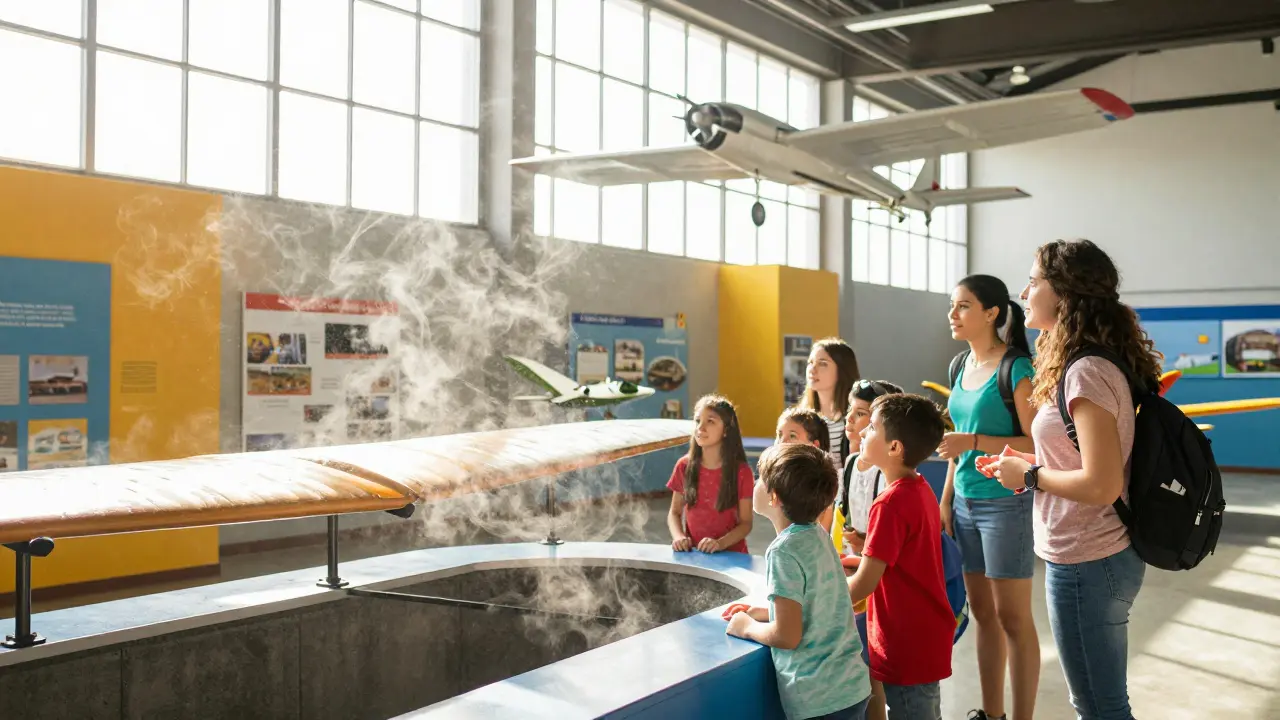
Another standout feature is the 'Wind Tunnel' exhibit. Here, you can see how air flows around different wing shapes. Simple experiments demonstrate lift and drag, concepts that are fundamental to flight. For younger visitors, there is a dedicated play area with model airplanes and building blocks. This ensures that even if they get tired of the large aircraft, they still have something engaging to do.
Practical Information for Your Visit
Planning your visit requires a bit of foresight. The museum is open seven days a week, but hours may vary during holidays. Admission fees apply, though discounts are available for students, seniors, and families. Consider purchasing tickets online to avoid queues, especially during summer months when tourism peaks.
- Opening Hours: Typically 10:00 AM to 5:00 PM, last entry at 4:00 PM.
- Admission: Check the official website for current prices, as they change annually.
- Accessibility: The museum is wheelchair accessible, with ramps and lifts available throughout the site.
- Dining: There is a cafe on-site offering light meals and refreshments. Prices are comparable to other tourist attractions.
- Getting There: Located at Edinburgh Airport. You can drive directly to the museum car park. Public transport options include buses from Edinburgh city center, but connections may be limited late at night.
Hidden Gems and Lesser-Known Exhibits
Beyond the famous jets, the museum houses smaller artifacts that tell equally important stories. The collection includes early Scottish aviation pioneers' memorabilia, highlighting Scotland's significant contribution to aerospace innovation. Items related to Alexander Graham Bell's early helicopter experiments are particularly noteworthy, given his ties to Nova Scotia and Scotland.
There is also a section dedicated to space exploration, featuring models of rockets and satellites. This bridges the gap between atmospheric flight and outer space, showing how aviation technology paved the way for space travel. Don't miss the display of vintage flight suits and instruments, which provide a tangible connection to the human side of aviation history.
How to Maximize Your Visit
To get the most out of your time at the National Museum of Flight, follow these tips:
- Book Concorde Tours Early: If you want to go inside the Concorde, reserve your slot weeks in advance.
- Allow Enough Time: Plan for at least three hours to see everything thoroughly. Rushing will mean missing details.
- Combine with Airport Watch: After visiting the museum, head to the airport terminal or a nearby spot to watch planes take off. It complements the historical perspective with modern reality.
- Check for Special Events: The museum hosts occasional events, such as pilot talks or restoration workshops. These can add depth to your experience.
- Bring Comfortable Shoes: You will be walking a lot, both inside the hangars and outside among the aircraft.
Conclusion: More Than Just Planes
The National Museum of Flight is more than a repository of old machines. It is a testament to human ingenuity and courage. From the wooden biplanes of the early 20th century to the supersonic speeds of Concorde, each artifact tells a story of progress. Whether you are a seasoned aviation buff or a curious traveler, the museum offers something valuable. It connects you to the sky in a way that no textbook ever could.
As you leave, look up at the clouds. Think about the thousands of people flying above you right now, relying on the same principles demonstrated in the museum's exhibits. That sense of continuity is what makes this place truly special.
Is the National Museum of Flight free to enter?
No, admission fees apply. However, there are discounted rates for children, students, seniors, and families. Buying tickets online in advance can sometimes offer savings and help you skip the ticket queue.
Can I go inside the Concorde at the National Museum of Flight?
Yes, but only on guided tours. Due to the fragility of the aircraft, general public access to the interior is restricted. These tours must be booked in advance as spaces are limited. Exterior viewing is always available.
How long does it take to visit the museum?
Most visitors spend between two to four hours. If you plan to join a Concorde tour or explore every interactive exhibit, you might need closer to four hours. Casual visitors who focus on the main aircraft can complete the tour in about two hours.
Is the museum suitable for young children?
Absolutely. The museum has dedicated family areas, including a play zone and interactive simulators designed for kids. The large aircraft are fascinating for children, and the staff are accustomed to helping families navigate the exhibits.
Where is the best place to park near the museum?
The museum has its own car park located directly adjacent to the entrance. It is convenient but can fill up quickly during weekends and school holidays. Arriving early in the day is recommended to secure a spot. Alternatively, you can use the long-stay parking at Edinburgh Airport and walk, though this takes longer.
Are there any restaurants inside the museum?
Yes, there is a cafe on-site that serves hot and cold drinks, snacks, and light meals. It is a good option for a quick break, but for a full dinner, you might want to explore dining options in nearby Edinburgh city center or at the airport terminal itself.