
You can still smell the ink on the page if you know where to look. Walking through Literary Scotland isn't just about spotting statues in parks; it's about stepping into the physical spaces that shaped some of the world's most enduring stories. From the damp cellars of Edinburgh to the windswept moors of Ayrshire, the landscape here is a character in its own right. If you're planning a trip or just love tracing the footsteps of giants, this guide cuts through the tourist fluff to show you exactly where Robert Burns, Walter Scott, and Robert Louis Stevenson lived, wrote, and died.
Why Location Matters for Scottish Writers
Scottish literature didn't happen in a vacuum. The geography dictated the tone. The harsh winters of the Highlands bred the gothic dread found in later works, while the bustling, claustrophobic streets of Edinburgh fueled the social satire of the Enlightenment. Understanding the link between place and prose helps you appreciate why a specific cottage in Alloway feels different from a grand estate in the Borders. It’s not just scenery; it’s context.
Robert Burns: The Ploughman Poet of Ayrshire
If you want to understand the soul of Scotland, you start with Robert Burns. He wasn't an aristocrat writing in a tower; he was a farmer who happened to be a genius. His work is rooted in the soil of Ayrshire.
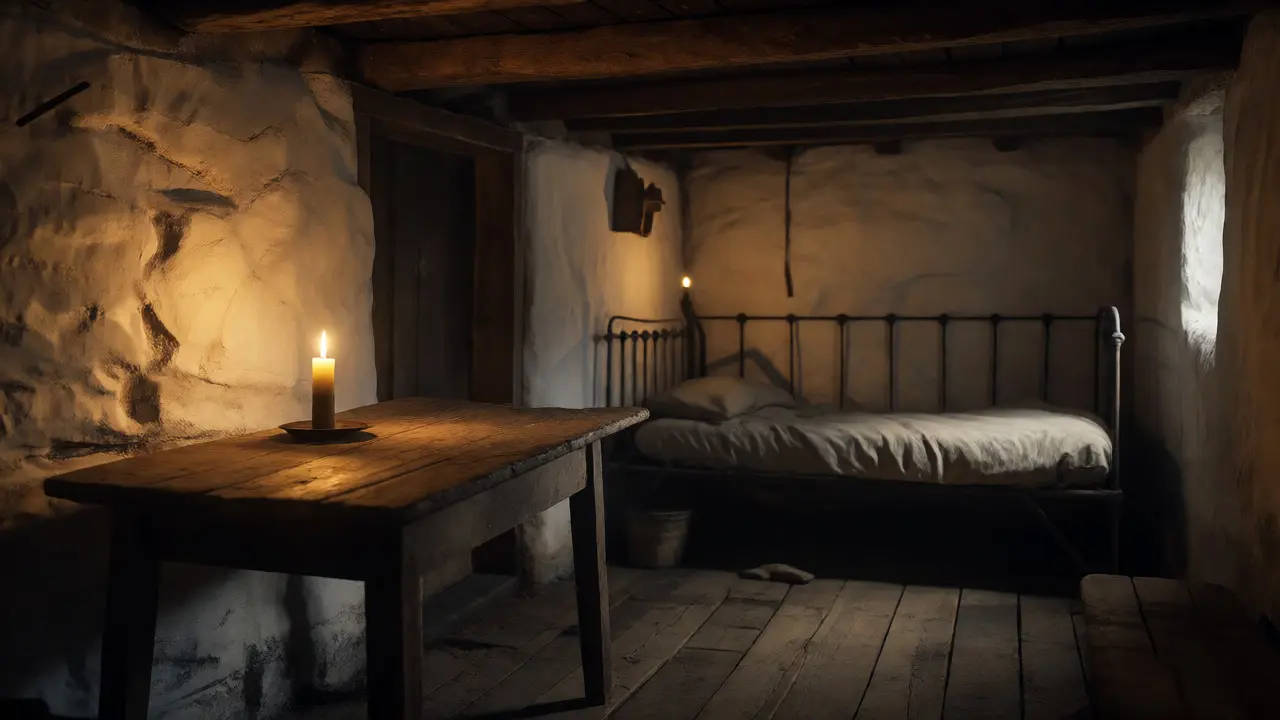
Burns Cottage in Alloway is the obvious starting point. This two-room clay-built house is where Burns was born in 1759. Standing in the tiny kitchen, you realize how cramped life was. There was no luxury here, just survival. The adjacent Burns Monument, a rotunda built by public subscription after his death, offers a panoramic view of the countryside that inspired poems like "Tam o' Shanter." Don't skip the nearby Alloway Kirk, the ruined church that served as the setting for the witch-filled dance scene in that same poem. The atmosphere there is genuinely eerie at dusk.
For a deeper dive, head to Dumfries. Burns spent his final years here working as an Excise Officer. His house, Burns House, is preserved exactly as it looked when he died in 1796. You can see his desk, his books, and even the bed where he took his last breath. It’s a sobering end to a vibrant life. The nearby Devorgo Water Gardens are where he supposedly composed many of his later lyrics, sitting by the riverbank.
Sir Walter Scott: The Architect of Scottish Identity
If Burns gave Scotland its voice, Sir Walter Scott gave it its image. Before Scott, the Highlands were seen as a lawless backwater. After him, they became romanticized destinations for tourists across Europe. His influence is massive, and his footprint is largest in the Scottish Borders and Edinburgh.
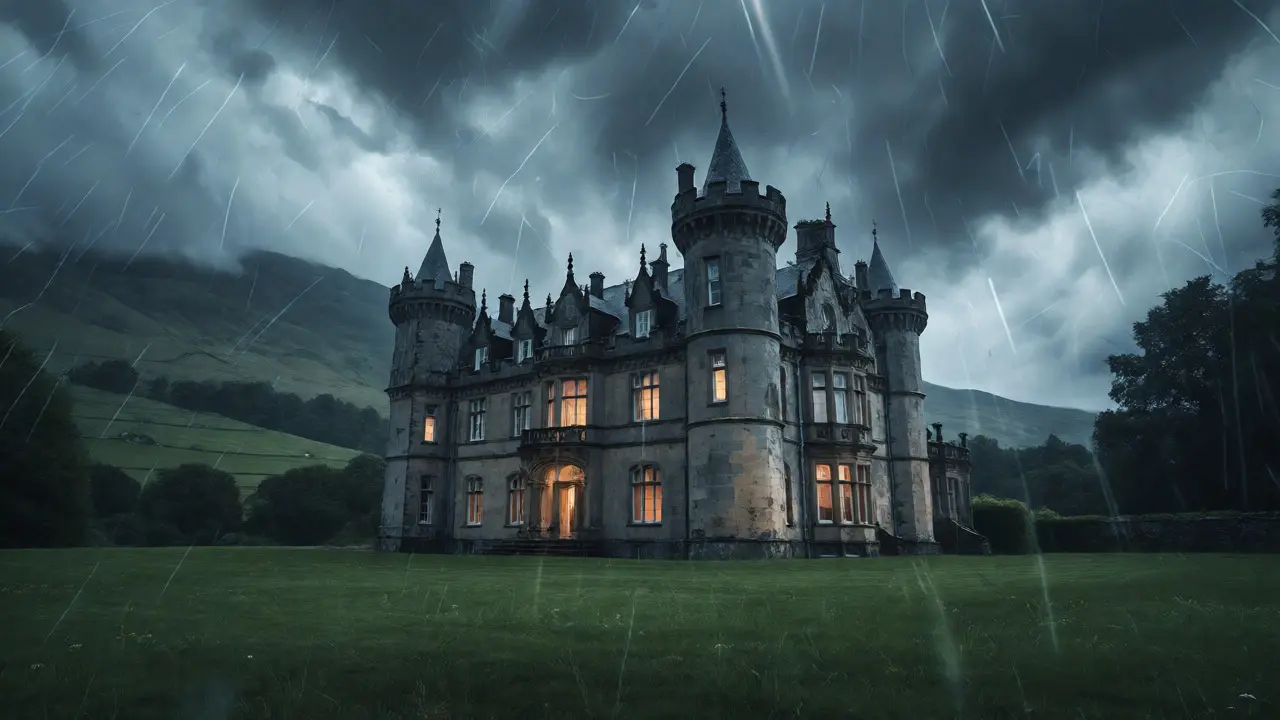
Abbotsford House near Melrose is essential. Scott bought this farm and turned it into a baronial castle, using the proceeds from his novels to pay off debts. It’s a chaotic, fascinating mix of architecture and memorabilia. You’ll see his library, filled with thousands of volumes, and the drawing room where he hosted kings and queens. The house itself is a testament to his ambition and his financial mismanagement. It’s not a pristine museum piece; it’s a lived-in home that tells the story of a man trying to buy respectability with words.
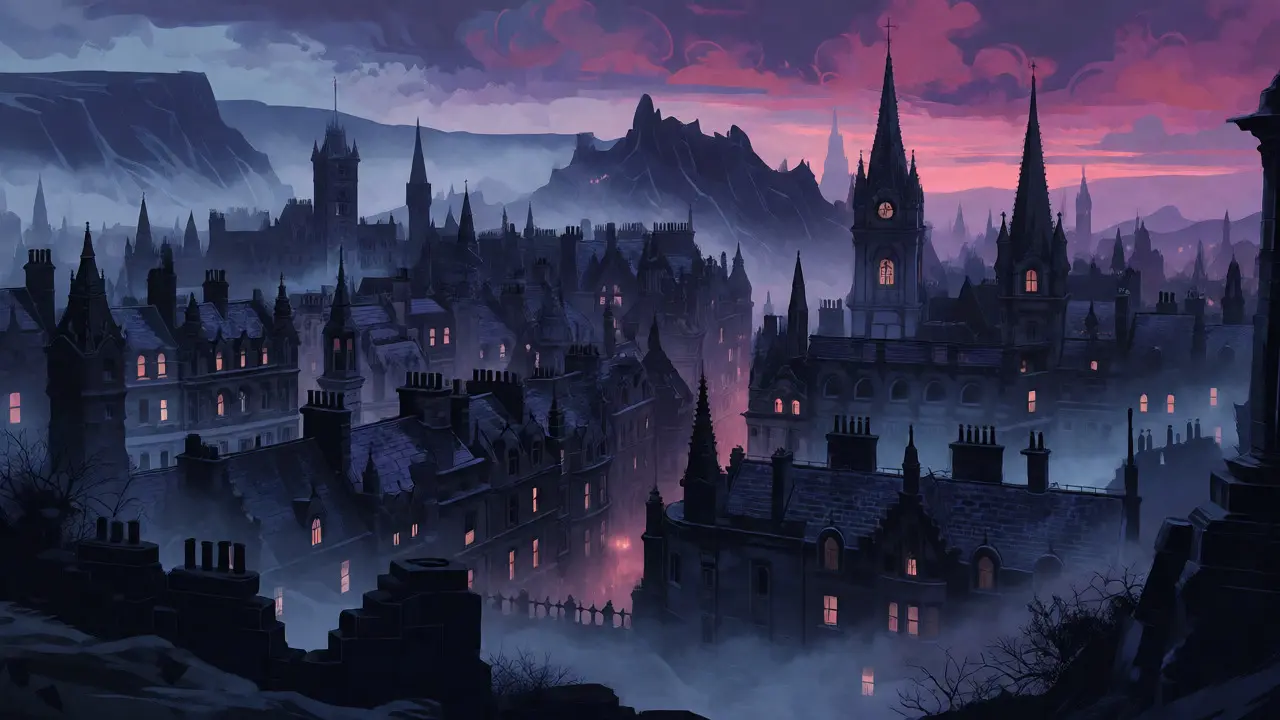
In Edinburgh, walk the Royal Mile but look up. Scott lived in various apartments along this street. The Scott Monument in Princes Street Gardens is the largest monument to a writer in the world. Climb the 287 steps (yes, stairs only) for a dizzying view of the city. But for a quieter experience, visit Greyfriars Kirkyard. While famous for Greyfriars Bobby, it’s also where Scott buried his first wife. The gravestones here are dense with history, and the atmosphere is thick with the kind of gloom that permeates his historical novels.
Robert Louis Stevenson: The Traveler Who Never Stayed Still
Robert Louis Stevenson (RLS) is often remembered for "Treasure Island," but his life was a series of escapes. Born in Edinburgh, he fled the city’s smog and social constraints repeatedly due to chronic lung disease. His connection to Scotland is complex-he loved it, but it often tried to kill him.
Start at Stevenson’s Birthplace at 17 Heriot Row in Edinburgh’s New Town. It’s a stark contrast to Burns’ cottage. This is Georgian elegance, reflecting his father’s wealth as a lighthouse engineer. The interior recreates the Victorian middle-class life that Stevenson rejected. From here, take a walk to the Calton Hill. Stevenson used to climb here to escape his tutors. The view of the city below, with its spires and crags, likely influenced the duality themes in "Dr Jekyll and Mr Hyde," which was set in Edinburgh’s Old Town.
But RLS’s true literary home in Scotland might be Broughty Ferry, just outside Dundee. He stayed here with his family in 1880. The local library holds significant archives, including letters and first editions. For those interested in his darker tales, the foggy, industrial backdrop of the River Tay estuary provided the perfect mood for his ghost stories. Unlike Burns or Scott, who put down roots, Stevenson’s legacy is tied to movement. He left Scotland for France, then America, and finally Samoa, where he died. But the seeds of his imagination were sown in these cold northern streets.
Planning Your Literary Pilgrimage
Trying to see everything in one weekend will leave you exhausted and broke. Here is a realistic approach based on time and interest.
| Writer | Primary Region | Key Site | Vibe | Time Needed |
|---|---|---|---|---|
| Robert Burns | Ayrshire & Dumfries | Burns Cottage, Alloway | Rural, Humble, Pastoral | 1-2 Days |
| Walter Scott | Borders & Edinburgh | Abbotsford House | Grand, Historic, Romantic | 1 Day (plus Edinburgh) |
| R.L. Stevenson | Edinburgh & Fife/Dundee | Heriot Row, Calton Hill | Urban, Gothic, Restless | Half Day to 1 Day |
For the Purist: Focus on Ayrshire. Rent a car and drive the coast from Alloway to Dunure Castle. Read "Tam o' Shanter" before you go; the geography matches the poem perfectly.
For the Historian: Stick to the Borders. Visit Abbotsford, then drive to Kelso Abbey and Dryburgh Abbey, which feature heavily in Scott’s novels. Finish in Edinburgh to see where he published.
For the Urban Explorer: Stay in Edinburgh. Walk from Heriot Row to the Old Town. Visit the Writers’ Museum on Lady Stair’s Close, which covers all three men (and others). It’s small but packed with original manuscripts and personal items.
Common Pitfalls to Avoid
First, don’t rely solely on tour buses. They drop you at the gift shop and rush you through the main hall. You miss the details-the scratch marks on a desk, the view from a specific window. Second, check opening times. Many smaller houses, especially in rural areas like Ayrshire, close earlier than you expect, particularly in winter. Third, manage your expectations regarding "authenticity." Some interiors are reconstructed. That doesn’t make them less valuable, but knowing what is original and what is replica adds depth to your understanding.
Final Thoughts on Reading While You Walk
The best way to engage with Literary Scotland is to carry a pocket edition of the relevant author. Sit on a bench in Prince Street Gardens and read a chapter of Waverley. Stand in Burns Cottage and recite "To a Mouse." It bridges the gap between the text and the terrain. These writers weren't just describing places; they were arguing with them, loving them, and defining them. When you walk their paths, you’re not just a tourist. You’re part of the conversation.
Do I need a car to visit these literary sites?
For Edinburgh and Glasgow, no. Public transport is excellent. However, for Burns sites in Ayrshire and Scott’s Abbotsford in the Borders, a car is highly recommended. Public transport options exist but are infrequent and can waste hours of your day. If you don’t drive, consider joining a specialized literary coach tour from Edinburgh.
Are these sites suitable for children?
Yes, depending on age. Burns Cottage appeals to kids because of the witches and goblins in Tam o' Shanter. Abbotsford has a spooky vibe that older children enjoy. Stevenson’s birthplace is more subdued and suits teenagers interested in history or literature. Most sites offer family-friendly audio guides.
Which writer should I focus on if I only have one day?
If you are based in Edinburgh, choose Sir Walter Scott. You can visit the Scott Monument, walk the Royal Mile, and take a quick train to Abbotsford if you start early. If you prefer nature and poetry, spend the day in Ayrshire visiting Burns Cottage and the Monument.
Can I see original manuscripts?
Original manuscripts are fragile and rarely displayed permanently. The National Library of Scotland in Edinburgh has a rotating display of significant items. The Writers’ Museum in Edinburgh displays facsimiles and some original personal effects, but actual handwritten drafts are usually kept in climate-controlled archives.
Is Robert Louis Stevenson considered a 'Scottish' writer?
Absolutely, though he is a global citizen. He was born in Edinburgh and spent his formative years there. His early works are deeply rooted in Scottish settings and themes. While he lived abroad for health reasons, his identity remained Scottish, and he is celebrated as one of the nation’s greatest storytellers.