
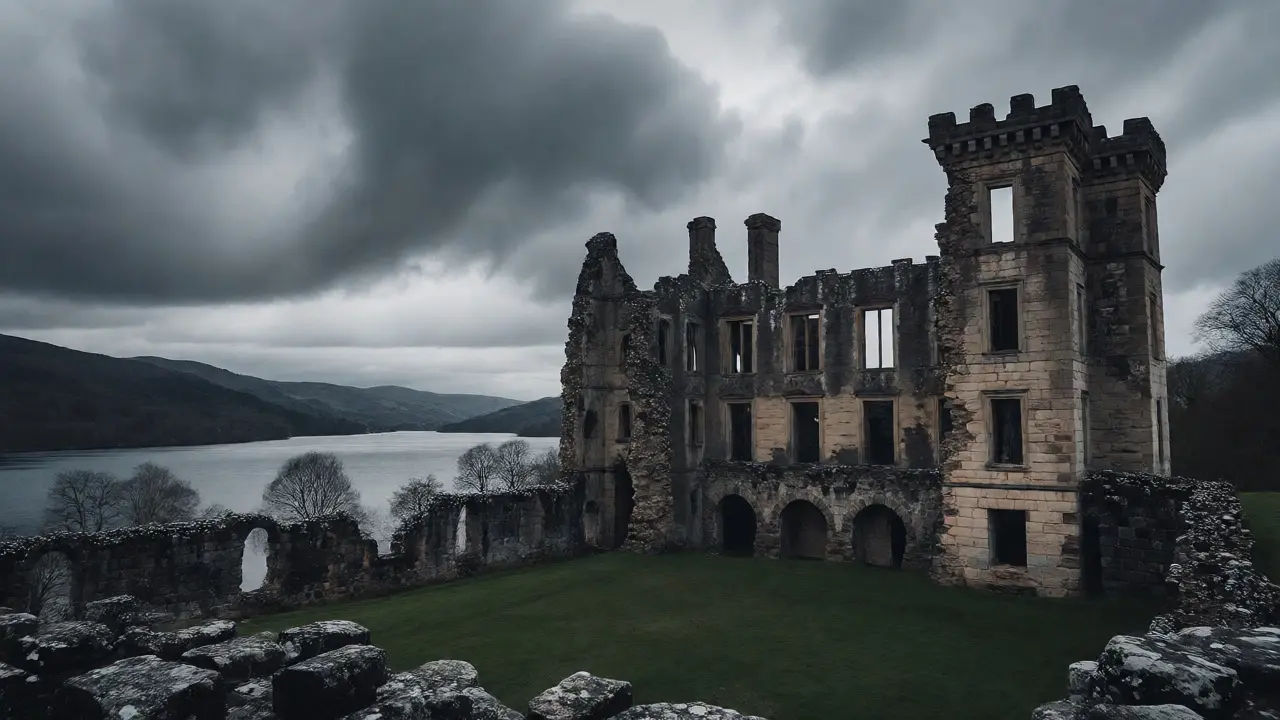
You stand at the edge of a massive, roofless hall, wind whipping off Loch Linlithgow and carrying the chill of five centuries. This isn't just another pile of stones in Scotland. It's where Mary Queen of Scots drew her first breath in December 1542, six days after her father died. If you're planning a trip to central Scotland, skipping this place means missing one of the most significant royal sites in the country. But here's the thing: it looks like a ruin because it is one. That doesn't mean it lacks grandeur. In fact, the sheer scale of what remains tells you more about Stewart power than any intact castle could.
This guide cuts through the tourist brochures. We'll cover exactly how to visit, what you're actually looking at when you stare into those empty window frames, and why this spot matters beyond the famous baby story. Whether you're a history buff or just killing time between Edinburgh and Glasgow, Linlithgow deserves your afternoon.
Why Linlithgow Palace Matters More Than You Think
Most people know Linlithgow Palace as a birthplace. That's fair, but it undersells the site. Before Mary arrived, this was the primary residence for Scottish kings outside Edinburgh. James I started building it in 1424 after his release from English captivity. He wanted a statement. He got one. The palace wasn't a defensive fortress; it was a luxury home designed to impress ambassadors and intimidate rivals.
Think of it as the Scottish version of Hampton Court, but older and rougher around the edges. Over generations, monarchs added wings, fountains, and courtyards. By the time Mary was born, it was a sprawling complex of stone and timber. Today, only the stone shell remains, but the layout is still clear. You can walk the same paths James V walked before he died here in 1542. Yes, the same year his daughter was born. The irony isn't lost on locals.
| Feature | Detail |
|---|---|
| Location | Linlithgow, West Lothian (20 miles west of Edinburgh) |
| Primary Builder | James I of Scotland (started 1424) |
| Famous Resident | Mary Queen of Scots (born Dec 8, 1542) |
| Status | Ruin managed by Historic Environment Scotland |
| Best For | History lovers, photographers, short day trips |
The Mary Queen of Scots Connection
Let's address the elephant in the room. Did Mary really have a dedicated room? Not exactly. She was likely born in a private chamber within the north range, which no longer stands in its original form. What you see today is a reconstruction of the era's vibe, not a preserved nursery. However, the connection is tangible. There's a small exhibition near the entrance that details her early life here. It's modest but effective. They show replicas of objects from the period-silver spoons, textiles, tools-that help you visualize domestic life in the 1540s.
Here’s a common misconception: people think she grew up here. She didn't. After her father's death, she was sent to Stirling Castle for safety, then to France at age five. Linlithgow was her start, not her childhood home. Still, standing in the courtyard where her parents lived adds emotional weight to the visit. You realize how fragile royal succession was. One king dies, an infant queen inherits a throne, and the country plunges into chaos. It happened right here.
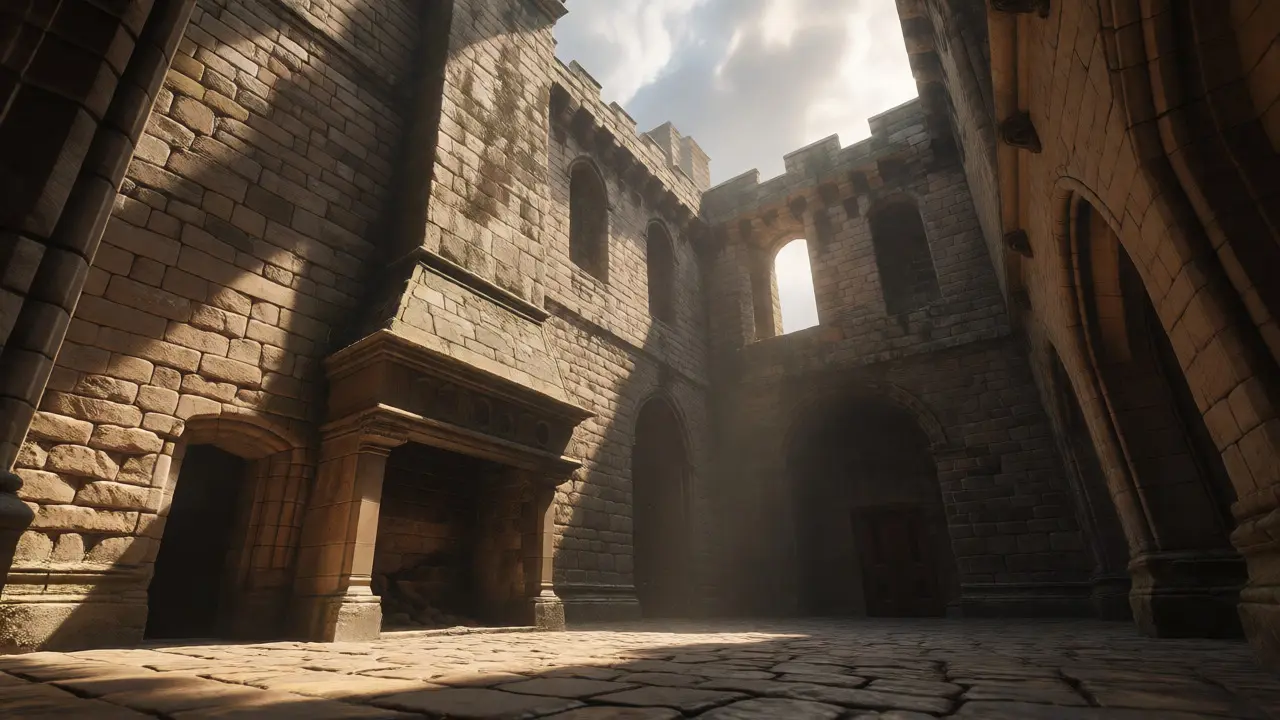
What to Actually Look At (Beyond the Ruins)
If you just wander aimlessly, you'll miss the details. Focus on these three areas:
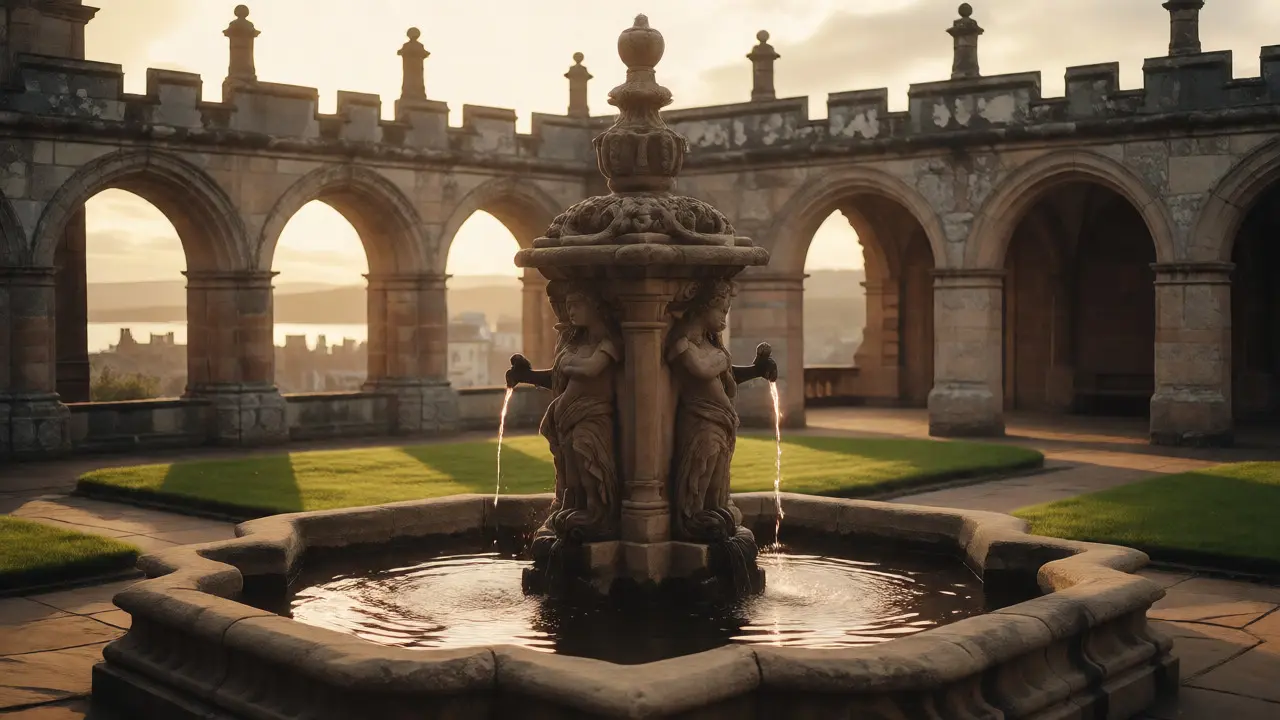
- The Fountain Courtyard: This is the heart of the palace. A central fountain, fed by water from Loch Linlithgow, once provided running water-a luxury few had. The carved figures are copies, but the originals are in the National Museum of Scotland. The craftsmanship shows French influence, reflecting the Auld Alliance with France.
- The Great Hall: Stand in the center and look up. No roof, yes, but the walls rise high. Imagine the noise of banquets, the smell of roasting meat, the echo of lutes. The fireplace at the end is huge, designed to heat a space that felt cavernous even when full.
- The Chapel Royal: Located on the east side, this is where James IV married Margaret Tudor in 1503. The wedding sparked a war with England later, so this little chapel changed European politics. The stonework here is some of the best preserved.
Don't ignore the views. From the upper levels, you can see the loch and the town of Linlithgow. The layout makes sense when you see it from above. The palace sits on a ridge, overlooking the water. It was meant to be seen. Kings wanted their subjects to look up and feel small.
Practical Tips for Your Visit
Visiting is straightforward, but a few tips save hassle. First, book tickets online if you can. Entry fees are reasonable-around £9 for adults-but lines can form during peak summer months. If you have a Historic Environment Scotland Explorer Pass, entry is included. That pass pays for itself if you're hitting multiple castles.
Wear proper shoes. The floors are uneven cobblestones and grassy patches. High heels are a bad idea. Also, bring layers. Even in July, the wind off the loch can cut through a t-shirt. The site is open daily, but hours shorten in winter. Check the current schedule before driving out.
How long do you need? Two hours is plenty for most visitors. If you're reading every plaque and taking photos, maybe three. It's compact. You don't get lost easily. There's a café inside the visitor center, but honestly, the town of Linlithgow has better options. Walk ten minutes down the street to The Black Bull pub for a decent meal and a pint.
Getting There and Nearby Stops
Linlithgow is easy to reach. By car, it's a 30-minute drive from Edinburgh city center via the M9. Parking is available near the palace, but it fills up fast. Public transport is also solid. Trains run frequently from Edinburgh Waverley to Linlithgow station. It's a 15-minute walk from the station to the palace. This is arguably the best way to go if you want to avoid traffic stress.
Combine your visit with nearby spots. The town itself is charming, with cobbled streets and independent shops. If you have time, head to Falkirk Wheel, 15 minutes away by car. It's a modern engineering marvel contrasting sharply with medieval ruins. Or continue west to Callendar House in Falkirk, another historic site with a different vibe. For history buffs, pairing Linlithgow with Stirling Castle creates a powerful narrative arc of Stewart power and conflict.
Common Pitfalls to Avoid
Many visitors expect a fully restored interior like Windsor Castle. They get disappointed. Set expectations correctly. This is a ruin. The magic is in imagining what was there, not seeing it. Another mistake is rushing. Don't treat it as a box-ticking exercise. Sit on a bench by the fountain. Read the stories. Let the atmosphere sink in.
Also, don't skip the audio guide. It's free with entry. The narration provides context you won't get from signs alone. It explains who built what and why certain rooms were placed where they were. Without it, you're just looking at old walls. With it, you're walking through history.
Finally, check for special events. Linlithgow often hosts reenactments or markets in summer. These can enhance the experience significantly, adding costumes and music to the already atmospheric setting. Conversely, they can make the site crowded. Decide which trade-off works for you.
Is Linlithgow Palace worth visiting if I've been to Edinburgh Castle?
Yes, absolutely. While Edinburgh Castle is more intact and tourist-heavy, Linlithgow offers a quieter, more intimate experience. It focuses specifically on royal domestic life rather than military defense. The connection to Mary Queen of Scots is direct and personal here, whereas Edinburgh feels more institutional. Plus, Linlithgow is much less crowded, allowing for easier photography and reflection.
Can you go inside the buildings at Linlithgow Palace?
You can walk through the ground floor and lower levels of the remaining structures. Some upper floors and towers are accessible via stairs, offering great views. However, since it is a ruin, many rooms are open to the sky. There are no roofs over most of the main halls, so weather impacts the experience directly.
How far is Linlithgow Palace from Edinburgh Airport?
It is approximately 15 miles from Edinburgh Airport. By car, the drive takes about 20-25 minutes depending on traffic. There is no direct train from the airport to Linlithgow; you typically take a bus or taxi to Haymarket or Waverley stations, then catch a train to Linlithgow.
Are dogs allowed at Linlithgow Palace?
Yes, dogs are welcome in the grounds and usually in the exterior areas of the palace ruins. However, they are generally not permitted inside the visitor center or the small exhibition spaces. Always keep them on a leash due to other visitors and wildlife near the loch.
What is the best time of year to visit?
Late spring (May-June) and early autumn (September) offer the best balance of good weather and manageable crowds. Summer weekends can be busy with tour groups. Winter visits are quiet and atmospheric, especially if there's snow, but daylight hours are short and winds can be harsh.