
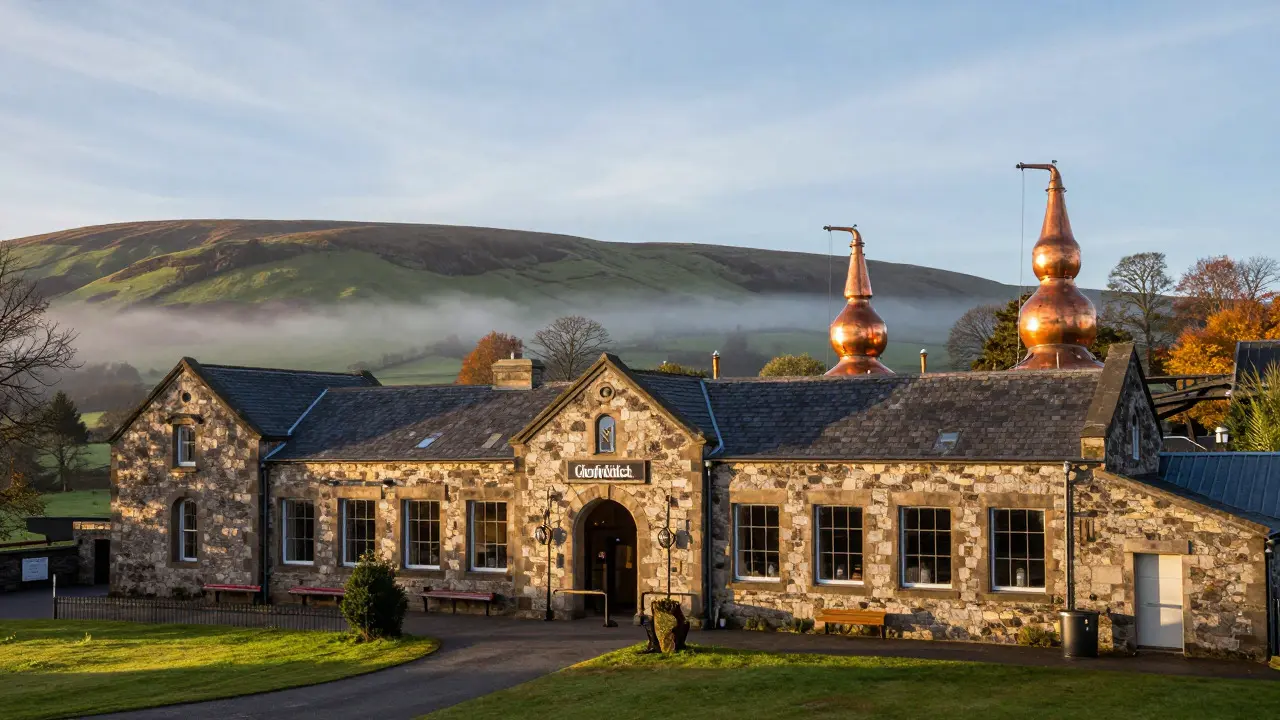
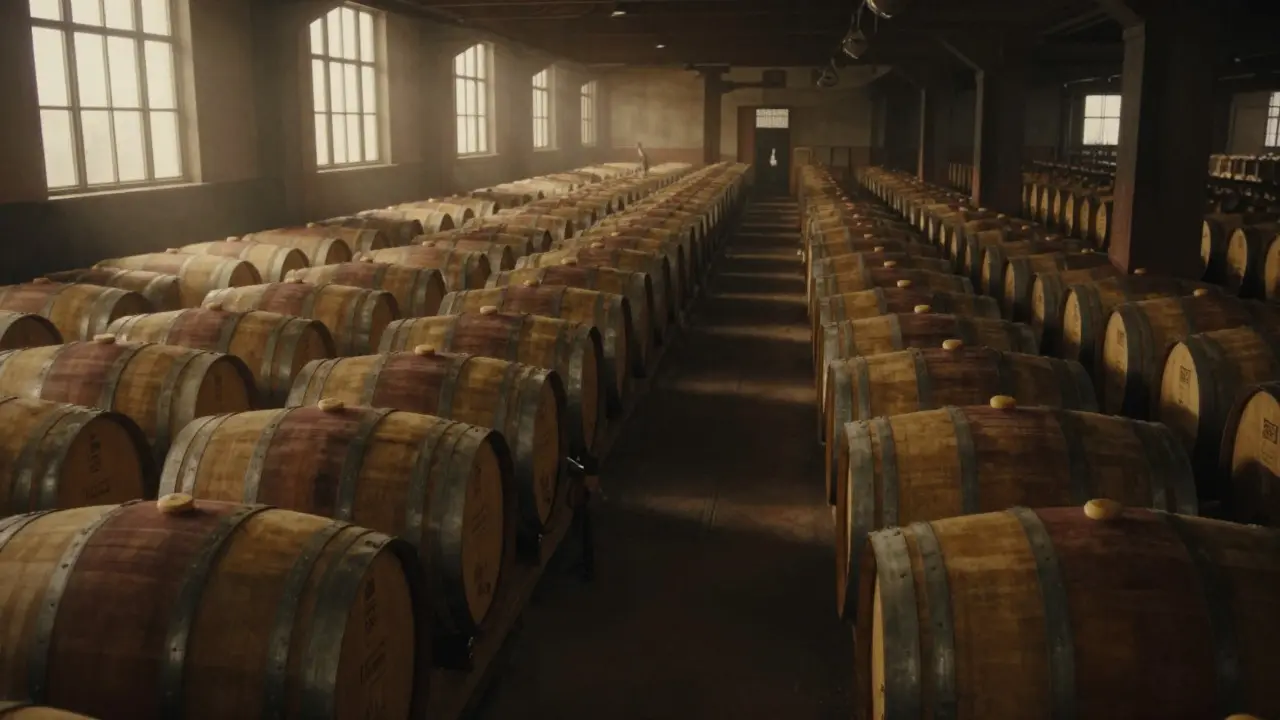
Imagine standing in a room filled with over 100,000 wooden casks, the air thick with the scent of oak, vanilla, and dried fruit. This isn't just a factory; it is the heart of one of the world's most famous spirits. Visiting Glenfiddich Distillery is a journey into the soul of Scottish whisky-making, located in the scenic town of Dufftown in the Speyside region. If you are planning a trip to Scotland, this experience often tops the list for good reason. It combines history, landscape, and, of course, exceptional single malt whisky.
But what exactly happens when you walk through those doors? Is it worth the travel time from Edinburgh or Glasgow? How do you choose between the standard tour and the more exclusive experiences? Let’s break down everything you need to know about the Glenfiddich tour and tasting experience so you can plan your perfect day in Speyside.
The Setting: Why Dufftown Matters
To understand Glenfiddich, you have to understand its home. The distillery sits in Dufftown, a small town that punches well above its weight in the whisky world. In fact, Dufftown has more distilleries per capita than any other town on Earth. Locals joke that they don't measure distance in miles, but in 'drams.'
The location was chosen deliberately by William Grant, the founder, in 1887. He didn't pick a spot near a big city or a major port. Instead, he looked for three things: pure water, abundant barley, and a skilled workforce. The area is rich in these resources. The water comes from a local burn (stream) that filters through peat-free ground, giving the whisky a clean, fresh character without the smoky flavor found in Islay whiskies. This geographical advantage is a key part of why Glenfiddich tastes the way it does.
| Attribute | Detail |
|---|---|
| Founded | 1887 by William Grant |
| Location | Dufftown, Moray, Speyside, Scotland |
| Region | Speyside |
| Annual Production | Over 13 million bottles |
| Water Source | Balwhinnie Burn |
| Cask Inventory | Approximately 100,000+ casks |
Choosing Your Tour: Standard vs. Premium
One of the first decisions you'll face is which tour to book. Glenfiddich offers several options, but two stand out as the most popular choices for visitors. Understanding the difference will help you manage your budget and expectations.
The Classic Tour is the entry point for most guests. It lasts about an hour and takes you through the production process. You’ll see the malting floor, where barley is traditionally dried over peat fire (though Glenfiddich uses unpeated malt for its core range), the fermentation vessels, and the stills. The highlight here is the maturation hall. Walking among rows upon rows of aging barrels is visually stunning. At the end, you get a tasting of their core range, usually including the 12-year-old, 15-year-old, and 18-year-old expressions. This is perfect if you want a solid overview without spending half the day.
If you have a bit more time and budget, the Ultimate Experience is a step up. This is a longer session, often lasting two hours or more. It includes everything in the Classic Tour but adds deeper insights into the craftsmanship. You might meet a master blender or learn more about the specific types of casks used-like sherry or bourbon barrels-and how they influence the flavor profile. The tasting portion is more extensive, featuring older vintages or limited editions not available in the standard tour. For serious whisky enthusiasts, this extra depth makes the premium price tag worthwhile.
The Tasting Room: More Than Just a Drink
Let’s talk about the food. Whisky tasting isn’t just about sipping alcohol; it’s about pairing flavors. The Glenfiddich visitor center is known for its excellent catering. During your tour, you won’t be handed a plastic cup and sent on your way. Instead, you’ll sit at a table with a sommelier or guide who explains what to look for in each dram.
They typically serve high-quality local cheeses, crackers, and sometimes chocolate or fruit-based accompaniments. These pairings are designed to complement the notes in the whisky. For example, a sharp cheddar might enhance the oaky tones in a 12-year-old, while a dark chocolate truffle could bring out the sweetness in a sherry-cask matured expression. Pay attention to these suggestions-they really change how you perceive the drink.
Don’t forget to take notes. It sounds formal, but writing down what you smell and taste helps you remember the nuances. Do you notice hints of green apple? Vanilla? Hints of spice? These details make the experience personal and memorable.
Planning Your Visit: Practical Tips
Logistics matter. Here’s how to make sure your trip goes smoothly:
- Book in Advance: Especially during peak season (May to September), tours sell out weeks ahead. Don’t assume you can just show up. Use the official website to secure your slot.
- Transportation: Public transport to Dufftown is limited. While there are buses from nearby towns like Elgin or Keith, having a car gives you flexibility. However, if you’re driving, remember that you’ll be drinking. Designate a sober driver or use taxi services. Some tour operators offer shuttle services from larger cities, but check availability early.
- What to Wear: The distillery is indoors, but you might spend time outside exploring the grounds. Comfortable shoes are essential. Also, dress smartly casual. You don’t need a suit, but jeans and a t-shirt might feel too informal for the tasting room atmosphere.
- Age Restrictions: You must be 18 or older to participate in the tasting. If you’re under 18, you can still join the tour part, but you’ll miss the final sip.

Combining Your Trip: Other Speyside Gems
Glenfiddich shouldn’t be the only stop on your itinerary. Since you’re already in Speyside, take advantage of the region’s density of distilleries. A short drive away, you’ll find others like Macallan, a renowned distillery famous for its sherry-seasoned oak casks and luxurious visitor center and Balvenie, known for being one of the few distilleries that still malts its own barley on-site.
Creating a multi-distillery route allows you to compare styles. Try visiting Glenfiddich in the morning, then head to another distillery in the afternoon. This variety keeps the palate fresh and gives you a broader understanding of what Speyside has to offer. Just pace yourself! Whisky is strong, and quality matters more than quantity.
Frequently Asked Questions
How much does the Glenfiddich tour cost?
Prices vary depending on the type of tour. As of 2026, the Classic Tour typically costs around £25-£30 per person. The Ultimate Experience and other premium packages can range from £50 to over £100, depending on the number of tastings and additional activities included. Always check the official website for current pricing and any seasonal promotions.
Do I need to book tickets online?
Yes, booking online is highly recommended, especially during the summer months and holidays. Walk-in spots are rarely available due to high demand. Online booking ensures your place and often allows you to select specific time slots that fit your schedule better.
Is Glenfiddich suitable for beginners?
Absolutely. The guides are trained to explain the process in simple terms, making it accessible for newcomers. They focus on the sensory experience rather than technical jargon, helping you appreciate the flavors without feeling intimidated.
Can I buy whisky directly from the distillery?
Yes, the visitor center has a well-stocked shop where you can purchase a wide range of Glenfiddich products, including limited editions and exclusive bottlings not found in regular stores. It’s a great place to pick up souvenirs or gifts.
Are there parking facilities at the distillery?
Yes, there is ample free parking available on-site for visitors arriving by car. The lot is large enough to accommodate coaches and private vehicles alike, making it convenient for groups and individuals.