
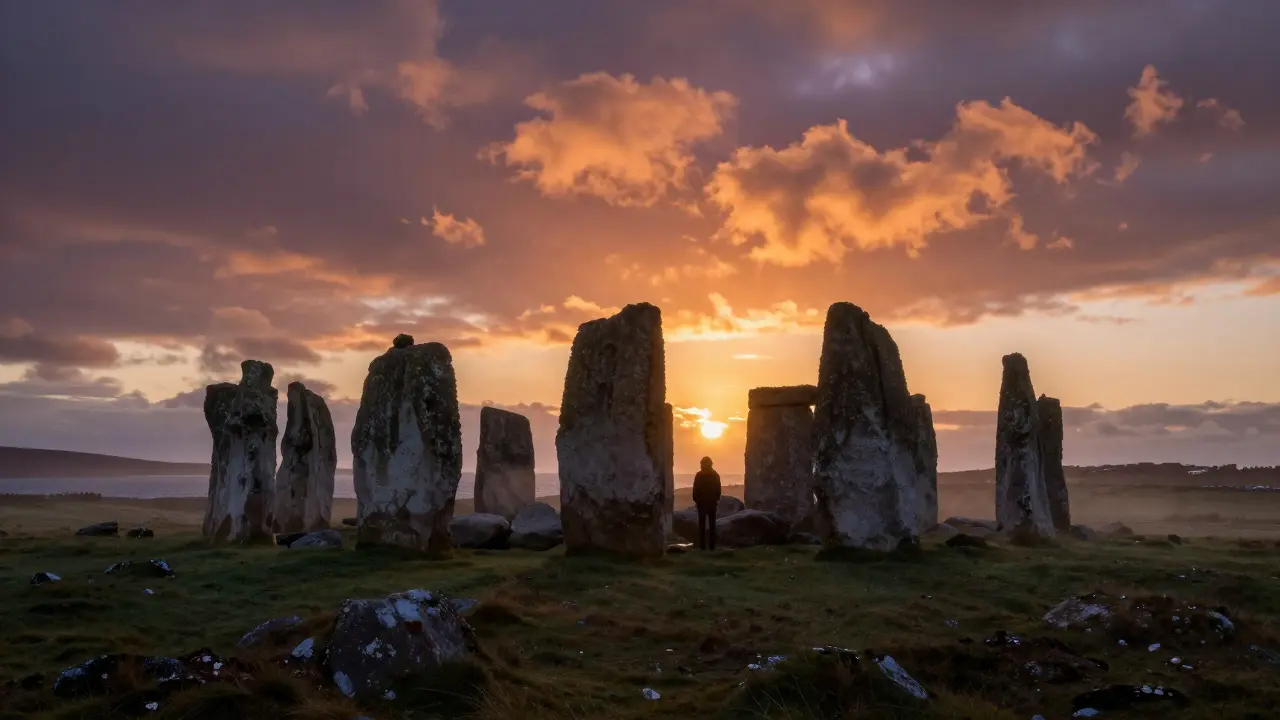
Imagine standing on the edge of the Atlantic, where the wind carries the sound of fiddles and bagpipes across ancient stone landscapes. This is not just a scene from a movie; it is the heartbeat of the Hebridean Celtic Festival, an event that defines cultural identity in the Outer Hebrides. For anyone planning to visit Scotland’s northwest coast, understanding this festival is key to experiencing the authentic soul of the islands. It is more than a concert series; it is a living archive of Gaelic language, traditional dance, and community spirit.
The Heart of the Outer Hebrides
To understand the festival, you first need to understand the place. The Outer Hebrides, also known as Na h-Eileanan Siar (the Western Isles), form a chain of islands off the west coast of mainland Scotland. The main island, Lewis and Harris, is home to the festival's primary hub, Stornoway. This town serves as the cultural capital of the archipelago, blending modern amenities with deep-rooted traditions.
The landscape here is stark and beautiful. You have the Callanish Stones, older than Stonehenge, standing sentinel over the fields. You have the white sands of Luskentyre in Harris, contrasting with the rugged cliffs of the North Coast 500 route equivalent in the islands. This environment shapes the music. The tunes are often melancholic yet resilient, mirroring the weather and the history of the people who have lived here for millennia.
What Happens at the Hebridean Celtic Festival?
The festival typically takes place in September, marking the end of the summer tourist season and the beginning of the darker months. It is organized by local trusts and supported by Creative Scotland, ensuring high production values while keeping the focus on community participation.
Here is what you can expect when you attend:
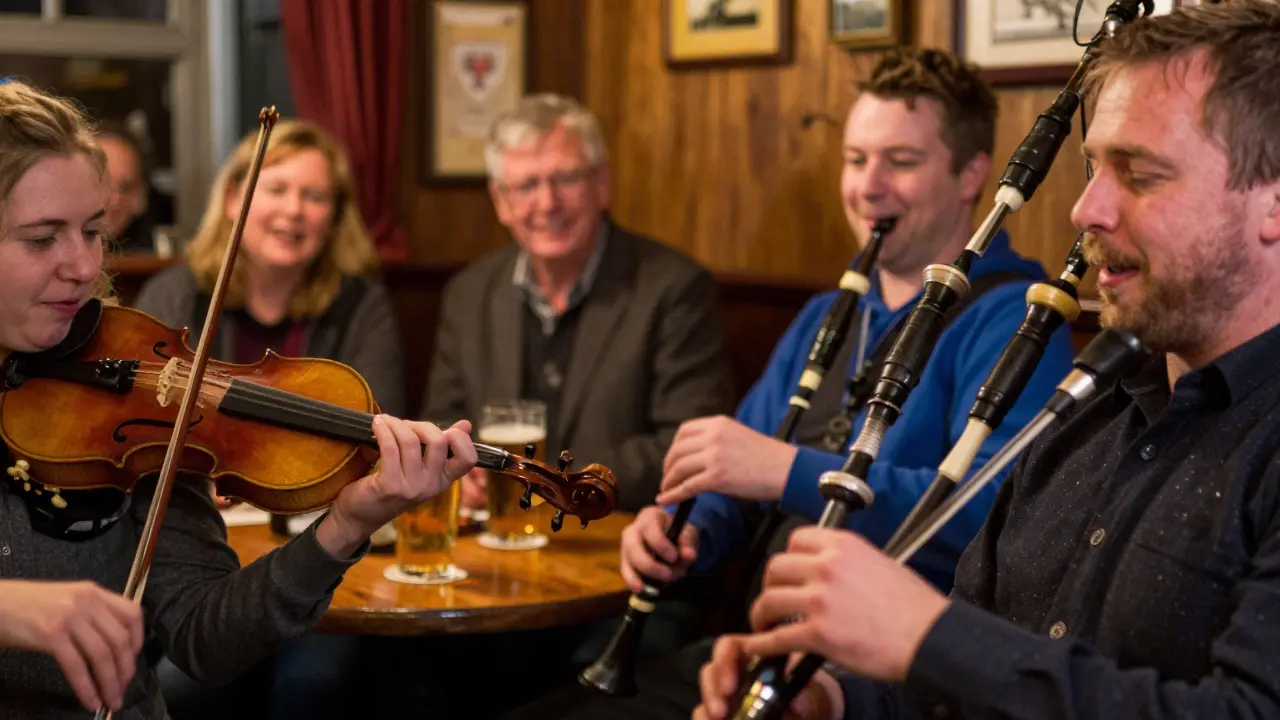
- Traditional Music Concerts: Expect sessions featuring the uilleann pipes, smallpipes, fiddle, accordion, and bodhrán. These are not just performances; they are conversations between musicians. You will hear both ancient airs and contemporary compositions rooted in tradition.
- Gaelic Language Events: Since Gaelic is still spoken by a significant portion of the population, the festival includes storytelling sessions, poetry readings, and debates conducted entirely in Gaelic. Subtitles or translations are often provided, but the immersion is the point.
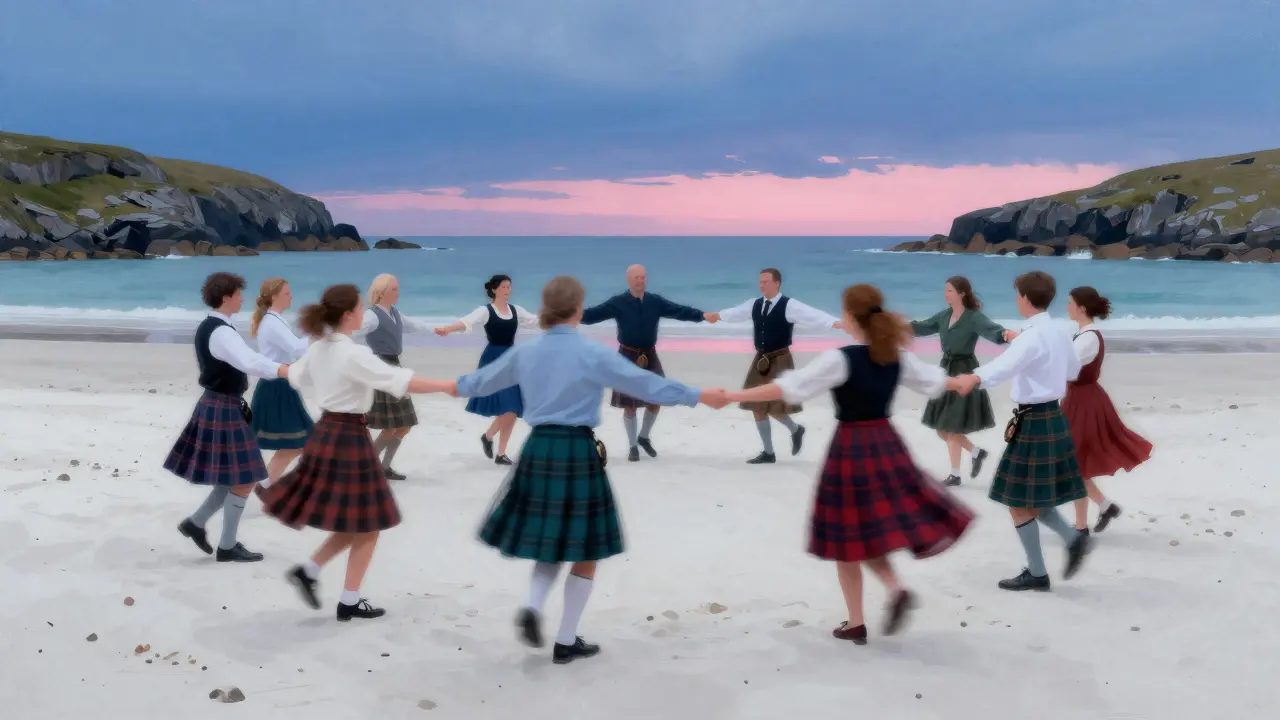
- Dance Competitions: Highland dancing and Ceilidh dancing are staples. You might see young dancers in kilts performing intricate footwork, or locals gathering for a communal Ceilidh where everyone joins in.
- Workshops and Masterclasses: If you play an instrument, you can learn from some of the best players in Scotland. These sessions cover technique, history, and improvisation within the modal scales common to Celtic music.
The atmosphere is informal. There is no red carpet. You might share a drink with a world-renowned piper after a set, discussing the nuances of a particular tune. This accessibility is a hallmark of Hebridean culture.
Why Culture Matters in the Islands
In many parts of the world, traditional festivals are seen as tourist attractions. In the Outer Hebrides, they are acts of preservation. The Gaelic language faced severe decline in the 19th and 20th centuries due to industrialization and policy changes. Today, revitalization efforts are strong, and the festival plays a central role in this.
Consider the BBC Radio nan Gàidheal, the Gaelic-language radio station based in Stornoway. They often broadcast live from the festival, reaching audiences across Scotland and beyond. This media presence helps keep the language alive and relevant for younger generations.
The festival also highlights the connection between land and art. Many songs reference specific locations, historical events like the Clearances, or maritime life. When you listen to these songs, you are hearing a map of the islands’ collective memory.
Planning Your Visit: Practical Tips
If you are thinking of attending, here is what you need to know to make the most of your trip.
When to Go
The festival usually runs for four days in mid-September. Check the official website for exact dates each year, as they can shift slightly. Weather in September can be unpredictable-expect rain, wind, and sunshine all in one day. Pack layers and waterproof gear.
Where to Stay
Accommodation in Stornoway fills up quickly during festival week. Options range from B&Bs to self-catering cottages. If Stornoway is full, consider staying in nearby villages like Tarbert or even on the smaller island of South Uist, which has its own vibrant cultural scene and is easily accessible by ferry.
| Location | Pros | Cons | Best For |
|---|---|---|---|
| Stornoway Town Centre | Walking distance to venues, restaurants, pubs | Higher prices, limited availability | Festival-goers who want convenience |
| Tarbert (North Harris) | Scenic views, quieter, good ferry links | Requires car/bus to reach Stornoway | Travelers seeking relaxation and nature |
| South Uist | Authentic rural experience, birdwatching | Further travel time to main festival | Nature lovers and extended trips |
Getting Around
A car is highly recommended. Public transport exists but is limited, especially outside of Stornoway. CalMac ferries connect the islands, and driving allows you to explore the coastline at your own pace. Be prepared for narrow roads and livestock wandering freely.
Beyond the Festival: Other Cultural Experiences
The Hebridean Celtic Festival is part of a larger ecosystem of cultural events in the Outer Hebrides. If you visit around the same time, you might also encounter:
- Mòd Events: The National Mod is a major Gaelic arts competition that sometimes holds events in the islands. Even if the main Mod is elsewhere, local Mòds occur throughout the year.
- Harris Tweed Heritage Trail: Visit mills and weavers to see how this iconic fabric is made. It is another example of preserving traditional craftsmanship.
- Historical Sites: Explore the Broch of Gurness, a well-preserved Iron Age settlement, or the Dun Carloway broch on South Uist.
These experiences complement the festival by providing context. Understanding the history of weaving, for instance, enriches your appreciation of the textiles worn during dances.
Supporting Local Communities
As a visitor, your presence supports the local economy. However, it is important to engage respectfully. Buy locally produced goods-Harris Tweed, seafood, whisky-and eat at family-run cafes. Listen actively during Gaelic sessions, even if you do not speak the language. Your interest validates their efforts to maintain their heritage.
The festival organizers often partner with local schools and youth groups. Children perform alongside adults, ensuring the transmission of skills to the next generation. By attending, you contribute to this cycle of continuity.
Common Questions About the Festival
You might wonder if you need to speak Gaelic to enjoy the festival. The answer is no. While Gaelic is central to the event, English is widely spoken, and many performances include explanations or are purely musical. The emotion in the music transcends language barriers.
Another common question is about ticketing. Most concerts require tickets, which can be purchased online or at the door. Some community events, like open-air ceilidhs, may be free. Always check the schedule in advance, as popular shows sell out.
Finally, consider the impact of tourism. The islands are fragile ecosystems. Stick to marked paths, respect wildlife, and dispose of waste properly. Sustainable tourism ensures that future generations can enjoy both the natural beauty and the cultural richness of the Outer Hebrides.
When does the Hebridean Celtic Festival take place?
The festival typically occurs in mid-September, running for approximately four days. Exact dates vary slightly each year, so it is best to check the official festival website for the current schedule.
Do I need to speak Gaelic to enjoy the festival?
No, you do not need to speak Gaelic. While Gaelic is a core part of the festival, many events are musical or visual, and English is widely spoken. Translations or subtitles are often available for spoken-word events.
Where is the main hub of the Hebridean Celtic Festival?
The main hub is Stornoway, located on the island of Lewis and Harris. Most concerts, workshops, and social events are centered here, though some activities may spill over to nearby communities.
What kind of music is featured at the festival?
The festival features traditional Celtic music, including pipe bands, fiddle sessions, accordion, and vocal performances. You will hear both historic tunes and contemporary works inspired by Gaelic heritage.
How should I book accommodation for the festival?
Book well in advance, as Stornoway fills up quickly. Consider alternatives like Tarbert or South Uist if central Stornoway is unavailable. A car is recommended for flexibility in getting around.
Comments (13)
-
Laura Davis July 14, 2026
Look, I get the romance of it all but stop acting like you're discovering some lost civilization when you just buy a ticket. It's music and dancing, not a sacred ritual that will cleanse your soul if you don't tip the busker enough. People need to respect the locals' space instead of treating their heritage like a theme park attraction where they can demand authenticity while complaining about the rain.

-
Lisa Nally July 15, 2026
Actually, from an ethnomusicological perspective, the Hebridean Celtic Festival serves as a crucial mechanism for intangible cultural heritage preservation within the Na h-Eileanan Siar demographic. The integration of modal improvisation techniques specific to the uilleann pipes and smallpipes creates a distinct sonic identity that differentiates it from mainland Scottish sessions. Furthermore, the linguistic immersion aspects are not merely performative; they represent a sociolinguistic resistance against historical anglicization policies. One must appreciate the structural complexity of the Ceilidh dance formations which require precise temporal synchronization among participants, thereby fostering communal cohesion through rhythmic interdependence.

-
Edward Gilbreath July 17, 2026
its all staged man creative scotland is just washing money through these festivals to keep the gaelic language alive because its dying naturally anyway why force it on tourists who dont care about the history just want photos for instagram the whole thing is a tourist trap designed to extract cash from americans who think they understand celtic culture by watching a youtube video

-
kimberly de Bruin July 18, 2026
the wind carries sound but does it carry truth or just noise we stand on stone landscapes that have seen empires rise and fall yet we cling to tunes as if melody can anchor us in time perhaps the melancholy is not resilience but acceptance of our own insignificance against the atlantic why do we seek connection through art when silence might offer more clarity

-
Edward Nigma July 19, 2026
I mean everyone says its authentic but its clearly commodified for the masses. You cant have a festival with high production values funded by government grants and call it grassroots community spirit. Its a contradiction. The accessibility mentioned is just marketing speak for lowering standards to appeal to casual listeners who dont know the difference between a jig and a reel. Stop pretending its pure when its clearly engineered for tourism revenue.

-
Francis Laquerre July 19, 2026
As someone who has spent considerable time engaging with Celtic traditions across Europe, I find the emphasis on Stornoway as a cultural capital somewhat reductive. The Outer Hebrides possess a depth of historical narrative that extends far beyond the festival grounds. The Callanish Stones are not merely scenic backdrops but active sites of ancestral memory. When one attends these events, there is a profound opportunity to witness the living continuity of Gaelic storytelling, which operates on a level of emotional resonance that transcends mere entertainment. The interaction between musicians during sessions reveals a deep-seated understanding of communal harmony that is increasingly rare in modern society.

-
michael rome July 20, 2026
It is truly commendable how the festival integrates educational components such as masterclasses and workshops. These initiatives ensure that traditional skills are passed down to younger generations, maintaining the integrity of the musical forms. The presence of BBC Radio nan Gàidheal further amplifies this impact by reaching a broader audience. Such efforts demonstrate a commitment to cultural sustainability rather than mere exhibitionism. Visitors should approach these experiences with humility and a willingness to learn, recognizing the significance of the preservation work being undertaken by local communities.

-
Andrea Alonzo July 22, 2026
I really believe that participating in the Ceilidh dances offers a unique chance for individuals to connect with others in a meaningful way, breaking down barriers of language and background through shared movement and rhythm. It is wonderful to see how inclusive these events can be, allowing people from all walks of life to join in and feel part of the community. The workshops provide an excellent opportunity for those interested in learning instruments to gain insights from experienced musicians, fostering a sense of mentorship and growth. By supporting local businesses and engaging respectfully with the culture, visitors contribute positively to the economic and social fabric of the islands. This kind of sustainable tourism helps preserve the environment and heritage for future generations to enjoy.

-
Saranya M.L. July 23, 2026
While the preservation of Gaelic culture is admirable, one must critically assess the efficacy of state-sponsored revitalization programs. In many post-colonial contexts, similar initiatives have failed to address underlying socioeconomic disparities, leading to superficial cultural performances rather than genuine linguistic revival. The reliance on external funding bodies like Creative Scotland introduces potential biases in curatorial decisions, potentially marginalizing less commercially viable aspects of the tradition. Furthermore, the commercialization of Harris Tweed and other artisanal products often benefits multinational corporations more than local producers, exacerbating economic inequalities within the region. A holistic approach would require addressing systemic issues beyond festival programming.

-
om gman July 24, 2026
oh please spare me the romanticized nonsense about ancient stones and resilient tunes. its just a bunch of old men playing pipes in the rain while tourists shiver in expensive waterproofs. the whole 'authentic soul' angle is laughable when half the performers are probably doing it for the grant money. i bet the food at the cafes is overpriced garbage too typical island scam. save your money and stay home

-
Jeanne Abrahams July 26, 2026
From my perspective in South Africa, where we also grapple with preserving indigenous languages amidst globalization, the Hebridean effort is both inspiring and slightly naive. The idea that a four-day festival can reverse centuries of linguistic erosion is charmingly optimistic. However, the tangible impact on local youth engagement cannot be dismissed. The visual spectacle of Highland dancing combined with the auditory richness of the pipes creates a powerful brand identity for the region. Whether it's genuine cultural salvation or sophisticated marketing is debatable, but the economic boost for Stornoway is undeniable.

-
Bineesh Mathew July 27, 2026
The tragedy of existence is mirrored in every note played on the fiddle here, a desperate attempt to hold back the encroaching void of modernity. We dance not for joy but to assert our presence against the indifferent Atlantic winds. The Gaelic words spoken are spells cast against forgetting, yet who listens truly? The festival is a masquerade of vitality masking the slow decay of tradition. We consume culture like fast food, discarding the essence for the aesthetic. Is it preservation or necromancy?

-
Oskar Falkenberg July 28, 2026
i totally agree with the point about accommodation being tricky because stornoway gets packed super quick so maybe look into tarbert or even south uist if you want something quieter and more scenic. its a bit of a drive to get to the main events but the ferry links are decent enough and you get to see some really beautiful countryside along the way which makes the trip worthwhile. plus staying outside the town centre means you avoid the crowds and noise which can be nice after a long day of concerts and ceilidhs. just make sure you book well in advance though because places fill up fast especially during september when the weather starts turning nasty so youll be glad to have a warm bed waiting for you.
