
Most people assume that visiting Scotland’s most spectacular botanical gardens requires a car. You picture long drives through the Highlands or navigating tight city streets to find parking at remote estates. But here is the truth: some of the finest garden walks in the country are actually easier to reach by train, tram, or bus than by private vehicle. If you are staying in Edinburgh or Glasgow, you can access world-class horticulture without touching a steering wheel.
This guide cuts through the noise. We are not talking about tiny pocket parks in the city center. We mean substantial, immersive garden experiences that offer hours of walking, distinct plant collections, and scenic views. More importantly, we focus on the logistics: exactly how to get there using public transport, where to catch your ride, and what to expect once you arrive. Whether you are a local looking for a weekend escape or a tourist trying to avoid the stress of UK driving, this list has you covered.
Why Choose Car-Free Garden Visits?
Driving in Scotland, especially around historic cities like Edinburgh and Glasgow, comes with genuine friction. Parking fees can range from £5 to £15 per hour, and finding a spot near popular attractions often takes longer than the walk itself. Add to that the congestion charges in certain zones and the anxiety of narrow one-way systems, and the appeal of a car diminishes quickly.
Public transport in these two cities is robust, frequent, and often scenic in its own right. Taking the train from Glasgow Queen Street to Helensburgh offers views of Loch Lomond before you even step onto the garden path. Riding the Edinburgh Trams from the airport to the city center drops you within walking distance of several green spaces. By choosing car-free access, you reduce your carbon footprint, save money on fuel and parking, and eliminate the mental load of navigation. You arrive relaxed, ready to focus on the plants and the landscape rather than your route home.
Top Car-Free Gardens Near Edinburgh
Edinburgh is built on hills and surrounded by nature, making it an ideal base for garden exploration. The city’s public transport network integrates seamlessly with its green infrastructure.
| Garden Name | Best Transport Mode | Journey Time from City Center | Key Feature |
|---|---|---|---|
| Royal Botanic Garden Edinburgh (RBGE) | Tram / Bus | 20-30 minutes | Tropical Glasshouse & Temperate House |
| Inverleith Park | Bus / Walk | 15 minutes | Rose Garden & Wildlife Pond |
| Pentland Hills Regional Park | Bus | 45 minutes | Wildflower Meadows & Panoramic Views |
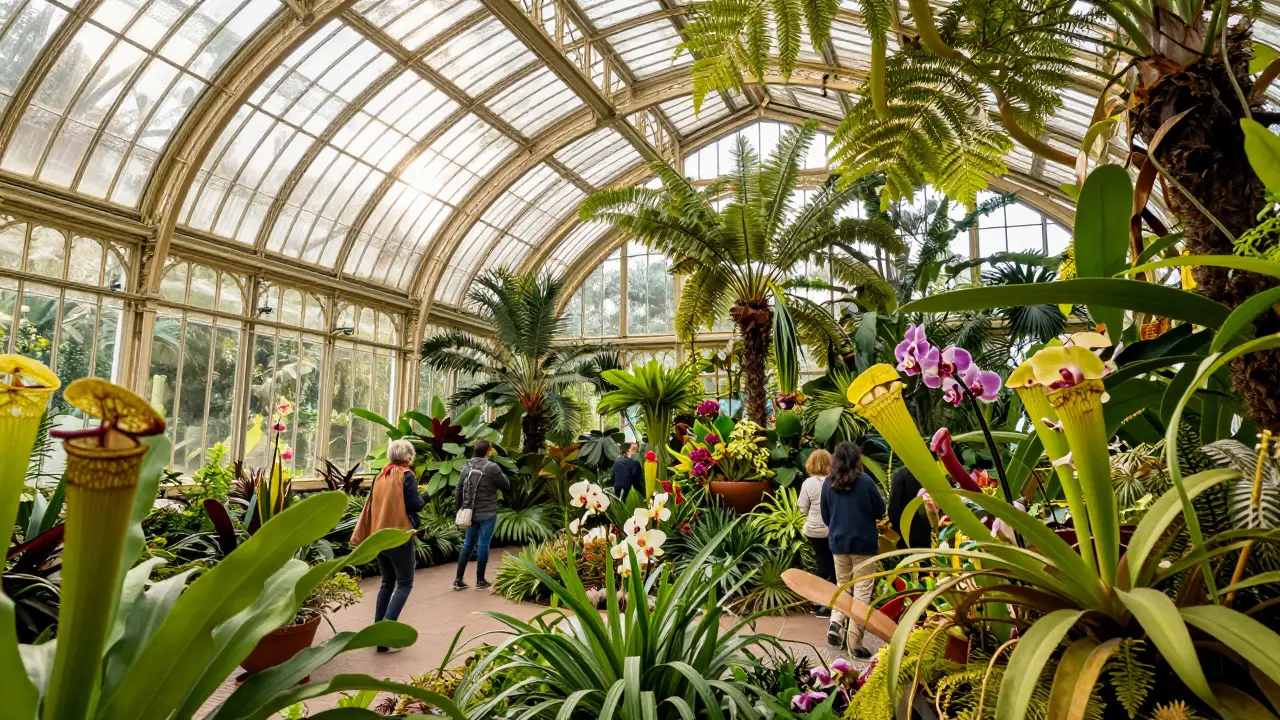
The crown jewel of Edinburgh’s green spaces is undoubtedly the Royal Botanic Garden Edinburgh. Located in the Loanhead area, it is easily accessible via the Edinburgh Trams. Simply take the tram from Princes Street or the Airport to the 'Haymarket' stop, then transfer to a local bus (number 29 or X29) which stops directly outside the main entrance. Alternatively, if you are feeling energetic, the walk from Haymarket along the Water of Leith Walkway takes about 40 minutes and passes through charming residential neighborhoods. Inside, you will find over 13,000 living plant species. The Tropical Glasshouse alone is worth the trip, housing orchids, carnivorous plants, and exotic ferns in a humid, jungle-like atmosphere.
For a more intimate experience, head to Inverleith Park. This park is connected to RBGE but operates as a separate public space. Take bus number 26 or 27 from the city center to the Inverleith Road stop. The park features a stunning rose garden with hundreds of varieties, a wildlife pond that attracts ducks and herons, and open grassy areas perfect for a picnic. It is free to enter, well-maintained, and offers a peaceful retreat just minutes from the hustle of Princes Street.
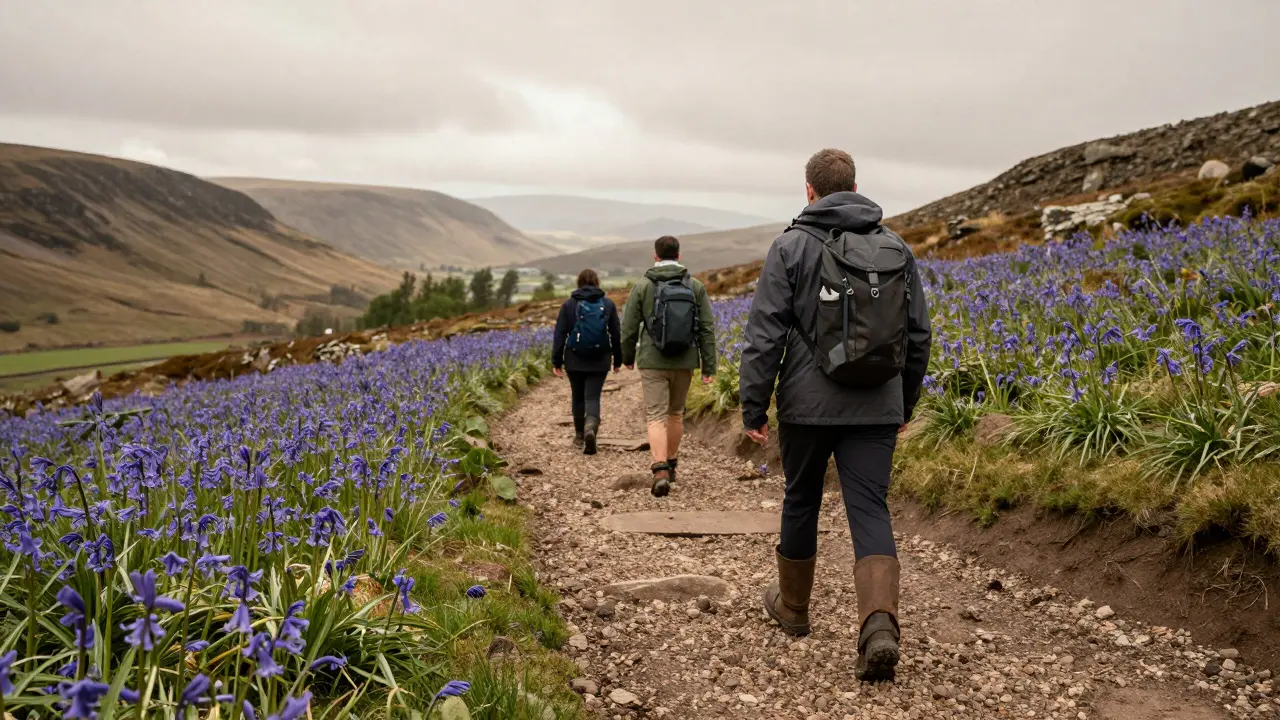
If you want to escape the urban environment entirely, consider the Pentland Hills. While not a formal garden, these hills are managed for biodiversity and feature extensive wildflower meadows. Take bus number 33 or 34 from Edinburgh Waverley Station to destinations like Roslin or Penicuik. From there, follow the marked trails into the hills. In spring, the landscape explodes with bluebells and cowslips. In autumn, the heather turns purple and gold. The bus service is regular, and the return journey is straightforward, making it a viable day trip without a car.
Top Car-Free Gardens Near Glasgow
Glasgow may have a reputation for industry, but it is also known as the "Greenest City in Europe." Its layout makes it exceptionally easy to visit major gardens via the subway, trains, and buses.
| Garden Name | Best Transport Mode | Journey Time from City Center | Key Feature |
|---|---|---|---|
| Glasgow Botanic Gardens | Subway / Bus | 15 minutes | Kibble Palace & Kew Connection |
| Pollok Country Park | Bus | 25 minutes | Japanese Garden & Pollok House |
| Cathkin Brae | Bus | 30 minutes | Panoramic City Views & Woodland Paths |
The Glasgow Botanic Gardens are located in the Hillhead district, adjacent to the University of Glasgow. To get there without a car, take the Glasgow Subway to 'Partick' station, then hop on bus number 3, 18, or 20 to Great Western Road. The gardens are renowned for their Victorian glasshouses, particularly the Kibble Palace, a cast-iron structure that houses tropical palms and cycads. The grounds also include the Creran's Garden, a traditional Scottish walled garden with fruit trees and vegetable patches. Entry is free, though donations are welcome to support maintenance.
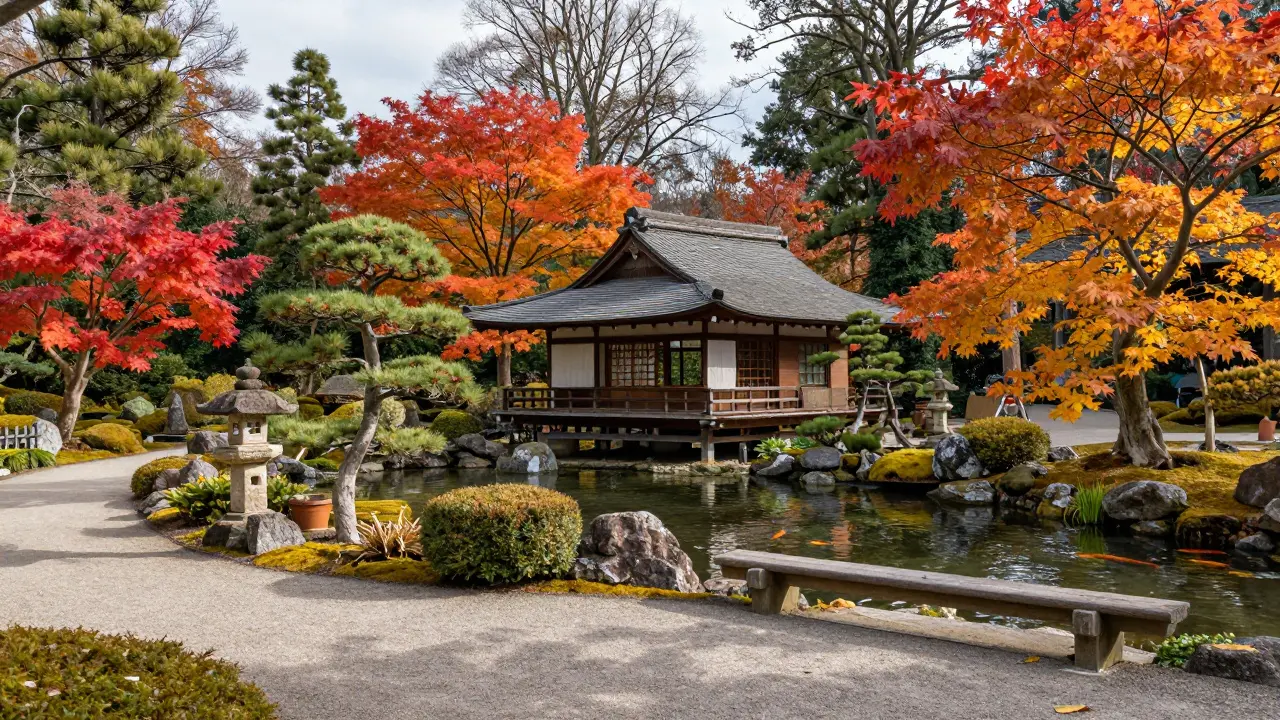
For a larger landscape experience, Pollok Country Park is a must-visit. Located in the South Side of Glasgow, it is accessible via bus number 50 or 51 from Buchanan Bus Station. The park spans 150 acres and includes woodland walks, lakes, and the famous Pollok House. A highlight is the Japanese Garden, designed by Shiro Mikami, featuring a tea house, koi ponds, and carefully pruned maples. The park is flat and easy to navigate, making it suitable for all ages. Buses run frequently, so you can leave whenever you wish without worrying about parking meters.
If you prefer rugged terrain and sweeping views, head to Cathkin Brae. Take bus number 16 or 50 to the Cathkin Brae stop. From there, a short walk leads to the summit, offering panoramic views of Glasgow and the surrounding hills. The area is rich in native flora, including rowan, birch, and bracken. It is less manicured than the botanic gardens but offers a raw, natural beauty that feels worlds away from the city center.
Logistics: Planning Your Car-Free Trip
Success in car-free travel depends on preparation. Here are practical tips to ensure a smooth experience.
- Check Timetables: Public transport schedules change seasonally. Use apps like Citymapper or Translink to check real-time departures. For rural areas like the Pentland Hills, last buses may depart as early as 8 PM.
- Buy Tickets in Advance: In Edinburgh, the Tram ticket machine queues can be long. Buy tickets online or use contactless payment on buses. In Glasgow, the Subway accepts contactless cards, but having a small amount of cash for single tickets is wise.
- Wear Appropriate Footwear: Scottish gardens often involve uneven paths, gravel, and mud. Sturdy walking shoes or boots are essential, regardless of the weather forecast.
- Layer Up: Weather in Scotland is unpredictable. Even in summer, temperatures can drop quickly. Bring a waterproof jacket and layers that you can add or remove easily.
- Plan for Rain: Many gardens have sheltered areas like glasshouses or visitor centers. Identify these spots before you start walking. The Royal Botanic Garden Edinburgh has excellent indoor facilities if rain sets in.
Seasonal Considerations
The best time to visit gardens in Scotland varies by interest. Spring (April-May) is peak season for blooming flowers, including daffodils, tulips, and rhododendrons. Summer (June-August) offers long days and warm temperatures, ideal for outdoor picnics and exploring large parks. Autumn (September-November) brings vibrant foliage colors, particularly in the woodlands of Pollok Country Park and the Pentland Hills. Winter (December-March) is quieter, with fewer crowds, but some outdoor areas may be closed due to ice or snow. Indoor glasshouses remain open year-round, providing a reliable option during colder months.
FAQ: Common Questions About Car-Free Garden Visits
Is it safe to walk to these gardens after dark?
Most gardens close between 5 PM and 7 PM depending on the season. It is advisable to plan your visit during daylight hours. Walking back to transport hubs in city centers like Edinburgh and Glasgow is generally safe, but stick to well-lit main roads and avoid isolated shortcuts.
Do I need to book tickets in advance for these gardens?
Entry to most public parks and botanic gardens in Edinburgh and Glasgow is free. However, special exhibitions or guided tours may require booking. Check the official website of each garden before your visit to confirm any temporary closures or event requirements.
Entry to most public parks and botanic gardens in Edinburgh and Glasgow is free. However, special exhibitions or guided tours may require booking. Check the official website of each garden before your visit to confirm any temporary closures or event requirements.
Can I bring my dog to these gardens?
Dogs are usually allowed in public parks like Inverleith and Pollok Country Park, but they must be kept on a lead. Some specific areas, such as formal flower beds or children's play zones, may restrict dogs. Always check signage upon entry. The Royal Botanic Garden Edinburgh allows dogs in outdoor areas but not inside the glasshouses.
What if I miss the last bus or train?
This is a risk with car-free travel. Always note the last departure time before you leave the city center. If you do miss it, licensed taxis are available at major transport hubs, but fares can be high. As a backup, consider staying in a hotel near your destination garden for one night if you plan a late evening visit.
Are these gardens accessible for wheelchairs?
Major gardens like RBGE and Glasgow Botanic Gardens have paved paths and wheelchair-accessible entrances. However, some natural trails in places like Pentland Hills or Cathkin Brae may be uneven or steep. Check individual garden websites for detailed accessibility maps and information.
Comments (9)
-
Laura Davis June 24, 2026
Look, I get the appeal of leaving the car at home, but let's not pretend public transport in Scotland is some magical utopia.
I tried doing this exact route last summer and spent forty minutes waiting for a bus that never showed up because 'the driver had a medical emergency.' Great story, terrible planning. If you value your time, rent a car. It’s cheaper than the stress of missing connections and getting stranded in the rain with no phone signal.

-
Lisa Nally June 25, 2026
Oh, please. The logistical inefficiency of private vehicle usage in urban centers like Edinburgh and Glasgow is well-documented by transportation sociologists.
Your anecdotal evidence regarding a single bus delay is statistically insignificant compared to the aggregate data on carbon emissions and congestion pricing. Furthermore, the notion that one can simply 'rent a car' ignores the prohibitive costs of parking in historic zones, which often exceed £20 per day. You are operating under a cognitive bias that prioritizes perceived convenience over actual economic and environmental rationality. It is quite dramatic how you frame basic infrastructure reliability issues as personal failures rather than systemic challenges.

-
Edward Gilbreath June 26, 2026
they want us to take the bus so they can track our movements via gps on our phones while we sit there helpless. the trains are always delayed because the government wants to keep us docile and dependent on their crumbling infrastructure. i saw a documentary about how the tram lines are actually surveillance cameras disguised as poles. wake up sheeple

-
kimberly de Bruin June 26, 2026
we walk not to move but to exist in the space between the city and the wild. the garden is not a destination it is a state of mind where the roots of the trees whisper truths that cars drown out with their noise. why do you rush when the earth does not hurry yet everything blooms?

-
Edward Nigma June 27, 2026
Actually, the premise that these gardens are 'easier' to reach by train is fundamentally flawed if you consider the total door-to-door time including transfers. Most people live in suburbs where the bus frequency is abysmal. Also, saying 'car-free' sounds like a moral superiority flex rather than a practical travel tip. Nobody is forcing you to drive, but pretending the alternative is seamless is just dishonest marketing. Plus, the weather makes walking from the station miserable half the year, so you're basically advocating for hypothermia.

-
Francis Laquerre June 28, 2026
As someone who has lived in both Edinburgh and Glasgow for over a decade, I must say that the cultural experience of arriving by tram or train is vastly superior to driving. There is a profound sense of connection to the landscape when you watch the hills roll by from a window seat rather than staring at the back of a truck. The Japanese Garden at Pollok is particularly moving when you arrive tired from the city bustle; it feels like a gift. Do not underestimate the joy of putting your feet up on a bench with a coffee, knowing you did not have to fight for a parking spot. It changes your entire demeanor.

-
michael rome June 30, 2026
I completely agree with the sentiment here. It is truly liberating to disconnect from the wheel and reconnect with nature. The logistics are indeed manageable if one plans ahead, as mentioned in the post. However, I would add that the mental health benefits of avoiding traffic stress cannot be overstated. Please ensure you wear sturdy boots, as the terrain can be deceptive. Enjoy the journey as much as the destination.

-
Andrea Alonzo July 2, 2026
It is wonderful to see more people embracing sustainable travel options, and I really appreciate how this guide breaks down the specific routes for those who might feel intimidated by navigating new cities without a car, especially if you are traveling alone or with family members who may have mobility concerns, because knowing exactly which bus number to catch and where the accessible paths are located can make all the difference in turning a potentially stressful trip into a relaxing and memorable experience that allows you to fully immerse yourself in the beauty of the botanical collections without the added anxiety of finding parking or worrying about fuel costs, which ultimately leaves you with more money and peace of mind to enjoy the local cafes and shops near the gardens.

-
Saranya M.L. July 3, 2026
The horticultural infrastructure in India far surpasses what is depicted here, yet Western tourists flock to Scotland for its 'rustic charm,' ignoring the sophisticated botanical management systems in places like Mysore and Bangalore. While the Kibble Palace is historically significant, its maintenance protocols are outdated compared to modern Indian conservatories. One should critically evaluate whether this car-free narrative is merely a colonial relic of romanticizing inefficiency. True biodiversity appreciation requires rigorous scientific engagement, not just scenic walks facilitated by suboptimal public transit networks that fail to meet international standards of punctuality and comfort.
