
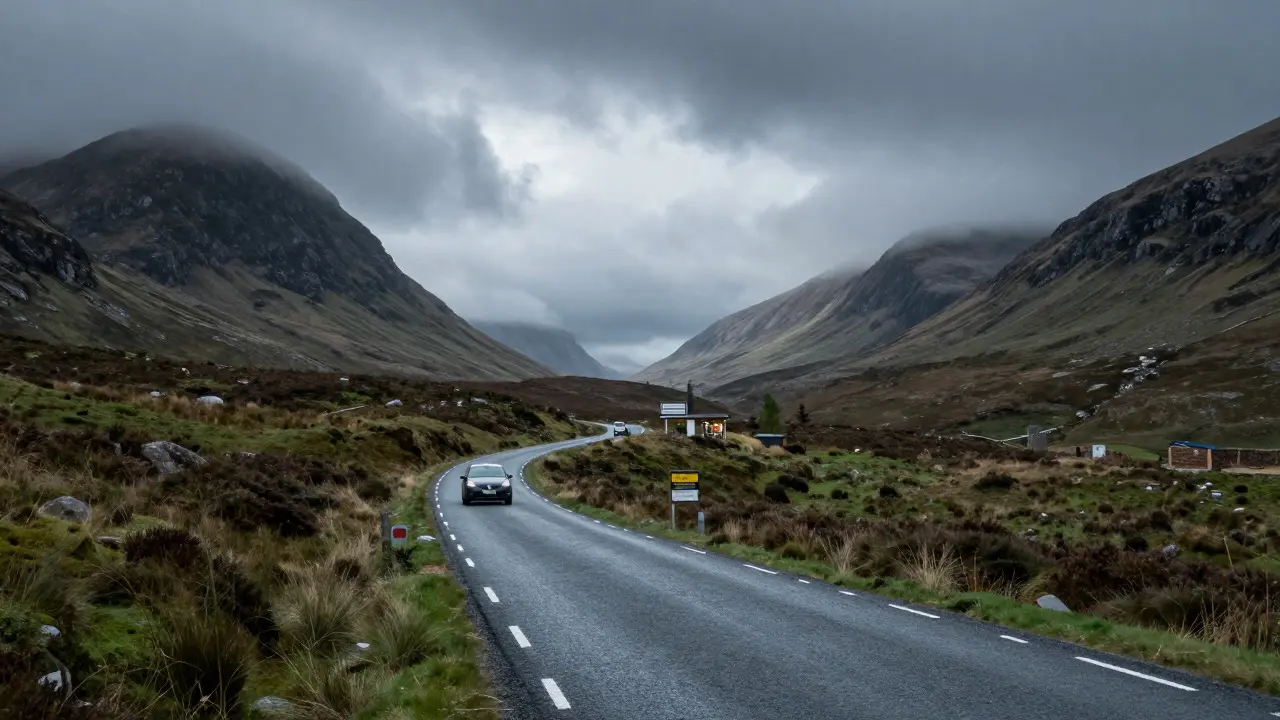
Driving through the Scottish Highlands feels different from anywhere else in the UK. The roads are narrower, the weather changes faster, and the distances between towns can feel longer than they actually are. If you are planning a road trip here, one question usually pops up immediately: how do I keep my car moving? Whether you are filling a traditional tank or plugging into an electric socket, understanding the landscape of fuel and charging in Scotland is essential for a stress-free journey.
The infrastructure has improved massively in recent years, but it still requires some preparation. You cannot simply drive blindly and hope for the best, especially if you are heading north of Inverness or exploring the remote corners of the Isle of Skye. This guide breaks down exactly where to find fuel and chargers, how to pay without hassle, and what pitfalls to avoid when navigating Scotland’s unique energy network.
The Reality of Petrol Stations in Rural Scotland
If you are driving a conventional internal combustion engine vehicle, your main concern will be range anxiety caused by long gaps between service stations. On major routes like the A9 (the Great Trunk Road connecting Edinburgh to Inverness) or the A82 (heading towards Glasgow and Fort William), fuel availability is generally reliable. You will find major forecourts operated by Shell, BP, Tesco, and Sainsbury’s at regular intervals, often clustered around town centers or motorway service areas.
Motorway Service Areas are critical hubs for travelers on major Scottish routes, offering fuel, food, and rest facilities. Key locations include Drumochter, Dunkeld, and Auchincruive. These sites operate 24/7 and provide a safety net for long-distance drivers.However, once you leave these arterial roads and venture into smaller villages or coastal routes, the rules change. Many rural garages close early, sometimes as early as 6:00 PM. It is not uncommon to see signs indicating "Diesel Only" or "Petrol Only," so check your pump type before pulling in. Always top up when you hit half a tank if you are traveling in remote areas. Relying on finding a station in places like the Cairngorms National Park during winter months can lead to being stranded.
- Major Highways: Fuel stations every 30-50 miles. Major brands present.
- Town Centers: Independent garages may have limited hours. Check opening times online.
- Remote Villages: No guarantee of fuel. Plan ahead.
- Islands: Outer Hebrides and Orkney/Shetland have very few options. Fill up before crossing ferries.
Navigating Electric Vehicle (EV) Charging Infrastructure
For electric vehicle owners, Scotland is becoming increasingly friendly, but it still demands more planning than driving a petrol car. The country has invested heavily in public charging networks, particularly along tourist corridors. However, the density of chargers varies wildly between urban centers like Glasgow and Edinburgh, and the sparse populations of the Highlands.
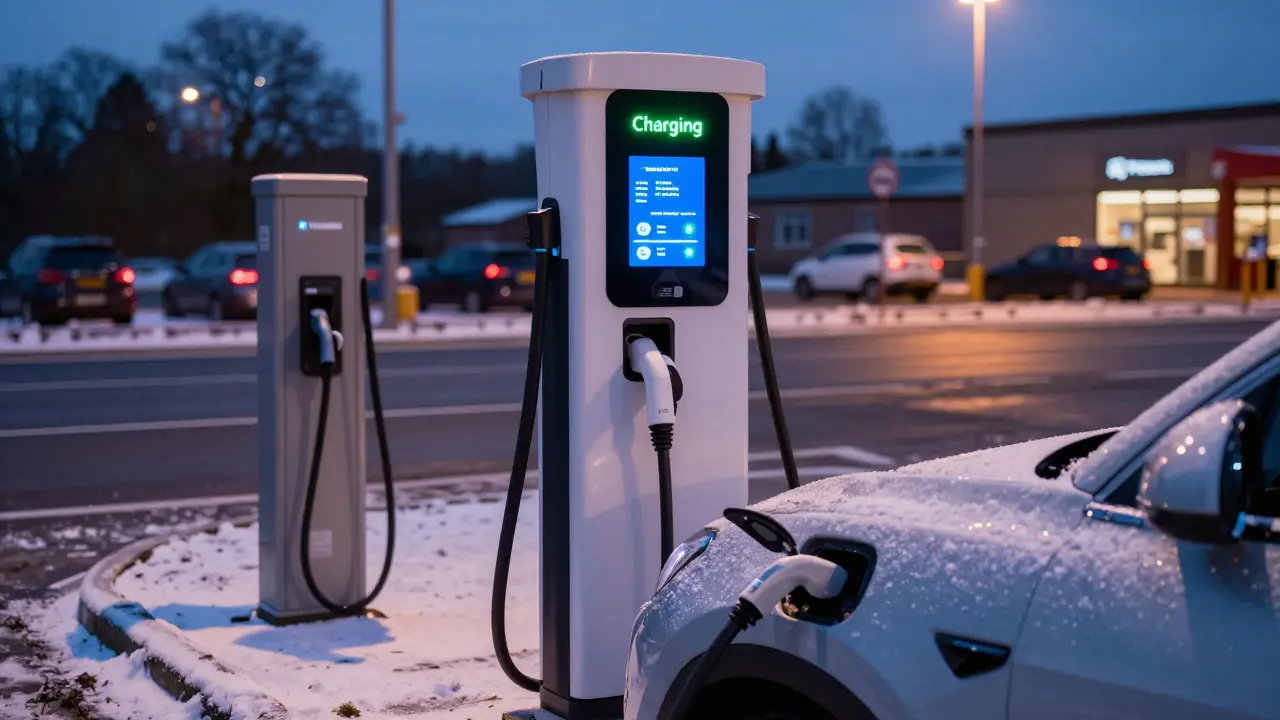
Electric Vehicle Charging in Scotland relies on a mix of rapid chargers on motorways and slower AC chargers in towns and accommodations. The primary operators include BP Pulse, Pod Point, and InstaVolt.Rapid charging (50kW and above) is mostly found at motorway service areas and large retail parks. These allow you to add significant range in 20-30 minutes. Slower chargers (7kW to 22kW) are common in hotel parking lots, supermarket car parks, and visitor centers. While slower, these are ideal for overnight stays or while you shop and eat.
| Charging Type | Speed (kW) | Typical Location | Time to Charge (Approx.) | Best For |
|---|---|---|---|---|
| Rapid / DC Fast | 50kW - 150kW | Motorway Services, Retail Parks | 20-40 mins for 80% | Long-distance travel, quick top-ups |
| Fast / AC | 7kW - 22kW | Hotels, Supermarkets, Town Centers | 1-4 hours | Overnight stays, shopping trips |
| Slow / Home | 3kW - 7kW | Residential Driveways, Some Campsites | 6-12+ hours | Daily commuting, self-catering holidays |
A critical tip for EV travelers: download multiple apps. Unlike the US where one app might cover most chargers, Scotland uses several competing networks. You will likely need apps for BP Pulse, Pod Point, InstaVolt, and potentially local council-run chargers. Having only one app can leave you stranded at a charger that doesn’t support your payment method.
Payment Methods: Cash, Cards, and Apps
How you pay for fuel and charging is just as important as finding it. The good news is that Scotland is largely cashless, but there are nuances depending on whether you are using a pump or a charger.
At traditional petrol stations, contactless payments are standard at the pump. Most modern pumps accept Visa, Mastercard, and even Apple Pay or Google Pay directly. However, always carry a physical card as a backup. Card readers at pumps can fail due to weather or technical glitches, and having to go inside the shop to pay can be inconvenient if the staff are busy or if the shop is closed.
For EV charging, the situation is slightly more complex. While many newer rapid chargers now accept contactless payments directly on the unit, older units or specific networks may require you to use their dedicated mobile app or a RFID card. Pre-registering with these apps before your trip saves time and frustration. Some networks offer subscription plans that reduce per-kWh costs, which can be worth it if you are doing a lot of long-distance driving.
- Contactless at Pumps: Widely accepted. Limit is usually £100-£130 per transaction, so you may need to tap twice for a full tank.
- App-Based Charging: Required for many networks (e.g., Pod Point). Ensure you have data or download offline maps.
- RFID Cards: Offered by some providers (like BP Pulse) for seamless, app-free charging.
- Cash: Rarely useful at pumps. Only relevant if paying inside a shop after fueling, which is less common now.
Planning Your Route: Tools and Strategies
Successful travel in Scotland, whether fueled by petrol or electricity, comes down to route planning. Do not rely solely on your car’s built-in navigation system, as these can sometimes be outdated regarding charger availability or pump status.
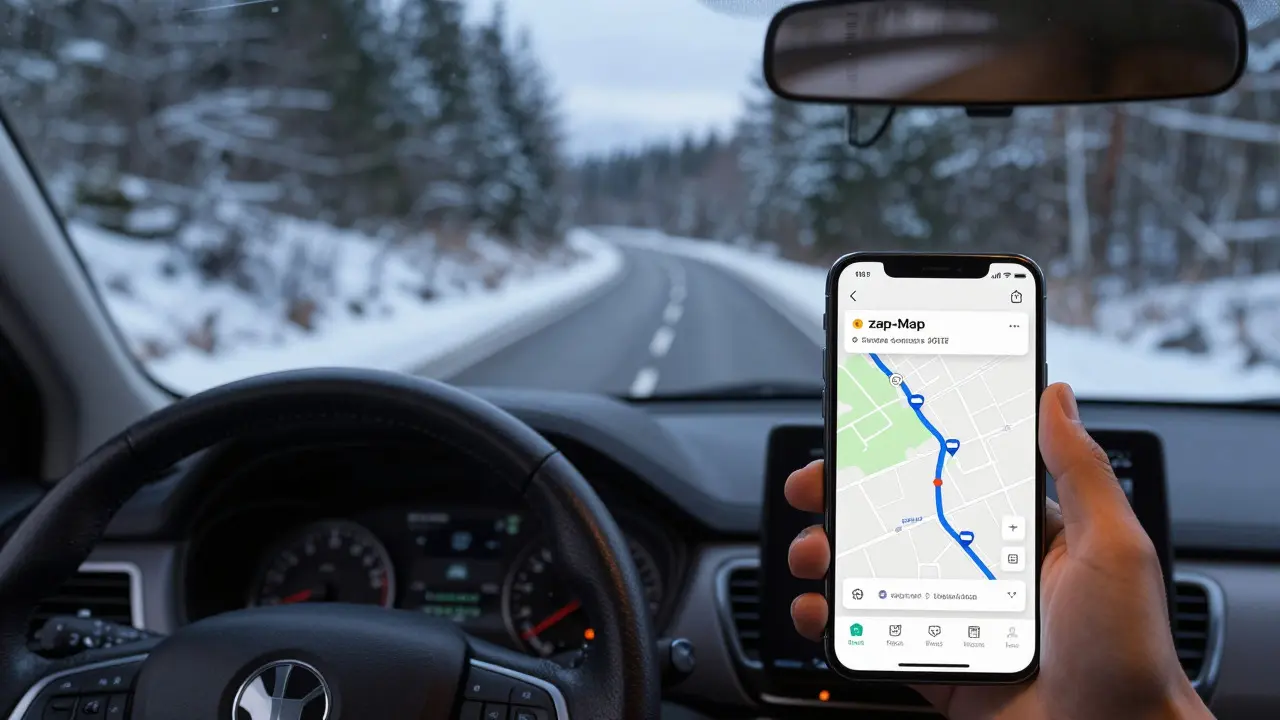
Use specialized tools. For EV drivers, apps like Zap-Map are indispensable. They show real-time charger status, including faults, which is crucial because broken chargers are a reality on the road. For petrol drivers, Google Maps or Waze remain solid choices, but cross-reference with local knowledge. If you are staying in a small village, ask your host about the nearest reliable fuel station.
Consider the "buffer zone" strategy. Never wait until your battery is below 20% or your fuel gauge is on empty. In Scotland, weather conditions can affect both range (for EVs) and accessibility (for all vehicles). Snow, ice, and high winds can close roads or make certain stations inaccessible. Adding a 20-30% buffer to your planned stops ensures you have options if your first choice is out of order.
Seasonal Considerations and Weather Impacts
Scotland’s weather is unpredictable year-round, but it becomes a dominant factor in winter. From November to March, daylight hours are short, and temperatures can drop below freezing. This impacts both fuel efficiency and charging speeds.
For EV owners, cold weather reduces battery efficiency. You may see a 20-30% drop in range compared to summer months. Pre-conditioning your battery while plugged in helps mitigate this. Also, ensure your charger cable is not frozen to the port; gently tapping it free is better than yanking it.
For petrol drivers, keep your tank above half full in winter. Condensation in a nearly empty tank can cause issues, and having extra fuel provides warmth if you get stuck in traffic or snow. Additionally, some rural garages may reduce operating hours in winter due to darkness and weather risks. Check local listings before setting off late in the day.
Common Pitfalls to Avoid
Even experienced travelers make mistakes when navigating Scotland’s fuel and charging landscape. Here are the most common errors and how to avoid them:
- Assuming All Chargers Work: Always have a backup plan. If your preferred charger is broken, know where the next one is. Use Zap-Map to report faults and check recent user comments.
- Ignoring Payment Limits: Contactless limits mean you might need to tap your card multiple times. Don’t panic if the first tap declines; it’s likely just hitting the limit.
- Underestimating Distances: Miles in Scotland can take longer due to single-track roads and passing places. Factor in extra time for refueling or charging stops.
- Forgetting to Download Apps Offline: Mobile signal can be spotty in the Highlands. Download your charging apps’ offline features or save QR codes locally.
- Not Checking Diesel Availability: Some rural stations run out of diesel during peak holiday seasons. Call ahead if possible.
Final Thoughts on Traveling Smart
Traveling in Scotland offers unparalleled beauty and adventure, but it rewards those who prepare. Whether you are sipping coffee at a Drumochter service station or waiting for your EV to charge in a quiet Highland village, the experience is part of the journey. By understanding the layout of fuel stations, mastering the payment systems, and respecting the impact of weather and distance, you can focus on the scenery rather than your dashboard.
Remember, flexibility is key. Have a plan, but be ready to adapt. Keep your phone charged, your apps updated, and your wallet ready. With a little foresight, your Scottish road trip will be smooth, safe, and memorable.
What is the best app for finding EV chargers in Scotland?
Zap-Map is widely considered the most comprehensive app for EV charging in the UK, including Scotland. It aggregates data from multiple networks, shows real-time availability, and allows users to report faults. Other useful apps include those specific to major operators like BP Pulse, Pod Point, and InstaVolt.
Do I need cash to buy petrol in Scotland?
No, cash is rarely needed. Most petrol pumps accept contactless cards and mobile payments directly. However, carrying a physical debit or credit card is recommended as a backup in case the contactless reader fails or if you exceed the contactless transaction limit.
Are there enough EV chargers for a trip to the Isle of Skye?
Yes, but planning is essential. There are chargers in Portree, Kyle of Lochalsh, and along the A87. However, they can be busy during peak tourist season. Rapid chargers are available at key points, but you should aim to charge overnight at your accommodation whenever possible to avoid queues.
How does winter weather affect EV range in Scotland?
Cold temperatures significantly reduce EV battery efficiency, potentially cutting range by 20-30%. Using heated seats and steering wheels instead of cabin heating can help conserve energy. Pre-conditioning the battery while plugged in also improves performance in cold weather.
Can I pay for EV charging with contactless cards?
Many newer rapid chargers in Scotland accept contactless payments directly. However, older units or specific networks may require a dedicated app or RFID card. It is advisable to check the charger’s instructions or use an app like Zap-Map to confirm payment methods before arriving.
What should I do if a charger is broken?
If a charger is faulty, report it immediately via the operator’s app or Zap-Map to help other drivers. Then, proceed to your backup location. Always identify alternative charging points along your route before you start driving, especially in remote areas.
Comments (15)
-
Jacob Baby Official August 15, 2026
Oh, look at this absolute masterpiece of mediocrity. Another guide telling people how to not die in the Highlands? Groundbreaking stuff. You really think we need a lecture on "range anxiety" when half these EVs can't even handle a slight incline without screaming for power? It’s pathetic that people are so afraid of a little planning they need an app to tell them where to plug in their overpriced toy cars. And don’t get me started on the "buffer zone" strategy-just fill up! Why is everyone so lazy? The whole point of driving is freedom, not stopping every twenty minutes to wait for a battery to trickle charge while you stare at your phone like a zombie. This post reeks of corporate propaganda trying to normalize the inconvenience of electric vehicles. Just buy a diesel truck and stop whining about infrastructure.

-
john randall August 17, 2026
I drove from Edinburgh to Inverness last month with my Model Y and it was actually pretty straightforward once I had Zap-Map downloaded. The key is definitely not waiting until you're low. I made sure to charge at Dunkeld services because I knew the next reliable spot was far north. The weather did drop the range a bit but nothing catastrophic if you drive sensibly.

-
Jeff Falcon August 18, 2026
Oh, absolutely, John Randall makes a very good point there, indeed; I found that having multiple apps is simply essential, truly, because one network might be down, or perhaps the card reader is broken, which happens often, unfortunately, so having Pod Point and InstaVolt both ready to go saves a lot of time, really, and also, do not forget that contactless limits can be quite annoying, especially if you are filling up a large tank, so tapping twice is normal, yes, and it is better to carry cash just in case, though rarely needed, it is good to have, I suppose.

-
Alyson Karson August 19, 2026
guys please stop stressing out!! its literally so easy if u just plan ahead lol. i went to skye in winter and got stuck for an hour bc the charger was frozen but hey thats life right?? just bring snacks and enjoy the view instead of panicking. also download zap map offline cause signal is trash everywhere up there. dont let jacob baby official scare u he sounds like a hater tbh. stay positive and keep rolling!!

-
Vishnu Vardhan Reddy M S August 19, 2026
Wow, what a surprise, people need instructions to drive a car. Next thing you know, someone will write a guide on how to breathe air in the mountains. But seriously, the part about diesel availability in rural areas is spot on. I saw a station in the Cairngorms that ran out during Christmas week. Imagine being stranded in -5C because you didn't check. Maybe if you all stopped buying EVs that break in the cold, we wouldn't have such a mess. Just saying.

-
Kyle Ware August 20, 2026
the advice about pre-conditioning the battery is crucial for winter trips. many drivers ignore this feature thinking it wastes energy but it actually preserves range by heating the battery while plugged in rather than using stored power. also consider getting an RFID card from bp pulse if you travel frequently as it removes the hassle of app connectivity issues in remote areas. simple practical steps make a huge difference.

-
Iva Grekova August 20, 2026
I totally agree with Kyle Ware about the RFID cards. They are a lifesaver when you have no signal. I used mine on the Isle of Skye and it worked perfectly while the app kept timing out. It's nice to have options. Also, the tip about topping up at half tank in rural areas is golden. I learned that the hard way near Ullapool!

-
Onyinyechi Nwosu August 22, 2026
its scary how unpredictable the weather can be. one minute sun next minute snow. always check forecasts before leaving town. safety first always.

-
Chandan Singh August 23, 2026
Actually, the statement about Zap-Map being indispensable is slightly outdated. PlugShare has gained significant traction recently and offers better community-driven updates for fault reporting. Furthermore, the distinction between AC and DC charging speeds varies by vehicle capability, not just the charger output. A 50kW charger won't fast charge a car limited to 11kW AC input. Basic physics.

-
Brannen Hall August 23, 2026
Boring. Everyone says the same things. Zap-map, RFID, half-tank rule. We get it. You're boring. The real issue is that Scotland's grid can't handle the load if everyone plugs in at once. But sure, let's pretend everything is fine. Contrarian much?

-
tiffany King August 24, 2026
You guys are missing the beauty of the journey! Yes, planning is important, but don't forget to stop and take photos. The Highlands are magical. A little extra time charging gives you a chance to stretch your legs and enjoy the scenery. Stay positive and embrace the adventure!

-
Brenna Gonedrman August 25, 2026
OMG you all are so dramatic! Its just gas and electricity. If you run out you walk. Simple. Stop making it a big deal. The world wont end if you miss a charger. Just chill out. Drama queens.

-
Courtney Wagstaff August 25, 2026
I love the idea of turning charging stops into mini-adventures. Last time I charged in Fort William, I wandered around the town and found this amazing bakery. It turned a necessary stop into a highlight of the trip. Don't let the logistics ruin the magic of Scotland!

-
Elisabeth Ballet August 27, 2026
Let's empower each other to be prepared! Knowledge is power. Share your tips in the comments below. What's your best hack for finding fuel in remote areas? Let's build a community of informed travelers who support each other. You've got this!

-
Joanna Mucha August 28, 2026
The existential dread of running out of energy in the vast emptiness of the Highlands mirrors our own spiritual void. We plug in our machines seeking connection, yet remain isolated. Is the charger merely a conduit for our desperation? Perhaps the true journey is internal, not geographical. The silence of the snow is deafening to those who listen. Or maybe it's just quiet. Who knows. Life is absurd.
