
There is a specific kind of panic that sets in when you realize your kids have climbed the walls of your B&B for the third time. You promised them an adventure. You promised them fresh air. But what you actually delivered was a damp afternoon in a gift shop and a child crying because they wanted ice cream instead of history. If you are planning a trip to Scotland, specifically with children under ten, you need a plan that balances genuine natural beauty with the high-energy output required by small humans. Forget the grueling ascents of Ben Nevis for now. The real magic happens in the lowlands and the coastal edges where the terrain is forgiving, the scenery is stunning, and there is usually a café within shouting distance.
Why Lowland Paths Beat Highland Peaks for Families
Most people arrive in Scotland expecting mountains. They see photos of jagged peaks and assume every walk requires crampons and a survival kit. That is a mistake if you want happy children. The Lowlands offer a different proposition. Here, the paths are wider, the gradients are gentler, and the distances are manageable. You can get the same dramatic views-lochs, castles, rolling hills-without the risk of a toddler refusing to move after twenty minutes.
The key is choosing routes that offer immediate rewards. A flat path alongside a loch is infinitely more engaging for a six-year-old than a steep climb into cloud cover. Look for trails with clear landmarks. "We will stop at the big red barn" works better than "We have three kilometers left." This approach turns walking from a chore into a treasure hunt. It also allows you to pack lighter. You don't need heavy hiking boots for these walks; sturdy trainers or wellies are often sufficient, which saves luggage space for souvenirs.
Essential Gear for Wet Weather Fun
Let’s address the elephant in the room: rain. In Dundee, we joke that it rains sideways on Tuesdays. For families, this isn’t just weather; it’s a logistical challenge. If you pack incorrectly, everyone gets cold, wet, and miserable. If you pack correctly, rain becomes part of the fun.
- Layering is non-negotiable: Cotton kills. Use merino wool or synthetic base layers. Kids sweat, then cool down rapidly. A moisture-wicking layer prevents the shivers.
- Waterproof over cotton: Cheap ponchos break. Invest in decent waterproof jackets and trousers. For little ones, full-body suits are a lifesaver because they keep snow and mud off the inner clothes.
- Grip matters: Scottish paths can be muddy. Shoes with deep lugs prevent slips. If you’re near the coast, consider water shoes for rock pooling.
- The Snack Protocol: Bring more food than you think you need. Low blood sugar leads to tantrums faster than bad weather. Flapjacks, dried fruit, and chocolate buttons are currency here.
Top Easy Walks for Young Explorers
You don’t need to drive hours to find great scenery. Some of the best family walks are right outside major cities. Here are three spots that consistently deliver smiles rather than tears.
| Location | Difficulty | Key Feature | Facilities |
|---|---|---|---|
| Loch Lomond (Luss) | Easy | Clear water, seals, village charm | Cafés, toilets, parking |
| Glen Finglas | Moderate | Forest play areas, deer park | Visitor center, picnic sites |
| Cairngorms (Loch Morlich) | Easy/Moderate | Sandy beach, pine forest | Kiosk, toilets, watersports |
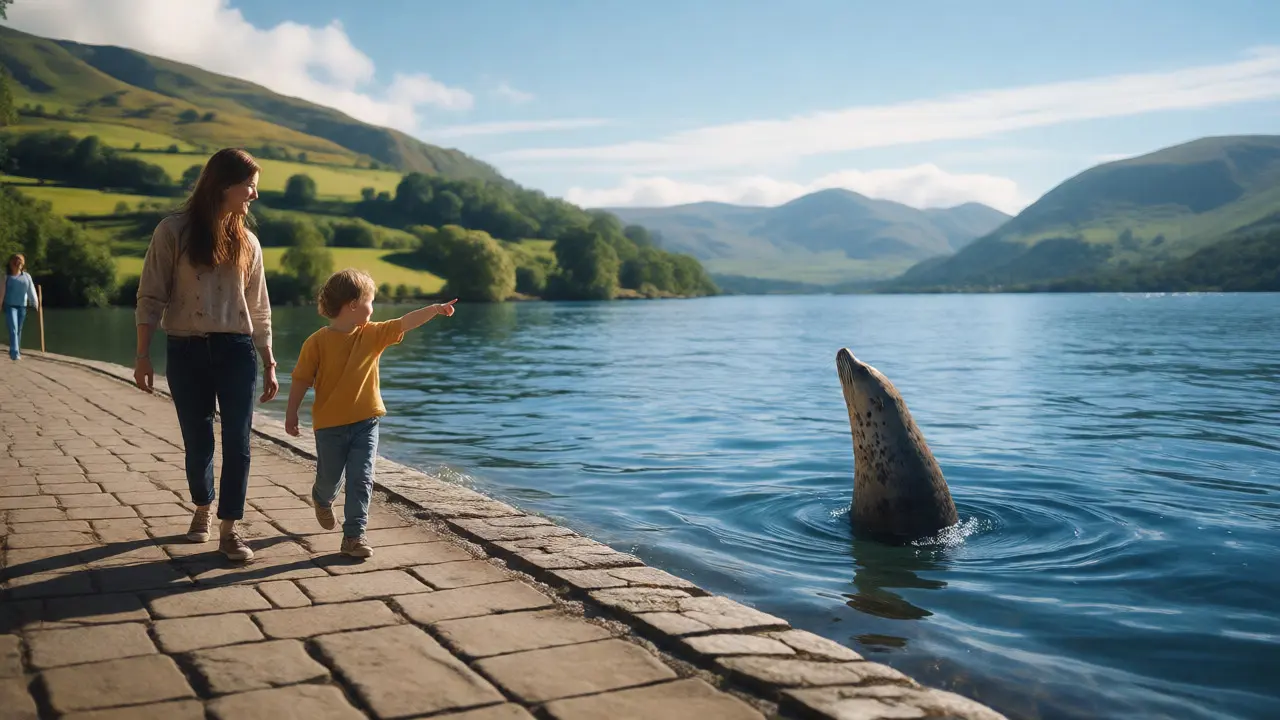
Loch Lomond and The Trossachs National Park is a classic for a reason. Start at the village of Luss. The path along the west shore is relatively flat and paved in sections. You can watch otters or even spot seals popping their heads up in the water. The reward? A proper fish supper in the village afterward. It feels like a holiday without the exhaustion.
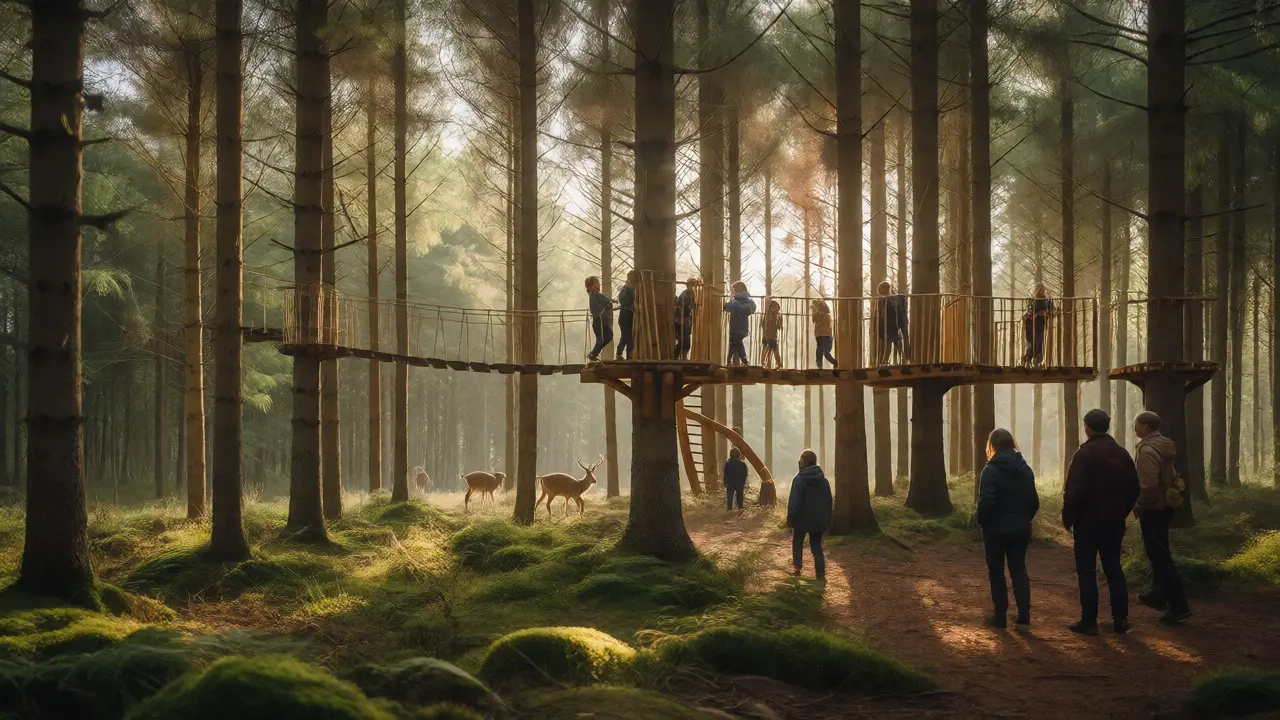
Glen Finglas, near Callander, is designed for families. It’s not just a walk; it’s a playground. There are dedicated forest trails with wooden structures, slides, and climbing frames built into the trees. You can walk while the kids burn energy on the play equipment. The Deer Park is a massive hit-seeing wild deer at close range never gets old for children.
If you venture north to the Cairngorms National Park, Loch Morlich offers a rare combination: a sandy beach in the Highlands. The walk around the loch is gentle, mostly through pine forests. Afterward, the kids can swim or build sandcastles. It breaks the stereotype that Scottish weather means no swimming.
Adventure Parks: Where Energy Meets Structure
Sometimes, nature isn’t enough. Kids need obstacles, heights, and a sense of achievement. This is where adventure parks shine. Unlike generic playgrounds, Scottish adventure parks utilize the natural landscape to create challenges that feel wild but remain safe.
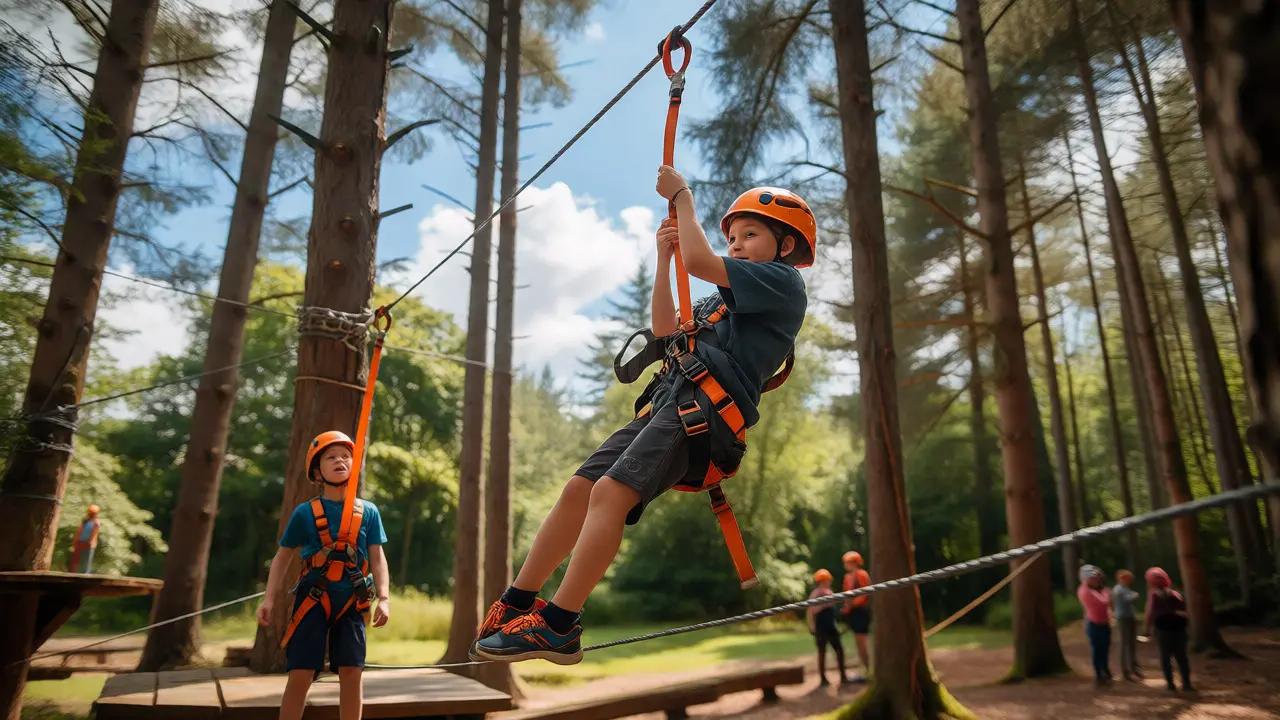
Go Ape has several locations across Scotland, including Pitlochry and Aberfoyle. These treetop adventure courses use zip lines and rope bridges. The beauty here is the scalability. Courses are divided by height and age. A four-year-old can do the junior course, while a twelve-year-old tackles the expert level. Everyone gets a harness and helmet, so safety is handled. The focus is on confidence-building. Watching a shy child conquer a wobbly bridge is worth the entry fee alone.
For something less adrenaline-focused, try Highland Wildlife Park in Kincraig. It’s technically a zoo, but the layout encourages walking and exploration. You can feed reindeer, watch wolves, and walk among European bison. The paths are wide and accessible, making it suitable for strollers and young legs. It combines education with exercise, which parents appreciate.
Planning Your Day: The Half-Day Rule
Here is a pro tip from someone who has lived in Scotland for years: Plan half as much as you think you can handle. If you book a five-hour hike, you will likely fail. Book a two-hour activity, and you might stay longer if things go well. Flexibility is your friend.
Check the weather forecast hourly, not daily. Scottish weather changes fast. A sunny morning can turn into a rainy afternoon. Have a backup plan. If the rain hits hard, head to a nearby museum or indoor play center. Many towns have free libraries with play areas. Don’t let a shower ruin the day; pivot instead.
Also, consider timing. Start early. Car parks fill up quickly at popular spots like Loch Lomond. Arriving at 9 AM ensures you get a space and avoid the midday crowds. Plus, the light is softer for photos, and the animals are more active.
Related Concepts and Next Steps
If you enjoy these easy walks, you might want to explore broader topics like Scottish Castle Tours or Wild Camping Etiquette. Understanding local wildlife rules helps protect the environment you’re enjoying. For instance, always keep dogs on leads during lambing season in spring. Respecting these guidelines keeps the paths open for future visitors.
Another related area is sustainable travel. Using public transport or car-sharing reduces your carbon footprint. Trains to Stirling or Edinburgh are reliable and scenic. It removes the stress of driving on narrow single-track roads, which can be daunting for new drivers.
Are these walks suitable for pushchairs?
Many of the recommended walks, such as those in Glen Finglas and parts of Loch Lomond, are pushchair-friendly. However, terrain varies. Always check the specific trail status on the Forestry and Land Scotland website before heading out. Rugged paths may require an all-terrain buggy.
What is the best time of year for family outdoor activities in Scotland?
Late spring (May-June) and early autumn (September-October) are ideal. The weather is milder, crowds are smaller, and the scenery is vibrant. Summer is warm but busy, while winter offers crisp air and fewer tourists but shorter daylight hours.
Do I need special insurance for adventure parks?
Generally, no. Standard travel insurance covers typical leisure activities. However, check your policy details for exclusions regarding high-risk activities. Most reputable parks like Go Ape include liability coverage in their ticket price.
How do I deal with midges?
Midges are most prevalent in late summer (July-August). Use insect repellent containing DEET or Picaridin. Wear long sleeves and trousers. Windy days help, as midges struggle in breezes. Consider visiting higher altitudes or coastal areas where midges are less common.
Can I bring my dog on these walks?
Yes, dogs are generally welcome on Scottish walks. Keep them on a lead near livestock and wildlife. Always clean up after them. Some adventure parks may have restrictions on dogs in certain zones, so check ahead.