
Picture this: You’re standing in a dimly lit gallery, your seven-year-old is tugging at your sleeve asking if they can touch the dinosaur bone, and you’re desperately trying to remember where you parked. Sound familiar? Visiting museums with children doesn’t have to be a test of parental endurance. In fact, some of the best spots in Scotland are designed specifically to let kids run wild, press buttons, and actually learn something while they’re at it.
I live in Dundee, so I’ve spent more weekends than I can count navigating the delicate balance between cultural enrichment and toddler meltdowns. The good news? Scottish museums have gotten seriously smart about engaging young minds. We’re talking hands-on science labs, treasure hunts that lead to real artifacts, and spaces where silence isn’t exactly golden. If you’re planning a trip or just want to break up the routine back home, here’s how to make museum visits work for the whole family.
The Science Centre in Glasgow: Where Touching Is Encouraged
If there’s one place that redefines what a museum can be, it’s the Science Centre Glasgow. Located on the banks of the River Clyde, this isn’t your grandfather’s dusty display case situation. It’s a massive playground for physics, biology, and engineering, built for people who learn by doing.
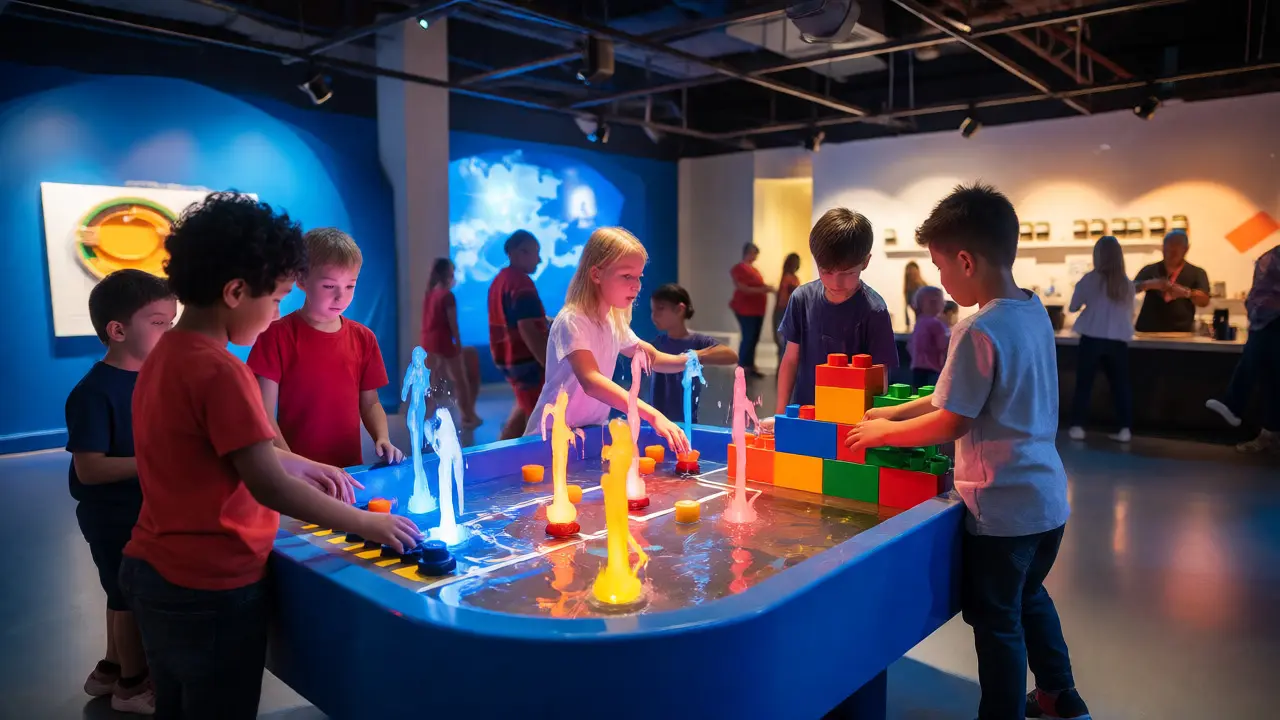
The main draw here is the sheer volume of interactive exhibits. Kids can build their own roller coasters, experiment with air pressure, and even try their hand at virtual reality space walks. But the real gem for families is the Discovery Zone, which is tailored specifically for younger children (ages 3-10). It features water play areas, light tables, and construction zones that keep little ones occupied long enough for parents to grab a coffee without guilt.
Pro Tip: The ticket price includes access to the planetarium. Book the IMAX show slot when you buy tickets online-it’s separate from general admission entry times, and slots fill up fast on weekends. Also, check out the rooftop terrace; it offers a great view of the city and a quiet spot if the noise inside gets overwhelming.
National Museum of Scotland: History Comes Alive in Edinburgh
You can’t talk about Scottish culture without mentioning the National Museum of Scotland in Edinburgh. It’s huge, it’s free, and it’s packed with everything from Dolly the sheep (the first cloned mammal) to Jacobite relics. For families, the key is knowing where to go, because trying to see it all in one day is a recipe for exhaustion.
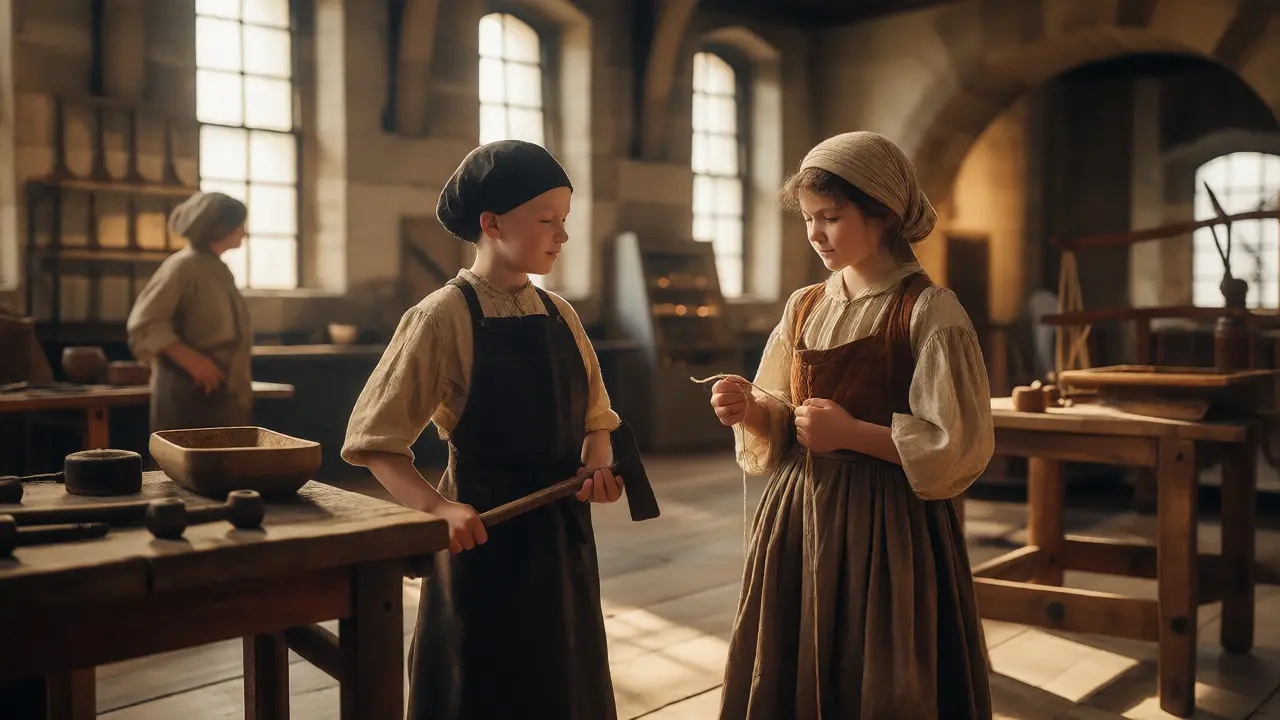
Head straight for the Science and Technology section. It’s bright, colorful, and filled with working models of steam engines and early computers. Then, swing by the Scottish Design and Innovation gallery. Here, you’ll find everything from vintage bicycles to modern tech prototypes. The best part? There’s a dedicated Hands-On Discovery Centre on Level 4. This area is explicitly designed for under-12s, offering dressing-up clothes, building blocks, and role-play scenarios based on historical trades like blacksmithing or weaving.
Don’t skip the outdoor area either. The museum sits right next to the Old Town, but the interior courtyard often hosts family-friendly workshops during school holidays. Keep an eye on their event calendar before you visit; sometimes they have specific "Museum Makers" sessions where kids can craft their own souvenirs using materials provided on-site.
Riverside Museum: Transport and Tales in Glasgow
Another Glasgow heavyweight is the Riverside Museum, which is actually the largest transport museum in Europe. Housed in a striking Zaha Hadid-designed building, it focuses on cars, bikes, trains, and trams. But don’t let the word "transport" fool you into thinking it’s only for petrolheads.
Families love this place because of the Junior Riverside trail. Pick up a free activity sheet at the entrance, and your kids get a mission: find specific vehicles, scan QR codes to hear stories, and collect stamps along the way. Completing the trail earns them a small badge or sticker, which sounds trivial until you see the pride on their faces when they finish.
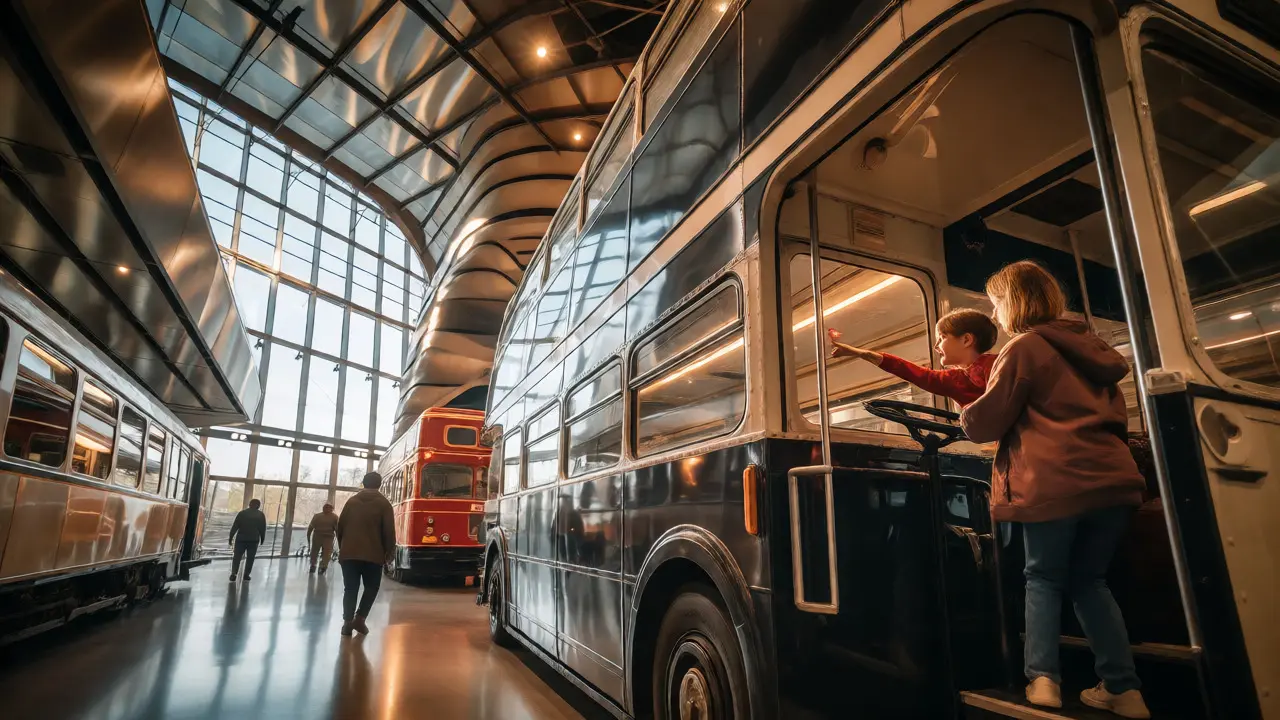
The highlight for many is the chance to climb aboard actual historic buses and trains. Yes, really. You can sit in the driver’s seat of a double-decker bus or explore the cabin of a Victorian-era carriage. It gives kids a tangible sense of scale and history that no textbook can match. Plus, the café has a decent menu with high chairs and a play corner, making lunch breaks manageable.
| Museum Name | Location | Best Age Group | Key Interactive Feature | Cost |
|---|---|---|---|---|
| Science Centre Glasgow | Glasgow | All ages (Zones for 3-10) | Hands-on science experiments & VR | Paid Entry |
| National Museum of Scotland | Edinburgh | Ages 5+ | Discovery Centre & Dolly the Sheep | Free |
| Riverside Museum | Glasgow | Ages 4-12 | Climb-aboard vehicles & Junior Trail | Free |
| Kelvingrove Art Gallery | Glasgow | All ages | Dinosaur skeletons & Organ performances | Free |
| McManus Galleries | Dundee | Ages 6+ | Natural History displays & Local history | Free |
Kelvingrove Art Gallery and Museum: More Than Just Paintings
When locals say "let’s meet at Kelvingrove," they mean the iconic red sandstone building near the University of Glasgow. Officially known as Kelvingrove Art Gallery and Museum, it’s a staple of Scottish culture. While it houses world-class art, its appeal to families lies in its natural history section and the famous pipe organ.
The dinosaur hall is always a hit. Seeing the skeleton of a Diplodocus looming over you creates a sense of awe that sticks with kids for years. But beyond the bones, the museum runs regular family trails. These aren’t just scavenger hunts; they’re guided experiences that connect art pieces to stories. For example, a trail might ask kids to find animals hidden in paintings or identify colors used in a specific tapestry.
Every afternoon, the grand pipe organ plays a short recital. It’s free, it’s loud, and it’s spectacular. Kids are usually fascinated by the mechanics of the organ visible through glass panels. It’s a perfect low-pressure way to introduce classical music without forcing anyone to sit still for an hour.
Dundee’s McManus Galleries: A Hidden Gem in the North
Since I’m based in Dundee, I’d be remiss not to mention the McManus Galleries. Often overshadowed by Edinburgh and Glasgow attractions, this Gothic-style building holds a surprising amount of charm and educational value for families.
The Natural History collection here is particularly strong. You’ll find preserved specimens of local wildlife, including birds, mammals, and insects native to Angus and Fife. For older kids interested in science, the detailed labels and dioramas offer a deep dive into biodiversity. The local history section also covers Dundee’s industrial past-jute, jam, and journalism-which can spark interesting conversations about how cities change.
While it doesn’t have the flashy interactives of the Science Centre, the McManus offers a quieter, more reflective experience. It’s ideal for rainy afternoons when you want to escape the wind off the Tay but still keep the brain engaged. Check their website for current exhibitions; they frequently host temporary shows related to Scottish art or social history that include family activity packs.
How to Make Museum Visits Work for Your Family
Even the best museums can feel like a chore if you approach them wrong. Here are a few strategies I’ve picked up over the years:
- Set a Time Limit: Decide beforehand how long you’ll stay (e.g., 90 minutes). When the time is up, you leave, regardless of whether you’ve seen everything. This prevents burnout and keeps the memory positive.
- Let Them Lead: Ask your child to pick the first exhibit they want to see. Ownership increases engagement. If they’re obsessed with sharks, start at the aquarium section, even if it’s on the top floor.
- Use Audio Guides Wisely: Many museums offer kid-specific audio tours. These are often shorter, funnier, and more story-driven than adult versions. Don’t hesitate to use them-they take the pressure off you to explain every plaque.
- Schedule Breaks: Plan a snack stop halfway through. Hunger makes everyone cranky, especially in quiet galleries. Most major museums have cafés, but bringing your own water and biscuits can save money and time.
Planning Your Visit: Logistics and Tips
Before you pack the car or book the train, check these details:
- Accessibility: All major museums listed above are wheelchair and stroller friendly. However, older buildings like the McManus may have narrow doorways in certain sections. Call ahead if you have specific mobility concerns.
- Baby Changing Facilities: Available in all venues mentioned. Some, like the National Museum of Scotland, have well-equipped nursing rooms.
- Lockers: If you’re carrying heavy bags or coats, look for locker facilities. The Science Centre and Riverside Museum both offer secure storage for a small fee or free with membership.
- Membership Perks: If you plan to visit multiple sites, consider a joint membership. Organizations like Historic Environment Scotland or local council trusts often bundle entries.
Remember, the goal isn’t to memorize facts. It’s to create moments of curiosity. Maybe your kid will remember the smell of the old wood in the ship exhibit, or the sound of the pipe organ echoing through Kelvingrove. Those sensory memories stick far longer than dates and names.
Are these museums suitable for toddlers?
Yes, most are. The Science Centre Glasgow has a dedicated Discovery Zone for ages 3-10. The National Museum of Scotland has a Hands-On Discovery Centre for under-12s. Kelvingrove and Riverside are generally accessible, though toddlers might prefer the larger open spaces and interactive elements rather than dense text panels. Always check for baby changing facilities, which are standard in these major venues.
Do I need to book tickets in advance?
For free museums like the National Museum of Scotland, Kelvingrove, and Riverside, walk-in entry is usually fine unless there’s a special exhibition. However, booking a timed entry slot online is recommended during peak tourist seasons (summer and school holidays) to guarantee entry. Paid venues like the Science Centre Glasgow strongly advise pre-booking to secure discounted rates and avoid queues.
What is the best age range for the Junior Riverside trail?
The Junior Riverside trail is designed primarily for children aged 4 to 12. Younger children (under 4) may enjoy climbing on the vehicles but won’t fully engage with the reading or stamp-collecting aspects. Older children (12+) might find the trail too simple unless they are deeply interested in transport history. Parents can adapt the experience by turning it into a photo challenge instead of a stamp hunt.
Are there food options inside the museums?
All major museums mentioned have on-site cafes or restaurants. The National Museum of Scotland has a large cafeteria with varied menus. The Science Centre Glasgow has a cafe and bistro. Kelvingrove has a tea room. Picnics are generally allowed in designated outdoor areas or specific indoor zones, but eating in galleries is prohibited. Check each venue’s policy on outside food, as rules vary.
Is parking available near these museums?
Parking varies by location. The Science Centre Glasgow has its own multi-story car park (paid). Riverside Museum shares parking with the Science Centre or uses nearby street parking. The National Museum of Scotland is in the city center, so public transport is highly recommended due to limited and expensive parking. Kelvingrove has nearby paid lots but can fill up quickly on weekends. Using trams or buses is often faster and cheaper in urban centers.
Comments (14)
-
Hemali Jaiswal September 27, 2026
This is such a vibrant guide! The way you’ve highlighted the sensory experiences really paints a colorful picture. It’s wonderful to see museums transforming from silent archives into dynamic playgrounds for curiosity. The emphasis on letting kids lead is particularly empowering, as it respects their unique perspectives and fosters genuine engagement rather than passive observation.

-
Sean Eagen September 29, 2026
Scotland has too many rules anyway.
Free entry is just tax bait.
Real history doesn't need hand-holding.

-
Kieran Mitchell September 29, 2026
Oh, please!! You think Scotland invented interactive learning?? We had hands-on science centers decades ago!!! The Americans did it first, obviously, but these Scottish places are trying so hard to copy our vibe!!! It’s adorable, really, like watching a puppy try to do math!!! Don’t get me wrong, the architecture is fine, but the content? Meh!!! We have better stuff in DC!!! Better funding!!! Better everything!!!

-
Darlene Hopkins September 29, 2026
The focus on accessibility is heartwarming. Many cultures struggle with this balance.

-
Sherri Jones September 30, 2026
Great list! 🌟 Just a heads up: if you’re visiting Kelvingrove, try to catch the organ recital around 3 PM. It’s magical! 🎹 Also, don’t forget to check the National Museum of Scotland’s website for special family workshops; they often require pre-booking even though entry is free. 😊 Happy exploring!

-
Bryce Imbriale September 30, 2026
Love the energy here!! This is exactly what families need more of
Museums should be exciting not boring
Go out and explore those trails today
You won't regret it!!

-
william mcstay October 1, 2026
It’s nice that they preserve their own heritage. We have plenty of our own. No need to travel across the pond for a museum trip when we have similar exhibits right here at home. But I suppose it’s good for them to keep busy.

-
LoriBeth Blair October 3, 2026
Actually, the Science Centre Glasgow is overrated. The Discovery Zone is just glorified daycare. Most parents just want to park their kids and scroll on their phones. Real education requires structure, not just playing with water tables. And the queue times are terrible. It’s not as impressive as people say.

-
Charles Reah October 4, 2026
I appreciate the detailed breakdown. For those who might feel overwhelmed by the sheer volume of information, remember that it is perfectly acceptable to visit just one section.
We all learn differently, and some children may prefer the quiet reflection of the McManus Galleries over the high-energy environment of the Science Centre. There is no single correct way to experience culture. Trust your instincts as parents.

-
SHANNON GRUBER October 5, 2026
Boring. Too much text. Could've been a tweet. Whatever.

-
Prayagraj Medicose October 7, 2026
Dude, do you ever notice how the QR codes track your movement?? They know exactly where your kid stopped looking!! It’s not just about fun, it’s data harvesting!! The government wants to map every child’s brain development through these 'interactive' zones!! Wake up!! They aren’t giving you stickers for free, they’re buying your attention span!! Stay skeptical!!

-
Brad Walker October 8, 2026
Is it truly learning if it is curated by institutions? Or are we merely consuming a narrative sold to us? The silence of the old museums was honest in its emptiness. Now, we fill the void with noise and plastic buttons. Perhaps the wonder lies not in touching the bone, but in realizing we cannot. A tragic illusion of connection.

-
Howard Hurd October 8, 2026
Hey, quick question, why isn't the V&A Dundee on this list?? That's huge now!! Did you miss it or just ignore it?? Also, parking at Riverside is a nightmare, seriously, don't believe the hype about easy access. :/ Just saying. :)

-
Manoj Kumar October 9, 2026
The analysis provided herein appears superficial. One must consider the geopolitical implications of cultural tourism subsidies. Furthermore, the assertion that 'touching is encouraged' ignores the hygienic risks associated with communal interaction in post-pandemic societies. It is imperative to scrutinize the long-term psychological effects of such deregulated environments on developing minds. Merely scratching the surface.
