
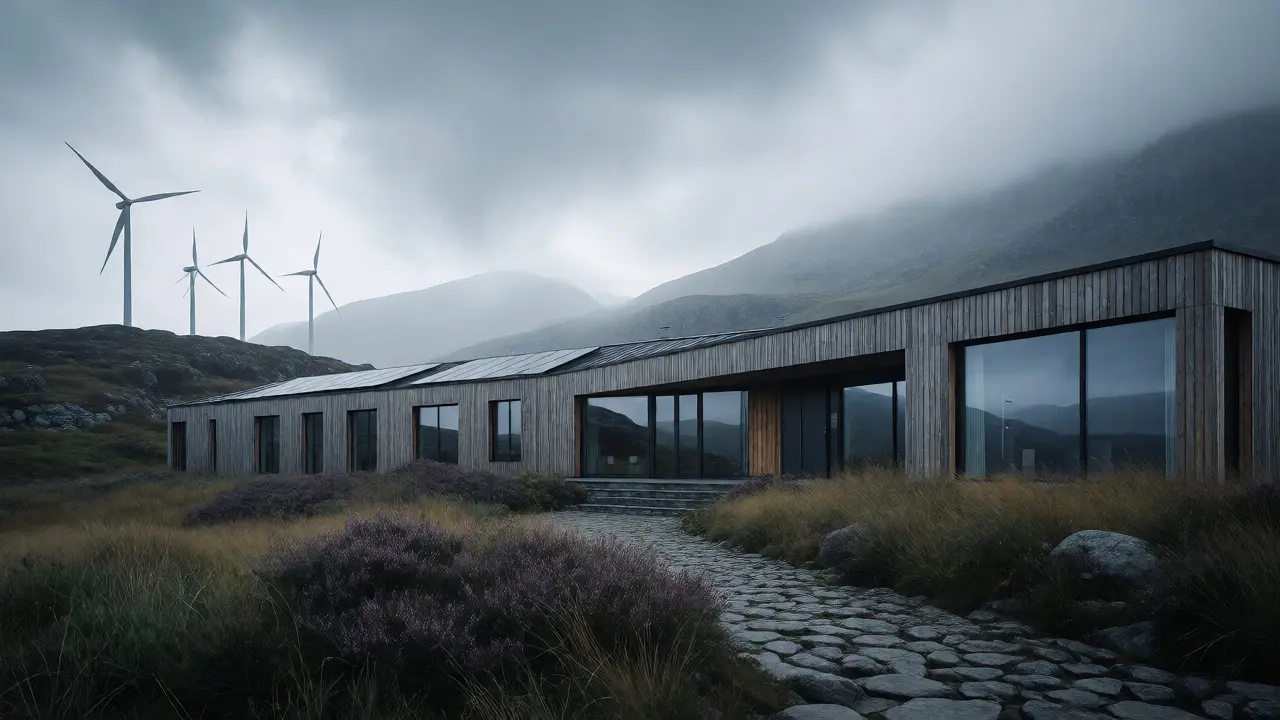
You’re planning a trip to the Highlands, you’ve got your hiking boots ready, and you want to do right by the landscape you’re about to enjoy. But here’s the thing: not every hotel with a potted plant in the lobby is actually eco-friendly. In Scotland, where the environment is practically a national identity, "green" can mean anything from solar panels on the roof to a vague promise of recycling bins. As someone who lives in Dundee and travels this country often, I’ve seen plenty of places that talk the talk but don’t walk the walk. This guide cuts through the marketing fluff to show you what real sustainable hospitality looks like in Scotland, how policies are shaping it, and where you can actually book a stay that helps rather than hurts.
What Actually Makes a Hotel Eco-Friendly?
It’s easy to get lost in buzzwords. Let’s strip it back. An eco-friendly hotel isn’t just about skipping plastic straws. It’s about the entire lifecycle of your stay. Think energy sources, water usage, waste management, and even where the food on your plate comes from. If a hotel claims to be green but heats its pool with gas while sitting next to a wind farm, something’s off.
In Scotland, the gold standard is the Green Tourism Business Scheme (GTBS), which is the UK's leading certification for sustainable tourism businesses. If you see their Bronze, Silver, or Gold award plaque, you know they’ve been audited against strict criteria. They check everything from carbon footprint reduction to staff training on sustainability. Without this kind of third-party verification, you’re relying on the hotel’s own definition of "green," which might be generous.
Beyond certification, look for specific actions. Are they using renewable energy? Many rural Scottish lodges now run on hydro or wind power. Do they source locally? Food miles matter. A hotel buying venison from a local estate instead of importing beef from Brazil has a much lower impact. And what about water? Scotland has plenty of rain, but treating and pumping water still costs energy. Look for low-flow fixtures and greywater systems.
The Policy Landscape Driving Change
You might wonder why so many hotels are suddenly going green. Is it just trend-chasing? Partly, yes. But there’s also serious legislative pressure. The Climate Emergency and Just Transition Plan is a key piece of Scottish legislation aiming for net-zero emissions by 2045. This isn’t just a suggestion; it’s law. Businesses, including hospitality providers, face increasing pressure to reduce emissions or face penalties and reputational damage.
Local councils also play a role. In cities like Edinburgh and Glasgow, waste disposal regulations have tightened significantly. Hotels can no longer just throw everything into one bin. They need robust recycling programs, and some areas charge more for non-recyclable commercial waste. This economic incentive pushes hotels toward better waste practices faster than moral arguments ever could.
Then there’s the tourism tax debate. While currently paused, discussions around a visitor levy in Scotland highlight a broader trend: tourists are expected to contribute to the preservation of the places they visit. Some forward-thinking hotels already voluntarily add a small "conservation fee" to room rates, directing funds to local environmental projects. It’s a transparent way to ensure your holiday money supports the ecosystem you’re enjoying.

Where to Stay: Regional Highlights
Scotland is big, and what works in the Lowlands might not apply in the remote Hebrides. Here’s a breakdown of where to find genuine eco-friendly options based on region and type.
| Region | Typical Feature | Best For | Key Challenge |
|---|---|---|---|
| Edinburgh & Central Belt | Urban retrofitting, smart energy systems | Cultural trips, short breaks | Space constraints for renewables |
| Highlands & Islands | Off-grid capabilities, local sourcing | Nature immersion, hiking | Logistics of supply chains |
| Fife & East Coast | Coastal conservation initiatives | Family holidays, golf | Tourism seasonality |
If you’re heading to the Isle of Skye, look for lodges that use biomass boilers. Wood chips from local forestry provide heat without the fossil fuel dependency. On the mainland, near Dundee, several B&Bs have partnered with local breweries and distilleries to serve zero-mile drinks, reducing transport emissions significantly.
Don’t overlook city hotels either. Modern builds in Glasgow often come equipped with heat recovery systems that capture warmth from showers to pre-heat incoming water. It’s invisible tech, but it saves massive amounts of energy over a year. When booking, ask directly: "How do you heat the building?" The answer will tell you more than any brochure.
Practical Tips for the Conscious Traveler
So, you’ve found a promising hotel. How do you ensure your behavior matches theirs? You can undo a lot of good with bad habits. First, pack light. Heavy luggage means higher fuel consumption for trains and planes. Second, reuse your towels. Yes, housekeeping wants to change them daily for hygiene perception, but unless you’re sweating profusely, hanging them up signals you’re happy to skip the wash. It saves water, detergent, and labor.
Eat at the hotel if they source locally. If the menu highlights ingredients from within 30 miles, order those dishes. Supporting local farmers keeps agricultural land managed sustainably. Avoid imported luxuries like out-of-season berries flown in from South America. Embrace Scottish produce: oats, kale, root vegetables, and fresh seafood.
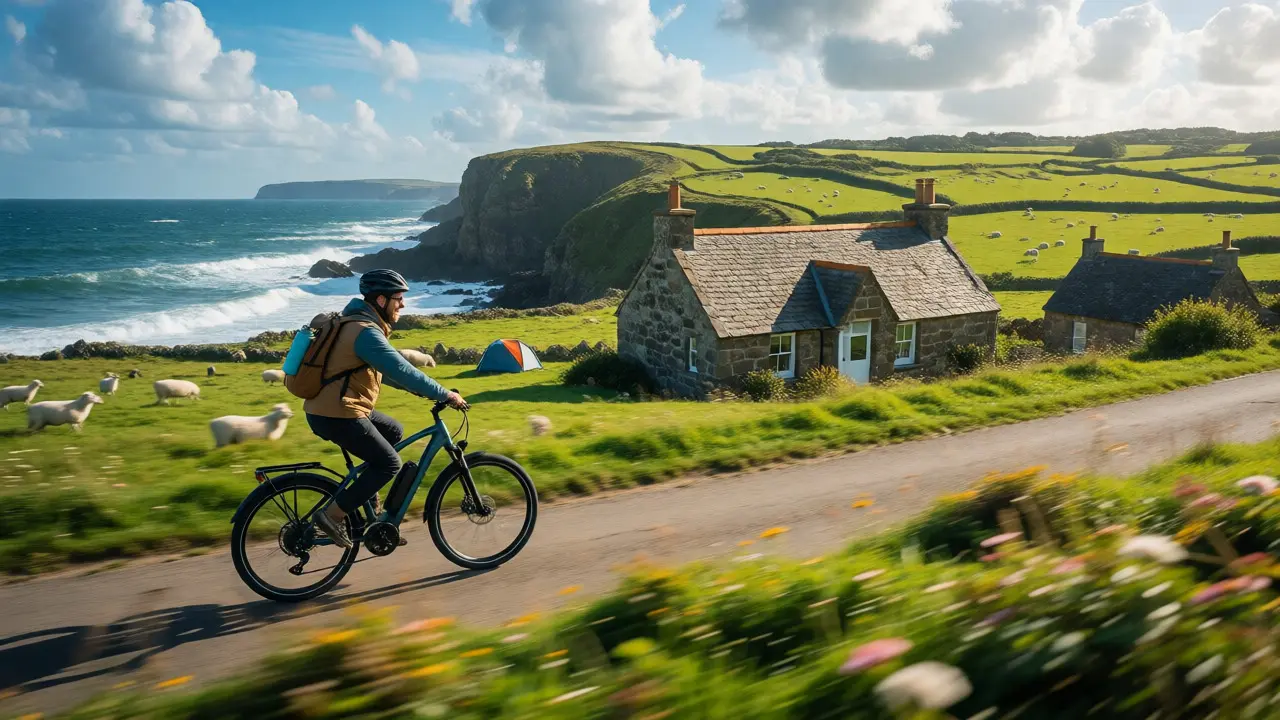
Transportation matters too. If your hotel offers bike rentals, take them. Cycling between sites in towns like St Andrews or Oban is easier than driving and parking. If you must drive, consider renting an electric vehicle (EV). Charging infrastructure in Scotland has improved dramatically since 2020, especially along major routes like the A9. Check apps like Zap-Map before you leave to confirm charger availability at your destination.
Pitfalls to Avoid: Greenwashing
Be wary of vague claims. Phrases like "eco-conscious" or "nature-friendly" mean nothing without specifics. Ask for evidence. Did they install LED lighting? Good start, but basic. Did they eliminate single-use plastics entirely? Better. Do they compost food waste? Excellent. If they can’t answer simple questions about their operations, they’re likely prioritizing marketing over substance.
Another trap is "offsetting." Some hotels claim to be carbon neutral because they pay for tree planting elsewhere. While offsetting has a place, it shouldn’t replace direct reductions. A hotel that burns coal but plants trees isn’t truly green. Look for hotels that prioritize reduction first, then offset what remains. Transparency reports are a good sign-they’ll show you exactly how much energy they used last year compared to the previous one.
Next Steps for Your Trip
Ready to book? Start by filtering search results for "Green Tourism certified" or similar badges. Read recent reviews specifically mentioning cleanliness of facilities and quality of local food-these often correlate with well-run sustainable operations. Call ahead if you have specific needs, like vegan meals sourced locally or quiet rooms away from backup generators.
Consider staying multiple nights in one location rather than hopping between hotels. Frequent moves increase carbon footprints due to check-in/out processes and travel. Choose a base camp with strong eco-practices and explore from there. It’s cheaper, less stressful, and better for the planet.
Are eco-friendly hotels more expensive in Scotland?
Not necessarily. While some luxury eco-lodges command premium prices, many mid-range B&Bs and hostels achieve significant savings through energy efficiency, passing those benefits to guests. Often, the price difference is negligible, especially when you factor in reduced spending on local dining experiences included in packages.
How can I verify a hotel's green claims?
Look for accreditation logos such as the Green Tourism Business Scheme (GTBS) or VisitScotland's Green Tourism Award. These require independent audits. You can also check the hotel's website for a sustainability report or contact them directly to ask about their energy sources and waste management practices.
Do all Scottish hotels recycle?
Most do, but the extent varies. Urban hotels typically have comprehensive recycling for glass, paper, plastic, and food waste. Remote rural properties may struggle with logistics, sometimes burning waste or sending it further afield. Always check if they accept hard-to-recycle items like coffee pods or toiletry bottles.
Is public transport viable for reaching eco-hotels?
In cities like Edinburgh, Glasgow, and Dundee, absolutely. Trains and buses are reliable. However, many top-tier eco-hotels are in remote Highland or island locations where car access is necessary. Some offer shuttle services from train stations, which is a great perk to look for.
What should I do if a hotel doesn't meet my eco-expectations?
Provide constructive feedback during checkout or in your review. Mention specific issues, such as excessive plastic packaging or lack of recycling bins. Positive reinforcement for good practices encourages other travelers to choose sustainable options, creating market pressure for improvement.
Comments (15)
-
evelyn starcher November 1, 2026
Finally someone says it. The rest of the world just throws a potted plant in the lobby and calls it "eco." 🙄 We need to stop letting them get away with this nonsense. If they aren't certified, it's a lie. Period.

-
Ian Mason-Laurence November 2, 2026
The distinction between marketing fluff and actual operational sustainability is critical here. Many establishments confuse aesthetic choices, such as rustic decor, with genuine carbon footprint reduction. It is imperative that travelers look for third-party verification like the GTBS rather than relying on self-declared claims which often lack rigorous auditing standards.

-
Tommy Cahyadi November 2, 2026
Oh great, another guide telling me how to live my life. I'll be sure to ignore the hotel that charges extra for being "green" so I can feel morally superior while paying more. Thanks for the tip, I guess.

-
Anthony . November 3, 2026
This is such a thoughtful breakdown! 🌿 It really helps to understand that being eco-friendly is about the whole lifecycle, not just one thing. I love the idea of staying multiple nights to reduce the travel impact too. That feels much more connected and mindful. 💚

-
Marisa Marroquin November 4, 2026
One must appreciate the nuance in distinguishing between performative environmentalism and substantive ecological stewardship. The emphasis on local sourcing and energy efficiency provides a tangible framework for evaluating these establishments beyond mere superficial aesthetics.

-
Kathy Mccoy November 5, 2026
I think you're missing the point slightly. The goal isn't to punish hotels but to support those making real efforts. By choosing certified places, we encourage the market to improve. It's about positive reinforcement, not just criticism. You should try giving feedback instead of just assuming they are lying.

-
Ejike Ugwu November 6, 2026
They tell us it's green but who checks? Nobody. They take your money and burn the coal behind closed doors. It's all a big show to keep the tourists happy and the profits high. Don't believe the plaques until you see the pipes yourself. 😟

-
Kathleen Johnson November 7, 2026
While the article presents a compelling argument for stricter certification, it fails to address the economic disparity involved. Not every traveler has the luxury of vetting supply chains or paying premiums for verified sustainable practices. Furthermore, the reliance on government policy changes creates uncertainty for smaller businesses trying to comply.

-
Darlene Hopkins November 9, 2026
I hear you on the cost issue. It’s hard when budgets are tight. But maybe starting small with things like towel reuse helps bridge that gap without breaking the bank.

-
william mcstay November 9, 2026
Scotland needs to focus on its own infrastructure before lecturing tourists. Local councils are slow to act. Until they fix the public transport links to these remote lodges, driving is inevitable. Blaming the tourist for using a car when the bus doesn't run is ridiculous.

-
Liam Whelan November 10, 2026
ugh this is so true. i hate when they say "eco" but then serve water in plastic bottles. 😤 makes me wanna scream. at least the gtbs badge means something right?

-
Elizabeth Calwell November 10, 2026
You are absolutely right to highlight the importance of third-party audits! It empowers us to make better choices. And yes, the shuttle services mentioned are a game changer for accessibility. Keep up the great work advocating for transparency!

-
Sabrina Silvani November 12, 2026
We are disconnected from the land when we treat tourism as a transaction. True sustainability requires a shift in consciousness where the guest becomes a participant in preservation rather than a consumer of scenery. The hotel is merely the vessel; our intent is the fuel.

-
Mithilesh Singh November 13, 2026
It is the duty of every citizen to uphold these standards. We must not tolerate laziness in business. If they claim to be green, they must prove it. There is no excuse for half-measures. Discipline and integrity are required for progress.

-
Shaina Silver-Baird November 14, 2026
One must consider the possibility that these certifications are influenced by corporate interests. Who funds the audit bodies? Are there conflicts of interest that allow larger chains to buy their way into 'gold' status while independent operators struggle? The narrative seems carefully curated.
