
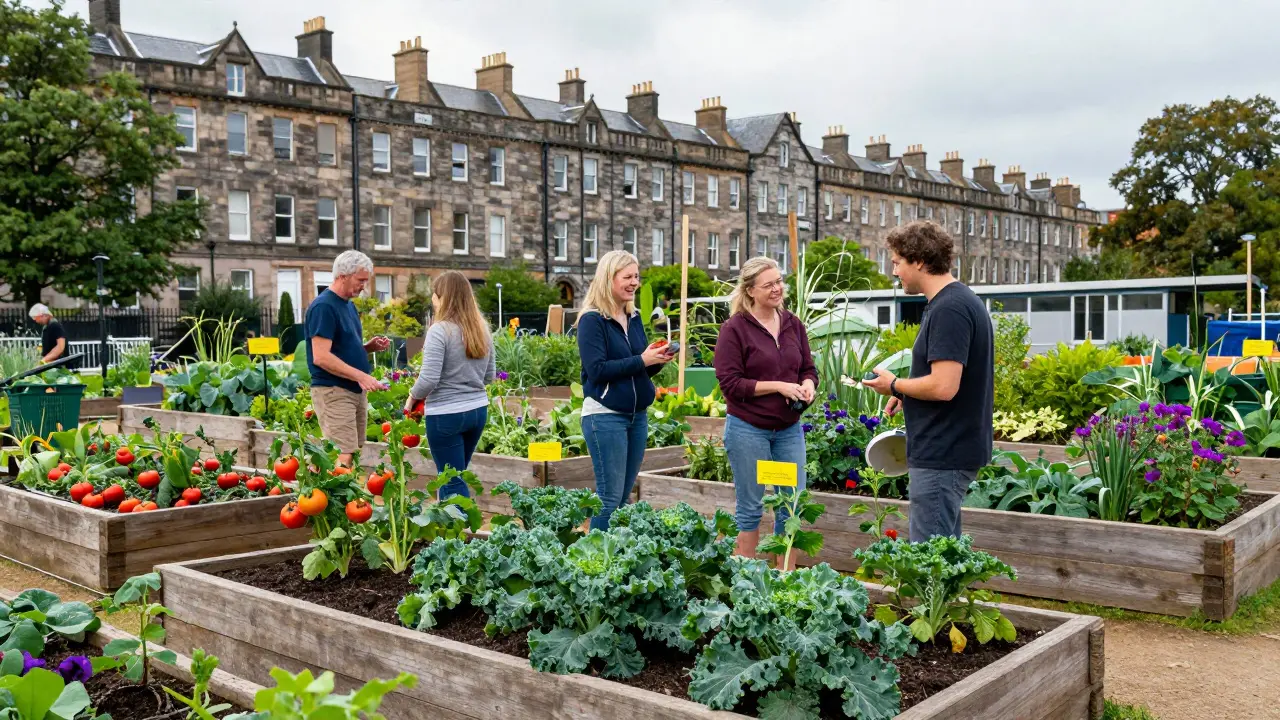
Imagine stepping out of your flat in Glasgow or Edinburgh, not into a concrete courtyard, but into a vibrant patch of green where neighbors swap stories over tomato plants. This is the reality for thousands of Scots involved in community gardens, which are shared spaces where local residents grow food, flowers, and friendships together. These aren't just pretty spots; they are vital hubs for mental health, sustainability, and community resilience in an increasingly urbanized world.
If you have ever looked at a grey vacant lot and wondered what could be there, you are in good company. Across Scotland, from the bustling streets of Dundee to the quieter suburbs of Aberdeen, empty lots are being transformed into productive gardens. But how do you get involved? Is it just for seasoned botanists, or can anyone dig in? Let’s look at how these spaces work, why they matter, and how you can claim your own slice of earth.
The Rise of Green Spaces in Scottish Cities
Scotland has a long history with land cultivation, dating back centuries with its traditional allotments, which are small rented plots of land used for growing vegetables and fruit. However, modern community gardens are different. While allotments are usually individual plots managed by local councils, community gardens are often collaborative efforts run by charities, trusts, or neighborhood groups. They focus less on individual yield and more on shared learning and social connection.
In recent years, the demand for these spaces has skyrocketed. Why? Because city life can feel isolating. A study by the Royal Horticultural Society (RHS) highlighted that gardening significantly reduces stress levels. In Scotland, this trend aligns perfectly with the government's push for "healthy towns." Cities like Glasgow have integrated green infrastructure into their urban planning strategies, recognizing that access to nature isn't a luxury-it's a public health necessity.
Consider the transformation of post-industrial sites. In areas like East Glasgow, old factory grounds have been repurposed into thriving ecological zones. These projects don't just provide fresh produce; they tackle issues like food poverty and environmental education. You aren't just planting seeds; you're helping to heal the urban landscape.
How to Find a Plot Near You
Finding a community garden isn't as simple as walking into a hardware store. It requires a bit of detective work, but the reward is worth it. Here is how you can locate a spot in your area:
- Check Local Council Websites: Most Scottish local authorities maintain lists of registered community gardens and allotment associations. Look for sections titled "Leisure," "Parks," or "Community Development." For example, Edinburgh City Council provides detailed maps of available green spaces.
- Visit Community Centers: Often, the best information spreads through word-of-mouth. Bulletin boards in libraries, churches, and community halls frequently advertise new volunteer days or plot openings.
- Search Online Directories: Organizations like Gardens Trust, which is a national charity supporting community-led green space projects, offer searchable databases of projects across Scotland. You can filter by location and type of activity.
- Social Media Groups: Facebook and Nextdoor groups specific to your neighborhood are goldmines. People often post about informal garden starts before they are officially listed anywhere.
Once you find a potential site, visit it. Don't just email them-go see it. Talk to the people already working there. Ask about their soil quality, water access, and group dynamics. A garden might look great on paper, but if the community is toxic, you won't enjoy it. The vibe matters as much as the vegetables.
Volunteering: More Than Just Digging
You might think volunteering means spending every Saturday weeding. While physical labor is part of it, community gardens need diverse skills. Think about what you bring to the table beyond a shovel.
Some gardens struggle with administration. Do you have experience in grant writing? Many community gardens rely on funding from bodies like the National Lottery Heritage Fund or local council grants. Helping write those applications can save a project.
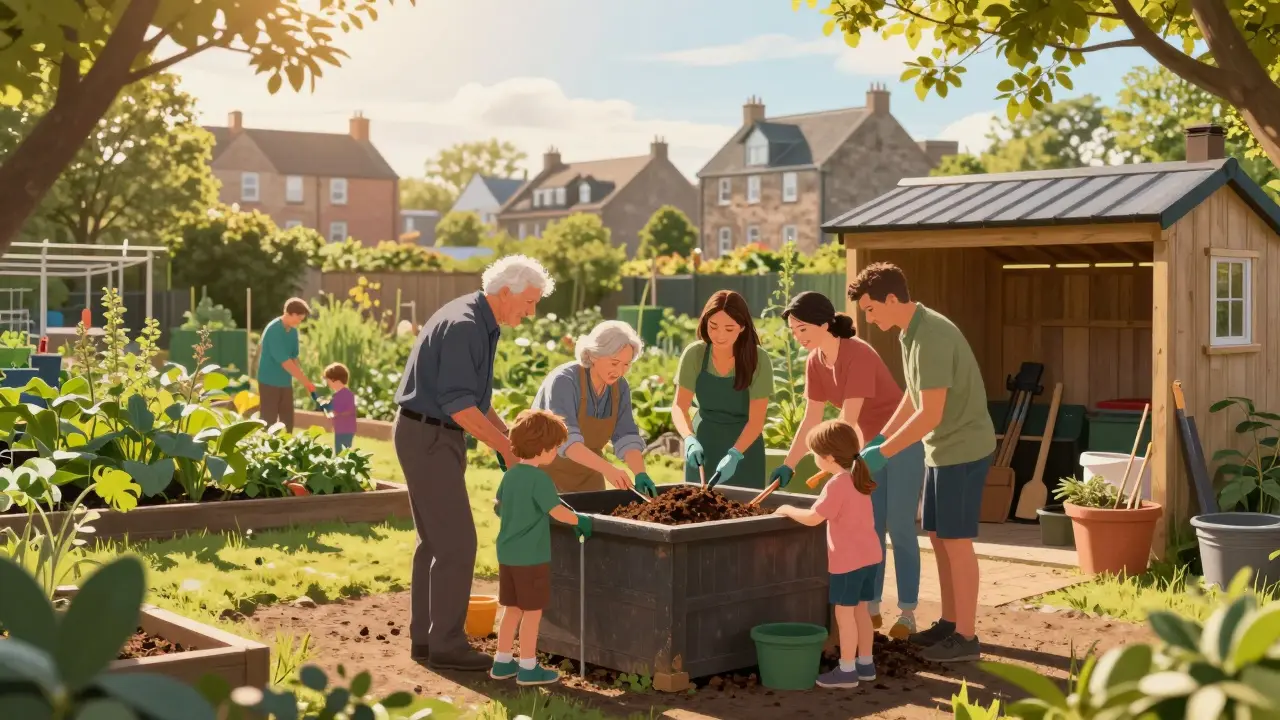
Others need educators. If you are good with kids, consider leading workshops on composting or seed saving. Schools in Scotland are increasingly partnering with community gardens for outdoor learning. Your role could involve teaching children where their food comes from, fostering a lifelong appreciation for nature.
Then there are the builders. Fences break, sheds leak, and paths crumble. If you are handy with tools, your skills are invaluable. Constructing raised beds or repairing irrigation systems allows others to focus on planting. Every skill set contributes to the garden's survival.
Remember, time commitments vary. Some groups expect regular weekly attendance, while others welcome "drop-in" volunteers who help during monthly open days. Be honest about your availability when you join. Consistency builds trust within the group.
What You Can Grow in Scotland’s Climate
Scotland’s weather gets a bad rap. It’s cool, damp, and unpredictable. But this climate is perfect for many crops. You don’t need a tropical greenhouse to succeed. In fact, cooler temperatures mean fewer pests compared to warmer regions.
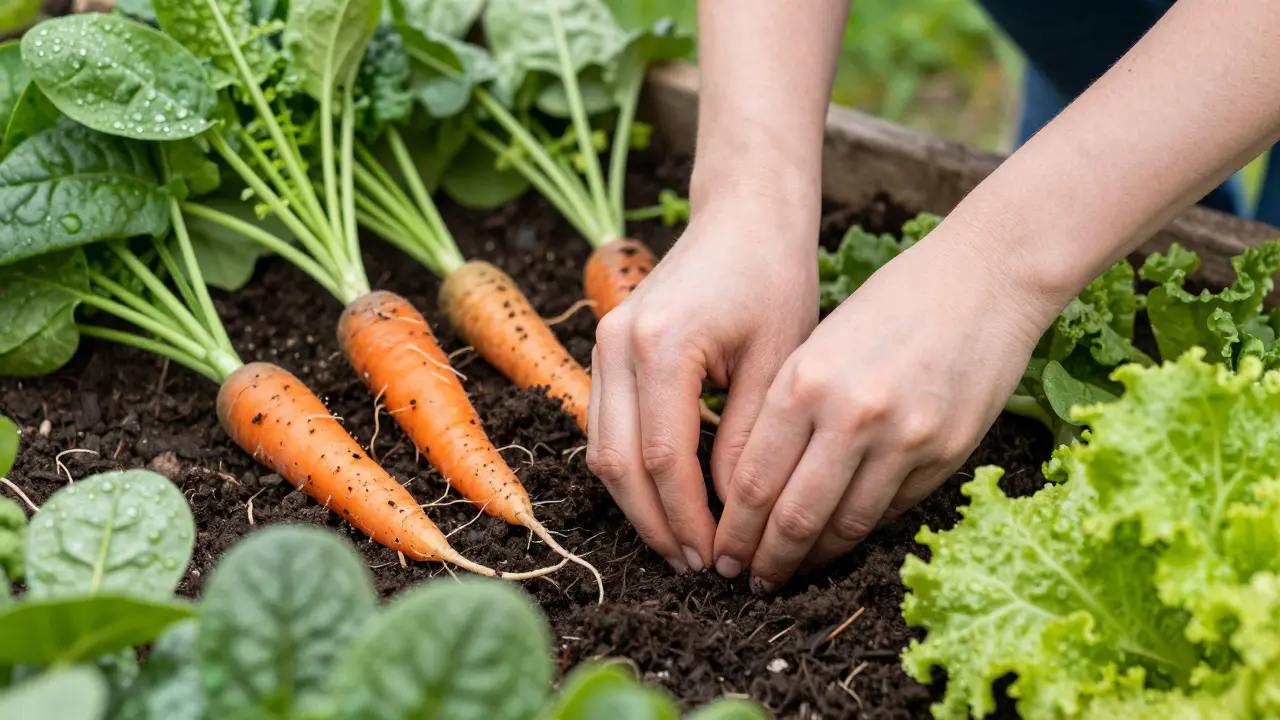
Root vegetables thrive here. Carrots, potatoes, and parsnips love the rich, often peaty soils found in many Scottish gardens. Leafy greens like kale, spinach, and lettuce are staples because they grow quickly and can be harvested multiple times. Herbs such as thyme, rosemary, and mint also do well, especially if planted in sunny spots protected from strong winds.
For those interested in fruits, berries are a safe bet. Raspberries and blackcurrants are hardy and productive. Apples and plums can be grown in dwarf varieties suitable for smaller plots. Even in urban centers like Glasgow, you can find microclimates created by buildings that trap heat, allowing for slightly tender crops like courgettes and beans.
| Crop Type | Recommended Varieties | Planting Season | Harvest Time |
|---|---|---|---|
| Root Vegetables | Carrots, Potatoes, Parsnips | Spring (April-May) | Late Summer to Autumn |
| Leafy Greens | Kale, Spinach, Lamb’s Lettuce | Spring and Autumn | Continuous Harvest |
| Berries | Raspberries, Blackcurrants | Autumn (bare root) | Summer |
| Herbs | Thyme, Rosemary, Chives | Spring | All Year (if protected) |
Don’t forget about companion planting. Planting marigolds near tomatoes helps deter aphids. Growing beans alongside corn provides natural nitrogen fixation. These techniques reduce the need for chemical pesticides, keeping your harvest organic and safe.
Benefits Beyond the Harvest
The food you grow is rewarding, but the intangible benefits are profound. Mental health professionals increasingly prescribe "green exercise." Being outdoors, engaging in physical activity, and connecting with nature lowers cortisol levels. For many volunteers, the garden becomes a sanctuary-a place to escape the noise of daily life.
Socially, these gardens bridge gaps between generations and cultures. In diverse neighborhoods, you might find retirees sharing tips with young families, or immigrants introducing traditional crops from their homelands. This exchange fosters mutual respect and understanding. It turns strangers into neighbors.
Environmentally, community gardens combat urban heat islands and improve air quality. They provide habitats for pollinators like bees and butterflies, which are declining in number. By planting native species and avoiding chemicals, you contribute to local biodiversity. Even small patches of green make a difference in stormwater management, absorbing rainwater that would otherwise flood drains.
Overcoming Common Challenges
No garden is without its hurdles. One major issue is land tenure. Many community gardens operate on temporary licenses. This uncertainty can make long-term planning difficult. To mitigate this, successful groups often build strong relationships with landowners, whether they are private developers or local councils. Demonstrating the social value of the garden can help secure longer-term agreements.
Funding is another constant challenge. Maintenance costs money-from tools to insurance. Diversifying income streams is key. Selling surplus produce at farmers' markets, hosting paid workshops, or applying for grants can ensure financial stability. Crowdfunding campaigns have also proven effective for specific projects like building a new shed or installing solar panels.
Conflict resolution is essential in any shared space. Disagreements over plot boundaries, watering schedules, or harvesting methods can arise. Clear ground rules established early on help prevent misunderstandings. Regular meetings where everyone has a voice ensure that decisions are democratic and inclusive.
Getting Started Today
Ready to take the plunge? Start by identifying one nearby garden. Attend their next open day or volunteer session. Bring gloves and a willingness to learn. You don’t need to know everything on day one. Everyone starts somewhere.
Join online forums dedicated to Scottish gardening. Share your experiences, ask questions, and connect with others facing similar challenges. The community is supportive and eager to help newcomers.
Finally, remember that gardening is a practice, not a performance. Mistakes happen. Plants die. Seasons change. Embrace the process. Whether you end up with a bumper crop of carrots or just a few resilient herbs, the act of tending the land connects you to something larger than yourself. It roots you in your community and gives you a tangible stake in your local environment.
Do I need experience to volunteer in a community garden?
No, you do not need prior experience. Most community gardens welcome beginners and offer training. Enthusiasm and reliability are often valued more than technical skills. You will learn from experienced members and through hands-on practice.
Are community gardens free to join?
Many community gardens are free to volunteer at, especially if you contribute time. However, some may charge a small annual membership fee to cover insurance, tools, or water costs. Allotment plots usually require a rental fee, which varies by council.
Can I grow my own food in a community garden?
Yes, most community gardens allow members to keep what they grow. Some operate on a shared harvest model where produce is distributed among volunteers, while others assign individual plots for personal use. Check the specific rules of the garden you join.
How long does it take to start a new community garden?
Starting a new garden can take anywhere from six months to two years. It involves finding land, securing permissions, gathering a team, raising funds, and preparing the soil. Patience and persistence are crucial during this phase.
What should I wear when volunteering?
Wear sturdy, closed-toe shoes and clothes you don't mind getting dirty. Gloves are essential for protection against thorns and soil. In Scotland's variable weather, waterproof layers and a hat are highly recommended. Always check with the garden organizers for any specific safety gear requirements.