
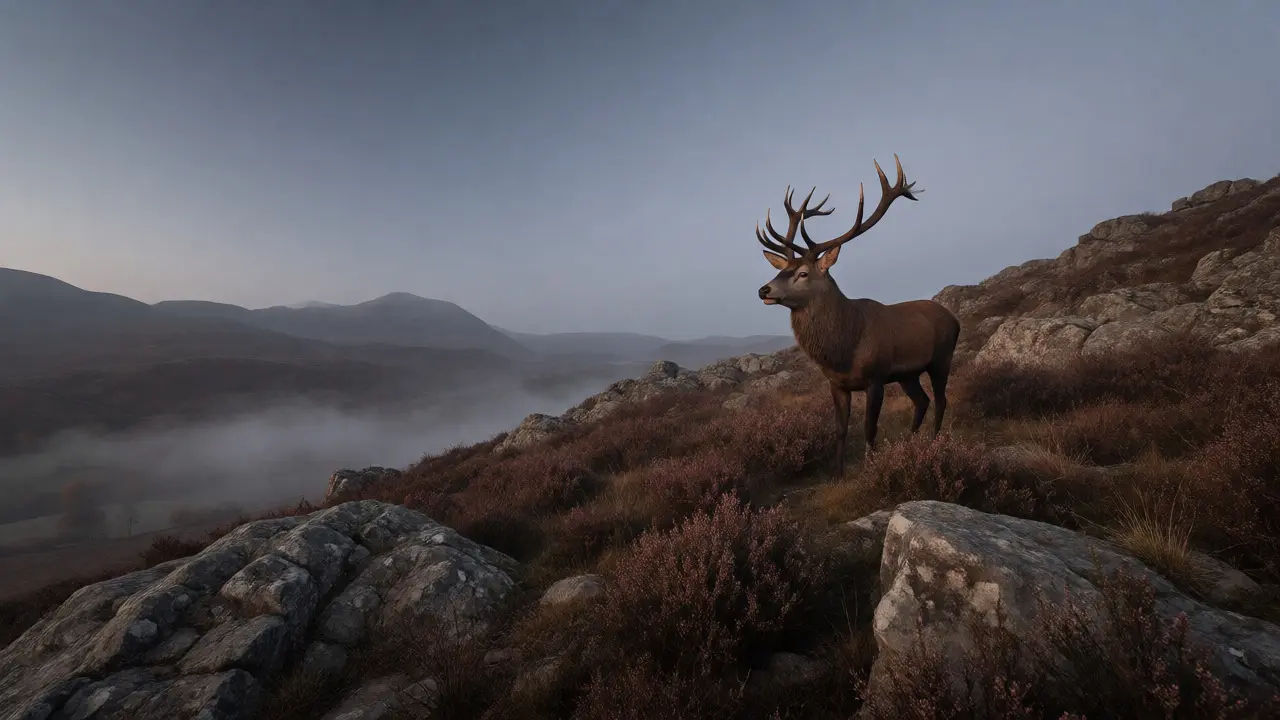
There is a specific sound that hits you in the chest before your brain even registers it. It’s a guttural, roaring bellow that echoes off the granite hills of the Scottish Highlands. If you’ve ever stood on a hillside in October or November and heard that primal call, you know exactly what I’m talking about. This is the red deer rut, one of nature’s most dramatic spectacles in Britain. But here’s the catch: while it looks like a peaceful pastoral scene from a distance, up close, it’s intense, loud, and potentially dangerous if you don’t know how to behave.
I live in Dundee, just a short drive from some of the best viewing spots in Perthshire and Angus. Over the years, I’ve learned that watching the rut isn’t just about showing up with binoculars. It requires timing, patience, and a serious respect for these animals. If you’re planning a trip to Scotland this autumn, you need to know where to go, when to go, and how to stay safe so you get the memory without the incident.
What Actually Happens During the Rut?
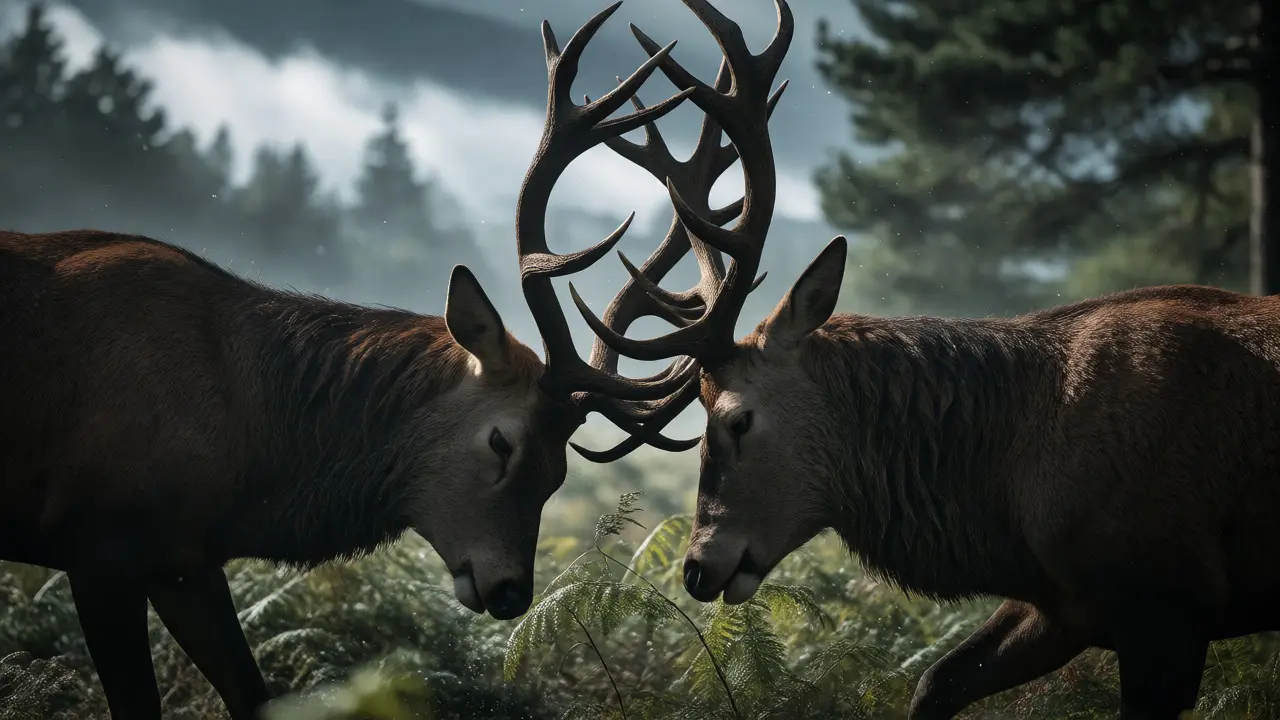
The rut is essentially the breeding season for deer. For red deer, this typically peaks between late September and mid-November. The dominant stags-male deer-stop eating almost entirely during this period. Their priority shifts completely to defending their harems (groups of females) against rival males. You’ll see them thrashing through bracken, rubbing their antlers against trees to mark territory and shed velvet, and engaging in those iconic clashes of antlers.
It’s not just about fighting. The vocalizations are key. Stags use low-frequency roars to assert dominance and intimidate rivals without always having to fight physically. These fights can be brutal. Antlers lock, muscles strain, and sometimes a stag loses an eye or breaks a leg. Seeing a full-scale duel between two mature stags is rare but unforgettable. Most of the time, though, you’ll see posturing: heads held high, necks arched, bodies tense as they circle each other.
| Feature | Detail |
|---|---|
| Peak Timing | Late October to early November |
| Main Activity | Roaring, sparring, chasing hinds |
| Best Time of Day | Dawn and dusk (crepuscular) |
| Primary Risk | Aggressive stags charging humans |
Top Locations to Watch the Deer Rut in Scotland
Scotland has plenty of deer, but not every location offers good visibility or accessibility. Here are three spots near my home base in Dundee that are reliable for rutting action.
Glen Farg and Loch Ericht
This area, straddling the border of Perthshire and Inverness-shire, is legendary among wildlife photographers. The landscape is open enough to spot deer from a distance, but rugged enough that they feel wild. Drive along the A86 towards Spean Bridge. Look for groups of deer on the braesides above the lochs. The heather is often still purple or turning brown, providing a stark backdrop for the dark coats of the stags.
Cairngorms National Park (Aviemore Area)
If you want convenience mixed with spectacle, head to Aviemore. From the ski center car park, you can walk up into the slopes. The deer here are somewhat habituated to human presence, which means they might tolerate closer proximity, but do not mistake tolerance for tameness. The pine forests provide cover, so listen more than you look. Early mornings in late October offer misty conditions that amplify the sound of roaring across the glen.
Falls of Bruar and Blair Castle Estate
Just north of Pitlochry, the Falls of Bruar estate is managed specifically for visitor access. They have dedicated hides and clear paths that lead you directly into areas where deer congregate. Because it’s a managed estate, there’s often a warden on site who can point out where the big stags are currently holding court. This is a great option if you’re traveling with family or want a lower-risk introduction to the rut.
Safety First: How Not to Get Gored
Let’s be real: a 150kg stag with sharp antlers and zero interest in sharing his space is not a petting zoo animal. Every year, tourists get too close for a selfie and end up chased or knocked over. The general rule is simple: keep your distance. Use binoculars or a zoom lens. If a deer looks at you, you are too close. If it lowers its head and stamps its foot, run.
- Maintain Distance: Stay at least 50-100 meters away from any single stag. If there’s a group, give them even more room.
- No Dogs: Leave your dog at home or on a very tight lead. A loose dog will trigger a chase response in the deer, causing chaos and potentially leading the deer straight toward you.
- Stay Downwind: Deer rely heavily on scent. If they smell you before they see you, they might flee. If they smell you while you’re approaching, they might charge out of surprise. Always approach cautiously and check wind direction.
- Do Not Feed Them: Feeding changes natural behavior and makes deer aggressive toward people expecting handouts.
I once saw a photographer step off the path to get a better angle on a roaring stag. The stag didn’t roar back; it charged. The photographer scrambled up a fence post, narrowly avoiding being skewered. That’s the reality of the rut. Respect the power dynamic.
When Is the Absolute Best Time to Go?
While the rut spans several weeks, the peak intensity varies by region and weather. Generally, the first week of November is prime time in many parts of Scotland. The days are shorter, meaning the crepuscular activity windows (dawn and dusk) are longer and easier to manage within a daylight schedule.
Weather plays a huge role. Calm, cold days are best because sound carries further. Windy days make it hard to hear the roars, and rain drives the deer into sheltered valleys where they’re harder to spot. Check the forecast for a high-pressure system with light winds. Those are the golden tickets.
Essential Gear for Autumn Wildlife Watching
You don’t need expensive equipment, but you do need the right kit. The Scottish autumn is wet, windy, and muddy. Dress in layers. A waterproof shell is non-negotiable. Footwear should be sturdy hiking boots with good grip; the ground gets slippery fast.
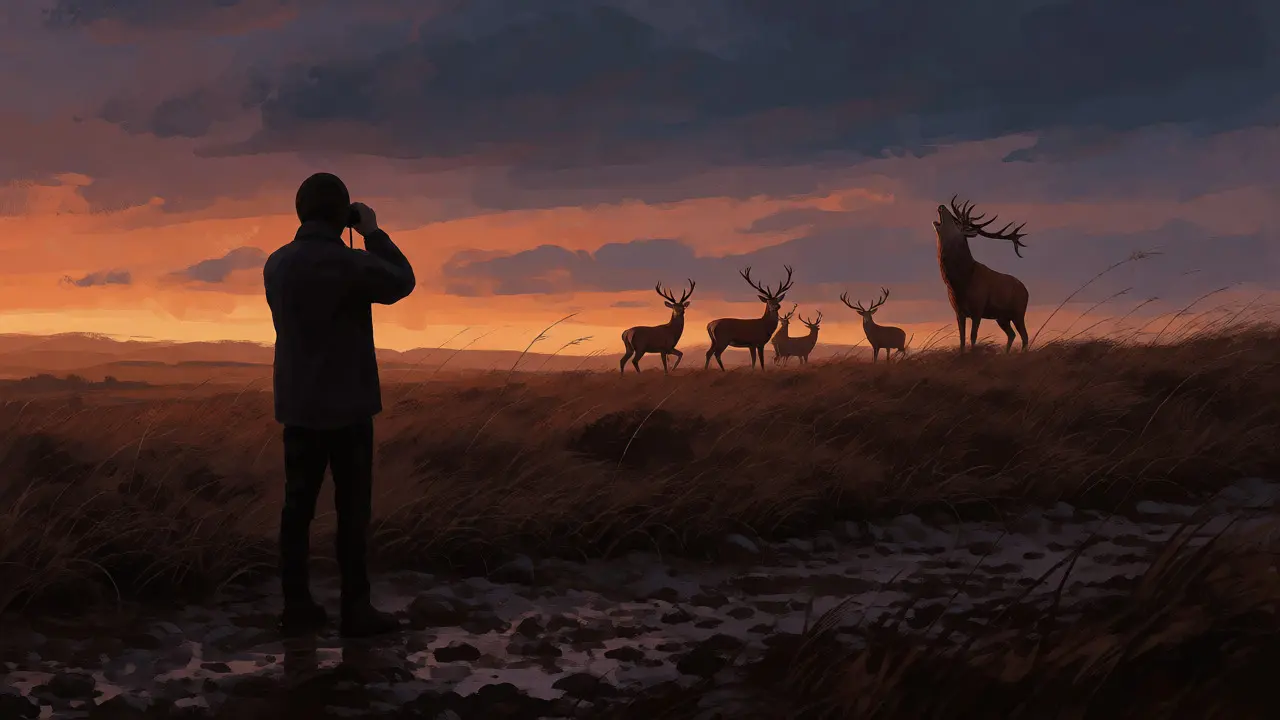
Optics are your best friend. Binoculars with 8x42 or 10x42 magnification are ideal. They balance brightness and stability. If you’re into photography, a telephoto lens (300mm+) is necessary to capture detail without disturbing the animals. Bring extra batteries-cold weather drains them quickly. And bring thermos coffee. Waiting in the cold for hours requires caffeine.
Ethical Viewing: Leave No Trace
These animals are stressed enough as it is. Your job is to observe, not interfere. Avoid using flash photography. Keep noise levels down. If you’re driving, stick to designated parking areas. Trampling vegetation in search of a better view damages the habitat they depend on.
Also, consider supporting local conservation efforts. Many estates and trusts manage deer populations to prevent overgrazing, which harms native woodland regeneration. Buying a ticket to a managed estate like Blair Castle or paying for a guided tour contributes directly to this work.
Is the deer rut dangerous for children?
It can be, primarily due to unpredictability. Children should always be supervised and kept behind barriers or fences if possible. Explain to them that the deer are wild animals and must not be approached. The risk is highest when a stag feels cornered or surprised.
Can I see the rut from a car?
Yes, but with caution. Many roads in the Highlands pass through deer habitats. Slow down and scan the verges. However, stopping on narrow roads can cause traffic issues and disturb the animals. It’s better to pull into a layby and observe on foot with binoculars.
What other deer species rut in Scotland?
Besides red deer, you may encounter sika deer and muntjac deer. Sika deer rut slightly later than red deer, often in November and December. Muntjac deer have a much quieter rut and are less conspicuous, often found in wooded areas rather than open hills.
Do I need a guide to see the rut?
Not necessarily, but a guide significantly increases your chances of seeing action. Guides know the terrain, understand deer behavior, and have radios to communicate sightings. For first-timers, especially those unfamiliar with reading the landscape, a guided walk is a worthwhile investment.
How long does the rut last?
The active rutting period for red deer lasts about four to six weeks, typically from mid-September to mid-November. Peak aggression and roaring usually occur in late October. After this, stags lose condition and the hinds become pregnant.