
Whisky Taxes Scotland: What You Pay and How It Affects Your Bottle
When you buy a bottle of Scottish whisky, a distilled spirit made in Scotland under strict legal standards. Also known as Scotch, it's protected by law and taxed heavily by the UK government. That price tag isn’t just for the spirit inside—it’s mostly for excise duty, a fixed tax applied per liter of alcohol, regardless of bottle size or brand. In fact, more than half of what you pay for a bottle of whisky goes straight to the government in taxes. For a £30 bottle, you could be paying £20 or more in duty and VAT alone. It’s not a secret—it’s just rarely talked about.
Alcohol duty, the government’s main tool for controlling alcohol consumption and raising revenue. has stayed mostly unchanged for years, even as whisky prices climbed. Distilleries in Fife, Islay, and Speyside don’t set these taxes—they just pay them. That’s why a small independent distillery in Anstruther pays the same per liter as Glenfiddich. The tax doesn’t care if you’re buying a £50 single malt or a £5 blend. It’s a flat rate, and it hits every bottle the same way. This system keeps government revenue steady, but it also makes it harder for new distillers to compete. If you’ve ever wondered why craft whisky feels so expensive, this is why.
There’s a reason whisky tourism thrives in Scotland. People come to taste the real thing—not just the flavor, but the story. And that story includes the tax. Every time you visit a distillery in the Kingdom of Fife, you’re walking through a landscape shaped by centuries of trade, regulation, and tradition. The same laws that taxed whisky in 1920 still apply today, even as production methods evolved. The result? A product that’s deeply tied to its place, its history, and its cost. You’re not just buying a drink—you’re paying for a piece of Scotland’s economy.
What does this mean for you? If you’re planning a whisky tour, know that tasting fees and gift shop prices are built on top of this tax burden. If you’re buying online, remember that shipping costs, import duties, and local taxes in your country stack on top of the UK excise duty. There’s no magic discount—just the reality of how whisky is priced. And if you’ve ever thought about starting your own distillery? The tax alone can cost tens of thousands just to get started.
Below, you’ll find real stories from people who’ve navigated this system—how they found better deals, what they learned from visiting distilleries, and how whisky chocolate pairings, ferry trips to Skye, and even bottle collecting all tie back to the same hidden cost: the tax. You won’t find a single article here that ignores it. Because if you’re going to enjoy Scottish whisky, you should know what you’re really paying for.
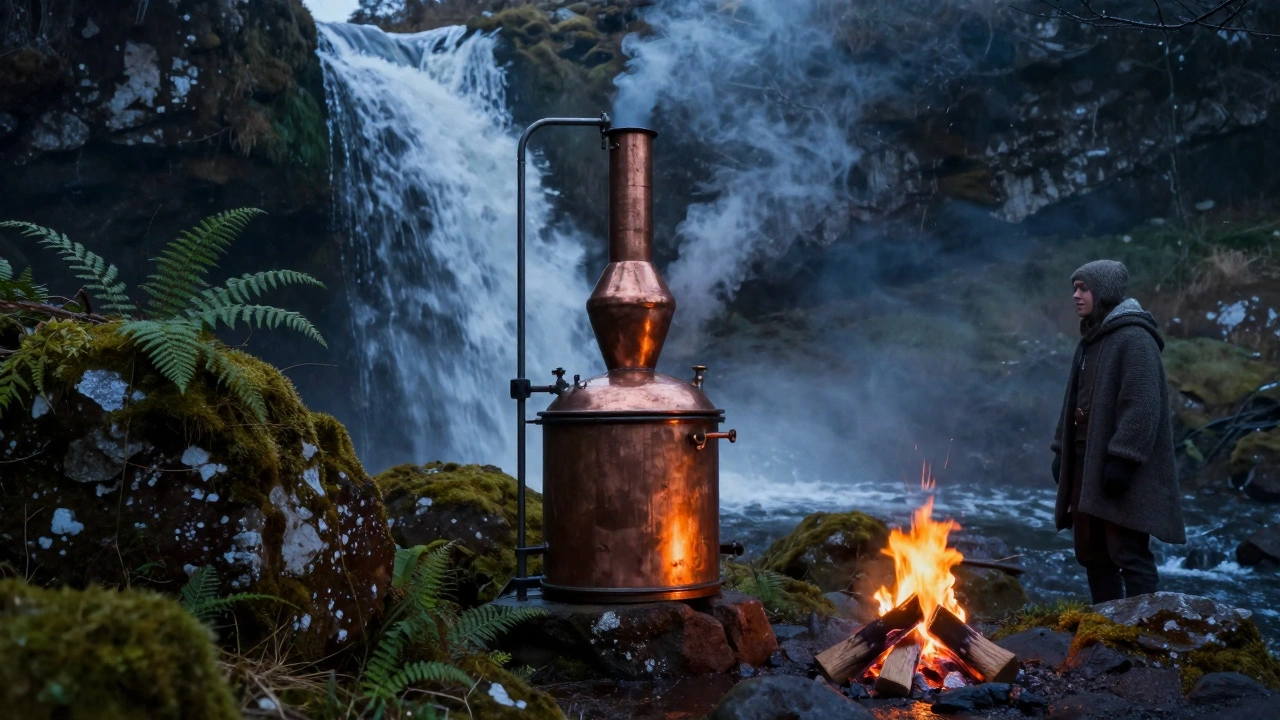
Whisky History in Scotland: Illicit Stills, Taxes, and Traditions
Caleb Drummond Dec 8 11Discover the hidden history of Scottish whisky-how illicit stills, harsh taxes, and stubborn traditions shaped the world’s most beloved spirit. A story of survival, not just spirit.
More Detail