
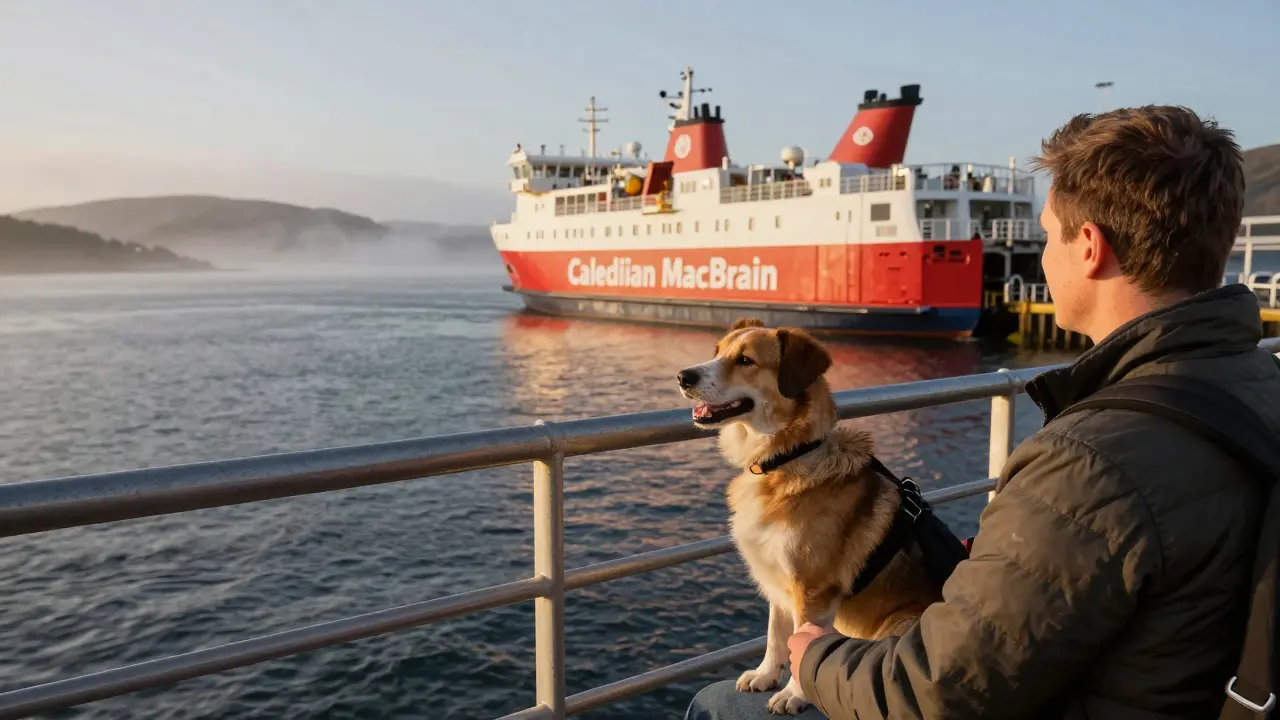
Leaving your dog at home while you explore the Highlands feels wrong. You want them there, sniffing the heather and chasing seagulls on the coast. But bringing a pet to Scotland involves more than just packing their leash. You need to know which ferries allow dogs without booking special kennels, which hotels won’t charge you an arm and a leg for a "pet fee," and which parks actually enforce their no-dog signs.
I’ve spent years navigating these waters from my base in Dundee. I’ve learned that the difference between a stressful trip and a perfect holiday often comes down to knowing the specific rules of Caledonian MacBrayne, the largest ferry operator in Scotland, which has unique policies compared to other carriers. This guide breaks down exactly what you need to do to travel smoothly with your furry companion across Scotland’s islands and mainland attractions.
Ferry Travel: Navigating CalMac and Others
Ferries are the lifeline of Scottish travel, especially if you’re heading to the Hebrides or the Isle of Skye. However, not all ferries treat pets the same way. The biggest player here is Caledonian MacBrayne (CalMac), the government-owned ferry service operating over 80 routes across Scotland's west coast and the Firth of Clyde.
For most CalMac routes, small dogs can travel with you in the vehicle deck or passenger areas if they are in a carrier. Larger dogs usually need to stay in your car or be booked into a dedicated kennel. Here is the catch: kennel space is limited. If you don’t book it weeks in advance, especially during summer or Easter, you might find yourself stranded on the mainland with a confused dog.
- Small Dogs: Must be in a secure carrier or cage. They can often stay with you in the lounge if the carrier is small enough.
- Large Dogs: Generally must remain in your vehicle or use the onboard kennels. Booking kennels is mandatory and costs extra.
- Guide Dogs: Always welcome free of charge and can accompany you anywhere on the ship.
Other operators like NorthLink Ferries, the primary ferry link connecting mainland Scotland to Orkney and Shetland have stricter rules. They often require all pets to be in kennels, even small ones, unless they are assistance dogs. Always check the specific route page before you drive to the terminal. A surprise denial at the gate ruins the whole trip.
| Operator | Small Dog Policy | Large Dog Policy | Kennel Booking Required? |
|---|---|---|---|
| Caledonian MacBrayne | In carrier with owner (usually) | In car or booked kennel | Yes, for large dogs/kennels |
| NorthLink Ferries | Mandatory kennel (unless assistance dog) | Mandatory kennel | Yes, for all pets |
| Journey ferries | Varies by vessel; check specific route | Usually kennel only | Often required |
Finding Dog-Friendly Accommodation
Scotland is famously welcoming to dogs, but "dog-friendly" doesn’t always mean "easy." Many B&Bs and boutique hotels claim to accept pets but add hefty cleaning fees or restrict where your dog can go. In Edinburgh and Glasgow, finding a central hotel that allows dogs without a £50+ nightly surcharge is tough.
The best strategy is to look outside the city centers. Rural cottages and self-catering apartments in the Highlands and Islands are often more flexible. Platforms like Airbnb and Booking.com have good filters, but read the recent reviews specifically mentioning pets. Look for comments about "smells" or "strict rules." If a host mentions they provide a bed and bowl, that’s a great sign. It means they expect dogs and aren’t just tolerating them.
Hotels like the Motel One, a budget-friendly hotel chain with locations in major Scottish cities including Edinburgh and Glasgow often have clear, consistent pet policies with reasonable fees. However, always call ahead. Policies change, and staff discretion matters. Ask specifically: "Is there a weight limit?" and "Are there any rooms restricted due to noise complaints?" This saves you from being moved to a basement room upon arrival.
Park Rules and Public Spaces
This is where many visitors get tripped up. Scotland has some of the most beautiful public land in the world, thanks to the Land Reform (Scotland) Act 2003, legislation that granted everyone responsible access rights to most land and inland water in Scotland. This act gives you the right to roam, but it also comes with responsibilities.
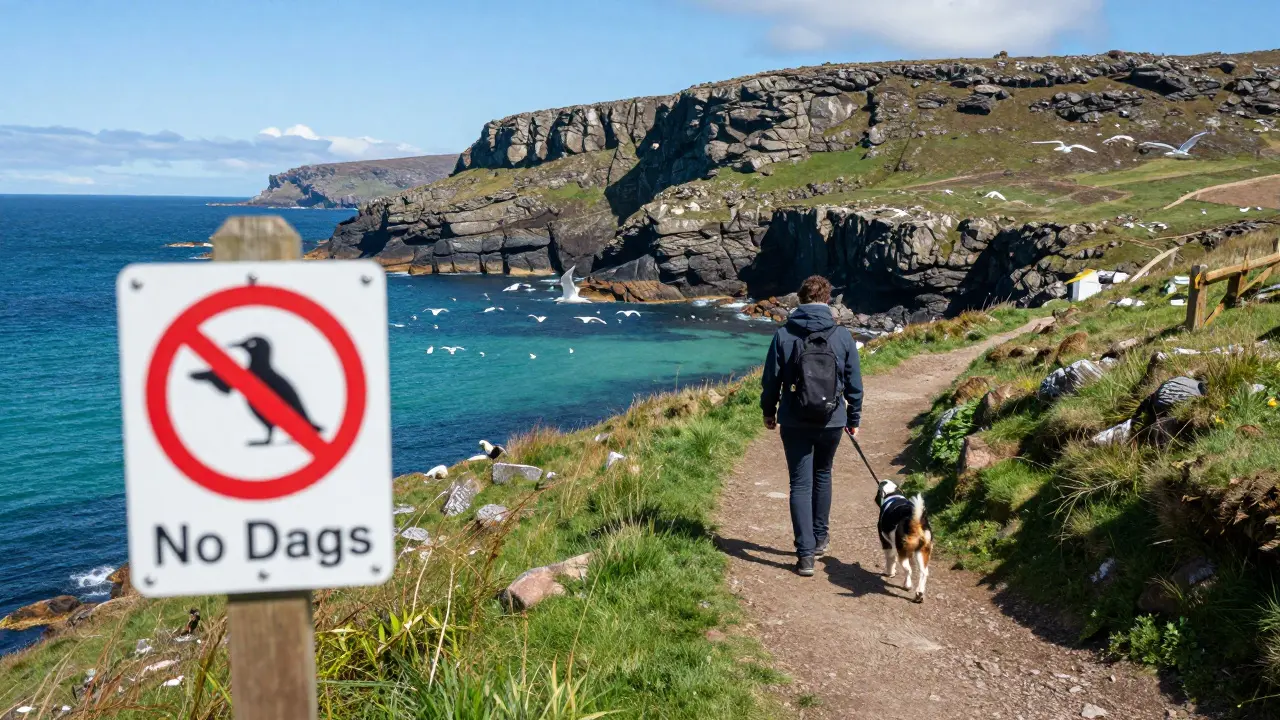
In general, dogs are allowed on most trails and beaches. However, local councils manage urban parks and some coastal paths, and they set the rules. During nesting season (typically April to July), many beaches ban dogs entirely to protect seabirds. Signs will be posted, but they aren’t always obvious. Ignoring them can lead to fines and upset locals who rely on those beaches for quiet enjoyment.
Urban parks like Princes Street Gardens in Edinburgh or Kelvingrove Park in Glasgow have designated off-leash areas. Outside those zones, your dog must be on a lead. This isn’t just about safety; it’s about respecting wildlife and other visitors. Sheep farming is still huge in the Highlands. If you visit rural areas, keep your dog under strict control. Farmers lose money when dogs harass livestock, and tensions can run high. A short lead is your best friend in agricultural landscapes.
Essential Tips for a Smooth Trip
Preparation makes the difference between a nightmare and a memory. Here are practical steps to ensure your pet travels well:
- Microchip and Passport: Even within the UK, ensure your dog’s microchip details are up to date. If you’re traveling from abroad, you’ll need an EU pet passport or health certificate. Check current UK government advice as post-Brexit rules can shift.
- Medication and First Aid: Pack enough flea/worm treatment for the trip plus a few extra days. Include a basic pet first aid kit with gauze, tape, and antiseptic wipes. Vet clinics in remote islands may be closed on weekends.
- Exercise Before Boarding: Walk your dog thoroughly before getting on the ferry. A tired dog is a calm dog. They are less likely to bark or pace nervously during the crossing.
- Water and Waste Bags: Bring your own collapsible bowl and plenty of poop bags. Not all ferry terminals or remote campsites have adequate disposal facilities. Clean up after your dog everywhere-always.
- Identification Tags: Ensure your dog wears a collar with your current contact number. If you’re staying in a rental, add the rental address to the tag temporarily.
Remember, Scotland’s weather changes fast. Rain can turn a dry trail into a muddy bog quickly. Consider a waterproof coat for your dog if they are short-haired. Hypothermia is a real risk in winter, even for sturdy breeds.
Common Pitfalls to Avoid
Many travelers assume that because Scotland is outdoorsy, everything is open to dogs. This isn’t true. Some historic castles and museums prohibit pets inside due to preservation concerns. Check websites before you queue up. Also, avoid feeding your dog local seafood scraps. Shellfish can cause allergic reactions or digestive issues in some dogs. Stick to their regular food as much as possible to avoid stomach upsets.
Another common mistake is underestimating travel time. Ferry schedules are tight, but delays happen due to weather. Build buffer time into your itinerary. If you miss a connection, you might be stuck waiting hours for the next one. Have snacks and water for both you and your dog ready in your car.
Can I bring my dog on the train in Scotland?
Yes, most trains operated by ScotRail allow dogs. Small dogs can travel for free if they are in a carrier. Larger dogs cost £6 each way and must be on a lead. Only two dogs per person are allowed. Reservations are recommended during peak times.
Are there any beaches in Scotland where dogs are banned year-round?
Very few beaches ban dogs year-round. Most seasonal bans run from April 1 to July 31 to protect nesting birds. Always look for signage at beach entrances. Some popular tourist beaches like those in St Andrews may have stricter local bylaws.
What should I do if my dog gets sick on a remote island?
Identify the nearest veterinary practice before you arrive. Many islands have one main vet clinic. Save their phone number in your contacts. For emergencies, ask locals or accommodation hosts for immediate advice. Telehealth options are becoming available but may not replace physical exams.
Do I need to pay extra for my dog on CalMac ferries?
If your dog stays in your car or a carrier with you, there is usually no extra charge. However, if you book a kennel for a larger dog, there is a fee. Assistance dogs travel free. Always check the latest pricing on the official CalMac website as fees can change.
Can I leave my dog alone in the car on the ferry?
It is generally discouraged to leave dogs alone in vehicles for long periods, especially in hot weather. CalMac advises against it. If you must, ensure the car is well-ventilated, never parked in direct sun, and check on your dog regularly. Kennels are a safer option for anxious pets.