
You’ve got the car packed, the dog is in the crate, and you’re staring at a map of the West Coast. The dream? A weekend on Isle of Mull, the largest island in the Inner Hebrides, known for its wildlife, castles, and rugged beauty. But here’s the snag that ruins half the trips before they start: where do you actually sleep? And more importantly, how do you get there without losing your mind over ferry tickets or paying £40 for a spot in a concrete lot?
Most people make the same mistake. They book a hotel in Oban because it looks pretty on Instagram, then realize too late that staying on the mainland means missing the magic of waking up to sea eagles overhead. Or worse, they try to drive straight onto the ferry with no reservation and end up waiting three hours in a queue that stretches back to the supermarket.
I’ve driven this route from Dundee more times than I can count. It’s not just about finding a bed; it’s about logistics. This guide breaks down the real choices between staying in Oban, a coastal town in Argyll and Bute, Scotland, often called the Gateway to the Isles, versus crossing over to Mull. We’ll look at the ferry chaos, the parking nightmares, and which views are actually worth the extra cash.
The Great Debate: Mainland Base vs. Island Immersion
Let’s cut through the noise. Should you stay in Oban or cross the water? It depends entirely on what kind of trip you want.
Stay in Oban if: You have a heavy schedule. Maybe you’re visiting relatives in the area, attending a wedding, or you’re terrified of narrow single-track roads after dark. Oban has supermarkets, hospitals, and a vibrant nightlife. It’s also cheaper. You can find a decent double room for £80-£100 in shoulder season, whereas Mull properties rarely dip below £120 unless you’re camping in a barn.
Cross to Mull if: You want the experience. The ferry ride itself (about 35 minutes) is part of the holiday. Waking up to the sound of gulls instead of traffic noise changes everything. Plus, you save time. If you’re planning to visit Duart Castle, the ancestral home of Clan MacLean, located on a tidal island near Craignure, or watch seals at Loch na Keal, starting your day on Mull saves you two hours of round-trip driving.
| Feature | Staying in Oban | Staying on Isle of Mull |
|---|---|---|
| Average Nightly Cost (Double) | £70 - £110 | £110 - £180+ |
| Ferry Booking Required? | No (if staying overnight) | Yes (Critical) |
| Wildlife Viewing Access | Moderate (Boat tours needed) | High (Roadside access) |
| Parking Availability | Tight but manageable | Variable (Check host policy) |
| Best For | Budget travelers, short stops | Nature lovers, photographers, relaxed pace |
Mastering the Ferry: CalMac Logistics
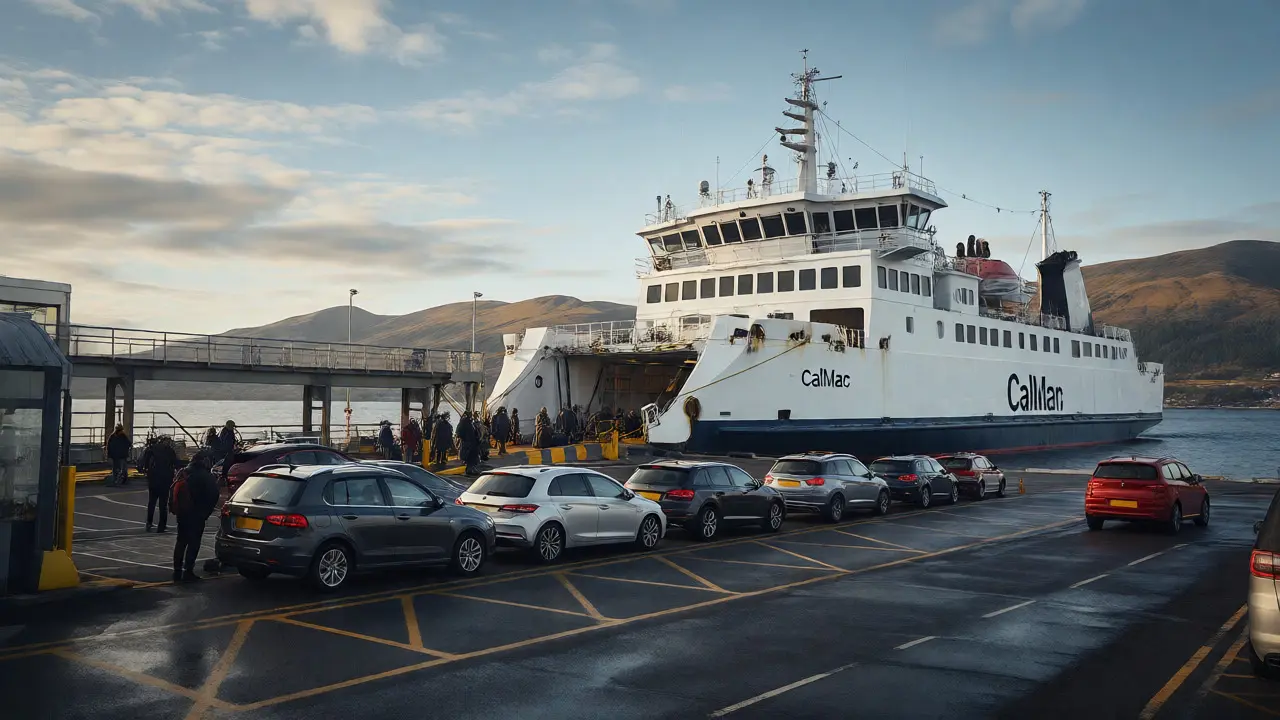
If you decide to cross, you need to understand CalMac, Caledonian MacBrayne, the operator of most passenger and vehicle ferries serving the west coast of Scotland. Their system is efficient but unforgiving. The main route runs from Oban to Craignure, the main port on the east coast of the Isle of Mull.
Here is the golden rule: Book your return ticket before you leave home. Not when you arrive. Before you pack your bag. During summer (June to August), walk-up spaces are virtually non-existent. You might wait four hours for a slot if you show up unannounced. In October, as we are now, it’s easier, but still risky if you have a large vehicle like a camper van.
- Vehicle Size Matters: Standard cars fit easily. Campervans and motorhomes often require specific slots. Check the length limit on the booking site. If your van is over 6 meters, you might be restricted to certain sailings.
- The "Open Return" Trap: Avoid open returns unless you are extremely flexible. Fixed dates cost slightly more but guarantee your spot. An open return during peak season is a gamble you don’t want to take when you’re tired and hungry.
- Arrival Time: Arrive at the Oban terminal 45 minutes before departure. Not 10. Not 20. Forty-five. Security checks and boarding queues eat time fast. If you miss the sailing, you lose your money and your night’s accommodation deposit.
Parking in Oban: The Concrete Jungle
If you stay in Oban, parking is your enemy. The town center is compact, hilly, and filled with tourists who don’t know where to stop. Most hotels charge for parking, ranging from £5 to £15 per night. Some include it, some don’t. Always ask.
For those looking to save money, look for long-stay car parks slightly outside the center. The Corran Esplanade, a waterfront area in Oban offering scenic views and public parking options offers free parking spots further along the road, away from the marina. Yes, it’s a bit of a walk to the restaurants, but you’ll save enough for a pint of local ale.
Watch out for street cleaning zones. Signs are small, blue, and easy to miss. One slip-up results in a clamped wheel or a hefty fine. If you’re driving a larger SUV, check height restrictions in multi-story lots. Some older garages have low ceilings that will scrape your roof rack.
Where to Sleep: Specific Recommendations
Let’s talk beds. I’m not listing every B&B in existence, just the ones that actually deliver on their promises.
In Oban: Comfort and Convenience
Stay near the harbor if you love boats. The Oban Distillery, a historic whisky distillery located in the heart of Oban town is right there. You can smell the malt while you drink your coffee. Hotels like the Caledonia offer classic Victorian charm, though rooms can feel dated. If you prefer modern amenities, look for self-catering apartments above shops on George Street. They’re quieter and often come with kitchenettes, saving you breakfast costs.
On Mull: Nature and Silence
Craignure is the first stop off the ferry. It’s functional, not beautiful. Stay here only if you have an early morning boat to catch or if you’re using Mull as a base for nearby islands like Coll or Tiree.
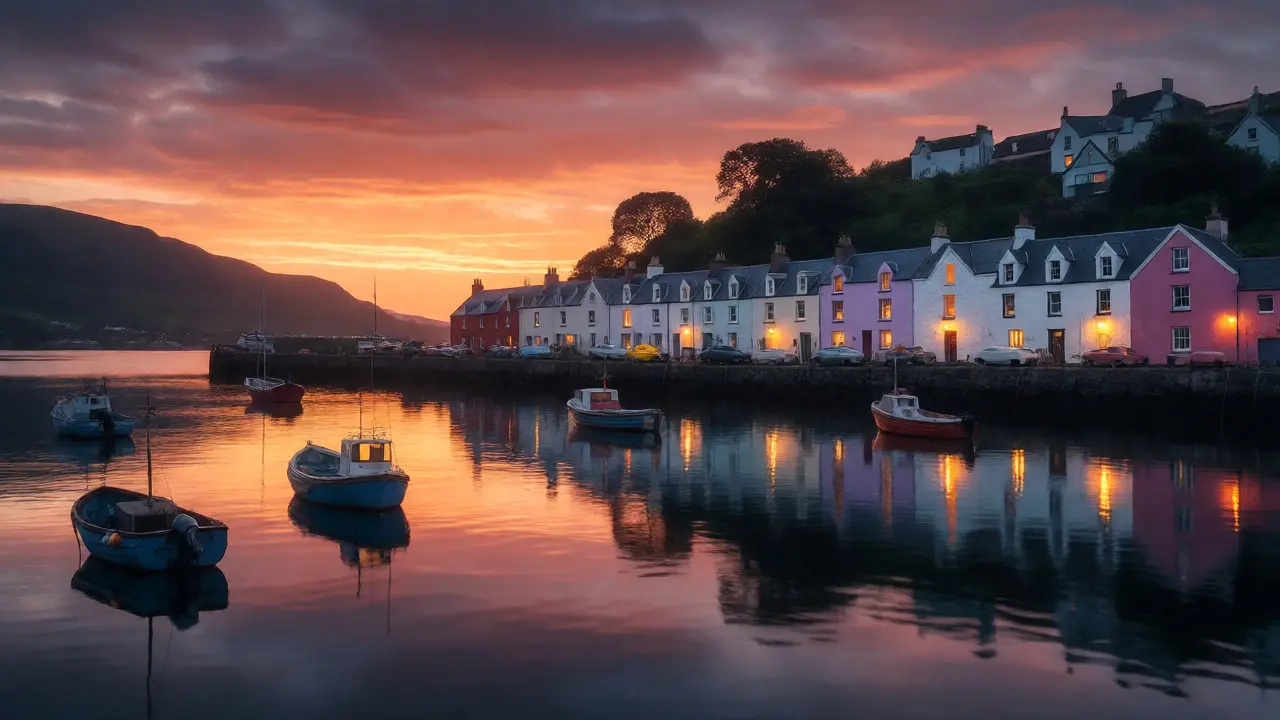
For better views, head south to Tobermory, a picturesque harbor village on the northwest coast of Mull, famous for its colorful houses. It’s a 45-minute drive across the island on winding roads. Worth it? Absolutely. The harbor lights reflecting on the water are stunning. But beware: Tobermory gets crowded in summer. Book months ahead.
If you want solitude, go west to Salen or north to Bunessan. These areas offer vast skies and fewer neighbors. Many cottages here have wood-burning stoves. Bring your own firelighters and matches. Don’t assume the host provides them.
Views That Are Actually Worth Paying For
Not all "sea views" are created equal. Some mean you see a corner of grey water between two buildings. Others mean panoramic vistas of Kerrera, a small island opposite Oban, popular for hiking and wildlife watching.
When booking, ask specifically: "Can I see the horizon?" If they say "partial view," assume you’ll see a bin. True sea views usually command a premium of £20-£30 per night. Is it worth it? If you’re working remotely and spending all day inside, yes. If you’re out exploring until dusk, maybe skip it and spend the money on a boat tour instead.
One hidden gem: Look for accommodations on the slopes of Ben Cruachan, a mountain in Argyll, home to the world's first underground pumped storage hydroelectric power station. Even if you’re in Oban, higher ground offers better vantage points of the Sound of Kerrera. Check reviews for photos taken by previous guests, not just the marketing shots.
Practical Tips for October Travel
October is tricky. The weather is unpredictable. One day it’s sunny, the next it’s horizontal rain. Pack layers. Waterproofs are non-negotiable.
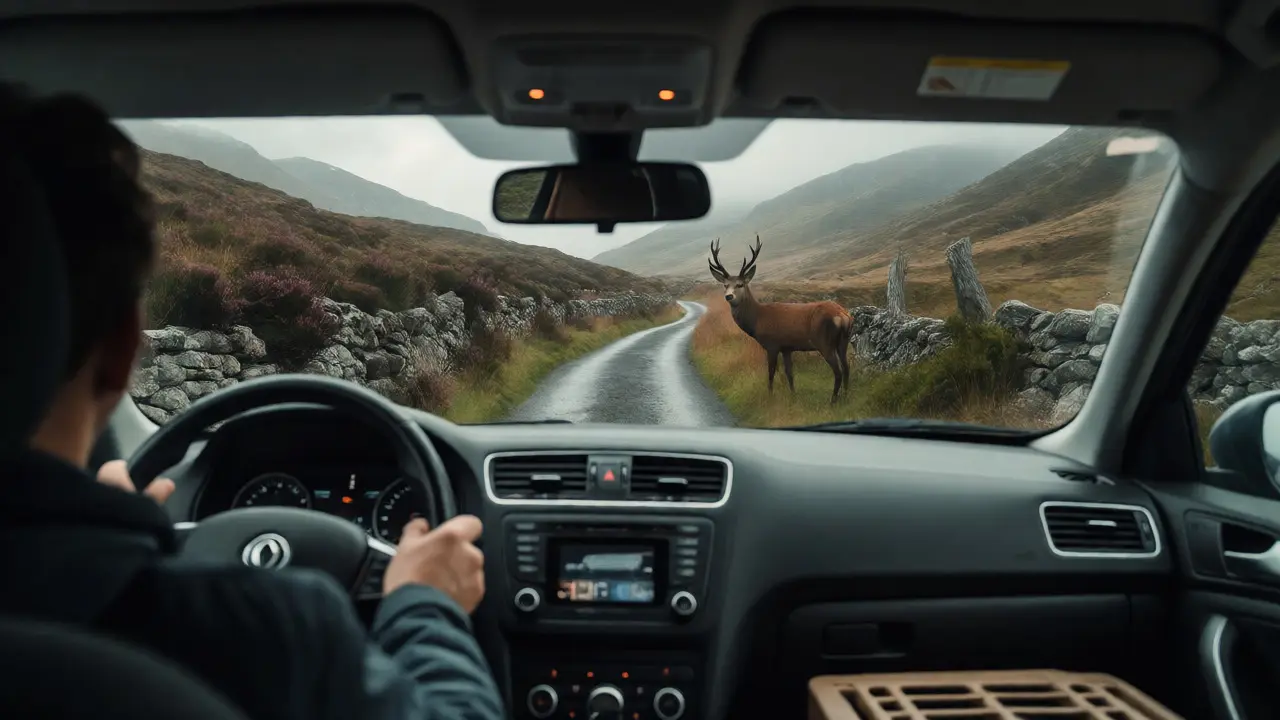
Daylight shrinks quickly. Sunset in mid-October is around 6 PM. Plan your drives accordingly. Single-track roads on Mull are dangerous in the dark. Deer appear suddenly. Drive slowly. Use your horn if you hear movement in the bushes.
Also, check ferry schedules for maintenance. CalMac often does winter maintenance in October/November. A sailing might be cancelled unexpectedly. Have a backup plan. If the ferry to Mull is canceled, can you still enjoy Oban? If not, consider delaying your trip or choosing a different island with alternative transport links.
Final Thoughts on Your Trip
Choosing between Oban and Mull isn’t about which place is "better." It’s about matching the location to your energy levels. If you want convenience, structure, and lower costs, stay in Oban. Just book your parking early. If you want immersion, wildlife, and the romance of island life, pay the extra for Mull. But book your ferry slot the moment you book your room.
Don’t let logistics ruin the magic. Do the homework, pack the waterproofs, and respect the tides. The views will reward you.
Do I need to book CalMac ferry tickets in advance for Mull?
Yes, absolutely. Especially for vehicles. While foot passengers can sometimes buy tickets on the day, vehicle spaces sell out weeks in advance during peak season. Even in October, booking ahead guarantees your spot and avoids stressful queues.
Is it cheaper to stay in Oban or on the Isle of Mull?
Generally, Oban is cheaper. You can find budget hotels and B&Bs for significantly less than comparable properties on Mull. However, remember to factor in ferry costs (approx. £15-£20 each way for a car) and fuel. If you plan to explore Mull extensively, staying on the island saves time and fuel, potentially balancing out the higher accommodation cost.
How long does the ferry from Oban to Mull take?
The crossing from Oban to Craignure takes approximately 35 minutes. However, you should allow at least 45-60 minutes total for boarding, disembarking, and security checks. Always arrive at the terminal well before the scheduled departure time.
Are there free parking options in Oban?
Free parking is limited in the town center. There are some free spots along the Corran Esplanade further from the marina, but they fill up quickly. Most central areas require payment via app or coin-operated machines. Always check signage carefully for time limits and enforcement hours.
What is the best time to visit Mull for wildlife?
Spring (April-May) is excellent for birdlife and lambs. Summer (June-August) offers longer days for spotting whales and dolphins, though it is busier. Autumn (September-October) sees red deer rutting, which is dramatic but noisy. Winter is quiet but many tourist facilities close.