
You’ve probably heard it called "Scotland in Miniature," but that label undersells the raw, rugged power waiting on the Isle of Arran. Just a short ferry ride from mainland Scotland, this island packs more diverse terrain into its 160 square miles than most regions manage in hundreds. If you’re looking for an outdoor adventure that doesn’t require a week off work or a flight to the Highlands, Arran delivers immediate access to dramatic peaks, quiet beaches, and rolling hills.
But here’s the thing: trying to do everything at once is a mistake. The island changes character drastically depending on where you stand. One hour you’re scrambling up granite slopes above the clouds; the next, you’re cycling past red deer on a flat coastal path. This guide breaks down the three pillars of Arran’s outdoor scene-mountaineering, coastal walking, and cycling-so you can plan a trip that matches your energy levels and weather forecast.
Conquering Goatfell: The Island’s Crown Jewel
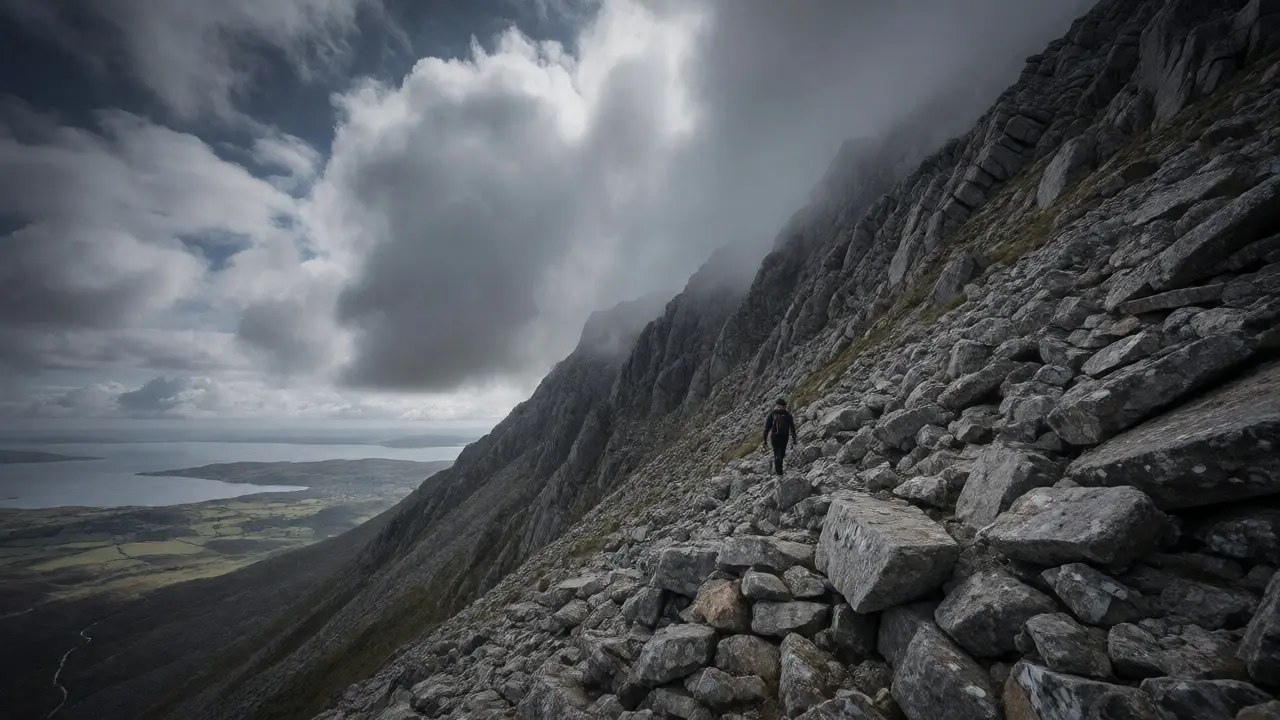
No visit to Arran is complete without tackling Goatfell, the highest peak on the island at 874 meters (2,867 feet). It dominates the northern landscape, visible from almost anywhere in Brodick Bay. For many hikers, summiting Goatfell is the ultimate badge of honor, but it demands respect. The mountain sits right in the path of Atlantic weather systems, meaning clear skies can turn into blinding fog and horizontal rain within twenty minutes.
The classic route starts from the car park at the end of the road north of Brodick. This path, often called the "Castle Track" due to its proximity to Brodick Castle, is steep but well-defined. Expect a grueling two-hour ascent if you’re fit, longer if the ground is wet. The final push involves navigating loose scree and large boulders. Once you hit the top, the view stretches across the Firth of Clyde to the Kintyre peninsula and back toward Glasgow. On a clear day, you might even spot the Isle of Man.
Here is what you need to know before you go:
- Weather Check: Always check the Met Office Mountain Forecast specifically for Goatfell. Wind speeds over 40mph make the ridge dangerous.
- Footwear: Trail runners are fine for summer dry days, but sturdy hiking boots with ankle support are non-negotiable for winter or post-rain hikes.
- Navigational Skills: Fog rolls in fast. Carry a map and compass, and know how to use them. GPS batteries drain quickly in cold wind.
If the main track feels too crowded, try the alternative route via the Loch na Keal side. It’s less trodden, offering quieter solitude and different geological features, though it requires better navigation skills as the paths fade in places.
Coastal Walks: From Dramatic Cliffs to Sandy Shores
While Goatfell grabs the headlines, the coastline offers some of the most rewarding low-effort experiences on the island. The Arran Coastal Way is a 65-mile long-distance trail that circles the entire island. You don’t have to walk the whole thing. Picking specific sections allows you to tailor the experience to your mood.
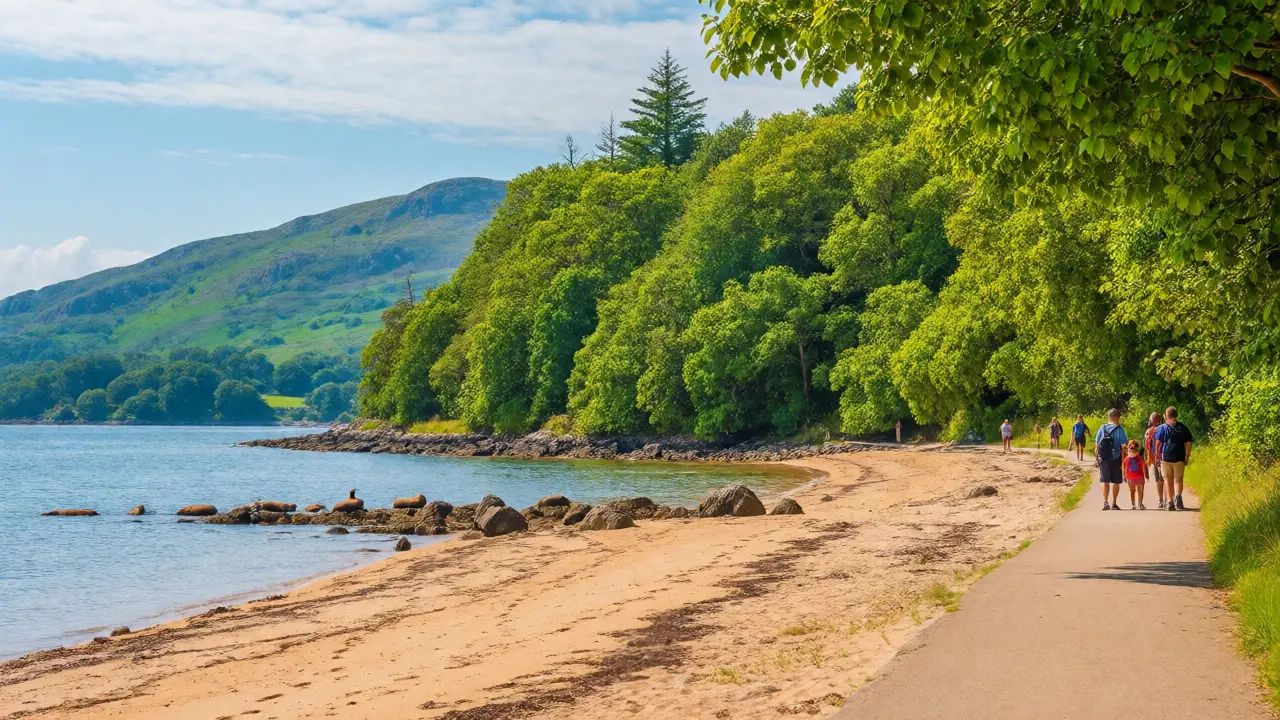
For families or those wanting gentle scenery, head south to Lamlash Bay. The walk from Lamlash to Whiting Bay follows a relatively flat shoreline path. You’ll pass through lush woodlands and open onto sandy beaches where seals often haul out on rocks just offshore. It’s peaceful, scenic, and safe for children. In contrast, the north coast near Sannox offers dramatic cliffs and sea stacks. The path here is rougher, exposed to the elements, and rewards you with views of seabird colonies nesting in the rock faces.
| Location | Difficulty | Distance (One Way) | Key Feature |
|---|---|---|---|
| Lamlash to Whiting Bay | Easy | 3 miles | Sandy beaches, seal spotting, family-friendly |
| Brodick to Sannox | Moderate | 4.5 miles | Dramatic cliffs, sea stacks, birdlife |
| Kilmory to Lochranza | Hard | 6 miles | Rugged terrain, red deer sightings, remote feel |
A pro tip for coastal walkers: tide times matter more than you think. Some lower beach paths disappear completely at high tide. Check local tide tables before setting out, especially if you plan to explore the caves near Drumadoon Point.
Cycling Arran: Pedaling Through Landscapes
Arran is a cyclist’s dream, provided you’re prepared for mixed surfaces. The island isn’t entirely paved, which adds to its charm but requires the right bike. A hybrid or gravel bike is ideal. Road bikes struggle on the looser surfaces found on forest tracks and older rural roads, while full-suspension mountain bikes might feel sluggish on the smooth tarmac of the main coastal road.
The most popular cycling loop connects Brodick, Lamlash, and Blackwaterfoot. This route takes you through dense forests, past historic castles, and along quiet country lanes. Traffic is generally light outside of peak holiday weekends, making it a relaxing ride. However, the elevation changes are deceptive. What looks like a gentle slope on a map can become a lung-busting climb when you’re pushing against a headwind coming off the sea.
For serious cyclists, consider the ride to Lochranza. It’s a longer trek, crossing the island’s spine. The descent into Lochranza is fast and fun, but the climb up from the south side is tough. Many riders choose to take the car ferry from Claonaig to Lochranza to save their legs for the return journey or other activities. This "shuttle" strategy lets you tackle the best bits without exhausting yourself before lunch.
Remember these cycling essentials:
- Wind Direction: Prevailing winds come from the west. Riding clockwise around the island often means fighting the wind on the western shore. Counter-clockwise can be easier depending on the day.
- Surface Conditions: After heavy rain, forest tracks can turn muddy and slippery. Adjust your tire pressure lower for better grip.
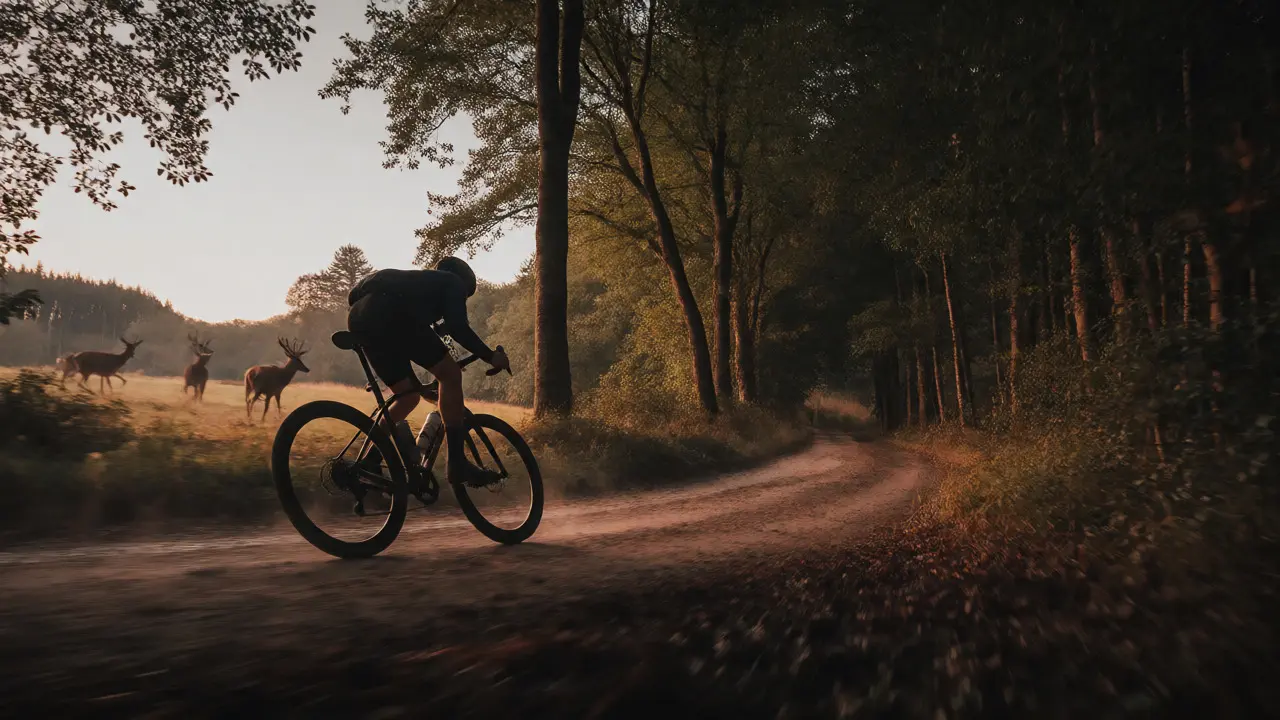
- Wildlife Awareness: Deer and sheep cross roads unexpectedly, especially at dawn and dusk. Slow down in rural areas.
Practical Tips for Your Outdoor Adventure
Planning is half the battle. Ferries run frequently between Ardrossan and Brodick, operated by CalMac. Bookings are essential in summer, but even in October, slots fill up quickly on weekends. Arrive early to secure parking at the terminal. Once on the island, public transport exists but is infrequent. Having a car gives you freedom, but renting a bike or using local taxis works for focused itineraries.
Accommodation ranges from luxury hotels in Brodick to camping pods near the forest parks. If you want to wake up surrounded by nature, book a pod in advance. They sell out months ahead during peak seasons. For food, stock up in Brodick or Lamlash. Village shops are small and close early. Carrying snacks and water is vital, as facilities are sparse on trails.
Finally, respect the land. Arran has significant conservation efforts in place. Stay on marked paths to protect fragile vegetation. Take all litter home. And if you see a red deer, keep your distance. They’re wild animals, not zoo exhibits.
Frequently Asked Questions
How difficult is the hike up Goatfell?
The standard route from Brodick is considered moderate to hard due to its steep gradient and length. It typically takes 4-6 hours round trip for average fitness levels. The terrain becomes rocky and uneven near the summit, requiring good balance and proper footwear. Weather conditions significantly impact difficulty, with wind and rain making the ascent much tougher.
Can I cycle around the whole Isle of Arran in one day?
Yes, but it’s a long day for most cyclists. The coastal road is approximately 65 miles. With stops for sightseeing and potential hills, expect 6-8 hours of riding time. Many people prefer splitting it into two shorter loops or using the ferry shuttle to reduce mileage. A hybrid or gravel bike is recommended due to varied surface conditions.
What is the best time of year to visit Arran for outdoors?
Late spring (May-June) and early autumn (September-October) offer the best balance of decent weather and fewer crowds. Summer provides the longest daylight hours but brings higher tourist numbers and busier ferries. Winter visits are possible for experienced hikers but require careful planning due to shorter days and harsher mountain conditions.
Are there red deer on the Isle of Arran?
Yes, Arran is famous for its population of red deer, particularly in the southern forests around Kilmory and Lochranza. They are often seen grazing in fields or moving through woodland edges, especially at dawn and dusk. Visitors should maintain a respectful distance and avoid disturbing them.
Do I need to book the ferry in advance?
It is highly recommended to book CalMac ferries in advance, especially for vehicle crossings during weekends, holidays, and the summer season. Foot passengers can sometimes get standby tickets, but vehicles are limited. Booking ensures you get your preferred departure time and avoids disappointment upon arrival at Ardrossan.
Comments (15)
-
Ian Mason-Laurence October 30, 2026
The assertion that Arran is "Scotland in Miniature" is a persistent cliché, yet the article fails to address the logistical nightmares of the CalMac ferry system during peak seasons. Furthermore, describing Goatfell as merely "moderate to hard" understates the danger posed by sudden Atlantic weather fronts; hikers often underestimate the wind chill factor at 874 meters.

-
Kieran Mitchell October 31, 2026
Oh please!!! 😤😤😤 The British have been gatekeeping this island for centuries and now they want us to believe it's just some easy walk??!! 🇺🇸 We climbed higher peaks with less fuss back home!!! And don't get me started on the "respect the land" lecture from people who probably drive SUVs to their local parks!!! It's ridiculous!!! Absolutely ridiculous!!!

-
Liam Whelan October 31, 2026
hey man, calm down... we all love nature here. no need to shout about suvs lol. i think its cool u guys come visit. but yeah ferries are a pain sometimes :/

-
evelyn starcher November 1, 2026
I am absolutely furious that this guide ignores the sheer incompetence of the Scottish tourism board. They let these "miniature Scotland" tourists flood in, trampling the very ecosystems they claim to admire. It’s an insult to our heritage and our patience. Every year it gets worse. Disgusting.

-
Sherri Jones November 2, 2026
Just a small correction for anyone planning a trip: the Met Office Mountain Forecast is indeed vital, but you should also check the local tide tables for the coastal paths specifically around Drumadoon Point. High tides can cut off access completely for several hours, which might ruin your itinerary if you're not prepared. 🗺️🌊 Also, sturdy boots are non-negotiable, especially after rain!

-
Kathleen Johnson November 3, 2026
The analysis lacks depth regarding the economic impact of such tourism. While the scenery is praised, the infrastructure is clearly insufficient to handle the volume described. One wonders if the "conservation efforts" mentioned are merely performative gestures rather than substantive policy changes. It feels somewhat naive to suggest that staying on marked paths solves the fundamental issue of over-tourism.

-
Anthony . November 4, 2026
I feel like there's so much nuance missing here. 🌍✨ Nature isn't just something to conquer or observe; it's a shared space. When we talk about "respecting the land," we need to include respecting the community that lives there too. Maybe instead of rushing through, we could slow down? Let the deer be deer. Let the fog be fog. 🦌☁️💚

-
Tommy Cahyadi November 5, 2026
Sure, because nothing says "adventure" like fighting with a stranger over a parking spot in Brodick. But hey, at least the views are pretty. I guess.

-
Ejike Ugwu November 6, 2026
You think they tell you everything? Nah fam. The fog comes in fast cause they control the weather patterns up there. Secret military tests maybe? Who knows. Just watch your step, the ground moves when nobody is looking. 👀👀👀

-
Bryce Imbriale November 6, 2026
Get out there and crush those hills! 💪 Don't let the weather scare you off! Even if it rains sideways you'll feel alive! Go go go! Explore every inch of that coast! You won't regret it! Trust me! 🚴♂️🔥

-
LoriBeth Blair November 7, 2026
If you don't have proper navigation skills, don't even bother going up Goatfell via the Loch na Keal side. It's not for amateurs. Most people are lazy and expect paved roads everywhere. Learn to read a map or stay home.

-
Sean Eagen November 9, 2026
We must protect these lands. Its not just scenery its responsability. Tourists litter too much. Shameful behavior. Keep wild places wild.

-
Hemali Jaiswal November 10, 2026
The description of the red deer sightings brings a vivid picture to mind. However, it is worth noting that the southern forests around Kilmory are particularly sensitive habitats. Visitors should exercise extreme caution and maintain a respectful distance to ensure the welfare of these majestic creatures remains undisturbed. Their presence adds a profound spiritual dimension to the landscape.

-
Darlene Hopkins November 11, 2026
It sounds peaceful. I hope the locals appreciate the visitors who try to tread lightly.

-
Marisa Marroquin November 12, 2026
The prose captures the rugged majesty quite well, though one might argue it romanticizes the physical toll of such exertion. Still, the imagery of seals hauling out on rocks evokes a serene, almost painterly quality that is difficult to replicate in text alone. A charming, if slightly idealized, portrayal.
