
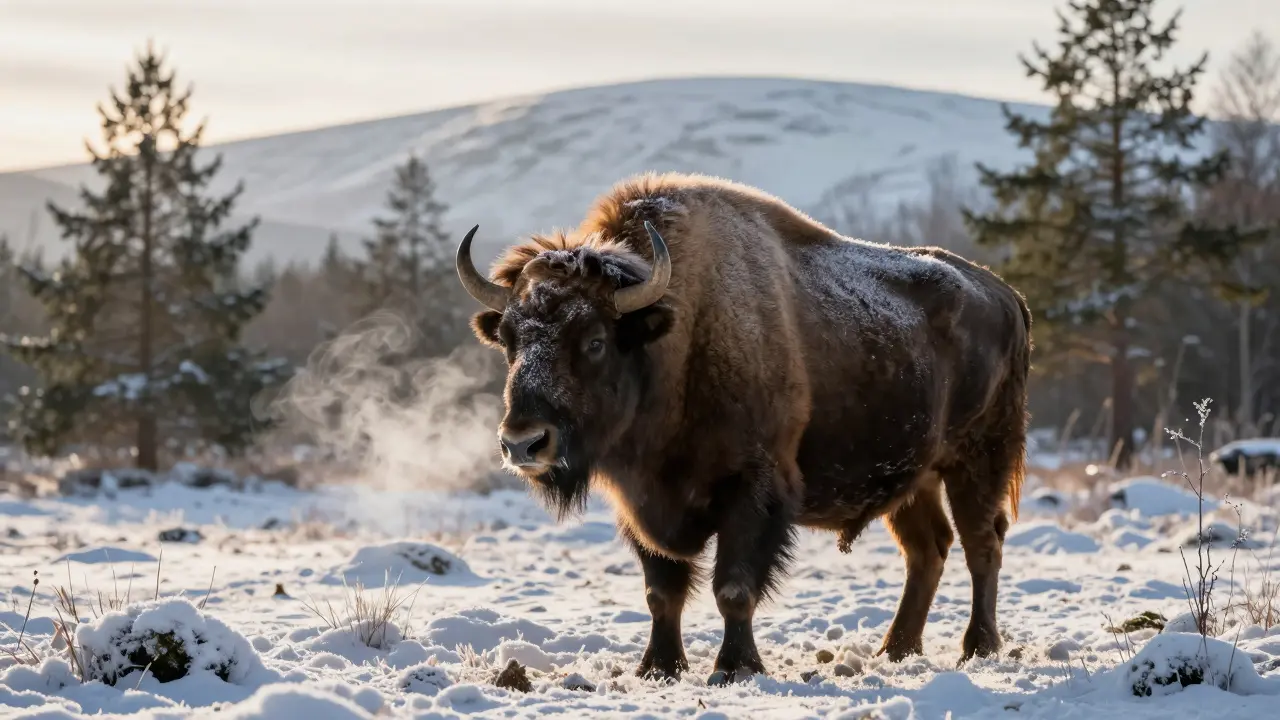
Just outside the village of Kingussie in the Scottish Highlands, Highland Wildlife Park isn’t just another zoo. It’s a 100-acre conservation hub where you can stand a few feet from a wild lynx, watch European bison graze in snow-dusted fields, and spot a rare Scottish wildcat hiding in the heather. Unlike city zoos, this place doesn’t just display animals-it protects them. And it’s open year-round, even in winter.
Native Scottish Animals You Can See Here
If you’ve ever wondered what real Scottish wildlife looks like beyond postcards, this is your chance. The park runs one of the UK’s most successful breeding programs for animals that vanished from the wild centuries ago.
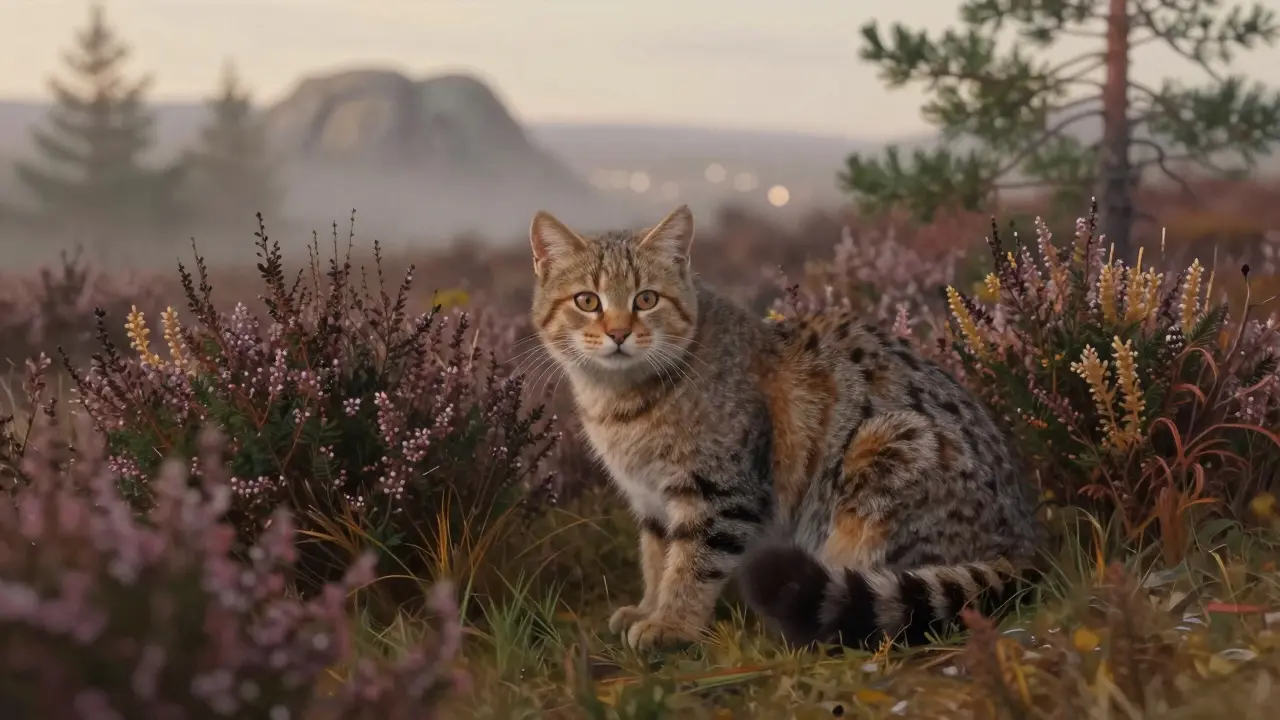
The Scottish wildcat is the star. With fewer than 100 purebred individuals left in the wild, this elusive predator looks like a giant tabby cat with a bushy, ringed tail. At Highland Wildlife Park, you’ll find them in quiet, wooded enclosures designed to mimic their natural habitat. Staff don’t feed them daily to keep their hunting instincts sharp-so sightings aren’t guaranteed, but when you do see one, you’ll remember it.
Then there’s the European bison. Once hunted to extinction in the wild across Europe, these massive beasts-weighing up to 1,000 kg-are now being reintroduced into forests in Poland and Romania. Highland Wildlife Park breeds them as part of the European Endangered Species Programme. Watching a bull bison shake off snow with its thick mane is like witnessing a living relic of the Ice Age.
You’ll also find red deer, the largest land mammal in the UK. Males (stags) with antlers spanning over a meter are common here, especially in autumn during rutting season. The park’s population is genetically pure, meaning they’re not mixed with farmed deer. That’s rare. Most deer you see in parks today have domestic bloodlines.
Don’t miss the Arctic fox. Their white winter coats turn brown in summer, and they’re surprisingly playful. The park’s keepers have trained them to respond to a whistle, so you’ll often see them trotting over when called. And yes, they’re real foxes-not tame pets.
Exotic Species from Around the World
While native species are the heart of the park, you’ll also find animals from distant lands. These aren’t random zoo imports-they’re part of global conservation efforts.
The Przewalski’s horse is one of the most important. Once extinct in the wild, this stocky, dun-colored horse was saved by captive breeding. Highland Wildlife Park has one of the few breeding pairs in the UK. They’re not pretty like Arabian horses-they’re rugged, with upright manes and no forelock. But they’re the last truly wild horses left on Earth.
Then there’s the Amur leopard. With fewer than 100 left in the wild in Russia’s Far East, this cat is the rarest big cat on the planet. The park’s pair is part of a coordinated breeding network across Europe. You’ll see them lounging on rocky ledges, their spotted coats blending into the shadows. Keepers avoid direct contact-they’re too valuable to risk habituation.
Don’t skip the snow leopard enclosure. These cats are masters of camouflage. They move like ghosts across the high-altitude rocky terrain designed to mimic the Himalayas. The park uses heated rocks and windbreaks to keep them comfortable in Scottish winters. Spotting one is a lucky moment-most visitors walk past without realizing they’ve seen one.
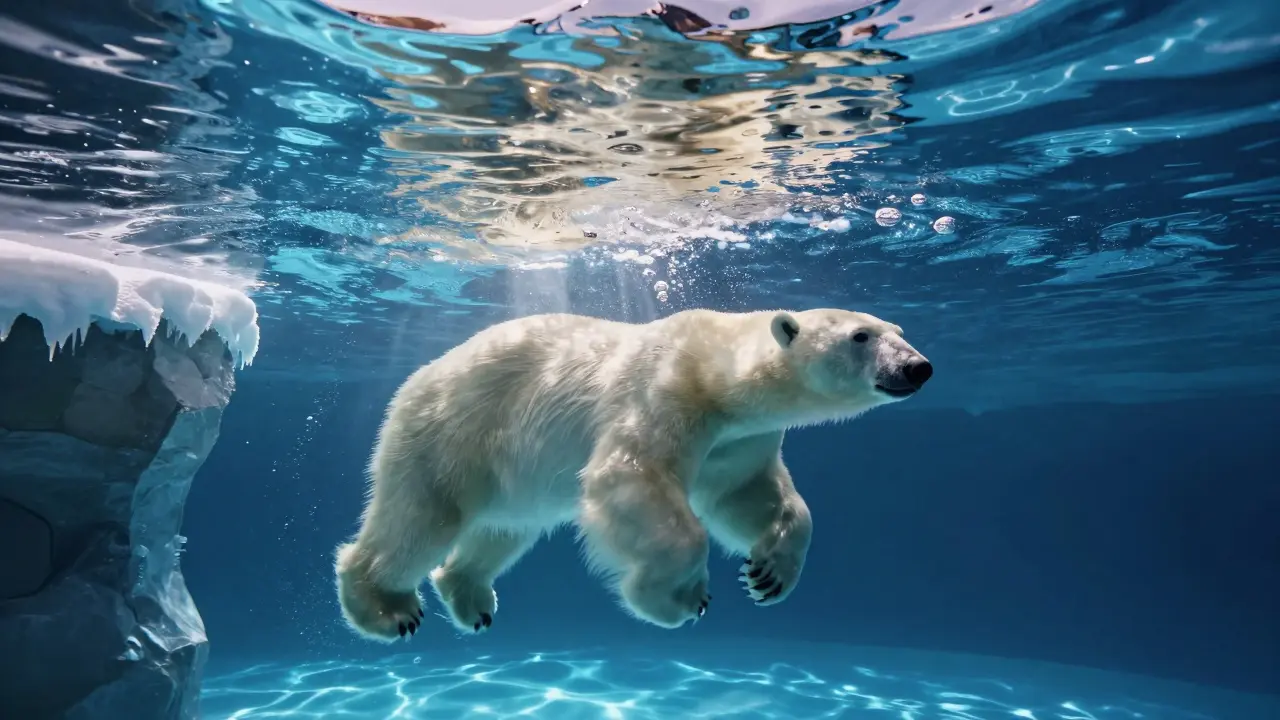
And yes, you’ll find polar bears. Highland Wildlife Park is one of only two places in the UK with them. The enclosure is huge-over 1,000 square meters-with a deep, chilled pool and ice platforms. The bears here were born in captivity and can’t be released. But they’re part of a breeding program to preserve genetic diversity. Watching them swim underwater is mesmerizing.
How to Get Tickets and When to Go
Tickets are only sold online. You can’t buy them at the gate. This isn’t a gimmick-it’s to manage visitor flow and protect animal welfare. Crowds stress the animals, especially the more sensitive ones like snow leopards and wildcats.
Adult tickets cost £22.50. Children (5-15) are £14.50. Under-fives get in free. There’s no discount for seniors, but if you’re a member of any UK zoo or wildlife trust, you get 10% off. That includes RSPCA, ZSL, and even the Scottish Wildlife Trust.
Book at least three days ahead in summer. On weekends in July and August, tickets sell out by Wednesday. Winter visits are quieter-November to February-and often cheaper. You can get a £3 discount if you book a weekday ticket during those months.
Opening hours change with the seasons. In summer (March-October), it’s 9:30 AM to 6 PM. In winter (November-February), it’s 10 AM to 4 PM. The park closes on Christmas Day and New Year’s Day.
Pro tip: Arrive early. The animals are most active in the morning. By 2 PM, many are napping. The feeding times are posted on the website and at the entrance. The bison feed at 10:30 AM. The polar bears at 11:30 AM. The wolves at 2 PM. Don’t miss those.
What You’ll See Beyond the Animals
The park isn’t just about cages and enclosures. It’s a landscape. You’ll walk through ancient pine forests, past lochs with nesting ospreys, and up to viewpoints that overlook the Cairngorms. There are no fast-food chains here-just a café serving local oatcakes, venison pies, and Scottish tea.
There’s a hands-on discovery center where kids can touch real pelts, hear recordings of wolf howls, and learn how scientists track wildcats using GPS collars. You’ll also find a small museum with taxidermy specimens of animals that once lived in Scotland but vanished-like the wolf and the beaver. The beaver reintroduction project in the Spey Valley? That started with animals bred here.
Walking trails are wheelchair-friendly. Pushchairs are fine on most paths, though the steep hill to the polar bear enclosure has a steep ramp. There are plenty of benches, picnic spots, and heated shelters if it rains.
Why This Park Matters
Highland Wildlife Park doesn’t just show you animals. It shows you what’s at stake. The Scottish wildcat isn’t just a cute cat-it’s a genetic line that could vanish forever. The Przewalski’s horse isn’t just a curiosity-it’s proof that extinction isn’t always final.
The park works with universities, the Scottish government, and international conservation groups. Every ticket you buy funds research, habitat restoration, and anti-poaching efforts abroad. In 2025, they funded a project in Mongolia to protect snow leopard prey species. That’s how it works.
It’s not a theme park. There are no rides, no gift shops full of plastic toys. There’s a small shop with books, binoculars, and handmade wool scarves from local weavers. That’s it.
What to Bring
Even in summer, it’s colder here than you think. Bring a waterproof jacket, even if the forecast says sunny. The Highlands change weather fast. Wear sturdy shoes-paths are muddy, rocky, or snowy depending on the season.
Bring binoculars. You’ll see more with them than with your eyes alone. The snow leopards are often far up on the rocks. The wildcats hide in thickets. Binoculars turn a vague shape into a real animal.
Don’t bring dogs. They’re not allowed, even on leads. The wildcats and foxes react badly to them. Service animals are fine, but you must notify the park in advance.
And don’t feed the animals. Seriously. Even if they look hungry. That’s how they get sick. Keep your snacks in your bag.
How to Get There
The park is 12 miles from Kingussie, off the A9. If you’re driving from Inverness, it’s about 45 minutes. From Perth, it’s 90 minutes. There’s a large free car park. No need to book parking.
Public transport is limited. The Stagecoach 915 bus from Inverness stops at Kingussie, but you’ll need a taxi the last 4 miles. Taxis are available in Kingussie-book one in advance if you’re arriving late.
If you’re staying overnight, there are B&Bs in Kingussie and Aviemore. Some offer package deals with park tickets.
Are there any free days at Highland Wildlife Park?
No, there are no free admission days. The park relies on ticket sales to fund conservation work. However, members of UK wildlife trusts get a 10% discount, and children under five enter free. Booking online in winter can save you £3 on weekday tickets.
Can I see all the animals in one day?
Yes, most visitors spend 3 to 4 hours and see everything. The park is walkable, with clear paths and signs. The animals are spread out, but not so far that you’ll need a buggy. If you want to watch all the feeding sessions, plan for 5 hours.
Is the park suitable for young children?
Absolutely. The discovery center has interactive exhibits, animal sounds to listen to, and touch tables with real fur and bones. There’s a soft-play area near the café, and plenty of shaded benches. Strollers are welcome on most paths. The polar bear enclosure is a big hit with kids.
Do they have any endangered animals I won’t see anywhere else in the UK?
Yes. The only place in the UK where you can see both Scottish wildcats and Przewalski’s horses in the same visit is here. The park is one of only three UK sites with Amur leopards. And it’s one of only two with polar bears. These aren’t animals you’ll find at Edinburgh Zoo or London Zoo.
What’s the best time of year to visit?
Late spring (May-June) is ideal. The weather is mild, the animals are active after winter, and the heather is starting to bloom. Autumn (September-October) is great for red deer rutting season. Winter (December-February) is quiet, with fewer crowds and snow making the landscape stunning-but it’s colder and some animals sleep more. Avoid July and August if you hate crowds.
Comments (12)
-
Indi s January 20, 2026
I saw the Scottish wildcat last winter and I still get chills thinking about it. You can feel how ancient it is, like it’s been watching the mountains longer than any human ever could. No noise, no crowds, just this quiet creature staring back like it owns the place. Best thing I’ve ever seen outside a documentary.

-
Rohit Sen January 20, 2026
It’s cute they call it a conservation hub. It’s still a zoo. Just with better PR and more snow.

-
Vimal Kumar January 22, 2026
Hey, if you’re thinking of going, bring layers. Even in May, the wind bites. And honestly, the polar bear pool is worth the trip alone. They swim like they’re in the Arctic, not Scotland. I took my niece and she hasn’t stopped talking about it since.

-
Amit Umarani January 23, 2026
The article says ‘the park runs one of the UK’s most successful breeding programs’ - but it doesn’t cite any data. Also, ‘heather’ is misspelled as ‘heather’? Wait, no, that’s correct. Never mind. Still, the grammar is sloppy in places. ‘You’ll find them in quiet, wooded enclosures designed to mimic their natural habitat.’ That’s redundant. Why not just say ‘enclosures mimicking natural habitat’?

-
Noel Dhiraj January 24, 2026
Just booked my tickets for April. This place is real. No rides, no plastic toys, just animals and mountains. That’s all you need. If you’re tired of the noise, go here. You’ll come back quieter. And better.

-
vidhi patel January 25, 2026
It is utterly unacceptable that the article employs colloquialisms such as ‘you’ll remember it’ and ‘don’t miss the Arctic fox’ in what purports to be an informative, quasi-academic resource. The tone is juvenile, the structure unstructured, and the capitalization of ‘Scottish wildcat’ inconsistent with biological nomenclature standards. This is not journalism - it is sentimentality disguised as education.

-
Priti Yadav January 25, 2026
They say the polar bears were born in captivity and can’t be released - but who decided that? What if they’re just keeping them there so no one finds out the real reason they’re not in the Arctic? I read somewhere the whole park is funded by a secret climate lobby trying to distract us from melting ice. And the ‘conservation’? Just a front. Look at the ticket prices - £22.50? That’s not for conservation. That’s for control.

-
Ajit Kumar January 27, 2026
It is a well-documented fact that the European bison population has been steadily increasing since the 1990s due to coordinated reintroduction programs across Central and Eastern Europe, and while it is commendable that Highland Wildlife Park participates in this effort, the article’s uncritical tone fails to acknowledge that captive breeding alone cannot restore ecological balance. Furthermore, the claim that the park’s red deer are ‘genetically pure’ is misleading without reference to mitochondrial DNA studies or population genetics data from the Scottish Natural Heritage database, which, if consulted, would reveal minor introgression from farmed deer in at least three regional populations. The article reads like a press release, not a responsible informational piece.

-
Diwakar Pandey January 27, 2026
Went last December. Snow everywhere. The bison looked like woolly giants with ice in their beards. The snow leopard? Couldn’t see it. But that’s okay. Sometimes not seeing is part of the experience. The quiet, the cold, the smell of pine - that’s what stays with you. I didn’t need to see every animal. Just needed to be there.

-
Geet Ramchandani January 28, 2026
Let’s be real - this place is a tourist trap dressed up as science. They charge you £22.50 to see animals that are literally kept in climate-controlled enclosures because they can’t survive in the wild anymore. The ‘conservation’ angle is just guilt-tripping you into paying. And don’t get me started on the polar bears - they’re stuck in a frozen box in Scotland because no one had the guts to let them go extinct properly. They’re not saving anything. They’re just making money off extinction.

-
Pooja Kalra January 30, 2026
There is a deeper truth here - we do not need to see these animals to understand their value. We have replaced awe with access. We have turned the sacred into a schedule. The wildcat does not need your gaze. The bison does not need your photo. We mistake proximity for connection. And in doing so, we erase the mystery that once made them divine. This park is not a sanctuary. It is a mirror - and what it reflects is our own hunger to possess the wild, even as we destroy it.

-
Nathaniel Petrovick January 31, 2026
Just got back from a trip there last week. The feeding times are a game-changer. Saw the wolves at 2 PM - they howled right as the sun hit the trees. And the café’s venison pie? Best thing I’ve eaten outside of a pub in Scotland. No gimmicks, no lines, just good food and even better animals. If you’re in the UK, don’t skip this place.
