
You know that feeling when you’re standing on a cliff edge in Fife and the wind hits your face with the smell of salt and old stone? It’s distinct. It’s not quite Edinburgh’s polished hustle, and it’s definitely not the rugged isolation of the Highlands. It’s something else entirely-a place where golf legends walk past fishermen mending nets, and where university students study medieval history in the shadow of actual ruins.
If you’re planning a trip to this peninsula between the Forth and Tay estuaries, you need more than just a map. You need to understand the rhythm of these places. As someone living just across the river in Dundee, I cross into Fife constantly for day trips, weekend escapes, and professional meetings. I’ve seen tourists miss the magic because they treat it like a checklist. Don’t do that. Treat it like a neighborhood you’re visiting for coffee, but the coffee shop happens to be a 12th-century cathedral.
The Heartbeat: Why St Andrews Is More Than Golf
Let’s address the elephant in the room: St Andrews is globally famous for one thing-the Old Course at St Andrews Links. But if you only come here to watch people hit small white balls into holes, you’re missing 90% of what makes this town special. The town itself is a living museum. Walking down North Street, you’re walking through centuries of academic tradition. The University of St Andrews, founded in 1413, is the oldest in Scotland and third-oldest in the English-speaking world. That weight is palpable.
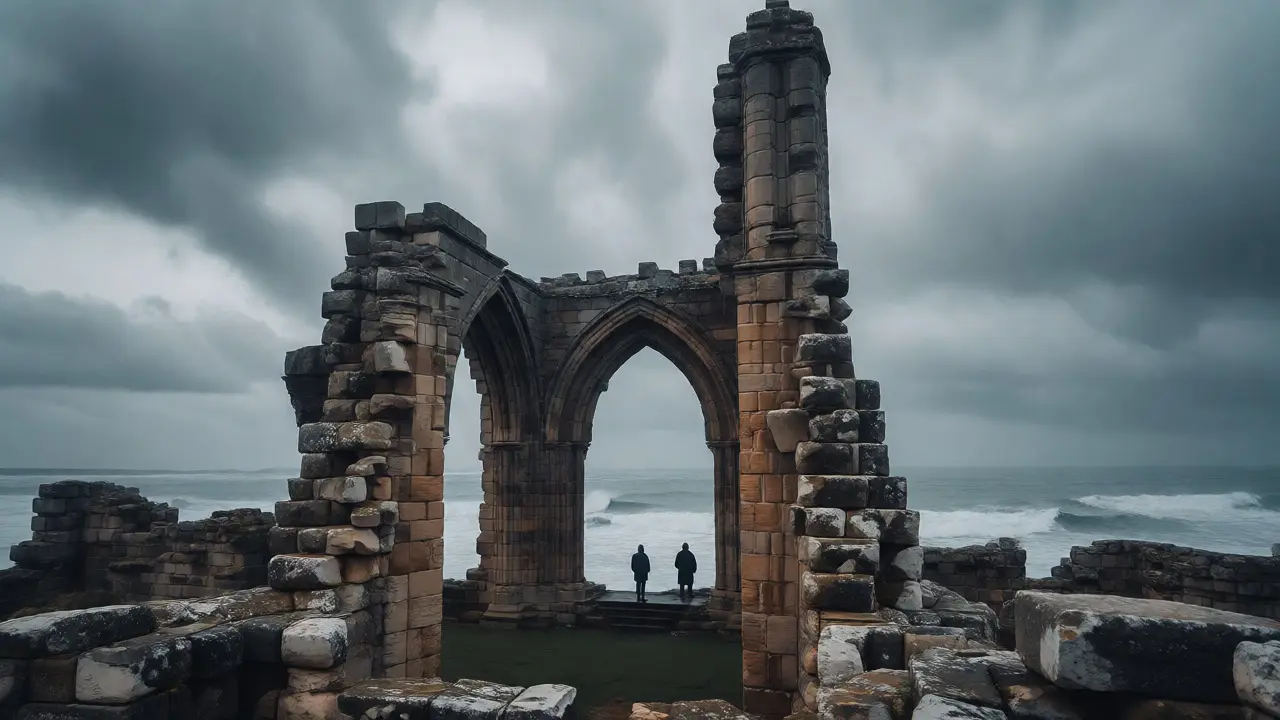
Start your visit at the Cathedral Ruins. They aren’t just piles of rock; they are the shell of what was once the largest church in Scotland. Standing there, looking out toward the sea, you can almost hear the echoes of pilgrims who traveled from all over Europe to see the relics of Saint Andrew. Today, those relics are gone, scattered or lost during the Reformation, but the spiritual gravity remains. Afterward, head to the West Sands beach. Yes, it’s the site of the famous running scene from *Chariots of Fire*, but it’s also a massive stretch of golden sand that gets eerily quiet in the early morning. If you’re lucky, you’ll have it to yourself while the mist rolls off the North Sea.
Don’t skip the castle. It sits right on the waterfront, a crumbling fortress that has changed hands more times than most politicians. It’s free to enter, which is rare for such a significant historical site. Climb the towers for a view that connects the sea, the harbor, and the town in one sweeping panorama. This is where history feels immediate, not distant.
The Charm Factor: Exploring the East Neuk Villages
South of St Andrews lies the East Neuk, a cluster of former fishing villages that have successfully pivoted from catching haddock to serving artisanal coffee and selling hand-knit woolens. The term "Neuk" is an old Scots word for corner, and this is indeed the southeastern corner of Fife. It’s picturesque, yes, but don’t let the postcard-perfect facades fool you into thinking it’s sterile. These places have soul.
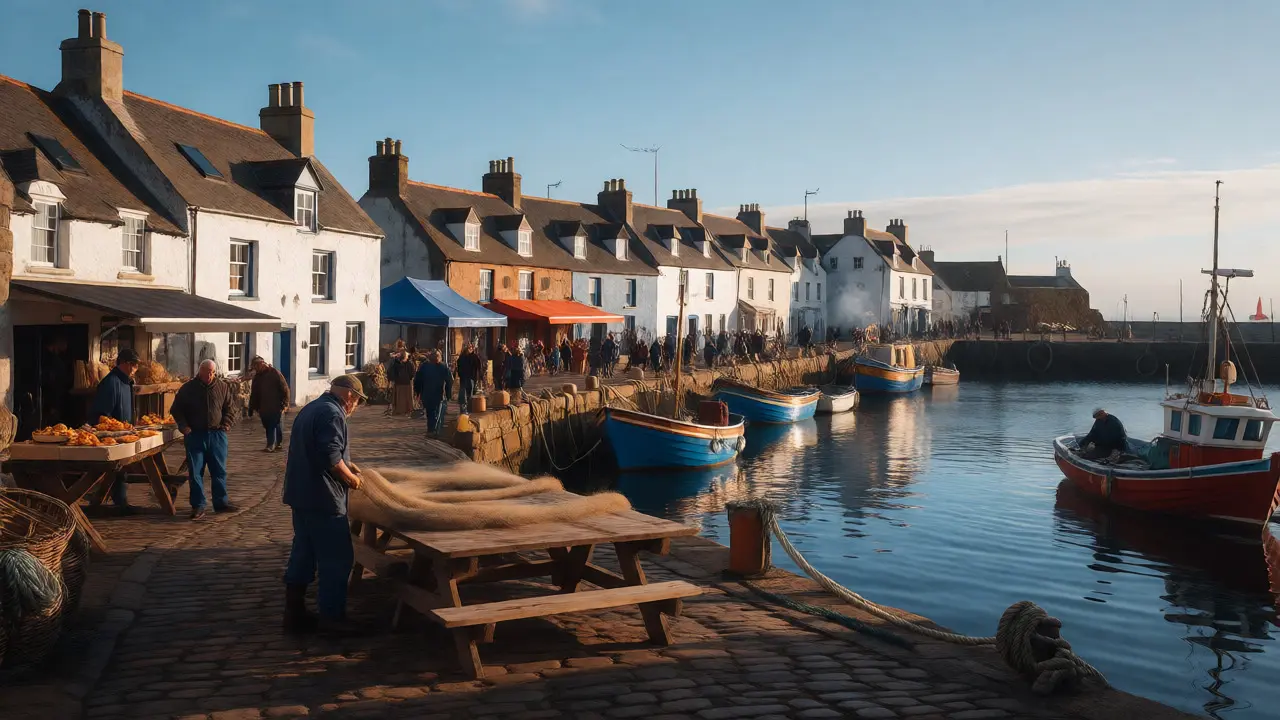
Anstruther is often called the capital of the East Neuk, largely because it houses the Scottish Fisheries Museum. And honestly, the museum is fantastic. It’s not dry facts behind glass; it’s interactive, smelly (in a good way), and deeply respectful of the hard lives led by generations of fishermen. You’ll learn about creel fishing, net mending, and the dangers of the North Sea. Afterward, grab some fish and chips from the chippies along the quay. There’s a fierce rivalry between Anstruther and neighboring Cellardyke about who serves the best battered cod. Try both. Decide for yourself.
Just a short walk away is Cellardyke, which feels slightly quieter and more residential. It’s a great spot for a slow afternoon stroll. Look for the old boat builders’ yards tucked away in side streets. Many are still active, repairing wooden vessels that look like they belong in a maritime museum. If you enjoy craft and heritage, watching a craftsman shape wood by hand is mesmerizing.
Then there’s Crail, the oldest royal burgh in Fife. Crail is famous for its "boves"-vaulted cellars built into the cliffs that were used to store fish and boats. Walking through the narrow lanes, you’ll find these archways everywhere. It’s atmospheric and perfect for photography. Crail also has a lovely harbor where yachts bob gently against the pier. It’s a stark contrast to the industrial bustle of larger ports, offering a slower, more contemplative pace.
Coastal Communities Beyond the Postcards
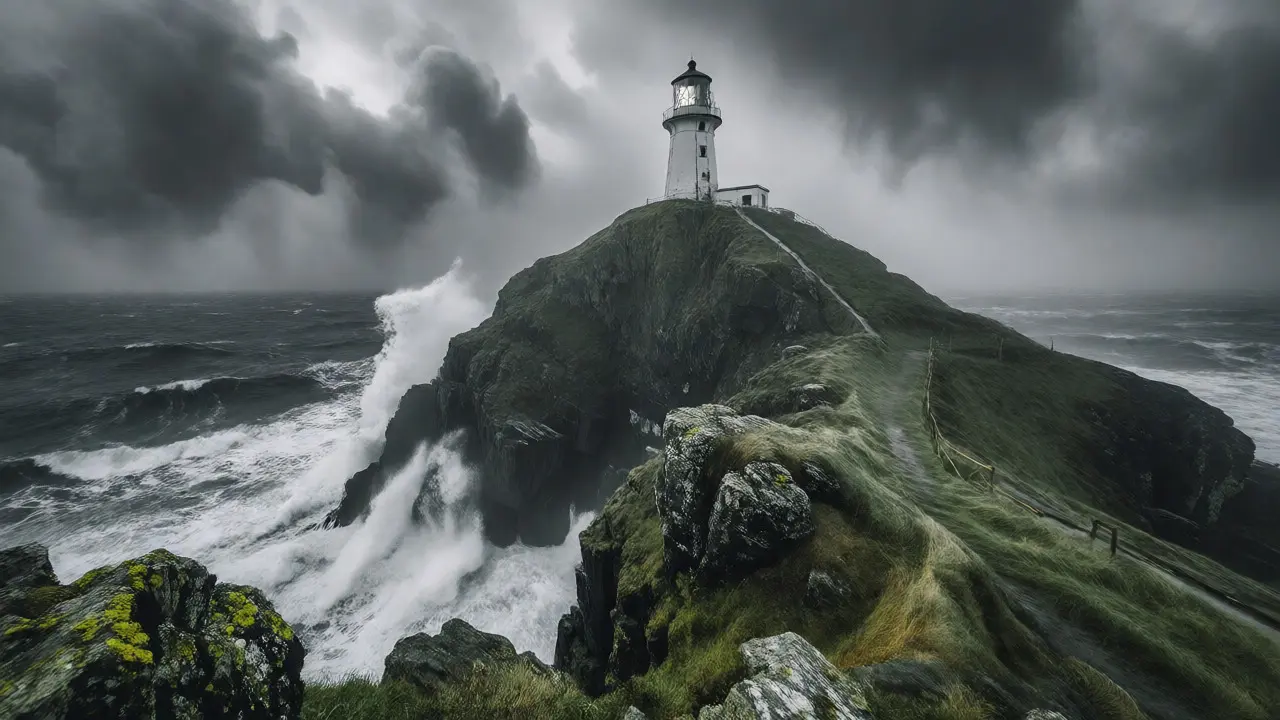
While St Andrews and the East Neuk get the headlines, other coastal communities in Fife offer unique experiences that fly under the radar. Take Elie and Earlsferry, located just east of St Andrews. This area is beloved by locals for its beautiful beaches and the iconic Elie Ness lighthouse. The walk from Elie to Earlsferry along the coast path is one of the best short hikes in Scotland. You’ll pass through dunes, grassy clifftops, and secluded coves. In summer, the water is cold but swimmable for the brave. In winter, it’s dramatic and storm-watching heaven.
Further north, near the mouth of the River Eden, lies Kirkcaldy. Often overlooked by tourists heading straight for St Andrews, Kirkcaldy has a rich cultural history. It’s the birthplace of Adam Smith, the father of modern economics. His house is now a museum, offering insight into 18th-century intellectual life. The town also boasts a vibrant arts scene and a long promenade that offers views across the Firth of Forth toward Edinburgh Castle. On a clear day, the view is stunning, reminding you how close these two historic cities really are.
For nature lovers, the Fife Coast Path connects many of these communities into a continuous trail. You can hike sections of it without committing to the full journey. The path passes through RSPB reserves where you might spot seabirds like puffins and gannets, especially during breeding season in spring and early summer. The biodiversity here is impressive, supported by the nutrient-rich waters of the North Sea.
Practical Tips for Your Visit
Getting around Fife is relatively easy, but having a car gives you freedom. Public transport exists, with buses connecting major towns like Kirkcaldy, Dunfermline, and St Andrews, but services can be infrequent in rural areas. If you rely on trains, note that the main rail line runs through Kirkcaldy and Dunfermline, not directly to St Andrews. You’ll likely need to take a bus from Leuchars station to reach St Andrews.
Weather is unpredictable. Even in July, you might experience sunshine, rain, and wind within an hour. Pack layers. A waterproof jacket isn’t optional; it’s essential. Footwear matters too. Cobblestones in villages like Crail and Anstruther are uneven, and coastal paths can be muddy. Wear sturdy shoes, not flip-flops.
| Destination | Best For | Time Needed | Accessibility |
|---|---|---|---|
| St Andrews | Golf, History, University Atmosphere | 1-2 Days | High (Bus/Rail) |
| Anstruther | Fishing Heritage, Food, Museums | Half Day | Moderate (Bus) |
| Crail | Photography, Architecture, Quiet Walks | 2-3 Hours | Moderate (Bus) |
| Elie & Earlsferry | Beaches, Coastal Hiking, Lighthouses | Half Day | Low (Car Recommended) |
| Kirkcaldy | Economic History, Art, Views | Half Day | High (Rail/Bus) |
Food and Drink: Taste the Coast
You cannot visit Fife without eating seafood. The quality is exceptional because it’s local. Look for restaurants sourcing their catch from the nearby harbors. Scallops, langoustines, and wild salmon are staples. If you’re in Anstruther, try the smoked haddock. It’s a regional specialty, prepared using traditional methods that impart a deep, complex flavor.
For drinks, Fife has a growing number of independent breweries and distilleries. While whisky production is concentrated elsewhere in Scotland, Fife produces excellent craft beers and gin. Visit a local pub in any village; you’ll likely find a rotating selection of local ales. Conversation flows easily in these pubs. Locals are friendly and happy to recommend hidden gems or warn you about tourist traps.
When to Go and What to Avoid
Summer (June-August) is busy. St Andrews fills up with golfers and tourists. Prices rise, and parking becomes a nightmare. If you prefer peace, visit in shoulder seasons: May or September. The weather is often decent, crowds are thinner, and prices are lower. Winter is moody and beautiful, ideal for photographers and those who enjoy solitude, but some tourist facilities may reduce hours or close entirely.
Avoid driving in St Andrews town center during peak golf tournaments unless necessary. Parking restrictions are strict, and traffic can gridlock. Use park-and-ride options if available, or stay outside the center and use local shuttles.
Do I need to book golf tee times in advance?
Yes, absolutely. The Old Course and New Course are extremely popular. Bookings open months in advance. If you miss out, consider playing one of the other seven courses at St Andrews Links, which are high-quality and less crowded.
Is Fife suitable for families with children?
Definitely. Beaches like West Sands and Elie are safe and spacious. Museums like the Scottish Fisheries Museum have interactive exhibits for kids. Many villages have playgrounds and ice cream shops. Just keep an eye on tides if you’re exploring rocky shores.
How many days do I need to explore Fife properly?
Three to four days is ideal. This allows time for St Andrews, the East Neuk villages, and perhaps a day trip to Kirkcaldy or Dunfermline. Two days will feel rushed if you want to absorb the atmosphere rather than just tick boxes.
Are there accommodations in the East Neuk?
Yes, ranging from luxury hotels to cozy bed and breakfasts and self-catering cottages. Booking ahead is recommended, especially in summer. Some properties have limited accessibility due to older buildings, so check details if mobility is a concern.
What is the best way to travel between villages?
A car offers the most flexibility. Buses run regularly between major hubs like St Andrews and Anstruther, but connections to smaller villages like Pittenweem or St Monans can be sparse. Cycling is another option, as the terrain is mostly flat along the coast.