

You know that sinking feeling when you finally decide to go to a Scottish festival, only to realize every decent bed for miles is gone? It happens. I’ve seen it with my own eyes at the Edinburgh Festival Fringe, where rooms that cost £80 in January hit £400 by June. The secret isn’t just wanting to go; it’s knowing exactly where to sleep before the rush hits.
| Festival | Best Base Location | Booking Lead Time | Transport Note |
|---|---|---|---|
| Edinburgh Fringe | Leith or Haymarket | 6-9 months | Trams run late; avoid city center parking |
| Bellgrove Folk Festival | Glasgow Southside | 3-5 months | Walkable from most venues |
| Isle of Skye Music Festival | Portree or Broadford | 12+ months | Ferry bookings are critical |
| T in the Park (Legacy) | Strathallan / Perth | 6 months | Camping vs. hotel trade-off |
Why Waiting Kills Your Budget
Let’s be real about supply and demand. Scotland’s infrastructure is great, but our bed stock is finite. When Edinburgh hosts millions during August, the city effectively doubles its population overnight. If you wait until spring to book your stay for the International Festival, you’re paying a premium for desperation.
I always tell friends to treat festival accommodation like flight tickets. The earlier you lock it in, the better the price. But here’s the twist: it’s not just about money. It’s about location convenience. Staying ten miles out might save you fifty quid, but if you’re spending two hours commuting each way after a long day of shows, is it worth it? Probably not. You’ll be tired, grumpy, and missing the post-show pub culture that makes these events special.
Picking Your Base: City Centers vs. Suburbs
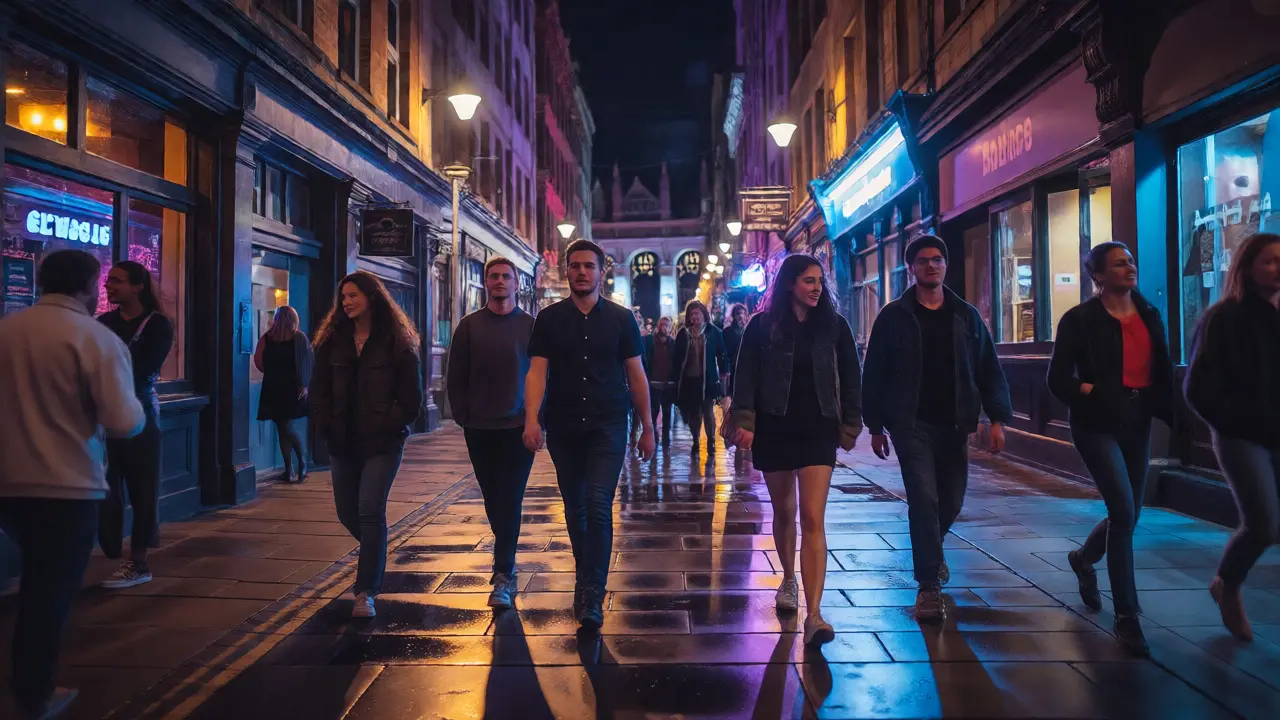
Where you sleep changes your entire experience. For big urban festivals like the Edinburgh International Book Festival, staying central is non-negotiable if you want to soak up the atmosphere. Walking from a venue to your hotel at 2 AM, still buzzing from a great play, is part of the magic.
But central doesn’t always mean the Old Town. That area gets incredibly noisy and expensive. Consider Leith instead. It’s a short tram ride away, has its own vibrant food scene, and often has more available inventory. Plus, you get a different vibe without sacrificing accessibility. In Glasgow, look at the West End or Merchant City. These areas are walkable to major venues like the Barrowland Ballroom and have plenty of independent B&Bs that don’t feel corporate.
If you’re heading to rural festivals, like those on the Isle of Skye or in the Highlands, your options shrink fast. There’s no public transport at midnight. You need to be within walking distance or have a car. If you don’t drive, check if the festival offers shuttle buses. Many do, but they fill up quickly too. Always verify the last bus time before you book your room.
The Rise of Alternative Stays
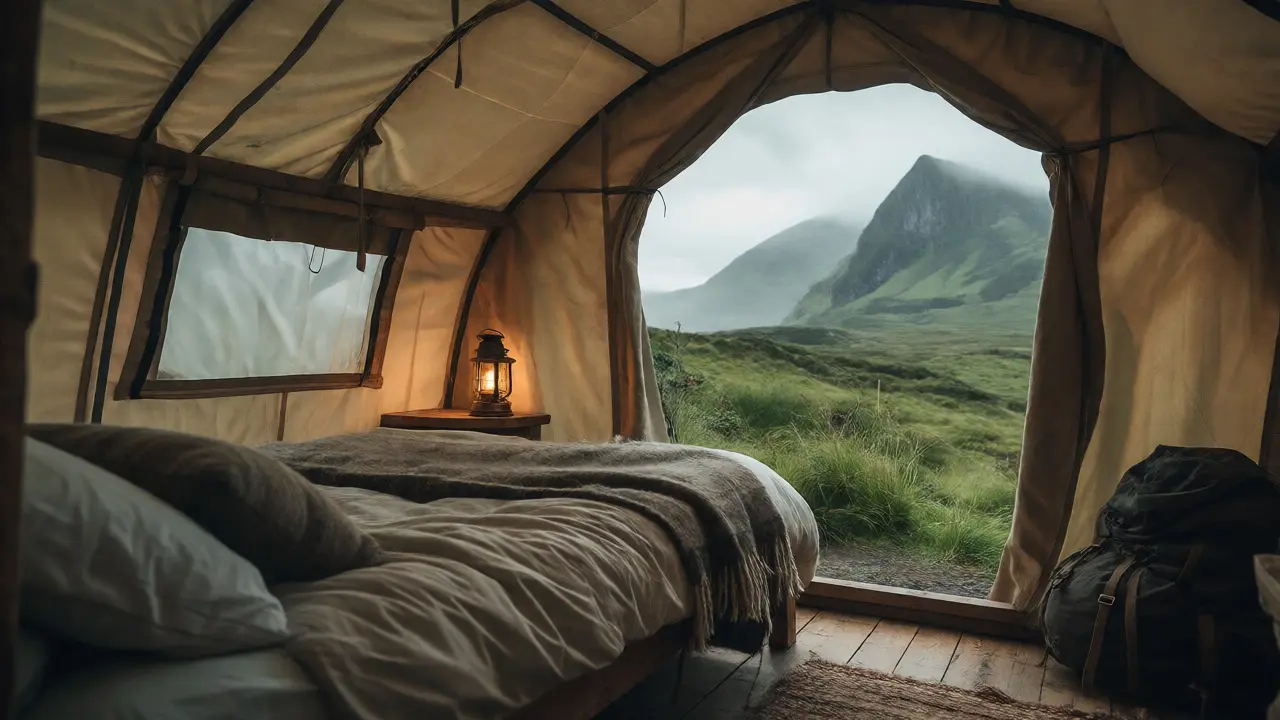
Hotels aren’t the only game in town anymore. Platforms like Airbnb and Vrbo have exploded, but so have niche options. Have you tried a glamping pod? Festivals like TRNSMT in Glasgow often partner with local sites to offer pre-pitched tents or yurts. It’s cheaper than a hotel, closer to the action, and you get fresh air.
University halls are another sleeper hit. During summer, many universities rent out student accommodations. They’re basic-think single beds and shared bathrooms-but they’re clean, secure, and often centrally located. Just make sure to book directly through the university’s summer conference office, not a third-party site, to avoid markups.
Hostels have also leveled up. Modern hostels in cities like Aberdeen or Dundee offer private pods with privacy curtains and charging ports. If you’re traveling solo, this is a great way to meet other festival-goers. You’ll find people going to the same acts, which can lead to spontaneous plans for dinner or drinks.
Location Logistics: Transport Matters More Than You Think
A cheap room far from the venue can become an expensive nightmare if you’re constantly grabbing taxis. Taxis in Edinburgh during the Fringe are notorious. Surge pricing kicks in hard after midnight. One friend paid £45 for a five-mile ride because he didn’t plan ahead.
Check the transport links before you book. Is there a night bus? Does the train station stay open? In smaller towns, trains stop running early. If you’re at a festival in Inverness, ensure your accommodation is near the station or a reliable taxi rank. Don’t assume Uber will be available everywhere. In rural areas, it’s often nonexistent.
Walking distance is king. If you can walk to the main stage in under 20 minutes, do it. You’ll save money, reduce stress, and avoid the crowds fighting for seats on public transport. Use map tools to measure the actual route, not just straight-line distance. A river or a steep hill can turn a 10-minute walk into a 30-minute trek.
Smart Booking Strategies
So, how do you actually secure a spot without breaking the bank? First, set alerts. Most booking sites let you track prices. When rates drop, you’ll get a notification. Second, consider split stays. If you’re attending a multi-day festival, maybe stay in one place for the first half and move to a cheaper suburb for the second half. This works well if the festival spans a large area.
Third, read the cancellation policy carefully. Plans change. Weather in Scotland can be unpredictable, and sometimes you just get sick. Flexible cancellations are worth the extra few pounds. Fourth, contact properties directly. Sometimes small B&Bs have rooms that haven’t been loaded onto online platforms yet. A quick email can yield results.
Finally, bundle your costs. Some packages include festival tickets and accommodation. While they seem convenient, compare them against booking separately. Often, DIY wins on price and flexibility. But if you hate planning, a package removes the headache.
What to Pack for Your Stay
You’re not just packing for the festival; you’re packing for the accommodation. If you’re staying in a hostel or glamping, bring earplugs. Trust me, snoring neighbors are real. A sleep mask helps too, especially in summer when it stays light until 11 PM. If you’re in a self-catering apartment, check what kitchenware is provided. Nothing worse than trying to cook pasta with no colander.
Also, consider laundry access. If you’re doing a week-long festival, you’ll need clean clothes. Hostels usually have laundry facilities. Hotels charge per item. Self-catering places often have washing machines. Plan accordingly so you’re not wearing the same socks three days in a row.
How far in advance should I book for the Edinburgh Fringe?
For the best selection and prices, aim to book 6 to 9 months in advance. By spring, good value options in central locations are usually sold out or significantly marked up.
Are university accommodations safe for solo travelers?
Yes, university summer accommodations are generally very safe. They have secure entry systems, staff on duty, and are used to hosting conference attendees and tourists. However, they are basic, so bring your own toiletries and towels if needed.
Can I rely on Uber during Scottish festivals?
In major cities like Edinburgh and Glasgow, yes, but expect surge pricing and longer wait times during peak hours. In rural areas or smaller towns, Uber availability is limited or non-existent, so plan for local taxis or pre-booked transfers.
What is the cheapest way to stay near a festival?
Camping or glamping on-site is usually the cheapest option. If camping isn't available, look for hostels or university halls slightly outside the immediate center, using public transport to commute.
Do I need a car for rural Scottish festivals?
It depends on the specific festival. Some remote festivals offer shuttle services from major hubs like Inverness or Fort William. Check the festival's official transport page. If no shuttles exist, renting a car is highly recommended for flexibility.