
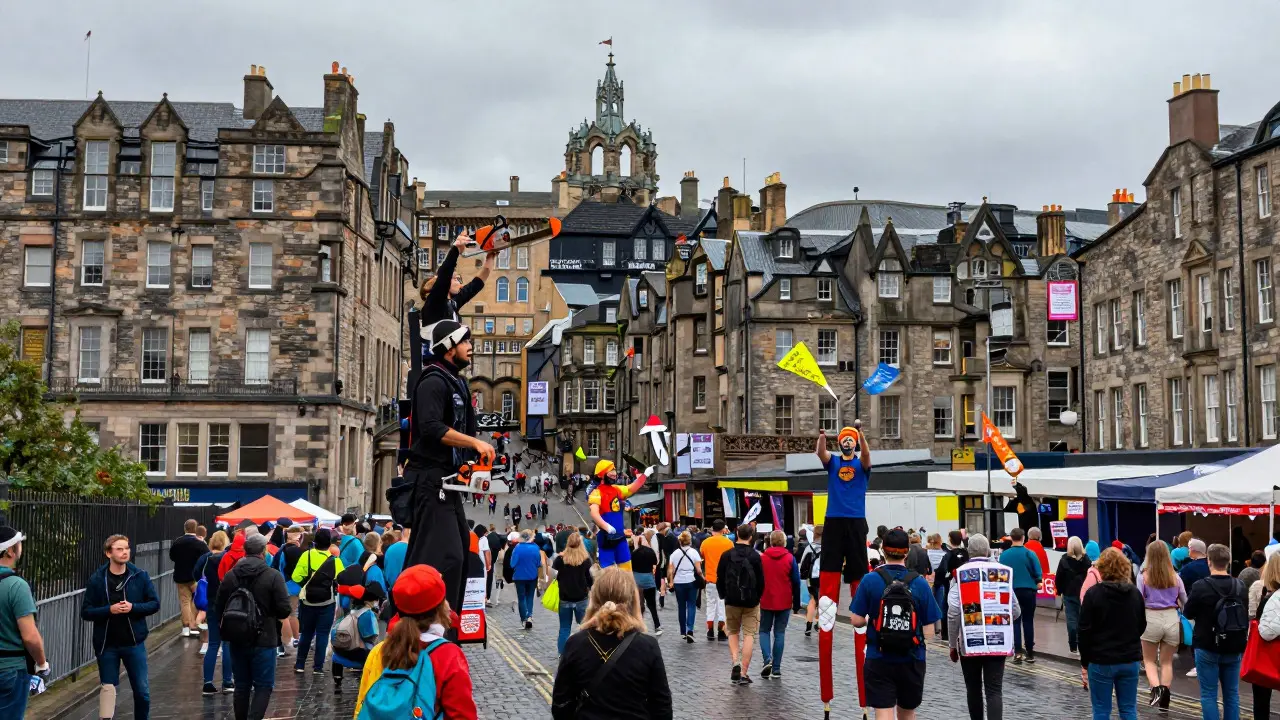
Imagine trying to find a parking spot in downtown Manhattan during rush hour, but multiply that chaos by the number of people who just discovered comedy. That is the Edinburgh Festival Fringe. It is not just a festival; it is a logistical beast that swallows the city whole every August. If you are thinking about visiting, you need more than just excitement-you need a strategy. The difference between a magical trip and a sweaty, frustrated disaster often comes down to how well you prepared before you even packed your bag.
Quick Summary / Key Takeaways
- Book accommodation early: Prices triple as August approaches. Secure lodging 6-9 months in advance for decent rates.
- Master the ticketing system: Understand the difference between pre-booked shows and last-minute door sales via apps like TicketSource or the official Fringe app.
- Pace yourself: The schedule is overwhelming. Pick 3-4 high-priority shows per day and leave room for discovery.
- Dress for Scottish weather: August can be warm, but rain is inevitable. Layers and waterproof shoes are non-negotiable.
- Explore beyond the Royal Mile: Avoid tourist traps by checking out venues in Leith, Stockbridge, and the University area.
Understanding the Scale of the Fringe
The Edinburgh Festival Fringe is the world's largest arts festival. It transforms Edinburgh into a stage with over 3,000 different acts performing across 300+ venues annually. Unlike curated festivals where programmers select the best acts, the Fringe is open-access. This means anyone can perform, leading to an incredible mix of brilliance and absolute nonsense. You might see a future Oscar winner one minute and a guy juggling chainsaws badly the next. Embrace this randomness-it’s part of the charm.
Most visitors make the mistake of trying to see everything. With hundreds of shows running simultaneously from 10 AM to midnight, it is physically impossible to catch them all. The key is curation. Decide what you actually want. Are you there for stand-up comedy? Experimental theatre? Street performances on the Royal Mile? Narrowing your focus prevents decision fatigue and ensures you actually enjoy the art rather than stressing about what you’re missing.
Ticketing Strategy: How to Get In
Tickets are the lifeblood of the Fringe experience, and they sell out fast for popular acts. However, the system is more flexible than most first-timers realize. There are three main ways to secure a seat.
First, there is pre-booking. This is essential for big names or highly rated shows. You buy these weeks or months in advance through platforms like TicketSource, Fringe First, or individual venue websites. If you know you want to see a specific comedian, book it now. Waiting until you arrive usually results in disappointment.
Second, there is the last-minute scramble. Many shows have unsold seats released at the door. This is risky but rewarding. You might find a hidden gem for half price. To do this effectively, download the official Fringe App. It updates availability in real-time. Stand outside a venue ten minutes before showtime and ask if any returns have come up. Venues are often happy to let you in if seats are empty.
Third, consider free events. A significant portion of the Fringe is free, particularly street performances and some smaller theatre productions. These are great for filling gaps in your schedule without breaking the bank. Just remember that "free" doesn't mean low quality; many emerging artists use free shows to build their audience.
| Method | Best For | Risk Level | Cost Efficiency |
|---|---|---|---|
| Pre-Booking | High-profile acts, guaranteed seats | Low | Medium (Full price) |
| Last-Minute Door | Flexible travelers, discovering new acts | High (Might miss out) | High (Potential discounts) |
| Free Events | Budget travelers, casual browsing | N/A | Maximum |
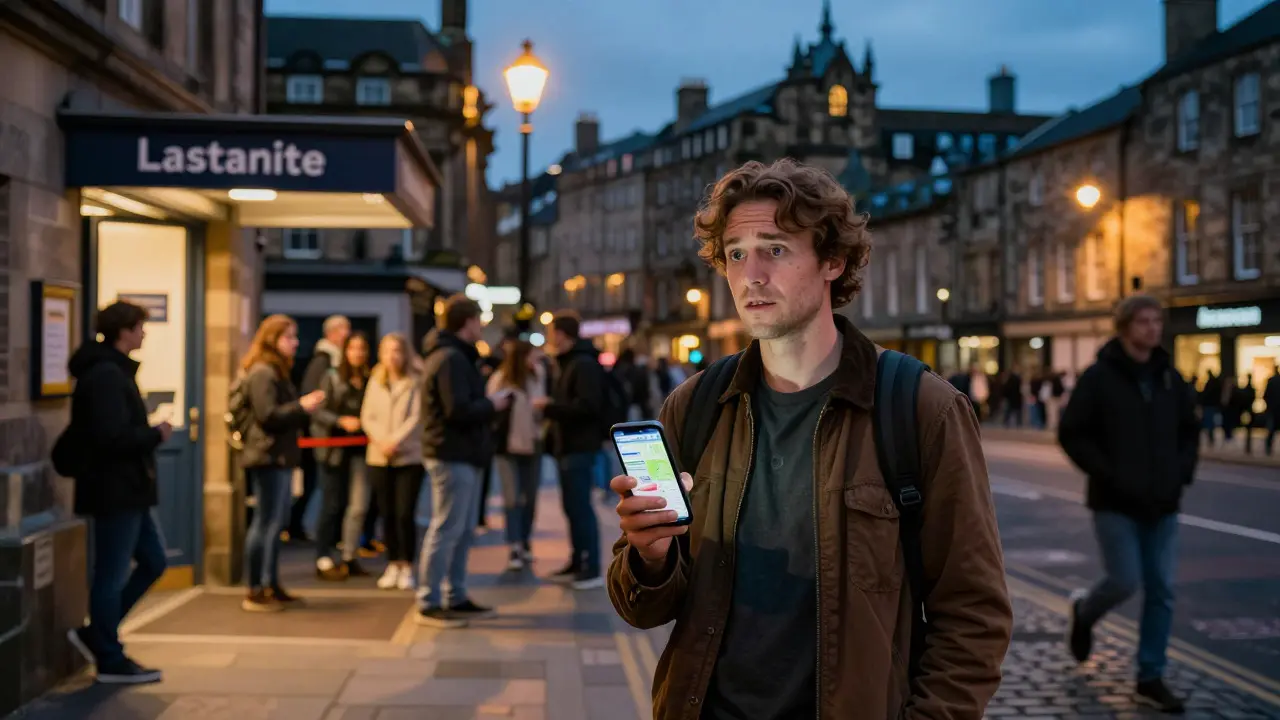
Accommodation: The Hidden Cost
If there is one thing that ruins trips to the Fringe, it is the hotel bill. Edinburgh has limited hotel stock, and demand spikes massively in August. A standard double room that costs £80 in May might cost £300 in mid-August. Worse, availability vanishes quickly.
Do not wait until July to book. Ideally, lock in your stay by February or March. If hotels are too expensive, look into short-term rentals like Airbnb, but check local regulations-Edinburgh has strict licensing laws for short-term lets, so ensure your listing is legitimate. Another option is staying slightly outside the city center. Towns like Musselburgh, Dalkeith, or even parts of Fife have train connections to Edinburgh Waverley Station. A 20-minute train ride beats a 20-minute walk through crowded streets when you’re exhausted.
Hostels are also a viable option, especially if you are young or budget-conscious. Places like YHA Edinburgh City Centre offer social atmospheres where you can meet other festival-goers. Just be aware that hostels fill up early too, and privacy is minimal.
Navigating the City: Transport and Logistics
Edinburgh is compact, but the Fringe makes it feel much larger due to crowds and road closures. The Royal Mile becomes a pedestrian-only zone during peak hours, meaning cars cannot pass through easily. If you rent a car, you will regret it. Parking is scarce and expensive, and driving in the Old Town is a nightmare for locals, let alone tourists.
Rely on public transport and walking. Lothian Buses run extensive networks across the city. Buy a Day Ticket or use the TapTapTravel app for convenience. Trains are useful for getting to/from Glasgow or Aberdeen, but within Edinburgh, buses are king. For those staying near Princes Street, walking to the Royal Mile takes only 5-10 minutes. Wear comfortable shoes. You will walk 15,000 steps a day easily.
Consider the geography. The city is split between the Old Town (medieval, steep, chaotic) and the New Town (Georgian, grid-like, calmer). Most major venues are in the Old Town, but many fringe favorites operate in the New Town and surrounding areas like Stockbridge. Exploring these neighborhoods offers a breather from the central madness while still providing access to quality performances.
Insider Tips for a Better Experience
After years of watching friends struggle with the Fringe, here are some hard-earned lessons. First, eat early. Restaurants get slammed around 7 PM and 8 PM. Book tables in advance or eat at odd hours (like 5:30 PM or 9:30 PM). Trying to find a table on the Royal Mile at peak time is futile.
Second, hydrate. Alcohol is cheap and plentiful, but walking uphill in the heat dehydrates you fast. Carry a reusable water bottle; many venues allow refills, and tap water in Scotland is safe and delicious.
Third, talk to people. The Fringe is social. Strike up conversations in queues or bars. Locals and seasoned attendees love sharing recommendations. You might hear about a show that hasn’t sold out yet or a pub with live music that isn’t on the main map.
Fourth, don’t ignore the daytime. Most tourists flock to evening shows, leaving daytime slots less crowded. This is perfect for families or those who prefer quieter environments. Children’s theater, puppetry, and interactive workshops often happen in the afternoon.
What to Do When Things Go Wrong
Even with perfect planning, things fail. Your show might sell out, your bus might be late, or it might rain sideways. Have a backup plan. Keep a list of 2-3 alternative venues nearby. If a show cancels, head to a nearby bar with live music or wander the Royal Mile for street performers.
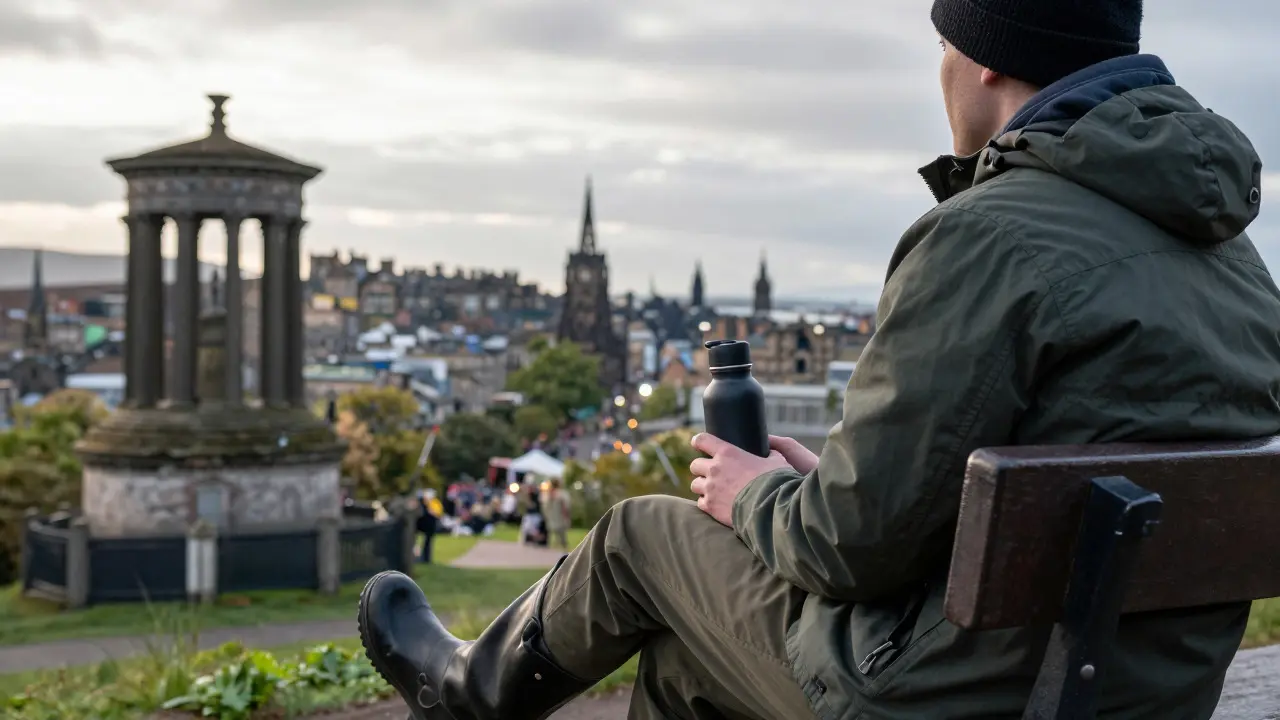
If you’re feeling overwhelmed, take a break. Visit Calton Hill for a view of the city, or sit in Holyrood Park. Stepping away from the noise helps reset your brain. The Fringe is a marathon, not a sprint. Burnout is real. Pace yourself, rest when needed, and remember why you came: to enjoy art and culture.
Frequently Asked Questions
When does the Edinburgh Festival Fringe take place?
The Fringe typically runs for three weeks in August, starting in early August and ending in late August. Exact dates vary slightly each year, so always check the official website for the current year's schedule. In 2026, expect it to follow the traditional pattern of mid-to-late August.
Is the Edinburgh Festival Fringe suitable for children?
Yes, absolutely. There is a dedicated program called "Fringe Kids" featuring puppetry, magic, storytelling, and interactive plays designed specifically for younger audiences. Many venues also offer family-friendly versions of larger shows. Just check age ratings carefully, as some adult comedy may not be appropriate.
How much money should I budget for daily expenses?
Budget varies widely based on lifestyle. For a moderate traveler, expect to spend £50-£80 per day excluding accommodation. This covers meals, drinks, and 1-2 paid shows. Free events can significantly reduce this cost. Luxury travelers spending on fine dining and premium tickets could exceed £150 daily.
Can I buy tickets at the door?
Yes, but it is risky for popular shows. Door sales depend on unsold inventory. Arrive 15-20 minutes before curtain call and ask staff politely. Using the official Fringe app to check real-time availability increases your chances of securing a spot.
What is the best way to get around Edinburgh during the Fringe?
Walking and public transport (Lothian Buses) are the best options. Cars are impractical due to congestion and limited parking. Taxis are available but surge pricing applies during peak times. Plan routes in advance using maps to avoid getting lost in the Old Town's narrow closes.
Comments (13)
-
Anthony Miller August 30, 2026
It is frankly absurd that you suggest booking accommodation six to nine months in advance. That level of commitment implies a lack of spontaneity which is antithetical to the spirit of travel. Furthermore, your advice regarding "layers" is patronizing. Any competent traveler knows how to dress for weather without being told. The fact that you feel the need to explain basic logistics suggests you are catering to tourists who have never left their comfort zone. I find this entire guide to be overly cautious and steeped in a fear of discomfort that is unnecessary. If one cannot handle a bit of rain or a crowded street then perhaps one should not visit Edinburgh at all. Your tone is condescending and your advice is generic. It lacks the nuance required for a truly sophisticated traveler. You treat the Fringe like a military operation rather than an artistic endeavor. This approach strips the joy from the experience. I am disappointed by the lack of depth in your analysis. It feels like a checklist written by someone who has never actually struggled with the chaos they describe. Do better next time.

-
michelle veluz September 1, 2026
OH MY GOD!!! DO NOT TRUST THE APPS! They track you! Every single tap on TicketSource is a data point sold to the government!! I went last year and my phone started listening to me immediately after I bought tickets... it was creepy!!! And don't even get me started on the hotels... £300?!? That's a scam designed by the elite to keep Americans out!! We are being priced out of culture!!! Also, the Royal Mile is full of pickpockets... I felt eyes on me everywhere... EVERYWHERE!! You need to wear a money belt under your clothes... no exceptions!! If you leave your wallet in your back pocket you will lose everything and have to fly home crying!!! It's not just a festival it's a trap!! Wake up people!!!

-
Jacob Baby Official September 2, 2026
Actually, if you look at the data, pre-booking is statistically worse for value retention because dynamic pricing algorithms punish early adopters. You're paying a premium for certainty that isn't worth the cost. The real move is to wait until 48 hours out when venues panic-sell inventory at deep discounts. Everyone else is doing what you said, so everyone else is overpaying. Contrarian thinking saves money. Period. Also, "exploring beyond the Royal Mile" is just saying you want to walk more, which means you're tired sooner. Bad advice.

-
john randall September 2, 2026
Yeah, that makes sense. I usually just wing it and end up finding something cool by accident. Less stress that way.

-
Jeff Falcon September 2, 2026
I totally agree with the pacing advice, honestly, because trying to cram too much into one day just leads to burnout and you can't appreciate the art properly; also, the tip about eating early is crucial because restaurants get absolutely slammed and waiting an hour for a table ruins the vibe of the evening, so planning meals around show times is key to keeping energy levels up throughout the three weeks...

-
Alyson Karson September 3, 2026
YESSS book those tickets NOW!! Dont wait around!! I learned the hard way last year and had to watch some random guy juggle chainsaws instead of seeing my favorite comedian... total bummer!! But hey, at least it was funny?? Anyway, grab your layers and hydrate like crazy because walking uphill kills you fast!! You got this!! Go go go!!

-
tiffany King September 4, 2026
This is such a helpful guide! I love the emphasis on exploring Leith and Stockbridge. Those areas are so charming and give you a nice break from the crowds while still being close enough to catch the main events. Definitely going to try the daytime shows with my kids this year.

-
Brenna Gonedrman September 6, 2026
You are wrong about the free events. Free does not mean good. It means nobody wanted to pay for it. Most free shows are trash. Save your money for the paid stuff or don't bother coming at all. It is that simple.

-
Courtney Wagstaff September 7, 2026
Love the reminder about waterproof shoes! Nothing kills the magic faster than soggy socks. Also, talking to locals in pubs is definitely the best hack for finding hidden gems they don't put on the map.

-
Elisabeth Ballet September 8, 2026
Great tips! For anyone feeling overwhelmed, remember that it's okay to skip shows. The Fringe is about connection and joy, not checking boxes. Take care of yourself and enjoy the journey!

-
Joanna Mucha September 8, 2026
The very notion of "strategy" applied to art is a vulgar imposition of capitalist efficiency onto the sublime. By curating your experience, you are merely constructing a mirror that reflects only what you wish to see, thereby denying the chaotic truth of the human condition. The Fringe is not a product to be consumed but a void to be entered. To plan is to fail. One must surrender to the absurdity of the moment, allowing the rain and the noise to dissolve the ego. Only then can one glimpse the raw essence of performance. Everything else is mere tourism.

-
Kim Edwards September 8, 2026
I CRIED ACTUALLY!! I saw a puppet show in Leith and it broke my heart in the best way possible!! The Fringe changed my life guys!! It’s not just comedy it’s SOUL searching!! Don’t miss the emotional rollercoaster!!

-
Bonnie Watt September 9, 2026
Honestly, half these tips are obvious to anyone who has ever traveled before. Booking ahead? Groundbreaking. Drinking water? Revolutionary. Stop treating adults like children. Just go and figure it out like normal people do.
