
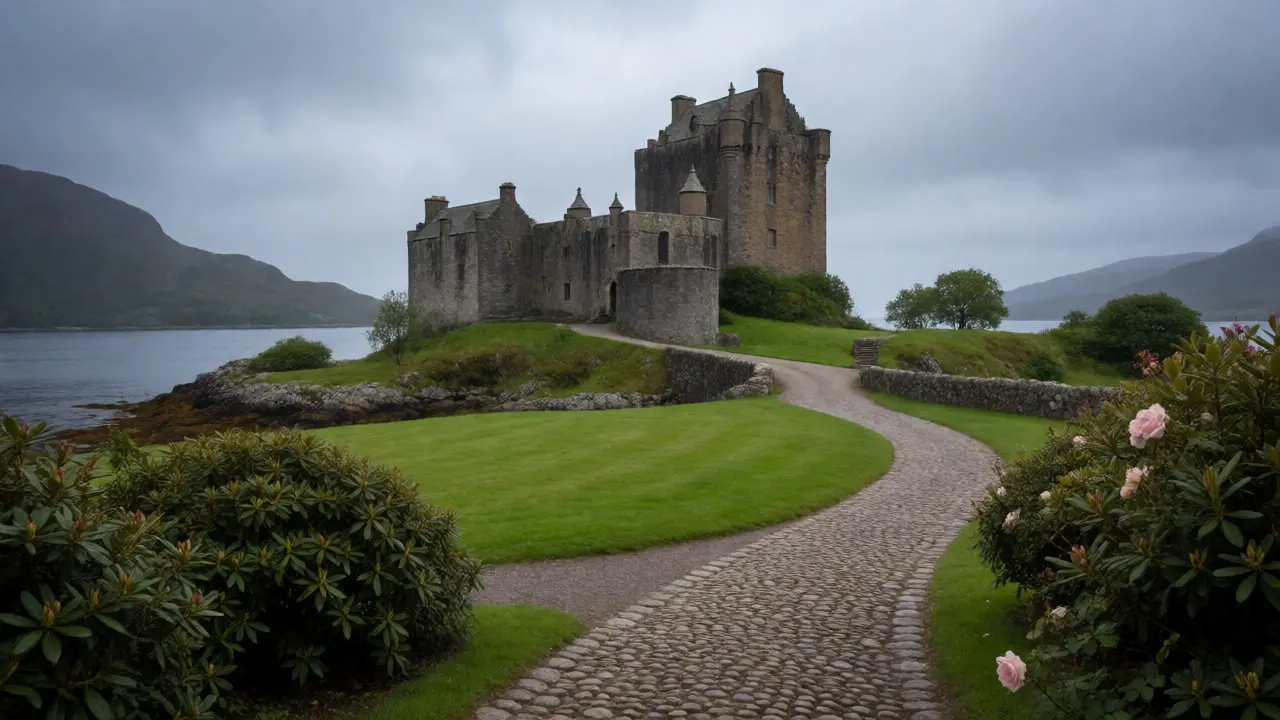
You’ve driven the winding roads to Waternish, crossed the bridge onto the Isle of Skye, and you’re looking for something that feels real. Not a replica, not a movie set, but a place where people have actually lived for over 800 years. That’s Dunvegan Castle. It sits right on the coast, surrounded by gardens that smell like salt and old roses, and it is the oldest continuously inhabited castle in Scotland. The Clan MacLeod still lives here today. Yes, really. While other historic sites are museums with velvet ropes, Dunvegan is a home with a family inside, which changes how you walk through those halls.
But before you pack your car or book your stay, you need to know what you’re getting into. Is it worth the ticket price? How long does it take? What’s the deal with the Fairy Flag? This guide breaks down the history, the practical stuff like tickets and parking, and the bits most guides skip so you can plan a visit that doesn’t feel rushed.
The Real History Behind the Walls
Dunvegan Castle is a medieval fortress located on the west coast of the Isle of Skye, serving as the seat of the Clan MacLeod since the 13th century. Most people think "ancient" means dead. Here, ancient means alive. The current structure dates back to around 1220, built by Leod, the founder of the clan. But the site itself has been fortified much longer. Archaeological evidence suggests Iron Age activity here, meaning people were building defenses on this rocky promontory thousands of years before Leod arrived.
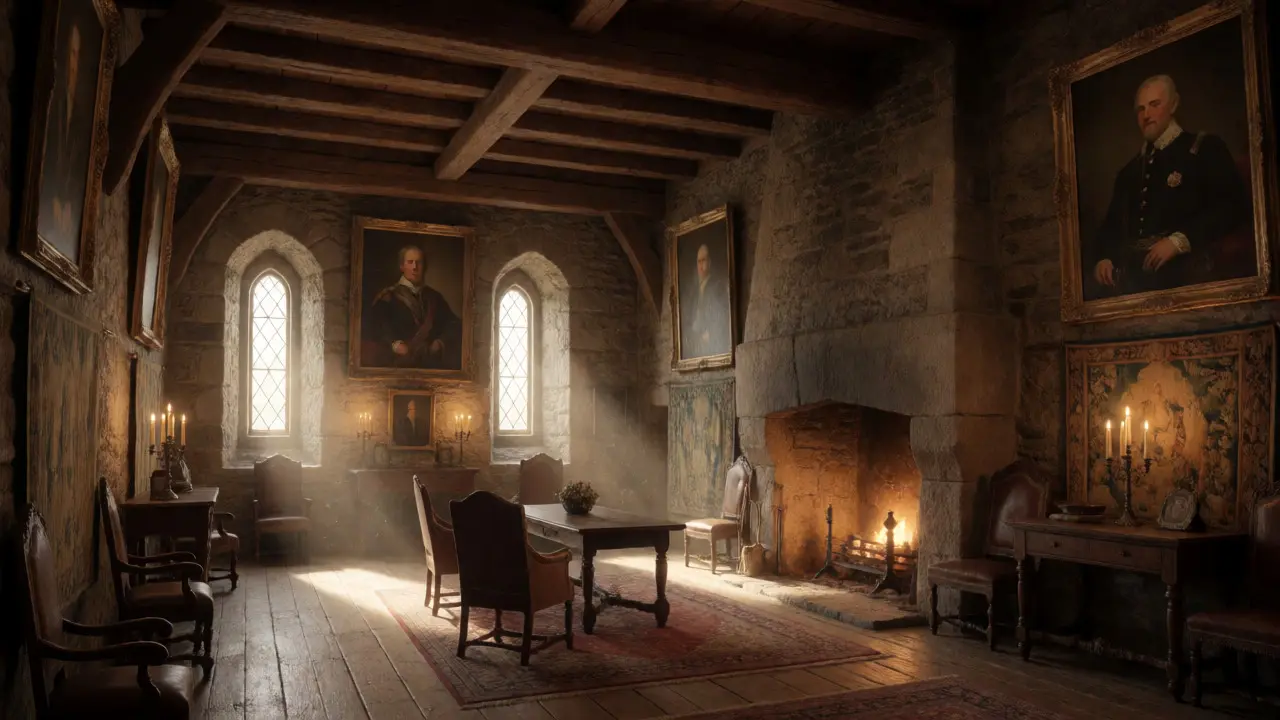
What makes Dunvegan different from Edinburgh Castle or Stirling is the continuity. You aren't walking through empty rooms arranged by curators. You’re seeing the private quarters of the MacLeods. The Great Hall, for instance, isn’t just a display; it’s used for family gatherings. When you look at the portraits lining the walls, many are direct ancestors of the current chief. It adds a layer of weight to the experience. You’re intruding on someone’s living room, albeit a very grand, stone-walled one.
The castle survived sieges, fires, and centuries of political upheaval. In the 17th century, during the Jacobite risings, the clan had to navigate tricky alliances. They managed to keep their head attached to their shoulders, mostly by playing both sides carefully. Today, the castle is open to the public to help fund its upkeep. Maintaining a 800-year-old roof and damp-proofing stone walls costs a fortune, so your ticket helps keep the lights on-literally.
Tickets, Hours, and Planning Your Visit
Let’s talk money and time. As of 2026, adult tickets hover around £15-£18 depending on whether you bundle the boat trip. Children get a discount, and there’s often a family rate if you’re traveling with kids. If you have an Historic Environment Scotland membership, check the details; sometimes national parks or specific heritage trusts offer perks, though Dunvegan is privately owned, so standard HES discounts might not apply directly unless part of a specific partner scheme.
- Opening Season: Typically April to October. Winter visits are limited because the island weather can make access difficult and heating costs skyrocket.
- Booking: Do not assume you can just show up in July or August. Book online. The castle limits entry times to preserve the experience and manage crowd flow.
- Duration: Plan for 2 to 3 hours minimum. If you want to do the boat trip to see seals, add another hour.
Pro tip: Arrive early. The first slot of the day (usually 9:30 AM or 10:00 AM) is quietest. By noon, tour buses start rolling in, and the gardens get crowded. If you hate crowds, aim for late afternoon, around 4 PM, when the light is golden and the groups have left for dinner.
The Gardens: More Than Just Flowers
The Dunvegan Gardens are a major draw. They cover about 3 acres and feature plants from all over the world, thanks to the clan’s connections with explorers and traders over the centuries. You’ll find rhododendrons from Asia, camellias, and rare ferns thriving in the mild, wet Highland climate.
It’s not just pretty flowers. There’s a walled garden section that feels like stepping into a secret spot. The layout is informal, designed to look natural rather than rigidly manicured. This fits the Romantic style popular in the 19th century when much of the landscaping was refined. Walking through here gives you a break from the heavy stone interiors. Look out for the memorial benches-they’re scattered throughout, offering spots to sit and watch the view over Loch Dunvegan.
| Feature | Details | Time Estimate |
|---|---|---|
| Castle Interior | Great Hall, Family Portraits, Fairy Flag | 45-60 mins |
| Gardens | Walled garden, exotic plants, coastal views | 30-45 mins |
| Boat Trip | Seal spotting, sea stacks, coastal scenery | 45-60 mins |
| Café & Shop | Local produce, souvenirs, refreshments | Variable |
The Fairy Flag and Other Relics
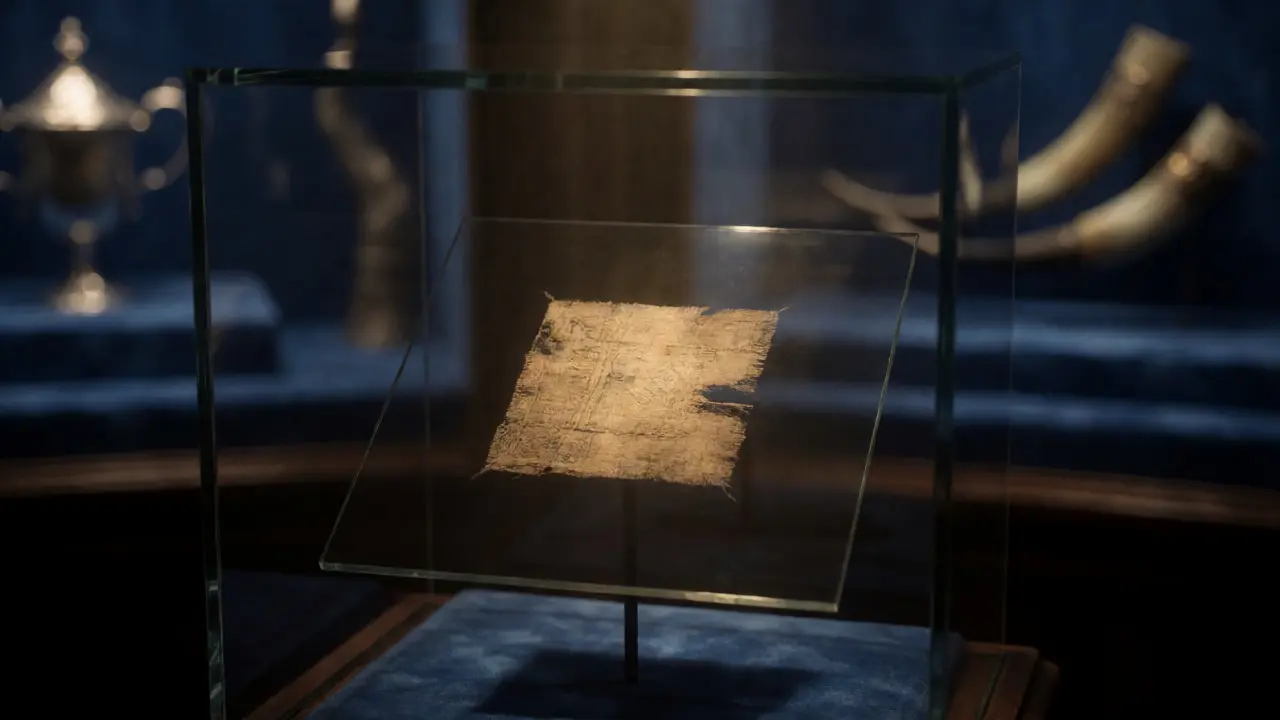
You can’t leave without hearing about the Fairy Flag. It’s a small piece of silk, dated to the 4th or 7th century, displayed in a glass case. Legend says it was given to the clan by a fairy bride, and unfurling it brings victory in battle or saves the clan from disaster. Historically, it’s likely a relic brought back from the Crusades or trade routes, possibly Coptic in origin.
Whether you believe in fairies or not, the flag is fascinating. It’s fragile, kept in darkness to prevent fading, and only shown to visitors in controlled conditions. There’s also the Dunvegan Cup, a silver drinking vessel said to be cursed if drunk from by a MacLeod who hasn’t earned it. Then there’s the Sir Raigmore’s Horn, a drinking horn used for ceremonial purposes. These objects anchor the stories. They give physical form to the myths that define the clan’s identity.
Practical Tips for Skye Visitors
Skye is beautiful, but it’s not easy. Weather changes fast. One minute it’s sunny, the next it’s sideways rain. Bring layers. Even in summer, it gets chilly near the water. Wear sturdy shoes. The castle grounds involve uneven paths, cobblestones, and grassy slopes. High heels are a bad idea.
Parking is available on-site, but it fills up quickly. If the main lot is full, follow staff instructions to overflow areas, which might involve a short walk. Toilets are clean and accessible, including baby-changing facilities. The café serves decent food-think soup, sandwiches, and cakes-but prices reflect the remote location. It’s cheaper to bring a picnic if the weather holds, though eating indoors is nicer if it’s raining.
If you’re staying in Portree, the drive to Dunvegan takes about 30 minutes. If you’re coming from the mainland via the Skye Bridge, it’s another hour or so. Factor in travel time. Don’t try to cram Dunvegan into a morning alongside the Old Man of Storr and Neist Point unless you start at dawn. You’ll rush and miss the point.
Beyond the Castle: Nearby Attractions
Dunvegan isn’t isolated. It’s close to several other highlights. Neist Point Lighthouse is just a few miles away. It’s the westernmost point of Skye, with dramatic cliffs and ocean views. Go at sunset for photos that look unreal. Loch Dunvegan itself is great for kayaking if you prefer active exploration. Several operators run trips from the shore nearby.
If you love wildlife, the boat trip from the castle jetty is reliable for spotting grey seals. They haul out on the rocks below the castle. It’s not guaranteed every day, but success rates are high. Dolphins are rarer but possible. For birdwatchers, the loch hosts various seabirds, especially in spring and summer.
Frequently Asked Questions
How long should I spend at Dunvegan Castle?
Plan for at least two hours to explore the castle interior and gardens comfortably. If you include the seal-spotting boat trip, budget three to four hours total.
Is Dunvegan Castle suitable for children?
Yes, it is family-friendly. Kids enjoy the boats, the animals in the parkland, and the stories behind the relics. However, some stairs are steep, and pushchair access may be limited in certain older sections of the castle.
Can I visit Dunvegan Castle in winter?
The castle typically closes to the public from November to March due to maintenance and harsh weather conditions. Check the official website for exact opening dates each year before planning a winter trip.
Are dogs allowed at Dunvegan Castle?
Well-behaved dogs on leads are generally welcome in the gardens and outdoor areas. They are usually not permitted inside the castle interior or the café seating area. Always check current policies upon arrival.
What is the best time of day to visit?
Early morning right after opening or late afternoon before closing offers the quietest experience. Midday tends to be busiest with tour groups arriving.