
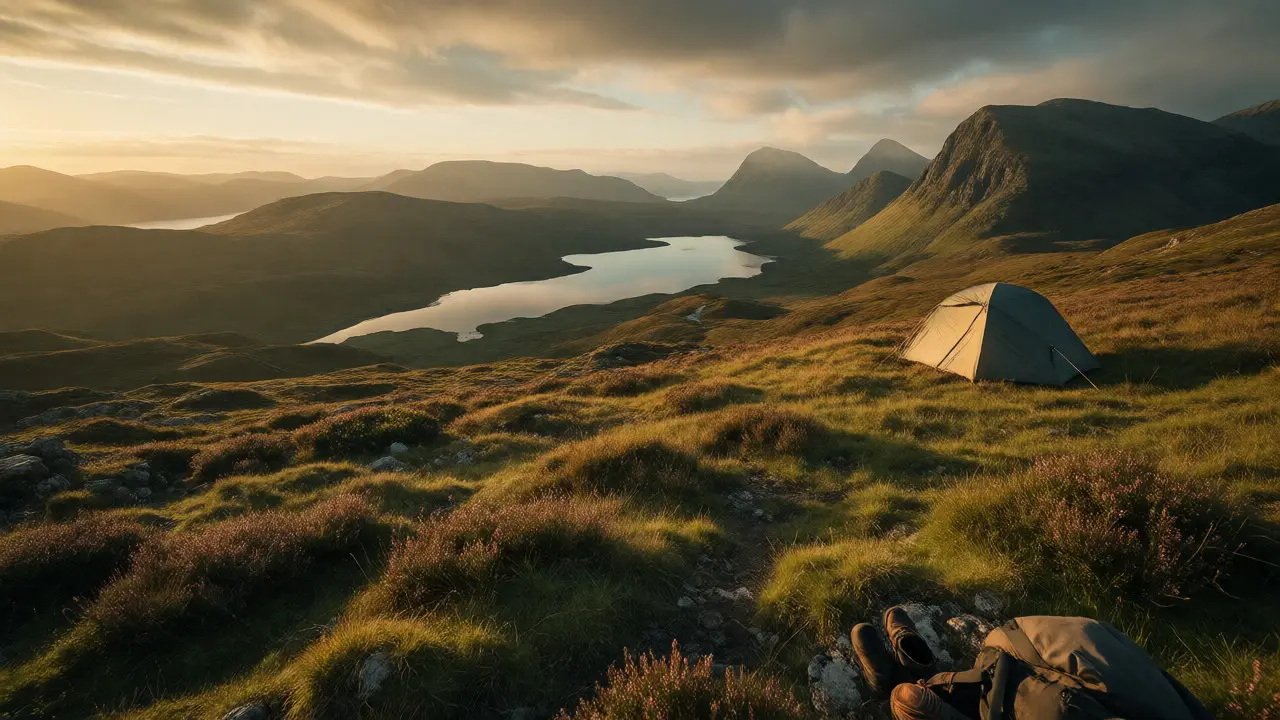
Planning a trip to the Highlands? You might assume you can pitch your tent anywhere the wind blows. In most of Europe, that’s true. But Scotland is different. It has unique laws regarding land access that turn every hillside into a potential campsite, provided you follow specific etiquette. If you’re driving a caravan or motorhome, however, things get trickier. The freedom to roam doesn’t automatically mean you can park on private land without asking. This guide breaks down exactly what you can do, where you should stay, and which facilities are worth paying for.
The Right to Roam: What It Actually Means
Since the Land Reform (Scotland) Act 2003 came into force, everyone has a statutory right to access most land and inland waterways for recreation. This includes walking, cycling, and camping. However, this right comes with responsibilities. You must respect people’s privacy and property. You cannot camp within sight of a house if it causes annoyance, and you certainly can’t set up shop in someone’s front garden. The key rule here is brevity: keep your stay short, usually one or two nights, unless you have explicit permission from the landowner.
For caravanners, this law is less straightforward. While tents are lightweight and easy to remove, caravans require more space and often leave visible marks. Most official guidance suggests that while you *can* technically stop overnight in many places, doing so with a large vehicle often requires negotiation with local farmers or finding designated areas. Ignoring this can lead to awkward confrontations or even fines if you’re blocking access roads.
Wild Camping vs. Designated Sites
True wild camping means no toilets, no running water, and no noise complaints-just you and nature. It’s fantastic for hikers but challenging for families or those needing power for medical devices. In recent years, organizations like Scottish Outdoor Access Trust (SOAT) and local councils have introduced "managed" wild camping zones. These aren’t full-service campsites, but they offer basic amenities like composting toilets and fire pits to prevent environmental damage.
| Feature | Wild Camping | Managed Zones | Caravan Parks |
|---|---|---|---|
| Cost | Free | Low fee (£5-£10/night) | Moderate to High (£20-£60+/night) |
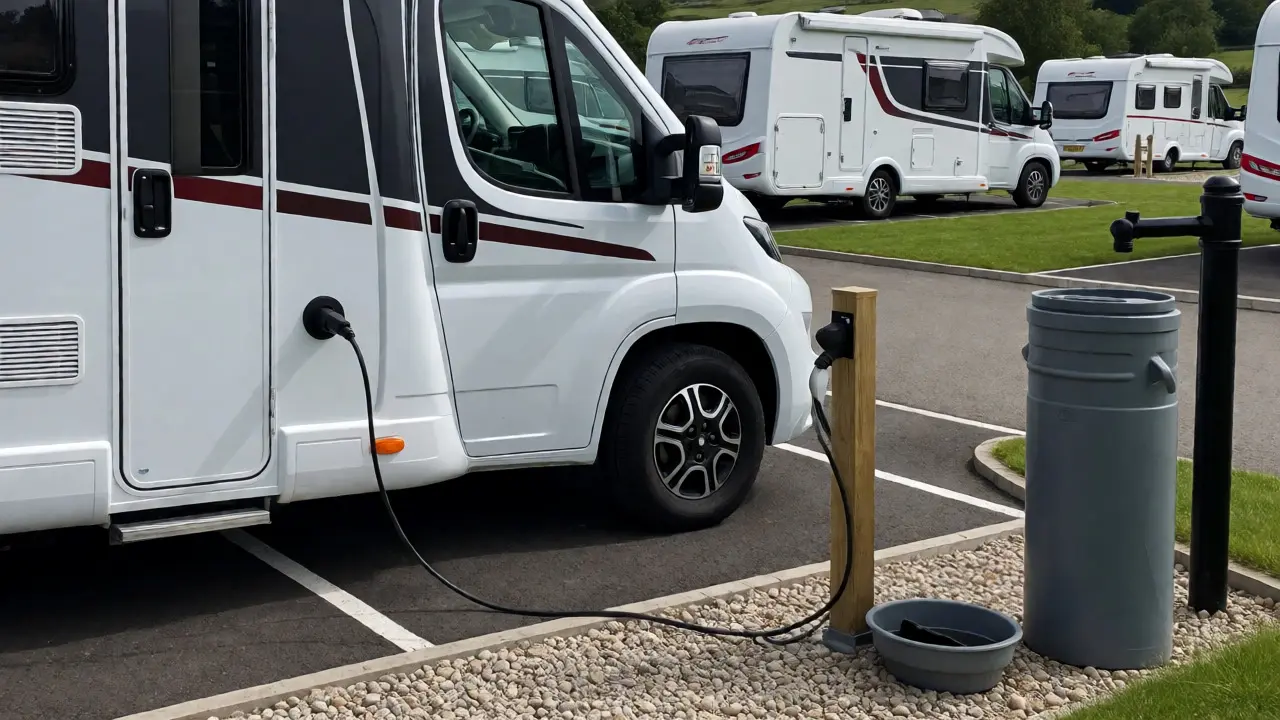
| Facilities | None | Toilets, Water Point | Showers, Laundry, Shop, Electric Hookup |
| Best For | Solo hikers, minimalists | Families, small groups | Motorhome owners, comfort seekers |
| Rules | Leave No Trace, max 2 nights | Booked slots, strict quiet hours | Park rules, check-in times |
Essential Facilities to Look For
If you decide against wild camping, choosing the right commercial site matters. Not all caravan parks are created equal. Some are glitzy holiday resorts with swimming pools; others are working farms offering just a patch of grass and a standpipe. Decide what you need before booking.
- Grey Water Disposal: Essential for motorhomes. Ensure the site has a foul drain connection, not just a sink for washing dishes.
- Electric Hookup: Check if they provide standard UK plugs or European CEE connectors. Bring an adapter if you’re traveling from England with a non-standard rig.
- Wi-Fi Coverage: Don’t assume strong signal everywhere. Remote sites in the Cairngorms or Skye may have spotty internet. Ask neighbors about their experience before relying on it for work calls.
- Dog Policies: Scotland is dog-friendly, but some parks restrict dogs during peak season or require them to be leashed at all times due to livestock.
Understanding the Scottish Outdoor Access Code
You cannot ignore the Scottish Outdoor Access Code. It’s not just advice; it’s the framework judges use when disputes arise. Violating it can result in legal action under the Antisocial Behaviour etc. (Scotland) Act. Key points include:
- Respect Other People: Keep noise down after dark. Close gates behind you. Avoid camping near schools or hospitals.
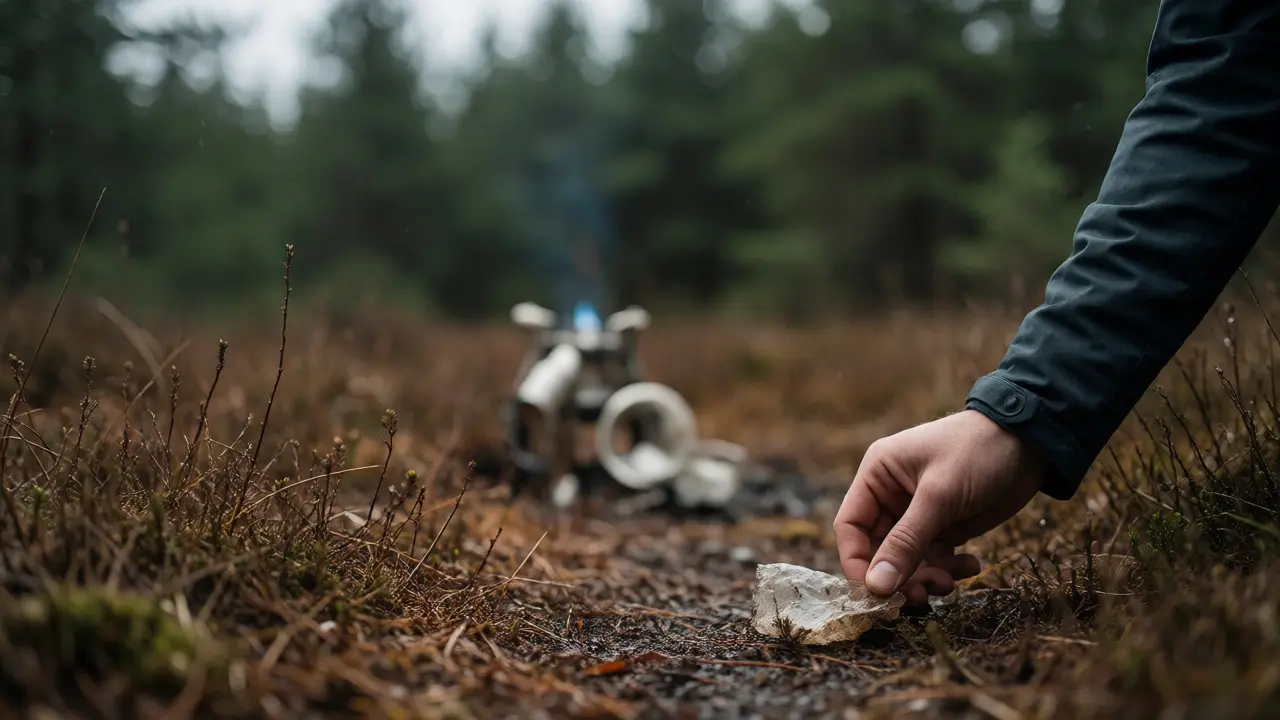
- Care for the Environment: Take all litter home. Use existing paths to avoid eroding vegetation. Never light fires in sensitive peatlands or forests without checking local restrictions.
- Take Responsibility for Your Own Actions: Be prepared for weather changes. Have emergency contacts ready. Know where the nearest hospital is.
Fire bans are particularly important. During dry spells, many regions prohibit open fires entirely. Gas stoves are generally safer and permitted, but always check current alerts from NatureScot.
Top Regions for Camping Enthusiasts
Scotland offers diverse landscapes, each with its own camping vibe. The Highlands remain the crown jewel, offering vast spaces and dramatic scenery. However, popularity brings crowds. Try visiting shoulder seasons (May or September) to avoid the summer rush on routes like the NC500.
The Isle of Skye is stunning but strictly regulated now. Many spots that were once free-for-all now charge fees or limit numbers. Book ahead if possible. Alternatively, consider the Borders region. It’s greener, quieter, and often cheaper than the west coast. Great for cyclists exploring the Sustrans network.
Booking Tips and Pitfalls
Many travelers assume they can show up and find space. In July and August, this is risky. Popular sites fill months in advance. Use platforms like Pitchup.com or direct websites for early reservations. Always read reviews specifically mentioning "level pitches." Sloped ground ruins sleep quality and makes cooking dangerous.
Also, watch out for hidden costs. Some sites charge extra for electricity usage beyond a certain allowance or for using laundry facilities. Confirm these details via email before arriving. If you’re bringing a generator, check if the site allows them-many enforce quiet hours where generators are banned.
Next Steps for Your Trip
Start by defining your style. Do you want adventure and solitude, or comfort and convenience? If you choose wild camping, invest in a good tarp and portable toilet. If you prefer parks, book early and verify hookups. Either way, respect the land. Scotland’s beauty depends on visitors who leave no trace.
Can I legally wild camp anywhere in Scotland?
You can wild camp on most unenclosed land, meaning fields without fences or walls. However, you cannot camp in enclosed crofts, gardens, or near houses if it causes disturbance. Always seek permission if unsure, especially in busy tourist areas like Loch Lomond.
Do I need a permit for wild camping?
Generally, no permit is required for individual small-scale wild camping. However, some managed zones or national parks may require booking or a small fee to manage impact. Large groups often need permission from landowners regardless of location.
Are caravan parks expensive in Scotland?
Prices vary widely. Basic farm sites might cost £15-£25 per night, while premium coastal parks with pools can exceed £60. Off-season rates are significantly lower. Always compare what’s included, such as electric hookups, which sometimes carry an additional daily charge.
What is the 'Leave No Trace' principle?
It’s a set of guidelines ensuring your visit leaves the environment unchanged. This means packing out all trash, burying human waste properly (or using portable toilets), avoiding damaging vegetation, and minimizing campfire impacts. It’s crucial for preserving Scotland’s fragile ecosystems.
Can I bring my dog to wild camping spots?
Yes, but you must keep your dog under close control, especially around livestock. Farmers have the right to shoot dogs worrying sheep. Keep your pet on a lead in enclosed fields and clean up after them immediately to maintain access rights.