
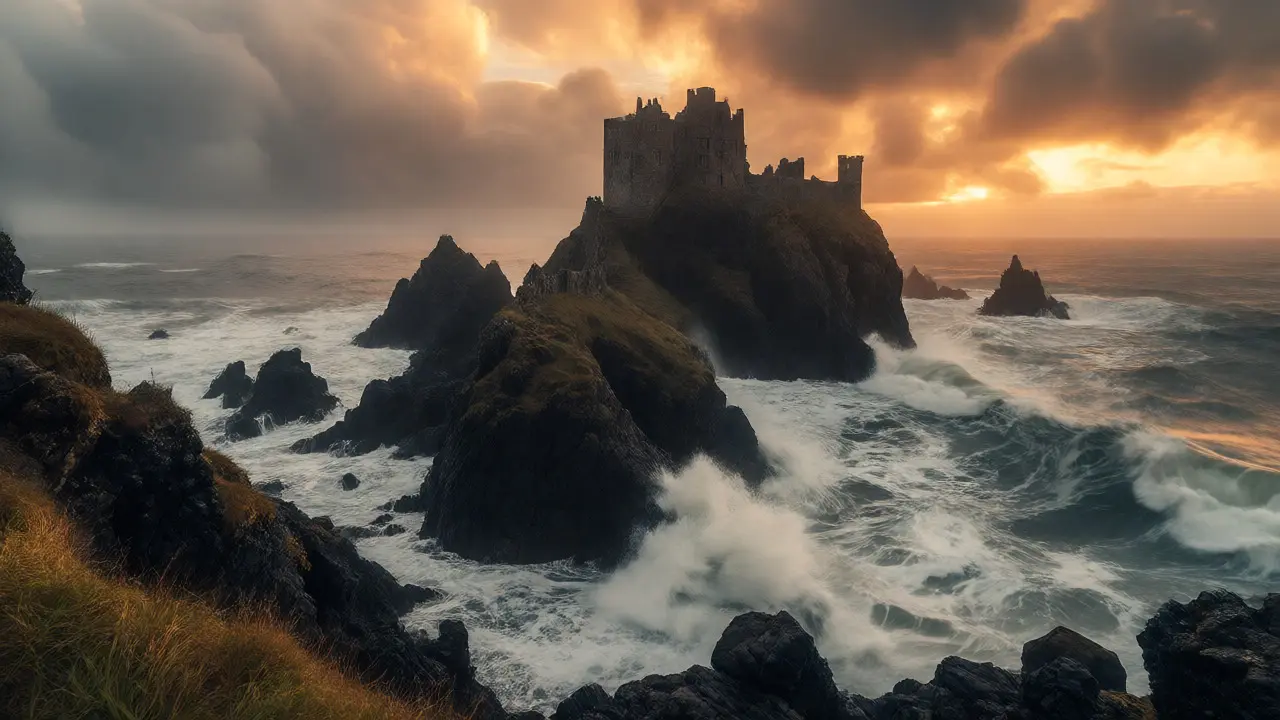
Imagine standing on a cliff edge where the North Sea crashes against black rock, with a medieval fortress looming in the mist behind you. That’s not a movie set; that’s Aberdeenshire on a Tuesday afternoon. If you’re planning a trip to Aberdeenshire a historic county in North East Scotland known for its dense concentration of castles and rugged coastline, you’re in for a treat. But here’s the thing: this region is massive. It’s bigger than Luxembourg. Trying to see it all in two days is a recipe for jet lag and frustration.
I’ve lived in Dundee, just across the Tay, but I spend more time up here in the Granite City and its surrounding shires than anywhere else. Why? Because Aberdeenshire offers a specific kind of magic that the Highlands can’t quite replicate. It’s accessible, rich in history without being overly touristy in the wrong spots, and the food scene has quietly exploded. This guide cuts through the noise. We aren’t just listing places; we’re mapping out how to actually enjoy them without burning out your car battery or your patience.
The Quick Summary: What You Need to Know
- Best Time to Visit: May to September for daylight and weather. December for festive markets in Aberdeen.
- Transport: A car is non-negotiable for the Castle Trail. Trains work for Aberdeen city and nearby coastal hubs like Stonehaven.
- Must-Do: Walk the Dunnottar Castle clifftop ruins near Stonehaven at sunset.
- Budget Tip: Many castle gardens are free to enter even if the interior tours cost money.
- Food Focus: Try the local venison and fresh langoustines in Fraserburgh.
Why Aberdeenshire Beats the Standard Highland Route
Most tourists fly into Edinburgh, rent a car, and head straight for Glencoe. They miss the North East entirely. Big mistake. Aberdeenshire sits under the radar, which means fewer crowds and more authentic interactions. The landscape here isn’t about jagged peaks and deep lochs; it’s about rolling farmland, dramatic cliffs, and granite architecture that glows pink when the sun hits it just right.
Consider the Castle Trail a network of over 80 castles and fortifications spread across the county. Yes, eighty. No other region in Europe comes close to this density per square mile. From ruined sea forts to fully furnished stately homes, you can drive from one to another in under an hour. It turns sightseeing into a scavenger hunt rather than a checklist. Plus, the roads are generally better maintained than the single-track passes in the west, making it less stressful for drivers who aren’t used to sheep blocking the way.
Navigating the Castle Trail: Pick Your Battles
You cannot see all 80+ castles. Don’t try. Instead, pick a theme. Are you into romantic ruins? Or do you prefer intact interiors with tapestries and fireplaces? Here’s a breakdown of the heavy hitters.
| Castle Name | Best For | Access Difficulty | Entry Fee (Approx.) |
|---|---|---|---|
| Dunnottar Castle | Dramatic scenery & photography | Moderate (stairs/cliffs) | £10-£15 |
| Craigievar Castle | Fairy-tale aesthetics & interiors | Easy (parking nearby) | £12 |
| Slains Castle | Romantic ruins & Dracula lore | Easy (short walk) | Free |
| Huntly Castle | Historical significance & town visit | Easy (in town center) | £6 |
Dunnottar Castle is the poster child for a reason. Perched on a rocky headland south of Aberdeen, it’s windswept and wild. Go early morning or late evening to avoid the tour buses. The path down involves steep steps, so wear proper shoes-flip-flops are a death wish here.
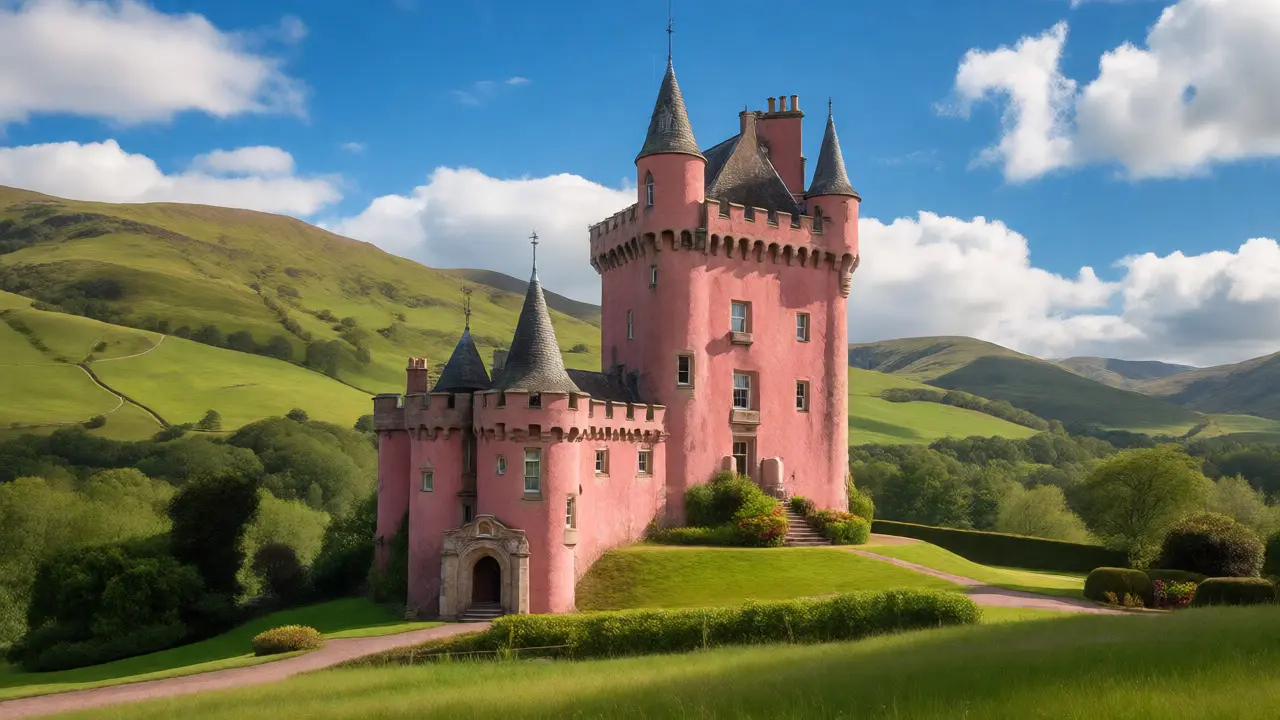
If you want something cozier, head inland to Craigievar Castle a 17th-century tower house known for its pink harled exterior. It looks exactly like Disney’s Cinderella castle. Inside, it’s preserved as it was in the 1920s, complete with original furniture and art collections. It’s smaller, intimate, and the estate grounds are perfect for a picnic.
For those interested in literary history, Slains Castle ruins near Newburgh believed to have inspired Bram Stoker's Dracula offers a spooky atmosphere. It’s free to wander around, though you can’t go inside much anymore due to safety concerns. The legend says Stoker visited here while writing his novel. Whether true or not, the crumbling walls against a grey sky make for incredible photos.
Coastal Towns: More Than Just Fish and Chips
The coast is where Aberdeenshire really shines. It’s rugged, cold, and beautiful. Start in Stonehaven a harbor town famous for its Tolbooth and fireworks festival. It’s easily reachable by train from Aberdeen. The harbor is bustling, lined with independent cafes and seafood restaurants. In August, the town hosts the Hogmanay-style Fireballs Festival, but even off-season, it has charm. Climb the stairs to Dunnottar from here-it’s only a mile walk along the cliff path.
North of Aberdeen, skip the busy beaches and head to Fraserburgh one of the largest fishing ports in Europe. It feels grittier, more industrial, but that’s part of its appeal. The fish market is intense and loud. Watch the trawlers unload their catch. Then, eat the freshest langoustines you’ve ever had at a place like The Old Smack Inn. It’s not fancy, but it’s real.
Further north lies Peterhead the most easterly point in Scotland. It’s home to the RSPB nature reserve and some of the best puffin watching in the country between April and July. The lighthouse there is iconic. If you’re a birdwatcher, this is mandatory. If not, the wide-open skies and empty beaches still offer a sense of isolation that’s hard to find elsewhere.
Aberdeen: The Granite City Experience
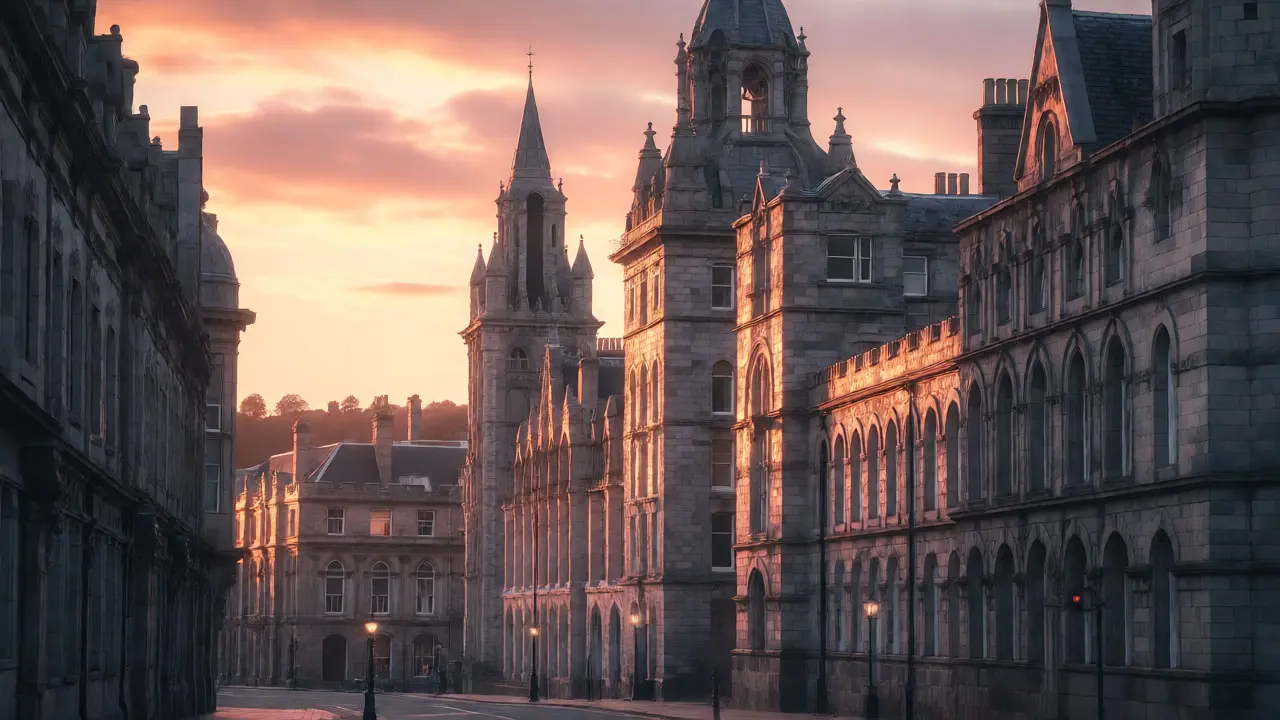
Aberdeen often gets skipped as "just a stopover." That’s lazy. The city itself is unique because of its buildings. Almost everything downtown is built from local silver-grey granite. When the sun sets, the whole city glows. It’s stunning.
Start at Marischal College the second-largest granite building in the world. It’s currently undergoing restoration, but the facade is breathtaking. Walk down Union Street, the main artery, and check out the architecture. It’s Victorian grandeur meets modern oil-industry wealth.
For culture, visit His Majesty's Theatre a beautifully preserved Edwardian theatre in Aberdeen. It’s small, ornate, and hosts excellent productions. Alternatively, explore the University of Aberdeen founded in 1495, one of the ancient universities of Scotland. The King’s College campus has a chapel dating back to the 1500s and views over the River Dee.
Eat well here too. Aberdeen has a surprising number of high-quality restaurants given its size. Try Shimsha for Indian food that rivals anything in London, or House of Haggis if you want to try traditional haggis in a modern setting. And yes, the haggis is good. Don’t let anyone tell you otherwise.
Practical Tips for Your Trip
Weather in North East Scotland is fickle. It can rain sideways in summer and be sunny in winter. Pack layers. A waterproof jacket isn’t optional; it’s essential.
Driving rules differ slightly if you’re coming from England. Remember, traffic drives on the left. Roundabouts are everywhere. Yield to traffic coming from your right unless signs say otherwise. Also, watch out for deer on rural roads at dawn and dusk. Collisions are common.
Accommodation ranges from luxury hotels in Aberdeen to B&Bs in village centers. Book ahead in summer. Places like Ballater a royal village near Balmoral Castle fill up fast because they’re gateways to both the coast and the Cairngorms National Park.
Related Topics to Explore Next
If you love Aberdeenshire, you’ll likely enjoy these adjacent areas:
- Cairngorms National Park: Just west of Ballater. Great for hiking and spotting red deer.
- Angus Glens: South of the border. Dramatic valleys and waterfalls.
- Dundee: Across the Tay. Home to the V&A Museum and the Discovery Point ship.
How many days do I need for Aberdeenshire?
Three to four days is ideal. This allows time for the Castle Trail highlights, a full day exploring Aberdeen city, and a day dedicated to the coastal towns like Stonehaven and Fraserburgh. Two days is possible but rushed; five days lets you add a side trip to the Cairngorms.
Is it necessary to hire a car in Aberdeenshire?
Yes, for the best experience. While trains connect Aberdeen to Stonehaven and Peterhead, the major castles like Craigievar and Slains are in rural areas with poor public transport links. A car gives you flexibility to chase light for photography and visit multiple sites in a day.
What is the best month to visit for wildlife?
May and June are prime times. Puffins return to colonies at Peterhead and Fowlsheugh during these months. Dolphins and porpoises are also frequently spotted off the coast year-round, but visibility is better in calmer spring seas.
Are the castles in Aberdeenshire suitable for children?
Many are. Dunnottar has great open spaces for running around, though the paths are uneven. Craigievar offers interactive guides that engage kids with stories of knights and ghosts. Huntly Castle has a visitor center with displays specifically designed for younger audiences.
Can I visit Balmoral Castle from Aberdeen?
Yes, it’s about a 1.5-hour drive via the A93 road through the Cairngorms. Note that Balmoral is closed to visitors during late summer when the Royal Family resides there, usually from August to mid-September. Check dates before traveling.