
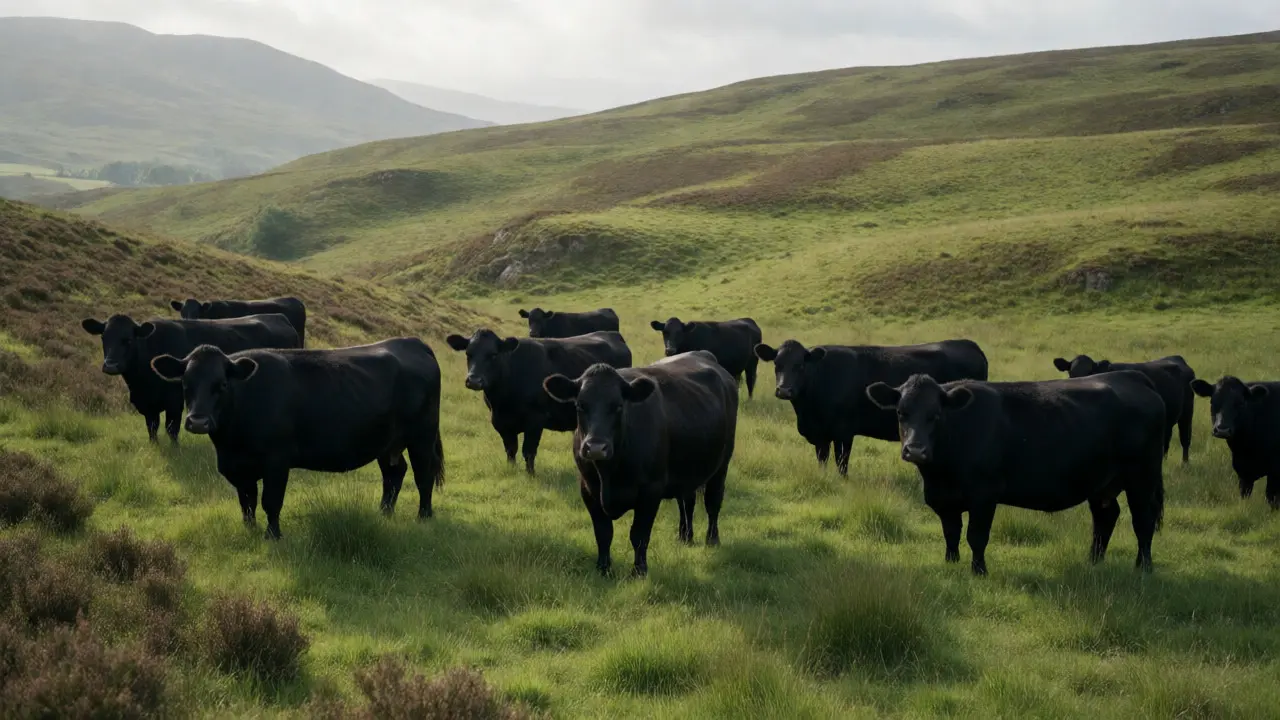
You know that feeling when you bite into a steak and it just melts? That’s not magic; that’s Aberdeen Angus doing its job. If you’re hunting for the best meat experience in Scotland, you’ve probably heard this name whispered with reverence by chefs and butchers alike. But what actually makes this black-coated cow so special? Is it just hype, or is there real science behind the marbling?
I live here in Dundee, right in the heart of Angus country, and I’ve eaten my fair share of these steaks over the years. The truth is, not all Angus is created equal, and knowing where your beef comes from changes everything about how you order at a restaurant. This guide breaks down exactly why this breed dominates the global market, what to look for on a menu, and where to find the best cuts without breaking the bank.
The Origins of a Global Icon
Let’s rewind a bit. Aberdeen Angus isn’t some modern genetic experiment. It’s a heritage breed that started in the northeast of Scotland during the early 19th century. Specifically, it emerged from the counties of Aberdeenshire and Angus. Before this, cattle were often multi-colored and inconsistent in size. A farmer named Hugh Watson began selectively breeding black, hornless cattle for better meat quality and hardiness. He didn’t know he was creating a global brand, but he nailed it.
By the late 1800s, these animals were being exported worldwide. Why? Because they thrived in harsh climates and produced tender meat even on modest diets. Today, while many "Angus" steaks come from America or Australia, the original Scottish lineage carries a specific prestige. When you buy Scottish Aberdeen Angus, you are buying into a tradition of farming practices that prioritize animal welfare and natural grazing. This history matters because it explains the strict standards required to use the label legally in Scotland.
What Makes Aberdeen Angus Different?
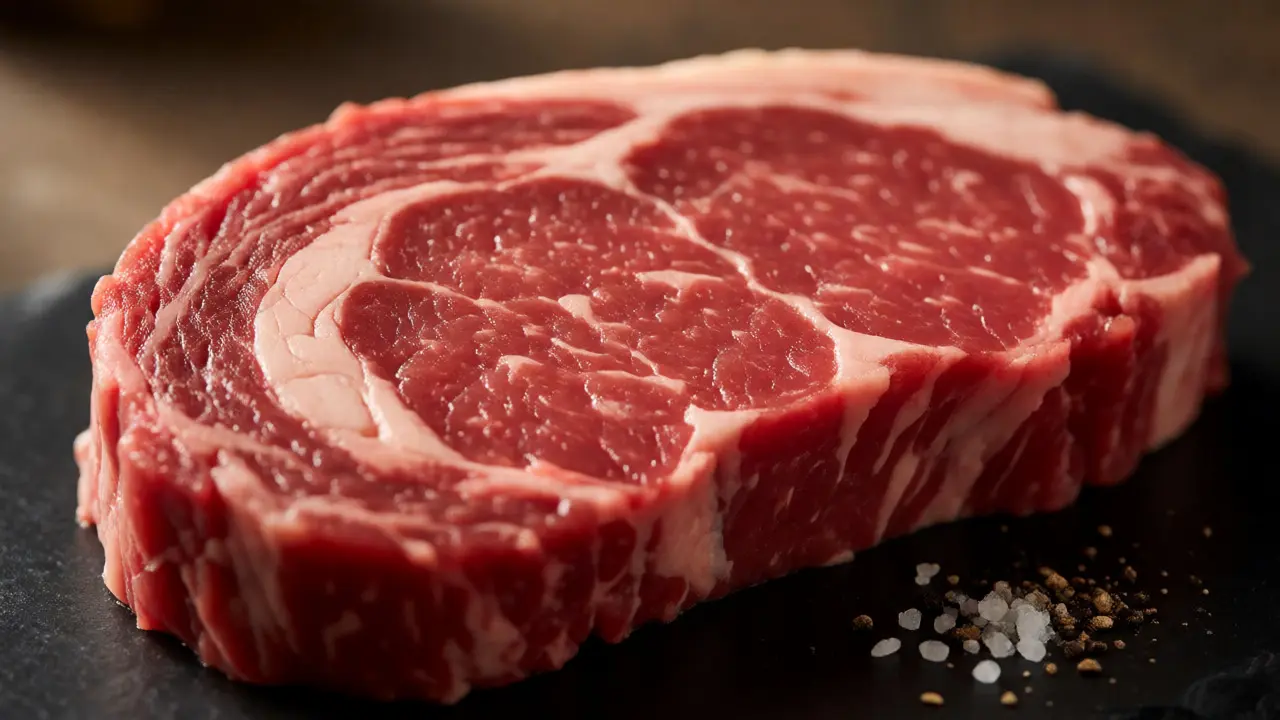
So, why do chefs obsess over this breed? It comes down to one word: marbling. Marbling is the white flecks of intramuscular fat within the red muscle tissue. Unlike external fat (which you trim off), this internal fat renders down during cooking, basting the meat from the inside out. Aberdeen Angus has a genetic predisposition to deposit this fat more evenly than other breeds like Holstein-Friesian (the typical dairy cow).
| Breed | Primary Trait | Marbling Score Potential | Best For |
|---|---|---|---|
| Aberdeen Angus | Natural tenderness and fine texture | High (BMS 4-7+) | Ribeye, Sirloin, Fillet |
| Holstein-Friesian | Milk production, leaner meat | Low to Medium | Ground beef, stewing |
| Hereford | Hardiness, efficient growth | Medium | Roasts, burgers |
| Wagyu | Extreme marbling, rich flavor | Very High (BMS 8-12) | Sukiyaki, thin slices |
Notice the difference between Angus and Wagyu? While Wagyu has more intense marbling, it can sometimes feel too rich for a traditional steak dinner. Aberdeen Angus hits the sweet spot. It offers that buttery mouthfeel without overwhelming the palate. Plus, the muscle fibers are finer, which means less chewing effort. If you’ve ever struggled with a tough steak, switching to certified Angus is often the fix.
Understanding the Certification Labels
Here is where things get tricky. You might see "Angus" on a supermarket label and assume it’s the same as what you’d get in a high-end Dundee bistro. Not necessarily. In Scotland, we have strict Protected Geographical Indication (PGI) status for certain meats, but general "Angus" branding can be loose globally.
To ensure you are getting authentic quality, look for specific certifications:
- Scottish Quality Meat Scheme: Guarantees the animal was born, reared, and slaughtered in Scotland.
- Purebred vs. Crossbred: Purebred Angus will always have consistent traits. Crossbreds (like Angus x Limousin) are common and can still be delicious, but they may lack that signature uniformity in marbling.
- Grain-Finished vs. Grass-Fed: Most premium Angus is grain-finished for 60-100 days before slaughter to boost marbling. Grass-fed Angus is leaner and has a stronger, gamier taste. Neither is "better," but they cook differently.
If you are shopping at a butcher in Edinburgh or Glasgow, ask them directly: "Is this purebred? How long was it finished?" Good butchers love answering these questions. If they hesitate, walk away.
Cooking Tips for Maximum Flavor
You don’t need a Michelin-star kitchen to nail an Angus steak, but you do need to respect the meat. Because of the higher fat content, Angus steaks handle heat well, but they can flare up if you aren’t careful.
- Bring it to room temperature: Take the steak out of the fridge 30-45 minutes before cooking. Cold centers lead to uneven cooking.
- Dry the surface: Pat it dry with paper towels. Moisture creates steam, and steam prevents a good crust. You want sear, not boil.
- Season simply: Coarse sea salt and cracked black pepper. Let the beef shine. Don’t drown it in marinades unless you are using cheaper cuts.
- High heat, then rest: Sear both sides in a cast-iron pan until you have a dark brown crust. Then, lower the heat or move to the oven to finish. Crucially, let it rest for at least 5-10 minutes after cooking. This allows the juices to redistribute. If you cut immediately, those precious fats run onto the plate.
For cuts like Ribeye, consider basting with butter, thyme, and garlic in the last minute of cooking. The fat in the Angus meat mixes with the butter, creating a sauce that is irresistible.
Where to Eat the Best Angus Steak in Scotland
Since I’m based in Dundee, I’ll start close to home, but I’ll also point you toward Edinburgh and Glasgow, as these cities are major hubs for Scottish food tourism.
Dundee: Try The Glasshouse. They focus heavily on local produce and often source directly from Tayside farms. Their ribeye is consistently excellent, cooked over charcoal which adds a subtle smokiness that complements the beef's richness.
Edinburgh: Scran & Scallie in Stockbridge is legendary. They serve Scottish beef with a side of wit and incredible atmosphere. Another solid option is The Kitchin, though it’s pricier. If you want something more casual but high-quality, check out Angus Steakhouse locations-they specialize specifically in this breed, offering different aging periods so you can compare 28-day vs. 45-day aged cuts.
Glasgow: Ubiquitous Chip in the West End has been a staple for decades. Their beef dishes are reliable and beautifully presented. For a modern twist, try Stravaigin, which uses Scottish ingredients in creative ways, including fantastic steak sandwiches.
When choosing a restaurant, look at their suppliers. Many top spots list their farm partners on the menu. If you see names like Lairds or Stewart, you’re likely in safe hands.
Buying Angus Beef for Home Cooking
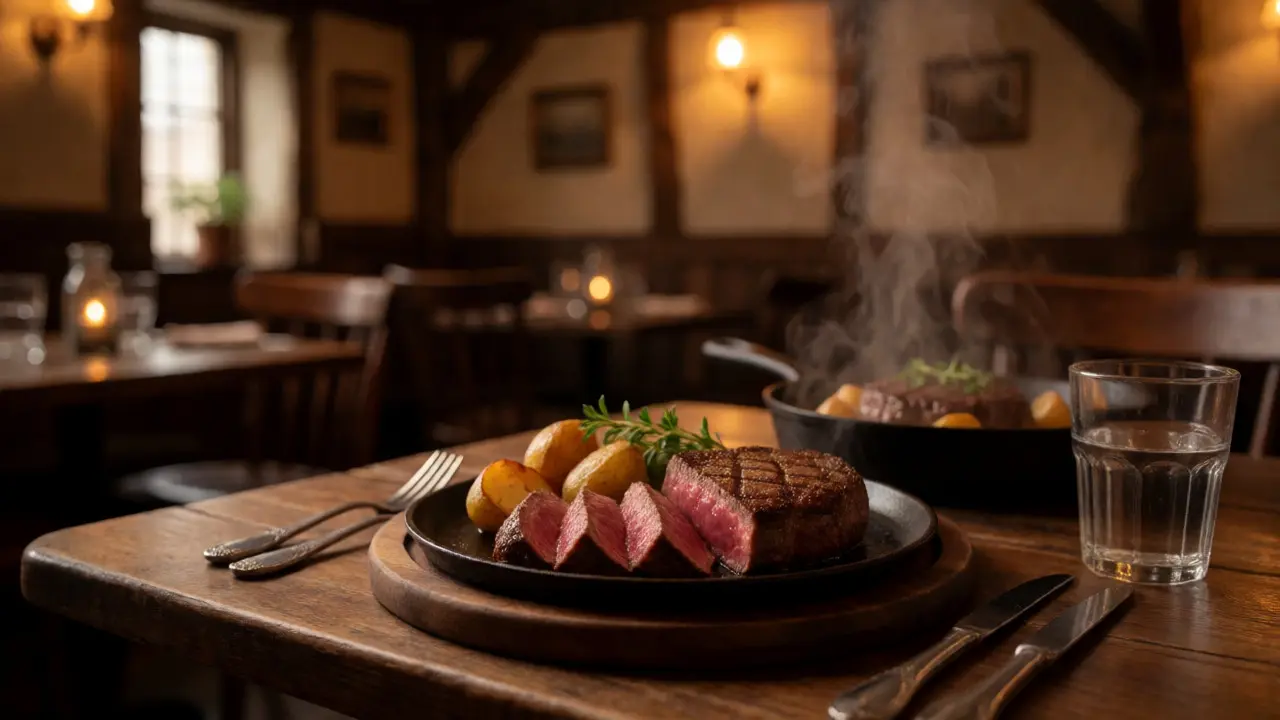
If you prefer eating at home, you can get restaurant-quality results with a little planning. Online butchers like Laird & Sons or Fleisch deliver vacuum-packed, aged cuts straight to your door across Scotland. This is often cheaper than dining out and lets you control the cooking process.
Start with versatile cuts:
- Sirloin: Leaner, great for everyday dinners.
- Ribeye: Rich, flavorful, perfect for weekends.
- Fillet Mignon: Very tender but low fat. Needs extra care (butter/oil) to avoid drying out.
Check the color. Fresh Angus beef should be bright cherry-red. Brownish edges mean oxidation (it’s older). Avoid meat with excessive liquid in the package-that’s purge, and while normal, too much suggests poor handling or freezing/thawing cycles.
Frequently Asked Questions
Is Aberdeen Angus beef healthier than other beef?
It depends on your definition of healthy. Aberdeen Angus has higher monounsaturated fats due to marbling, which can be beneficial in moderation. However, grass-fed Angus tends to have higher Omega-3 levels compared to grain-finished. Both provide high protein and essential nutrients like iron and B12.
Why is Aberdeen Angus beef more expensive?
The cost reflects the breeding standards, slower growth rates compared to industrial breeds, and the certification processes. Purebred Angus requires careful management to maintain genetic integrity, and the demand for its superior marbling drives prices up.
Can I tell if beef is Angus just by looking at it?
Not reliably. While Angus cattle are black, crossbreeds can look similar. The only way to be sure is through labeling and certification. Trust the paperwork, not just the color of the meat or the skin.
What is the best cut for beginners?
Sirloin is forgiving and easy to cook. It has enough fat to stay moist but isn't as intimidatingly large as a bone-in Ribeye. It’s a great starting point for learning heat control.
Does aging affect the taste of Angus beef?
Yes, significantly. Dry-aging concentrates flavors and tenderizes the meat by breaking down connective tissues. Aged Angus tastes nuttier and deeper than fresh-cut beef. Most premium restaurants age their beef for at least 28 days.