
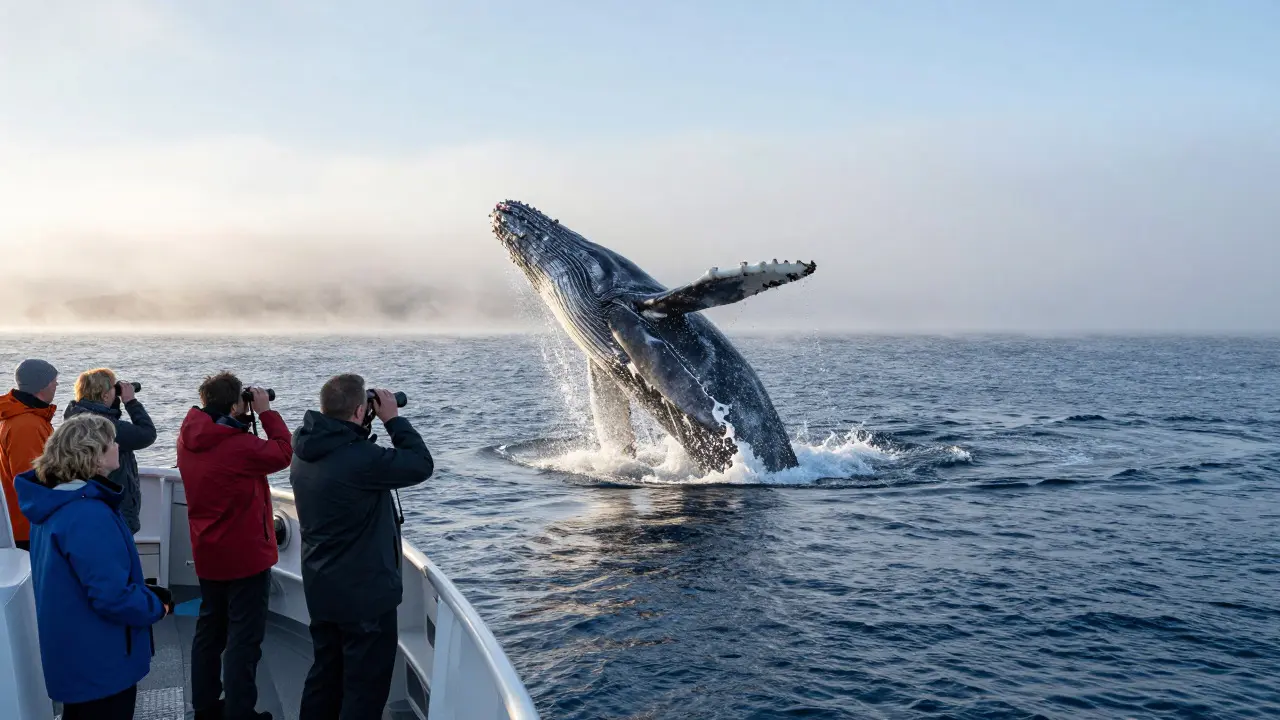
Imagine standing on the deck of a small vessel off the coast of Orkney, the air crisp and salty. Suddenly, a humpback whale breaches just twenty meters away. It is not a zoo exhibit; it is a living, breathing giant in its natural habitat. This moment captures why Scotland wildlife tours have become a top priority for travelers who want to connect with nature without leaving their footprint on the landscape.
Scotland offers some of the most accessible wild ecosystems in Europe. From the remote Hebrides to the bustling lochs of the Highlands, you can encounter otters, seals, eagles, and even bison within a short drive from major cities. However, seeing these animals requires more than just luck. It demands knowledge, the right equipment, and a commitment to ethical practices. If you are planning a trip, understanding how to choose the right guide, select the best boat trips, and practice respectful observation will transform your experience from a casual sightseeing stop into a profound connection with the natural world.
Why Ethical Viewing Matters More Than Ever
Wildlife tourism has grown rapidly, but so has the risk of disturbing habitats. In the past, tour operators sometimes prioritized quantity over quality, cramming too many people onto boats or using loud engines to chase after pods of dolphins. Today, the industry is shifting toward conservation-led experiences. Ethical viewing means minimizing stress on animals while maximizing your chance of seeing them behave naturally.
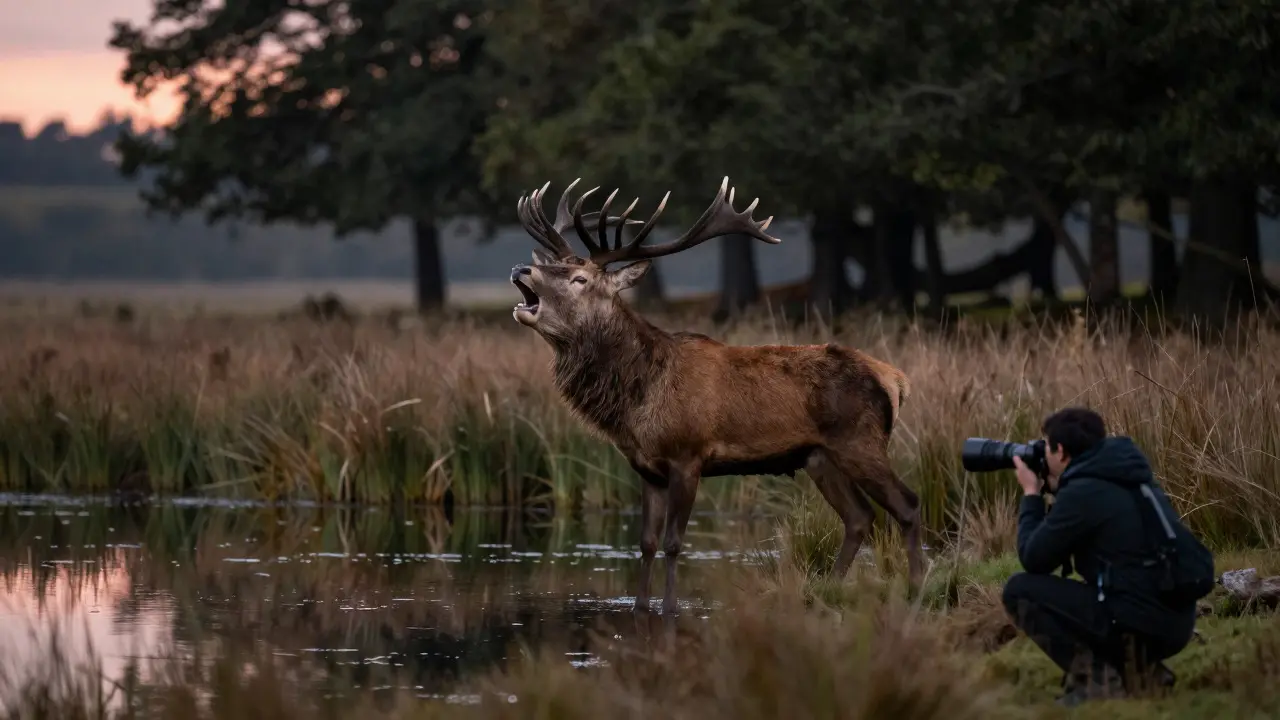
The core principle is simple: the animal’s welfare comes first. When you watch a seal pup resting on a rock, staying at a distance prevents the mother from abandoning her young due to perceived threat. When you observe red deer rutting in autumn, keeping noise levels low ensures they don’t flee into dangerous terrain. By choosing operators who follow strict codes of conduct, you support a model where tourism funds conservation rather than depleting it.
- Distance: Keep at least 50 meters from terrestrial mammals and 100 meters from marine mammals unless they approach you voluntarily.
- Noise: Avoid shouting, playing music, or using flash photography near sensitive species.
- Durability: Limit viewing time to avoid fatigue-induced stress on both humans and animals.
- Feedback: Report any operator that chases or crowds wildlife to local authorities or review platforms.
Choosing the Right Wildlife Guide
A good guide is the difference between spotting a brown shape in the trees and identifying a specific subspecies of eagle. In Scotland, guides often hold qualifications from bodies like the Institute of Field Biologists (IFB) or the Chartered Institute of Ecology and Environmental Management (CIEEM). These credentials ensure they understand behavior patterns, migration routes, and seasonal habits.
When booking a guided tour, look for these specific attributes:
- Local Knowledge: Do they know the exact locations where ospreys nest this year? Can they predict when puffins might return to Skara Brae?
- Equipment Quality: Do they provide high-quality binoculars or spotting scopes? Many reputable companies lend gear to ensure every participant gets a clear view.
- Group Size: Smaller groups (under 10 people) allow for better access to quiet spots and more personalized attention.
- Conservation Focus: Ask if a percentage of ticket sales goes directly to local conservation trusts.
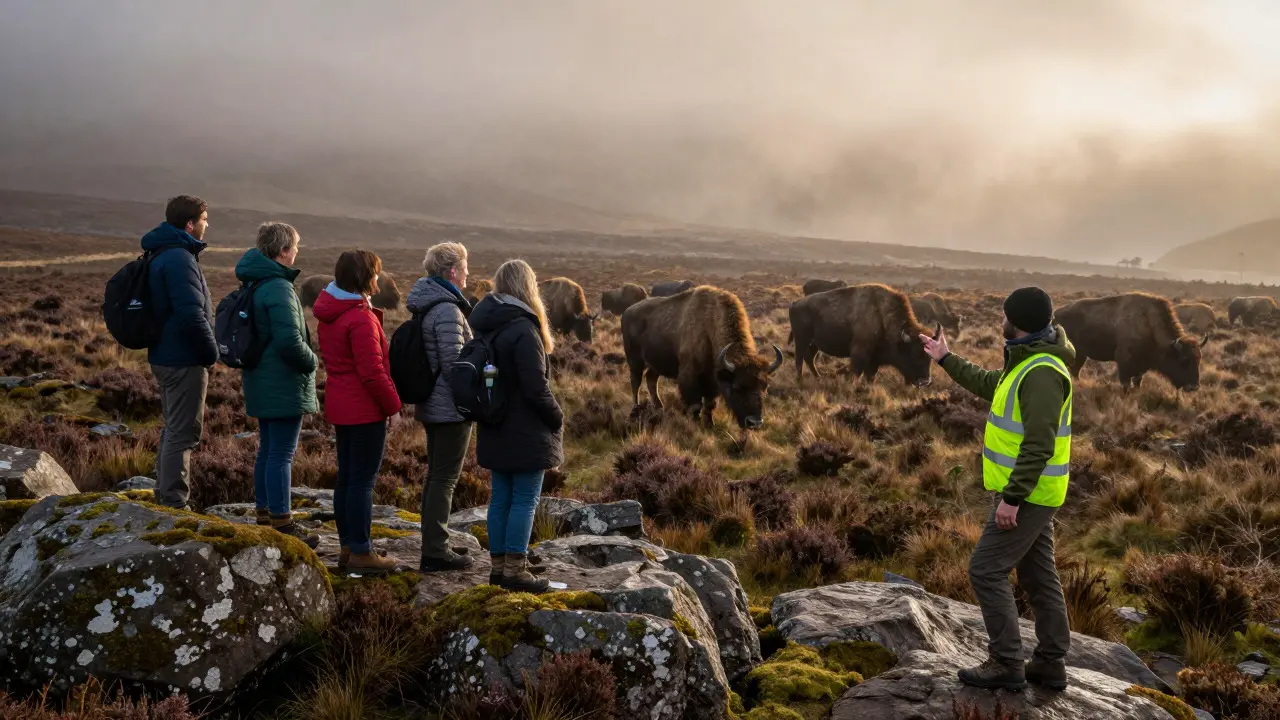
For example, in the Cairngorms National Park, guides specializing in bison tracking can tell you exactly where the herd grazed last night based on fresh tracks. Without such expertise, you might walk for hours and see nothing. The guide turns data into experience.
Top Boat Trips for Marine Life Encounters
Scotland’s coastline is a powerhouse for marine biology. Boat trips are the primary way to access deep-water species like whales, sharks, and porpoises. Different regions offer different opportunities, so matching your location to the season is crucial.
| Region | Primary Species | Best Season | Typical Duration | Ethical Highlight |
|---|---|---|---|---|
| Orkney Islands | Humpback Whales, Orcas, Seals | May - September | 4-6 Hours | Small electric-hybrid vessels to reduce noise pollution |
| Isle of Mull | Puffins, Otters, Basking Sharks | April - August | 3-5 Hours | Strict no-chase policy enforced by RSPB partners |
| Loch Lomond | Otters, Herons, Waterfowl | All Year | 2-3 Hours | Focus on freshwater ecosystem education |
| Campbeltown Sound | Minke Whales, Porpoises, Dolphins | June - October | 5-7 Hours | Collaboration with local cetacean research teams |
Orkney stands out because it sits at the intersection of warm and cold ocean currents. This creates an abundance of prey, attracting large predators. During summer, you have a high probability of seeing humpbacks feeding on krill. The water conditions are generally calmer here compared to the open Atlantic, making it suitable for less experienced sailors.
In contrast, Loch Lomond offers a gentler introduction. You won’t see whales, but the likelihood of spotting river otters along the shoreline is very high. These trips are excellent for families or those who prefer shorter durations. The focus here is often on birdwatching and freshwater ecology, providing a quieter, more contemplative experience.
Territorial Land-Based Experiences
While boats take you to the sea, land-based tours bring you face-to-face with Scotland’s terrestrial giants. The Highland cattle, native to the rugged moorlands, are iconic, but they are far from the only star. Red deer are the largest land mammal in Britain, and watching them during the rutting season (September to October) is dramatic. Males clash antlers, roaring to establish dominance. A knowledgeable guide can position you safely behind rocks or ridges to observe this display without startling the herd.
Bison are another highlight. Reintroduced to Scotland in recent decades, they now roam freely in areas like the Cairngorms and Kincardine O’Glen. Seeing a herd of up to 200 bison moving through misty heather is a surreal experience. These animals are robust and generally tolerant of human presence, but maintaining a respectful distance remains key to their long-term habituation success.
For bird enthusiasts, the Isle of May is a pilgrimage site. It hosts one of the largest colonies of common seals in the UK. Access is restricted to limit visitor numbers, ensuring the colony remains healthy. Day trips from Fife or Dundee are available, though weather-dependent. The sheer scale of the colony-thousands of seals hauled out on rocky ledges-provides a visual impact that few other sites can match.
Practical Tips for a Successful Trip
Preparation determines whether you see wildlife or just scenery. Here is what you need to know before you go:
- Weather Gear: Scotland’s weather changes fast. Waterproof layers are non-negotiable. Even in July, rain is possible. Pack a windproof jacket for boat trips, where wind chill is significant.
- Timing: Dawn and dusk are peak activity times for most animals. Book early morning departures for the best chances of seeing otters, deer, and birds.
- Patience: Wildlife does not perform on cue. Sit still, breathe, and wait. Often, the best moments happen when you stop looking actively and let your eyes adjust to the environment.
- Photography: Use zoom lenses rather than getting closer. Flash photography should be avoided entirely for nocturnal species and used sparingly for diurnal ones.
- Health: Motion sickness is common on rough seas. Take medication prophylactically if you are prone to it. Choose smaller boats if you are sensitive to rocking.
Also, consider the season carefully. Puffins are only present from April to August. Humpback whales are primarily seen from May to September. Planning around these windows ensures you don’t miss the main attractions.
Supporting Conservation Through Your Visit
Your role as a tourist extends beyond observation. Every pound spent on a wildlife tour contributes to the local economy, which in turn supports conservation efforts. Look for operators who partner with organizations like the Royal Society for the Protection of Birds (RSPB) or the Scottish Wildlife Trust. These partnerships ensure that part of your fee goes directly toward habitat protection and research.
Additionally, stay informed about local regulations. Some areas require permits for certain activities, such as kayaking near seal haul-outs. Adhering to these rules shows respect for the legal framework designed to protect vulnerable species. By being an informed traveler, you become an ally to conservationists working hard to preserve Scotland’s biodiversity.
Frequently Asked Questions
What is the best time of year to see whales in Scotland?
The best time to see humpback whales is from May to September. During these months, they feed in the nutrient-rich waters around Orkney and Shetland. Sightings are most frequent in the early morning or late afternoon when feeding activity peaks.
Do I need special equipment for a wildlife tour?
Most reputable tour operators provide binoculars or spotting scopes. However, bringing your own camera with a good zoom lens is recommended. Wear comfortable, waterproof clothing and sturdy shoes. For boat trips, motion sickness pills are advisable if you are prone to seasickness.
Are Scotland wildlife tours suitable for children?
Yes, many tours are family-friendly. Boat trips on inland lochs like Loch Lomond are calmer and shorter, making them ideal for younger children. Coastal trips may be rougher, so check age restrictions. Guides usually explain animal behavior in engaging ways that keep kids interested.
How do I find a certified wildlife guide?
Look for guides who mention qualifications from the Institute of Field Biologists (IFB) or similar bodies. Check online reviews for mentions of educational value and knowledge depth. Ask the tour company directly about their staff’s training and experience in wildlife interpretation.
What should I do if I spot wildlife on my own hike?
Stay still and quiet. Observe from a distance using binoculars if possible. Do not make sudden movements or loud noises. If the animal moves away, let it go. Record the sighting in a journal or app to help researchers track population movements.