

You’ve just finished a brilliant day at a distillery. Your nose still tingles with notes of peat and honey, your wallet is slightly lighter, and you’re standing in the gift shop holding a bottle of single malt. It’s a great drink, sure. But here’s the thing: everyone brings back a bottle. If you want a memory that actually lasts-and doesn’t get drunk up by next Tuesday-you need to look beyond the label.
Buying whisky as a souvenir is fine if you plan to consume it immediately. But if you want something that captures the *experience* of the tour, the atmosphere of the Highlands, or the craftsmanship of Islay, you need to dig deeper. The best souvenirs aren’t things you drink; they’re things you use, read, or display. They tell a story long after the last drop is gone.
The Art of Whisky Glassware
Most people think there are only two types of whisky glasses: the tumbler and the nosing glass. That’s like saying there are only two types of shoes: flip-flops and boots. Sure, those work, but they miss the nuance. When you buy glassware from a distillery, you aren’t just buying a vessel; you’re buying an invitation to slow down.
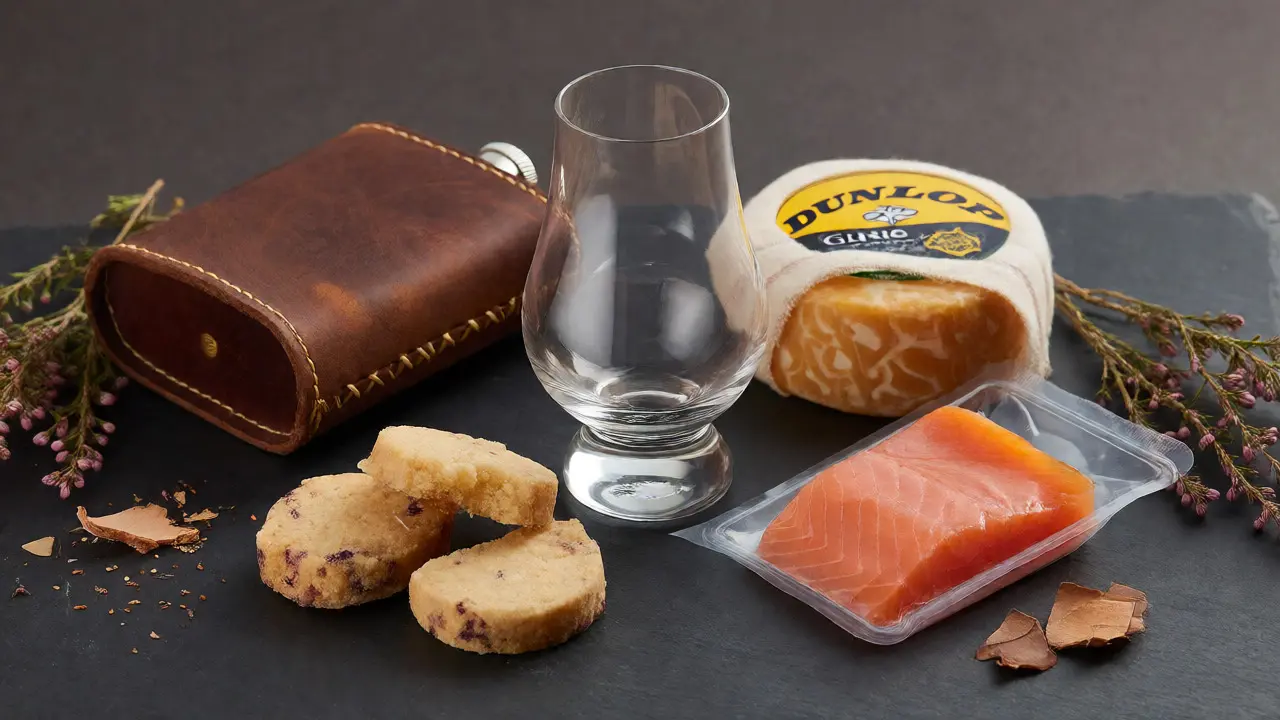
Consider the Glencairn glass. This tulip-shaped glass was designed specifically for tasting spirits. Its narrow opening concentrates aromas, while the wide bowl allows the liquid to breathe. Many distilleries now sell branded versions. A Glencairn etched with the distillery’s crest isn’t just pretty; it’s a tool that changes how you perceive the dram. Next time you sit on your sofa in Dundee or London, sipping that same bottle you bought in Speyside, the glass will remind you of the specific air quality and light of that afternoon.
But don’t ignore the Tumbler, either. Specifically, look for heavy-bottomed crystal tumblers made by local Scottish glassmakers rather than mass-produced imports. Brands like Caithness Glass or Edinburgh Crystal often collaborate with distilleries. These pieces have weight. They feel substantial in the hand. There’s a psychological comfort in holding something solid when you’re relaxing with a nightcap. Plus, unlike a delicate nosing glass, a sturdy tumbler survives the dishwasher (mostly) and daily use without you worrying about breaking it.
| Glass Type | Best For | Durability | Gift Appeal |
|---|---|---|---|
| Glencairn | Aroma analysis, serious drinkers | Moderate (thin rim) | High for enthusiasts |
| Crystal Tumbler | Casual sipping, mixing cocktails | High | Classic, elegant |
| Copita Sherry Glass | Sherry-cask whiskies, sharing | Low (fragile stem) | Niche, sophisticated |
Books That Smell Like Old Libraries
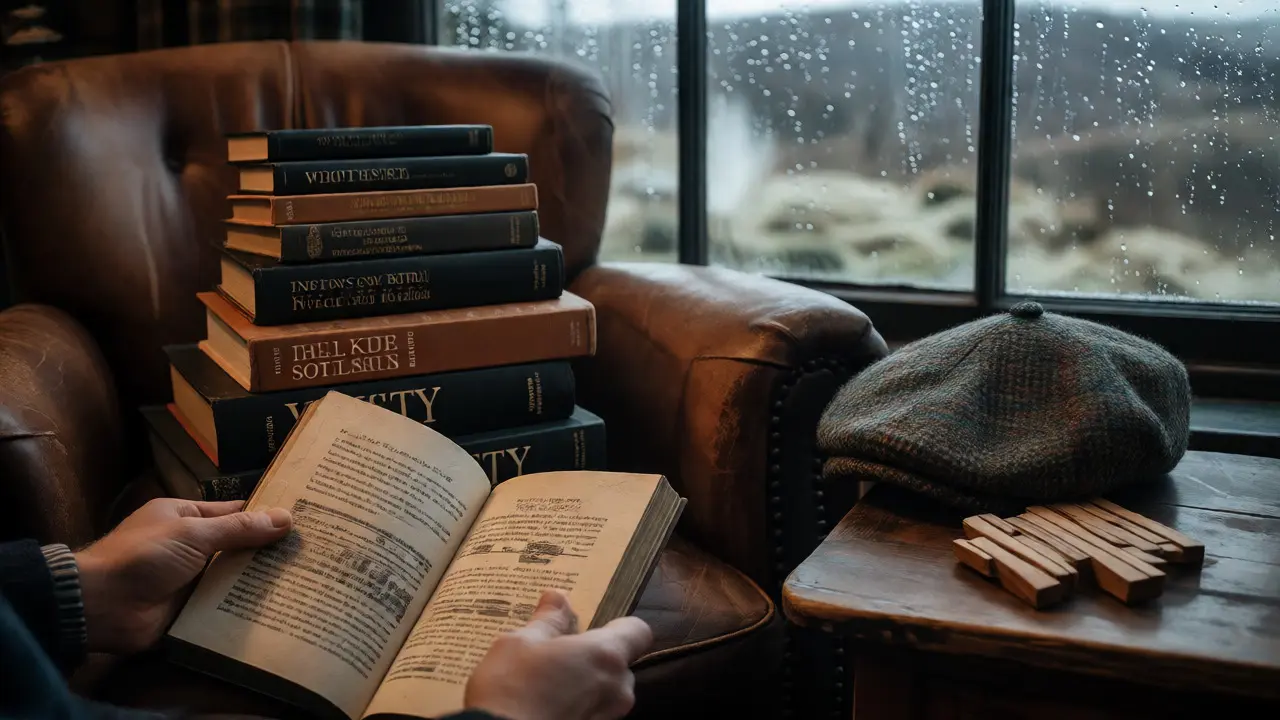
If you’re not into drinking, you might be into reading. And frankly, some of the best whisky souvenirs are found in the bookshelf section of the visitor center. We aren’t talking about glossy brochures that end up in the recycling bin. We mean hardcover histories, field guides, and memoirs written by the people who actually make the stuff.
Look for titles published by independent Scottish presses, such as Birlinn Ltd or Polygon. These publishers specialize in Scottish history and culture. A book like "The Whisky Bible" by Jim Murray is famous, but it’s global. Instead, hunt for local legends. At the Talisker Distillery on Skye, you might find memoirs by former managers who worked during the boom years of the 1980s. These books contain anecdotes you won’t find on Wikipedia-stories about smugglers hiding barrels in caves, or the time a fire nearly took out the warehouse.
Why buy a book? Because it takes time to read. It forces you to engage with the subject matter over weeks, not minutes. Every time you open chapter three, you’re transported back to the damp, cool air of the maturation warehouse. It’s a low-cost, high-value souvenir that supports local authors and historians directly. Plus, it looks great on a coffee table, sparking conversations with guests who might ask, "Where did you get this?" giving you a chance to relive the tour.
Local Crafts: More Than Just Keychains
Let’s be honest: most tourist shops are filled with tacky keychains and plastic mugs. But Scotland has a deep tradition of craft that intersects beautifully with the whisky industry. You just have to know what to look for. Avoid anything labeled "Made in China" even if it says "Scotland" on the tag. Look for the hallmark of local artisans.
Start with leather goods. Many distilleries, particularly in the Highlands, partner with local leatherworkers to create flask cases, coasters, and notebook covers. Leather ages well. A new leather flask case looks nice, but one that’s been carried in a coat pocket for five years develops a patina that tells its own story. Check the stitching. Hand-stitched leather uses waxed thread and is far more durable than machine-sewn alternatives. If you see a brand name like Lochan Headwear or a small workshop in Inverness, grab it.
Next, consider wool. Scotland produces some of the finest tweeds and wools in the world. While a full kilt might be too much commitment, a pair of thick, wool socks or a flat cap made from Harris Tweed makes for a practical souvenir. Harris Tweed is protected by law; it must be handwoven in the Outer Hebrides. Wearing a hat woven by islanders connects you to the landscape where the barley grew and the water flowed. It’s wearable heritage.
Don’t overlook woodwork. Cooperages-the workshops that make casks-are central to whisky production. Some cooperages sell offcuts or mini-barrels made from oak staves that held sherry or bourbon before being used for whisky. These small wooden items, whether they’re coasters, trivets, or decorative boxes, carry the scent of the previous spirit. Sniff them in the shop. You’ll often detect faint traces of vanilla, smoke, or fruit. It’s a sensory link to the production process that no other material can replicate.
Food Pairings: Edible Memories
Okay, so I said "beyond bottles," but food is different from liquor because it’s meant to be shared and consumed socially. Whisky tours often highlight local produce that pairs with their spirits. Don’t leave without trying to bring some of that flavor home.
Shortbread is the obvious choice, but skip the supermarket brands. Look for artisanal shortbread infused with whisky flavors, like heather honey or dark chocolate. Or better yet, buy plain, high-quality butter shortbread from a bakery near the distillery. The pairing of rich, crumbly shortbread with a smooth Highland malt is iconic for a reason.
Then there’s smoked salmon. If you’re visiting the west coast, places like Loch Fyne Oysters offer vacuum-packed smoked salmon cured using local methods. It travels surprisingly well if packed correctly. Back home, serve it on oatcakes with a dram of Islay whisky, and you’ve recreated the taste of a coastal evening in Argyll. Cheese is another great option. Many distilleries stock local cheeses aged in whisky-soaked cloth or washed with ale. Buying a wheel of Dunlop cheese or a wedge of Caboc gives you a tangible piece of the local dairy industry that feeds into the broader culinary scene surrounding the distilleries.
Practical Tips for Transporting Souvenirs
You’ve got a glass, a book, a leather wallet, and some cheese. Now you have to get them home. Here’s how to avoid disaster.
- Pack Glass Separately: Never pack glassware in checked luggage without protection. Use bubble wrap, but also fill the inside of the glass with socks or clothes to prevent movement. Place the wrapped glass in the center of your suitcase, surrounded by soft items.
- Book Protection: Hardcover books are heavy. If you’re flying, consider shipping them via postal service if you’re staying long enough, or pack them flat against the wheels of your suitcase to stabilize the load.
- Leather Care: Keep leather items away from direct heat sources during travel. If you’re driving through the Highlands in summer, don’t leave a leather flask case on the dashboard. It can dry out and crack.
- Food Safety: Check customs regulations for meat and dairy products if you’re leaving the UK. Smoked fish usually passes easily, but fresh cheeses might require declaration. Vacuum-packed items are safer bets for international travel.
Why Non-Bottle Souvenirs Matter
There’s a trend called "experiential consumption." People value experiences over possessions. But souvenirs bridge the gap. They are physical tokens of an experience. A bottle of whisky is a product. A Glencairn glass from a specific distillery is a memory anchor. A book by a local historian is a connection to the place. A leather case is a testament to local craftsmanship.
When you choose these items, you’re supporting a wider ecosystem. You’re helping the glassmaker, the author, the farmer, and the artisan. You’re diversifying the economic impact of tourism beyond just the distillery itself. And when you sit at home months later, looking at that etched glass or reading that dog-eared page, you won’t just remember the taste of the whisky. You’ll remember the sound of the copper stills, the smell of the damp earth, and the warmth of the welcome. That’s a souvenir worth carrying.
Is it safe to pack whisky glasses in hand luggage?
Yes, provided they meet size restrictions and are properly wrapped. However, security scanners may flag dense objects. Always declare fragile items to security officers and ensure they are packed in a way that prevents breakage. Using a dedicated padded sleeve is recommended.
How do I identify authentic Harris Tweed?
Authentic Harris Tweed bears the Orb Mark logo, which certifies it was handwoven in the Outer Hebrides. Look for this woven label on the item. If it lacks the mark, it is likely a imitation fabric produced elsewhere.
Can I take cheese from Scotland to the USA?
Generally, yes, if it is commercially packaged and shelf-stable. Fresh, unpasteurized cheeses may face restrictions. Hard cheeses like cheddar or Parmesan-style varieties are usually safe. Always check current USDA guidelines before traveling, as regulations can change.
What is the difference between a Glencairn and a Copita?
A Glencairn is a standard tasting glass with a short stem and wide bowl, ideal for general whisky appreciation. A Copita is a stemmed sherry glass with a narrower bowl, traditionally used for sherry but increasingly popular for highly aromatic or older whiskies. The Copita directs aroma more precisely but is more fragile.
Are distillery-branded books worth buying?
Often, yes. Distillery-published books frequently contain exclusive photographs, historical records, and interviews not available in commercial editions. They provide a deeper dive into the specific heritage of that location, making them valuable for collectors and history buffs.
Comments (10)
-
Brad Walker September 30, 2026
Ugh, another listicle about how to spend money on things that aren't the actual product. It's all just performative consumption anyway. We buy the glass to feel like we belong in a club we don't understand, and we read the book to signal virtue to our peers. The bottle is gone in an hour, but the debt lasts forever. Honestly, if you can't appreciate the spirit without the ritual of the vessel, are you even drinking it? Or are you just curating a lifestyle for Instagram? It feels hollow. Just drink the whisky. Don't overthink the packaging of your own memories.

-
Sherri Jones October 1, 2026
This is such a helpful guide! 🥃 I completely agree that the Glencairn makes a huge difference in aroma perception. 😊 If you're looking for authentic Harris Tweed, remember to look for the Orb Mark logo-it's legally protected! ✨ Also, packing tip: bubble wrap isn't enough for crystal tumblers; use a dedicated padded sleeve inside your carry-on to avoid security hassles. 🧳 Hope this helps someone planning their trip! 👍

-
Darlene Hopkins October 2, 2026
The connection to local artisans really resonates with me. Supporting small workshops keeps the culture alive.

-
Prayagraj Medicose October 4, 2026
You think they sell those leather goods for the quality? Nah man. Look closer. That 'hand-stitched' wax thread? Probably machine-guided by AI robots in a warehouse somewhere near Glasgow. And why do distilleries push these souvenirs so hard? Because the profit margin on the whisky is getting squeezed by global taxes and corporate mergers. They need high-margin trinkets to keep the lights on. It’s not about memory anchors, it’s about economic survival and maybe some subtle conditioning to make us buy more non-essential items. Wake up and smell the peat smoke... or whatever they’re pumping into the air to make us docile shoppers. 🕵️♂️💸

-
Howard Hurd October 5, 2026
Scotland has better whisky than America period. End of discussion. 🇺🇸 vs 🏴. We have bourbon which is fine I guess but nothing beats the old world craft. Don't let anyone tell you otherwise. 🙄

-
Bryce Imbriale October 5, 2026
Love this energy!! 🚀 Seriously though, go out there and grab that Harris Tweed cap! It changes your whole vibe when you walk around town feeling connected to the land! You got this! Go support local makers and enjoy every sip! 💪🔥

-
SHANNON GRUBER October 5, 2026
Most of these tips are obvious fluff. Everyone knows glassware matters. Everyone knows books are good. This article wastes space explaining things people already know while ignoring the real issue: most tourists are too lazy to research before buying. They just grab the first shiny thing. Typical.

-
Brad Walker October 6, 2026
Exactly. The 'connection to the land' is a marketing slogan printed on a tag attached to a mass-produced item. It’s theater. Pure theater. And we pay premium prices for tickets to watch ourselves pretend we care about craftsmanship while checking our phones under the table. It’s absurd.
-
LoriBeth Blair October 7, 2026
Actually, the distinction between a Glencairn and a Copita is critical for serious enthusiasts. A Copita directs aromas differently due to the stem length and bowl curvature. Ignoring this nuance shows a lack of understanding of sensory science. Most people just buy what looks pretty. Sad but true.

-
Charles Reah October 9, 2026
I appreciate the thoughtful perspective here. While I understand the skepticism regarding commercialization, I believe there is genuine value in tangible reminders of our experiences. When I hold a handcrafted leather flask, I am reminded of the specific artisan who made it, fostering a sense of community and respect for labor. It is not merely about consumption, but about honoring the human element behind the product. Thank you for sharing these insights.
