
You’ve booked the flight, packed your raincoat (yes, you’ll need it), and maybe even learned how to say "cheers" without sounding like a cartoon character. But before you step off the plane at Edinburgh Airport or drive up the M9 toward Stirling, there’s something more important than knowing which side of the road to drive on. It’s understanding Scottish customs and the unwritten rules of social interaction that define daily life in Scotland. Getting this wrong won’t get you arrested, but it might make you feel like an outsider looking in, rather than a guest being welcomed.
Scotland isn’t just a backdrop for TV dramas; it’s a living, breathing society with deep-rooted traditions. Whether you’re here for the whisky distilleries of Speyside, the rugged beauty of the Highlands, or the vibrant street art in Glasgow, respecting local norms goes a long way. I live in Dundee, right on the edge of the Tay Estuary, and I see tourists every day who either charm the locals or accidentally rub them the wrong way. The difference is rarely about money spent-it’s about attitude and awareness.
The Art of Small Talk and Greetings
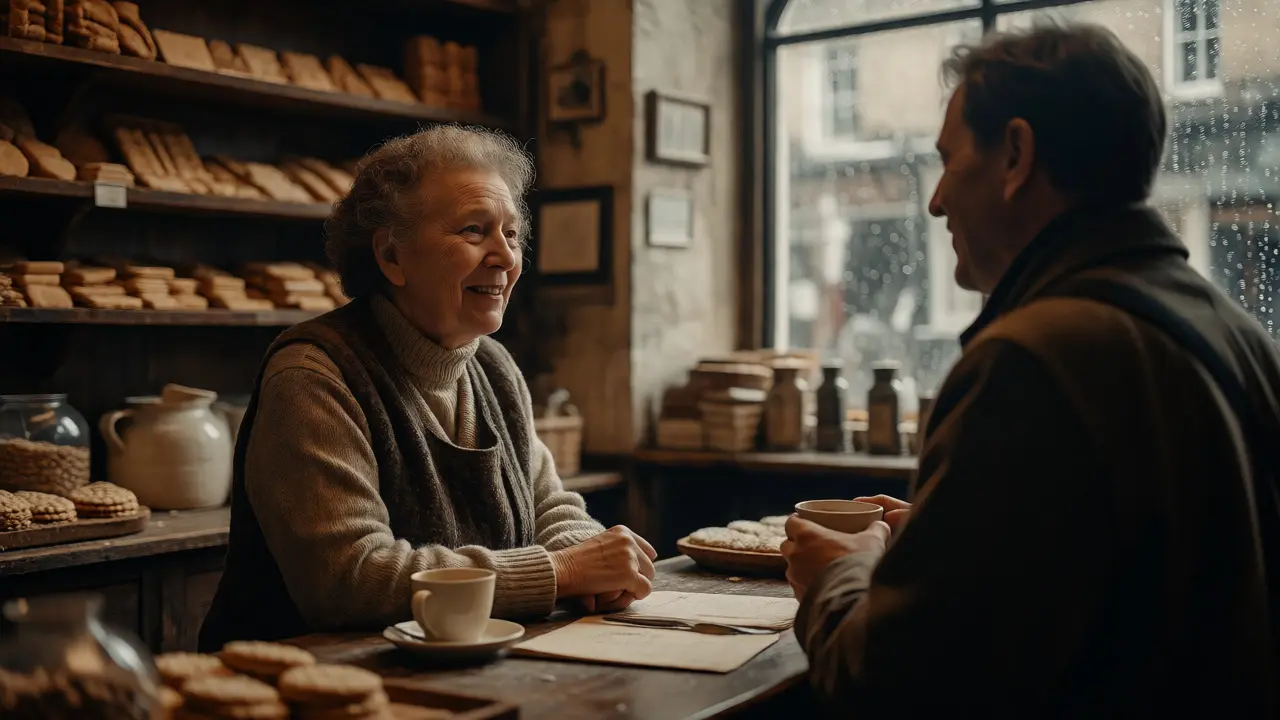
Let’s start with the basics: how do you actually talk to people here? In many parts of the world, small talk is optional or strictly professional. In Scotland, it’s practically a civic duty. If you’re standing in a queue at a bakery in Aberdeen or waiting for a bus in Inverness, expect to chat. Ignoring someone trying to engage you can be seen as rude or cold.
When you meet someone, a firm handshake is standard. Eye contact matters-look them in the eye, not at your phone. And please, drop the "Hi, how are you?" script if you aren’t ready for the answer. Scots often use "How are ye?" as a greeting, not a genuine inquiry into your health status. If you launch into a detailed story about your bad back, they might look confused. Keep it light. Talk about the weather (it’s always safe), the scenery, or ask for recommendations. Locals love sharing their favorite hidden spots.
One major pitfall for visitors is assuming everyone speaks with the same accent. You’ll hear Glaswegian, Highland, Orcadian, and Fife accents, among others. Don’t pretend to understand if you don’t. It’s perfectly polite to say, "Sorry, could you repeat that?" Scots are generally patient with language barriers, provided you show effort. Trying to mimic a thick accent yourself can come off as mocking unless you have a close friend who invites you to try.
Dining Out: Tipping, Toasts, and Table Manners
Food culture in Scotland has evolved far beyond haggis and deep-fried Mars bars. While those stereotypes persist, the culinary scene is diverse and high-quality. When you sit down to eat, a few nuances apply.
Tipping is appreciated but not mandatory in the same rigid way as in the US. A service charge is often added to bills in tourist-heavy areas like Edinburgh’s Old Town. Check your bill first. If no service charge is included, rounding up or leaving 10-15% is standard for good service. For pubs, you don’t tip per pint, but you might buy the bar staff a drink if you’re a regular, or simply leave small change in the tip jar if one exists.
| Situation | Expected Behavior | Common Mistake |
|---|---|---|
| Restaurants | Check for service charge; tip 10-15% if none. | Leaving no tip for exceptional service. |
| Pubs | Order at the bar; keep noise moderate. | Expecting table service in traditional pubs. |
| Toasting | Say "Slàinte mhath" (pronounced slanj-a va) or "Cheers". | Clinking glasses too hard (considered bad luck). |
| Haggis | Try it! It’s delicious. | Refusing based solely on appearance. |
Speaking of drinks, let’s address the elephant in the room: Whisky a distilled alcoholic beverage made from fermented grain mash. Scotch whisky is protected by law and deeply embedded in national identity. If you’re invited to a dram, accept it graciously. You don’t have to like it, but sniffing it respectfully and taking a small sip shows respect. Avoid mixing single malts with cola unless you want to raise eyebrows. And when toasting, never clink your glass against someone else’s with force. Traditionally, this was thought to spill the drink and invite bad luck. A gentle touch or raising the glass is sufficient.
Public Transport and Road Rules
If you’re renting a car, remember that driving conditions differ significantly from other countries. The roads in rural Scotland can be narrow, winding, and shared with livestock. There are no speed limits on some motorway sections historically, but now strict enforcement applies. Always yield to larger vehicles on single-track roads. Pull into passing places (widened sections of the road) to let faster traffic pass. Honking isn’t common; a wave of thanks is the universal signal for letting someone through.
On public transport, courtesy is key. On trains between cities like London and Edinburgh, or within Scotland via ScotRail, priority seats are for the elderly, disabled, or pregnant passengers. Stand up if needed. In Glasgow’s subway system, keep conversations low-volume. Loud phone calls on buses are frowned upon. Also, note that drinking alcohol on public transport is technically prohibited, though enforcement varies. It’s best to save the celebratory beer for after you arrive.

Respecting Nature and Outdoor Spaces
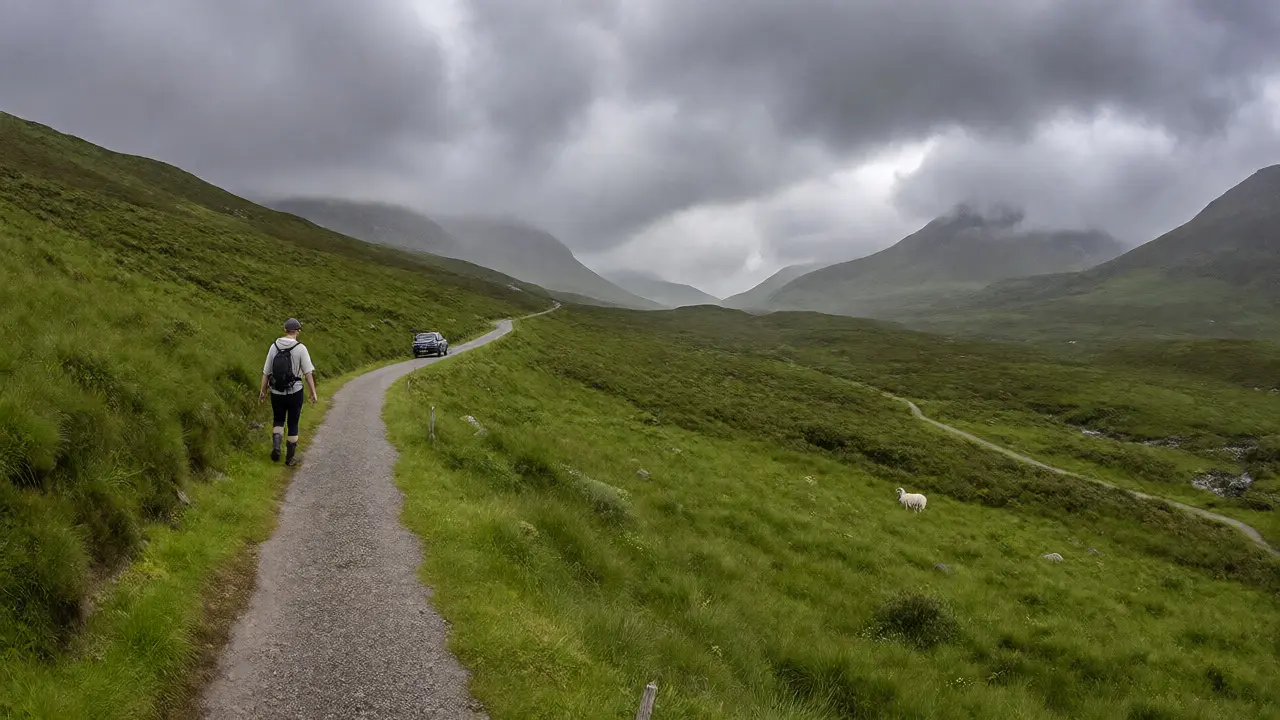
Scotland’s landscape is its biggest draw. From the Cairngorms National Park to the Isle of Skye, nature is sacred here. This leads us to the Scottish Outdoor Access Code guidelines for responsible access to land and inland water. Unlike in many countries where private property means "keep out," Scotland has a right to roam. You can walk across most uncultivated land, including mountains, moors, and forests.
But rights come with responsibilities. Leave gates as you found them. If it was closed, close it behind you to keep livestock in. Take all litter home-there are often no bins in remote areas. Be cautious around livestock, especially cows with calves. Dogs must be under control and leashed near animals. Feeding sheep or deer might seem cute, but it disrupts their diet and can cause health issues. Stick to marked trails in sensitive ecological zones to prevent erosion.
Language Nuances and Slang
English is the primary language, but Scottish English has its own flavor. Words like "wee" (small), "aye" (yes), and "nae" (no) are common. You’ll also hear "braw" (good/nice) and "ken" (know). Don’t worry if you don’t speak Gaelic, which is still spoken in parts of the Highlands and Islands. However, acknowledging its presence is respectful. Signage is often bilingual in these regions.
Avoid calling everything "Scottish" if it’s specifically Welsh or Irish. The Celtic nations have distinct identities. Also, be careful with the term "Scotch." Use "Scottish" for people and things (Scottish people, Scottish food). "Scotch" is typically reserved for whisky, tape, or cleaning products. Calling a person "Scotch" is a quick way to signal you haven’t done your homework.
Festivals and Local Events
Timing your visit around festivals can enhance your experience. The Edinburgh Festival Fringe in August turns the city into a global stage. It’s chaotic, crowded, and incredibly fun. Book accommodation months in advance. In January, Burns Night celebrations honor poet Robert Burns. You’ll see haggis suppers everywhere. Participating in a Burns Supper is a great cultural immersion. Listen for the "Address to a Haggis" recitation-it’s dramatic and entertaining.
In summer, Highland Games take place across the country. These aren’t just tourist traps; they’re community events featuring caber tossing, hammer throwing, and heavy athletics. Cheering for local competitors is encouraged. Wear comfortable shoes because you’ll be standing on grass, often damp grass.
Final Thoughts on Being a Good Guest
At the end of the day, Scots value authenticity. We can spot pretension from a mile away. You don’t need to wear a kilt to fit in, but showing interest in our history, music, and stories will open doors. Ask questions. "Where did you grow up?" or "What’s your favorite thing about this area?" works wonders.
Remember, Scotland is small enough that word travels fast. Being kind to a taxi driver in Glasgow might mean getting a better recommendation from a pub owner in Oban. Respect the pace of life. Things might move slower than in London or New York, especially in rural areas. Patience is part of the charm. Enjoy the bagpipes, taste the shortbread, and breathe in the sea air. You’re welcome here, as long as you treat us-and our land-with care.
Is it rude to refuse whisky in Scotland?
No, it is not rude to refuse whisky, especially if you are driving or prefer non-alcoholic beverages. However, accepting a small sample if offered socially is often seen as a gesture of friendship. Simply say "no thank you" politely. If you do accept, you don't have to finish it, but taking a sip shows respect for the tradition.
Do I need to speak Gaelic to visit the Highlands?
Absolutely not. English is universally spoken in the Highlands and Islands. Gaelic is a cultural treasure and part of the heritage, but you will not face any communication barriers. Learning a few phrases like "Madain mhath" (Good morning) is appreciated but entirely optional.
What is the tipping culture in Scottish restaurants?
Tipping is discretionary. Many restaurants add a service charge (usually 12.5%) to the bill automatically. Check your receipt first. If no service charge is added, leaving 10-15% for good service is customary. In pubs, tipping is less structured; leaving small change or buying a round for the staff if you're a frequent visitor is common.
Can I walk anywhere in the Scottish countryside?
Yes, under the Land Reform (Scotland) Act 2003, you have the right to roam. This allows you to access most land and inland water for recreation, education, and passage. However, you must act responsibly: avoid disturbing wildlife, stick to paths in sensitive areas, and respect agricultural activities. Private gardens and houses are excluded.
Is it okay to wear a kilt as a tourist?
Yes, but do it with confidence and respect. Wearing a kilt incorrectly (like wearing socks with sandals) can draw attention. If you're attending a formal event or wedding, ensure you know the basic dress code. Casual kilts are fine for festivals or casual outings, but avoid treating it as a costume piece if you're trying to blend in during everyday activities.
How should I handle encountering livestock on hiking trails?
Stay calm and give the animals space. Do not chase them or try to feed them. Keep dogs on a lead and close to you. If cows block the path, find a wide berth to go around them slowly. Never run past them, as this can trigger a defensive response, especially if they have calves nearby.
Comments (8)
-
Ian Mason-Laurence October 23, 2026
The distinction between "Scotch" and "Scottish" is frequently overlooked by visitors yet remains a critical marker of cultural literacy. While the article correctly identifies this, it fails to emphasize that using "Scotch" for people is not merely incorrect but historically derogatory in certain contexts.
Furthermore, the advice on tipping needs nuance; while service charges are common, they are not legally mandated in all establishments, so checking the bill is paramount rather than assuming standard practice.

-
Marisa Marroquin October 24, 2026
I found the section on small talk particularly illuminating as it highlights the communal spirit inherent in Scottish social fabric. The idea that ignoring a queue chat is seen as cold resonates with my own observations of polite society elsewhere but feels more intense here.
It’s fascinating how weather serves as a neutral conversational bridge allowing strangers to connect without delving into personal matters too quickly. This subtle dance of interaction requires a certain emotional intelligence that many travelers underestimate until they find themselves standing alone in silence while others bond over rain forecasts.
The emphasis on respecting nature through the Outdoor Access Code also speaks to a deeper philosophical relationship with land ownership that differs markedly from American perspectives where fences often dictate access rights.
Overall, the guide provides a robust framework for understanding these nuanced social cues which can significantly enhance one's travel experience beyond mere sightseeing.

-
Kathleen Johnson October 25, 2026
This reads like a tourist brochure written by someone who has never actually lived there long enough to understand the grit beneath the charm. You simplify complex regional dialects into bullet points and ignore the class divides that influence how welcoming locals actually are depending on where you spend your money.
The bit about whisky is patronizing; we know what it is. We don't need a lecture on sniffing it respectfully unless you're writing for children.
Also, claiming Scots value authenticity is ironic when the entire tourism industry is built on selling a romanticized version of history that barely exists anymore.

-
LoriBeth Blair October 27, 2026
You forgot to mention that if you call them "English" they will correct you immediately and probably judge your life choices silently for the rest of the interaction.
Also the kilt advice is spot on because nothing screams tourist louder than wearing socks with sandals at a formal dinner.

-
william mcstay October 28, 2026
Scotland is fine I guess but let's not pretend it's superior to everything else just because they have bagpipes. Americans pay plenty of taxes and respect our own customs without needing a guide on how to shake hands properly.
We have etiquette too it's called minding your own business and not bothering strangers in queues which seems to be the opposite of what you recommend.

-
Liam Whelan October 29, 2026
honestly i think the advice about livestock is super important!! people forget cows can be dangerous especially with calves :( please keep dogs leashed!!
also loved the tip about not clinking glasses hard. learned that the hard way lol

-
Elizabeth Calwell October 30, 2026
This is such a helpful guide! I'm planning a trip next year and was worried about offending locals, but this makes me feel much more confident.
The part about asking questions like "Where did you grow up?" is brilliant advice because it shows genuine interest rather than just making small talk for the sake of it. I think being open-minded and curious goes a long way in any culture, but Scotland sounds particularly warm once you break that initial ice.
Can't wait to try the haggis and maybe even attempt some Gaelic phrases if I make it to the Highlands!

-
Sabrina Silvani October 31, 2026
the notion of hospitality is tied to reciprocity here
you give respect you get warmth its simple transactional human nature dressed in tweed
we seek belonging in places that mirror our own values or challenge us to expand them
scotland offers both the rugged isolation and the communal hearth
to visit is to participate in a living tradition not observe a museum exhibit
so walk softly listen deeply and share your story when asked
that is the true etiquette
