
Scotland is not just about bagpipes and castles. It’s a land of raw, untamed beauty where the wind howls across moorlands and seals bask on rocky shores. If you want to see this side of Scotland, you need to know where to go. The country’s wild spaces are protected by two major organizations: NatureScot (formerly known as the Scottish Natural Heritage) and the RSPB (Royal Society for the Protection of Birds). Together, they manage hundreds of sites that serve as sanctuaries for rare species and refuges for humans seeking peace.
Many visitors walk past these gems because they don’t know what to look for. You might drive right past a site hosting the last remaining population of a specific bird or plant without realizing it. This guide breaks down the best nature reserves by region, helping you find exactly what you’re looking for, whether it’s golden eagles in the Highlands or red deer in the Borders.
Understanding the Guardians: NatureScot vs. RSPB
Before you head out, it helps to understand who runs these places. You’ll often see signs for both, but their roles differ slightly.
NatureScot is the public body responsible for advising the Scottish Government on nature conservation. They designate and manage Sites of Special Scientific Interest (SSSIs) and National Nature Reserves (NNRs). Think of them as the government’s environmental watchdogs. Their goal is broad ecosystem protection.
The RSPB Scotland, on the other hand, is a charity. While they focus heavily on birds, their reserves protect entire habitats that support mammals, insects, and plants too. They often own the land outright or lease it long-term. Their approach is hands-on management, like controlling invasive species or restoring wetlands.
In practice, you’ll often find overlap. An area might be an SSSI designated by NatureScot and managed on the ground by the RSPB. For the visitor, this means high-quality facilities, clear signage, and well-maintained trails at most major sites.
The Highlands: Mountains, Lochs, and Eagles
The Scottish Highlands offer some of the most dramatic landscapes in Europe. Here, the focus shifts to large predators and rugged terrain.
| Site Name | Managed By | Key Wildlife | Best Time to Visit |
|---|---|---|---|
| Beinn Eighe National Nature Reserve | NatureScot | Golden eagles, ptarmigan, mountain hares | May to August for breeding birds |
| Loch Garten | RSPB / Royal Estate | Red deer, otters, ospreys | June to July for osprey chicks |
| Cairngorms National Park Areas | Multiple bodies | Capercaillie, pine martens, red squirrels | Year-round, winter for snowscapes |
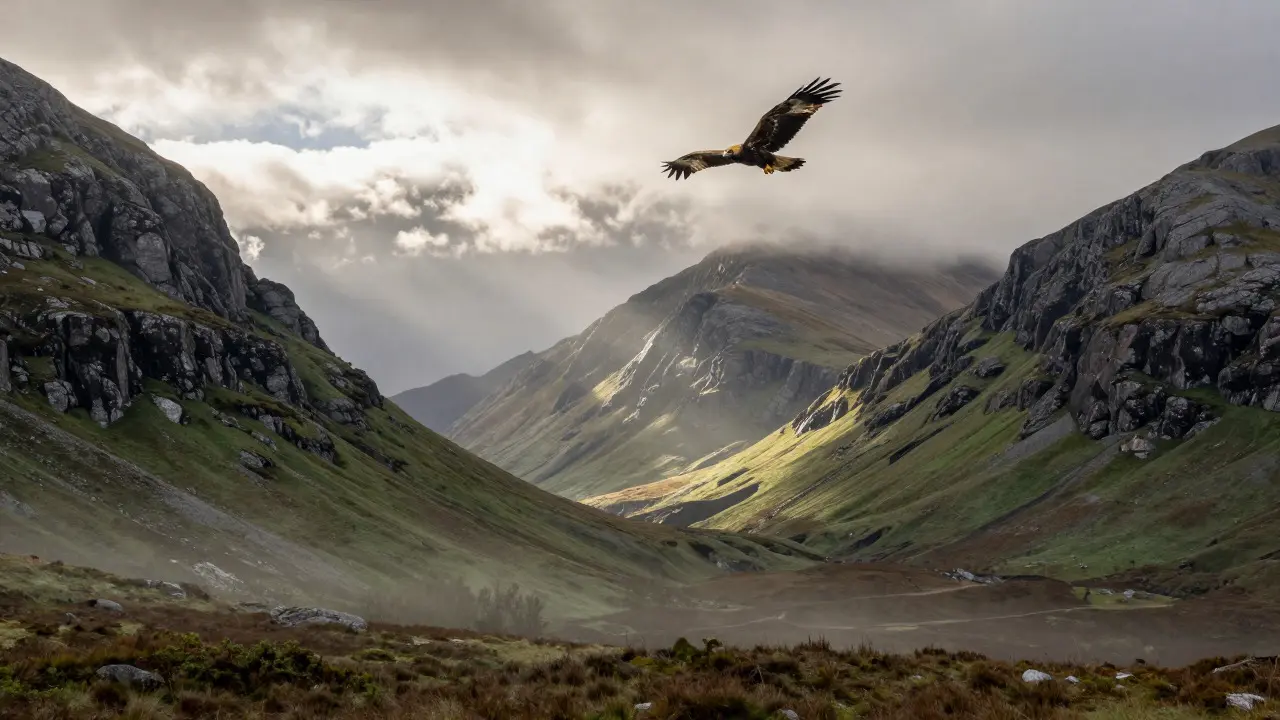
Beinn Eighe is Scotland’s first National Nature Reserve. It’s steeped in history and offers some of the best chances to spot golden eagles. The cliffs here are sheer drops into deep glens, creating perfect hunting grounds. You’ll need sturdy boots and patience. These eagles are shy and spend much of their time soaring high above the treeline.
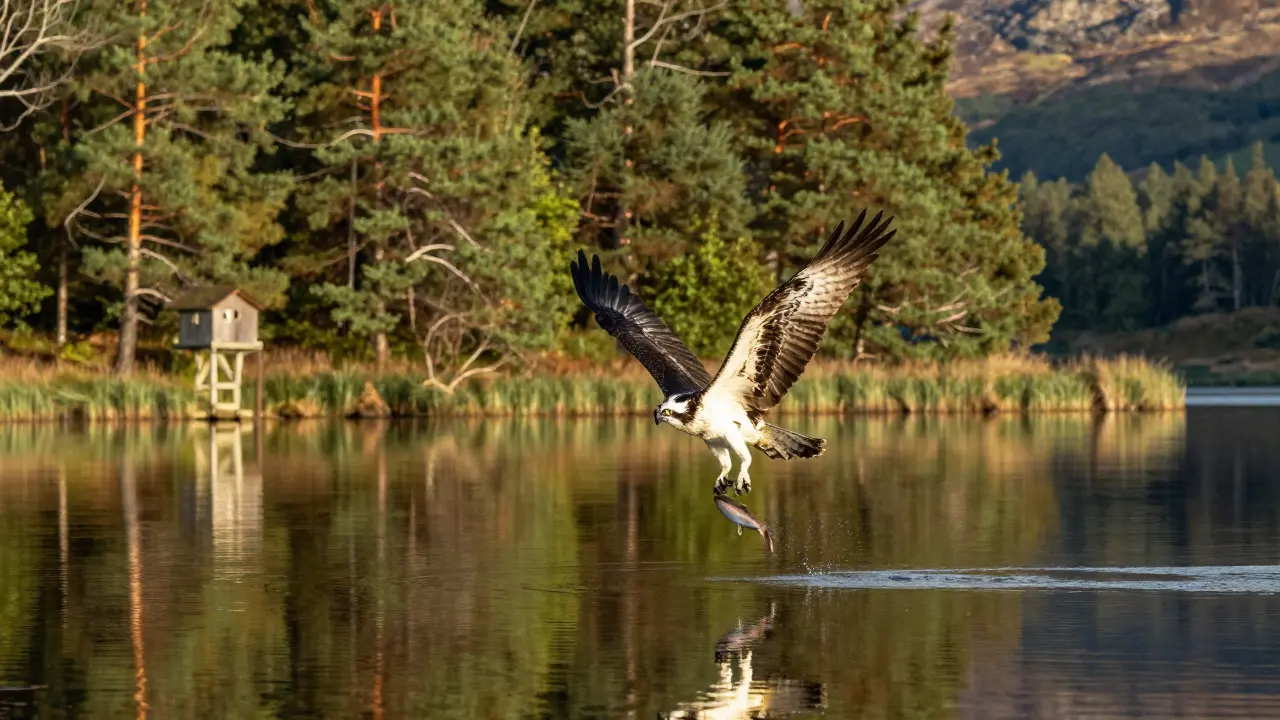
If you prefer water, Loch Garten near Aviemore is a must-visit. It’s famous for its otter viewing hides. Otters are elusive, but the RSPB has built excellent hideouts along the loch where you can sit quietly and wait. In summer, the skies come alive with ospreys diving for fish. The contrast between the still water and the sudden plunge of a bird is unforgettable.
The Islands: Seabird Colonies and Marine Life
Scotland’s islands are world-renowned for seabirds. Places like the Outer Hebrides, Orkney, and Shetland host millions of birds during the breeding season. These aren’t just pretty sights; they’re critical ecosystems.
The St Kilda archipelago is a UNESCO World Heritage Site and a National Nature Reserve. It’s one of the largest seabird colonies in the world. Puffins, gannets, and fulmars nest on the cliffs. Access is limited and requires careful planning, but the reward is seeing nature in its purest form. The isolation has allowed unique species to thrive without human interference.
Closer to the mainland, the Machars Moor in Galloway (though technically south-west, it shares island-like characteristics) is vital for curlews and dunlins. But if you’re heading to the true islands, consider Fair Isle. It’s a key stopover for migratory birds. Birdwatchers from all over the world travel there in autumn to see rare vagrants passing through.
When visiting island reserves, respect the timing. Many seabirds only breed from April to August. Outside this window, the colonies are empty. Also, stick to paths. Nesting birds are easily disturbed, and erosion on fragile cliff edges is a real concern.
The Lowlands and East Coast: Wetlands and Grasslands
Don’t overlook the lowlands. While they lack the vertical drama of the Highlands, they are biodiversity hotspots. Wetlands, grasslands, and coastal marshes support a surprising variety of life.
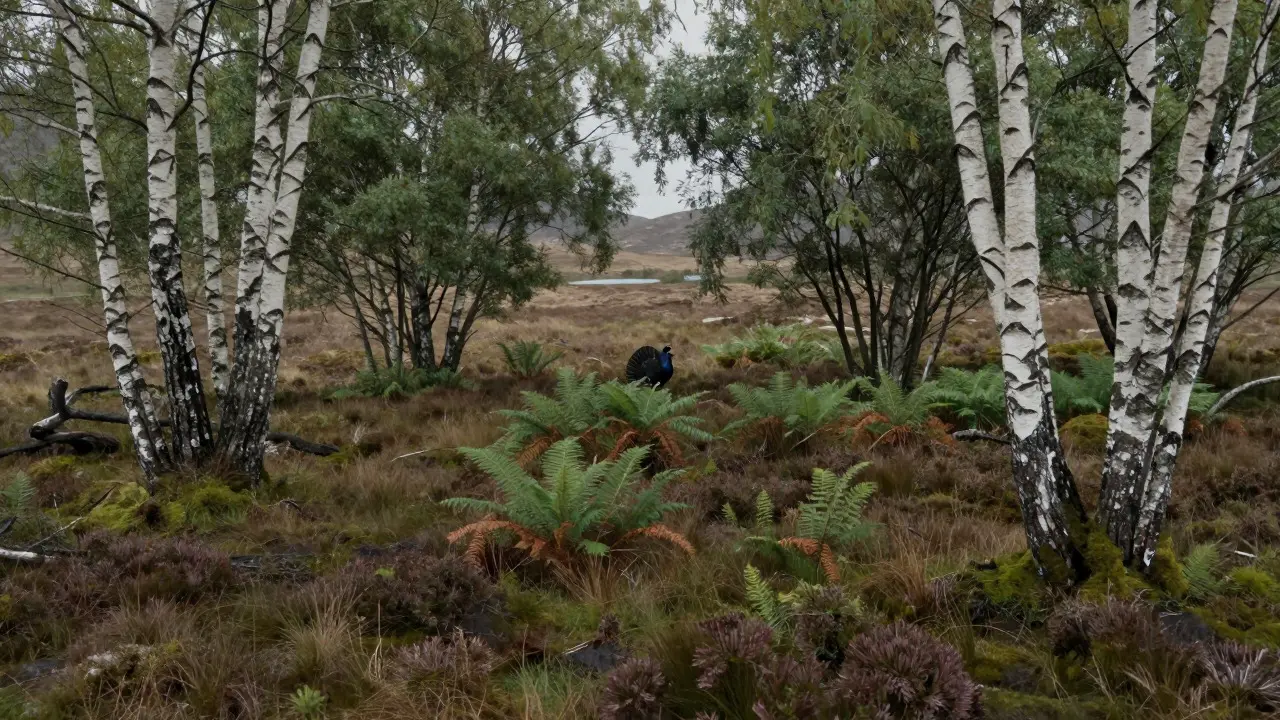
The Flow Country in Caithness and Sutherland is the largest blanket bog in the world. Managed largely by NatureScot and local partners, it’s a carbon sink of global importance. Walking through peatlands feels surreal-soft, spongy ground under a canopy of birch and willow. Look for crossbills, which drill into conifer cones for seeds, and the occasional capercaillie drumming in the spring.
On the east coast, Aberdeen Bay and the surrounding saltmarshes are crucial for wading birds. The RSPB manages several sites here, including Tillytarmont Burn. In winter, thousands of wildfowl gather in the estuaries. It’s a starkly beautiful landscape, especially when fog rolls in off the North Sea.
The South West and Borders: Rivers and Ancient Forests
The south west of Scotland, particularly Dumfries and Galloway, is known as the "Land of Enchantment." It’s greener, softer, and filled with ancient woodlands and fast-flowing rivers.
Galloway Forest Park is a massive area managed by Forestry and Land Scotland, but it contains numerous SSSIs. It’s home to red squirrels, which are rarer than grey squirrels due to competition and disease. The park also hosts dark sky reserves, making it ideal for stargazing after a day of hiking.
In the Borders, the Ettrick Valley offers a mix of farmland and wilder uplands. The RSPB’s Dunragit Moss nearby is a great example of restored wetland habitat. You’ll find snipe, sandpipers, and dragonflies. The river systems here are clean and rich in trout and salmon, attracting anglers and nature lovers alike.
How to Plan Your Visit: Practical Tips
Visiting nature reserves in Scotland requires preparation. The weather changes quickly, and infrastructure can be minimal.
- Check Opening Times: Some reserves have seasonal access. Always check the official NatureScot or RSPB websites before traveling. Gates may be locked outside certain hours to protect nesting animals.
- Dress Appropriately: Waterproof layers are essential. Even in July, rain is common. Sturdy footwear is non-negotiable; paths can be muddy, rocky, or uneven.
- Bring Binoculars: Wildlife is often distant. Good binoculars enhance the experience significantly. Look for models with at least 8x magnification.
- Respect Quiet Zones: Many areas require silence to avoid disturbing animals. Keep voices low and move slowly.
- Pack Snacks and Water: Facilities are scarce. There are rarely cafes or shops inside reserves.
Transportation is another consideration. Public transport to remote reserves is limited. Renting a car gives you flexibility, but drive carefully. Roads can be narrow and winding, with livestock grazing freely.
Why Conservation Matters Now More Than Ever
These reserves aren’t just tourist attractions. They’re lifelines for species facing extinction. Climate change, habitat loss, and pollution threaten Scotland’s natural heritage. Organizations like NatureScot and the RSPB work tirelessly to restore peatlands, replant forests, and control invasive species.
For example, the reintroduction of beavers to parts of Scotland has been controversial but scientifically supported. Beavers create wetlands that benefit other species. Similarly, efforts to reduce sheep grazing pressure in certain areas allow native vegetation to recover.
Your visit supports this work. Entry fees, donations, and even buying guides contribute to conservation funding. Being present raises awareness. When people see the beauty of a red squirrel or hear the call of a curlew, they become advocates for protection.
What is the difference between SNH and NatureScot?
SNH stands for Scottish Natural Heritage, which was the name of the organization until 2020. It was renamed NatureScot to better reflect its role in connecting people with nature. So, when you see older references to SNH, they mean NatureScot today.
Do I need to pay to enter RSPB or NatureScot reserves?
Most NatureScot-managed sites are free to enter. Some RSPB reserves ask for voluntary donations or charge a small fee for parking or access to specific hides. Check the individual reserve website for details. Membership to the RSPB can sometimes cover entry costs.
Are dogs allowed in Scotland's nature reserves?
It depends on the site and the season. During bird nesting season (usually March to August), dogs are often required to be kept on a lead or banned entirely from sensitive areas. Always check signage upon arrival. Fines can be issued for non-compliance.
What is the best month to see wildlife in Scotland?
Spring and early summer (April to June) are generally the best times. Birds are nesting, flowers are blooming, and daylight hours are long. Autumn is good for migration watching, while winter offers opportunities to see hardy species like ptarmigan against snowy backdrops.
Can I camp in nature reserves?
Wild camping is legal in most of Scotland under the Land Reform Act, but it’s restricted within some National Nature Reserves to protect fragile habitats. Always check local regulations. Designated campsites are usually available nearby for a more comfortable stay.