
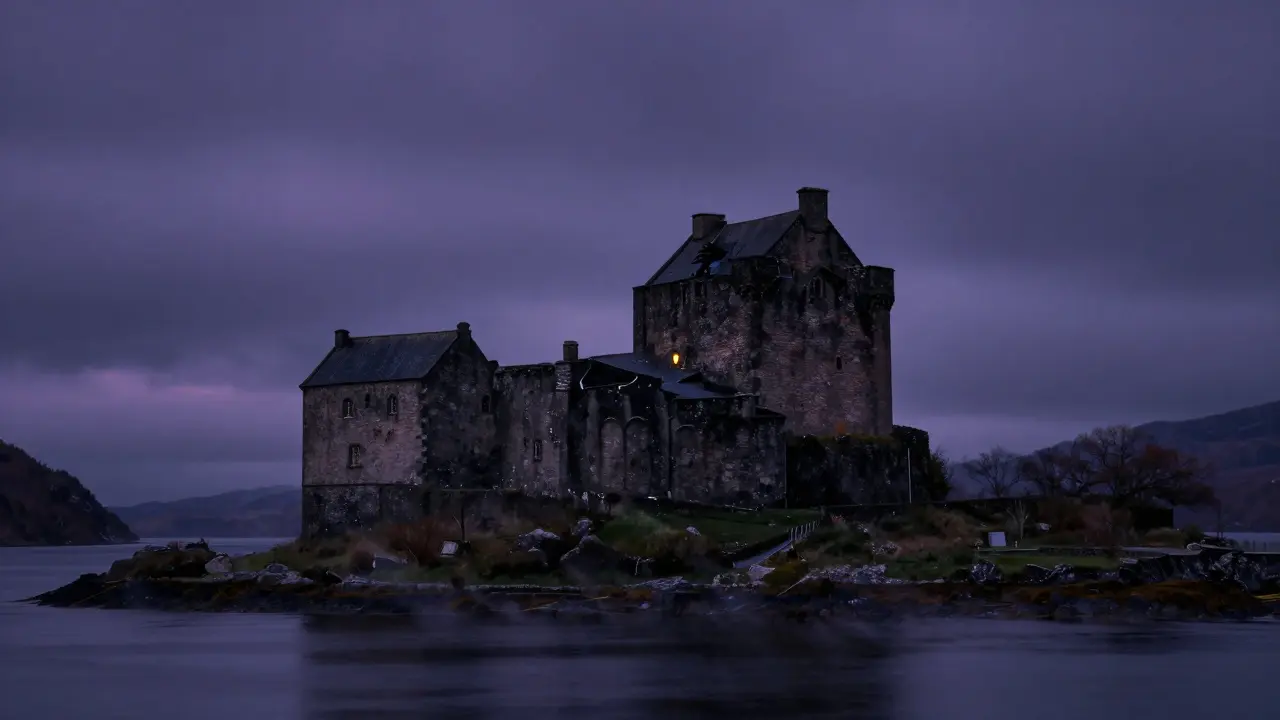
There is a specific kind of cold that settles in the stone walls of an old Scottish fortress. It isn't just the damp air or the lack of central heating; it is a heaviness that makes you check your shoulder before turning around. If you have ever stood in the Great Hall of Eilean Donan Castle a picturesque island castle in the Highlands known for its dramatic setting and alleged hauntings by Mary Queen of Scots' attendants, you know what I mean. The silence there feels like it is holding its breath.
Scotland is not just famous for its whisky and bagpipes; it is arguably the most haunted country on earth. With over 1,500 castles scattered across the landscape, many dating back centuries of bloodshed, betrayal, and tragedy, it is no surprise that the dead rarely leave quietly. For travelers seeking more than just a photo op, these structures offer a chilling glimpse into the past. Whether you are a skeptic looking for thrills or a believer hoping for a sign, knowing which castles hold the strongest legends can transform a standard sightseeing trip into an unforgettable experience.
The Most Famous Haunted Castles in Scotland
Not all castles are created equal when it comes to paranormal activity. Some are quiet ruins; others are active hotspots where guides report equipment failure and visitors claim physical contact. Here are the top locations you need to know about if you want to walk through history-and possibly beyond it.
| Castle Name | Location | Famous Spirit(s) | Type of Experience |
|---|---|---|---|
| Blair Castle | Pitlochry, Perthshire | The White Lady (Mary Stewart) | Guided Ghost Tour & Audio Walk |
| Dunnottar Castle | Aberdeenshire Coast | Black Monk, Red Lady | Self-Guided Exploration at Dusk |
| Slains Castle | Aberdeenshire Coast | Blood Countess, Headless Horseman | Ruins Only (No Official Tours) |
| Edinburgh Castle | Edinburgh City Center | Flora MacDonald, Black Dwarf | Nighttime Events & Guided Tours |
| Craigmillar Castle | Edinburgh South Side | Mary Queen of Scots, Grey Lady | Historical & Paranormal Tours |
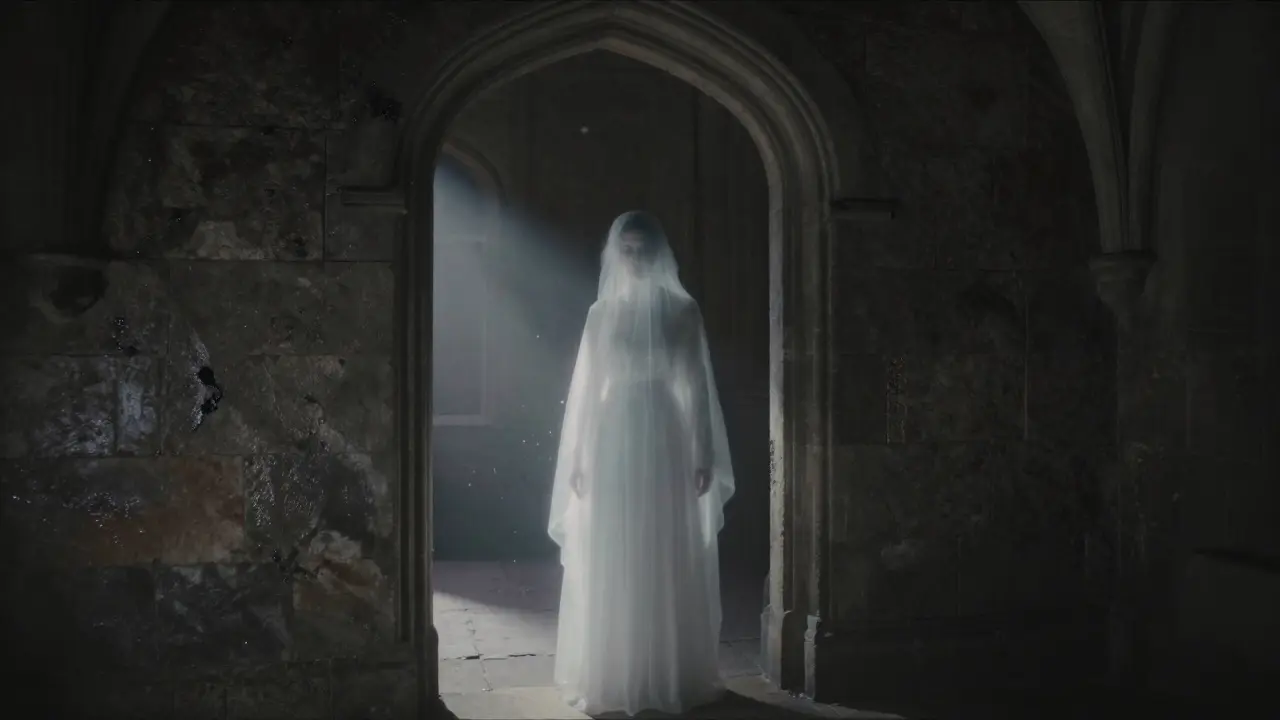
Blair Castle the ancestral seat of the Earls of Moray, located in Pitlochry, famous for its well-documented apparitions including the White Lady is often cited as the most haunted place in Scotland. The legend of the White Lady dates back to the 16th century. She is said to be the spirit of Mary Stewart, who was imprisoned here as a child. Visitors frequently report seeing a woman in white wandering the grounds or hearing her weeping in the gardens. The castle offers dedicated ghost tours that delve deep into these stories, making it a prime destination for those interested in historical hauntings.
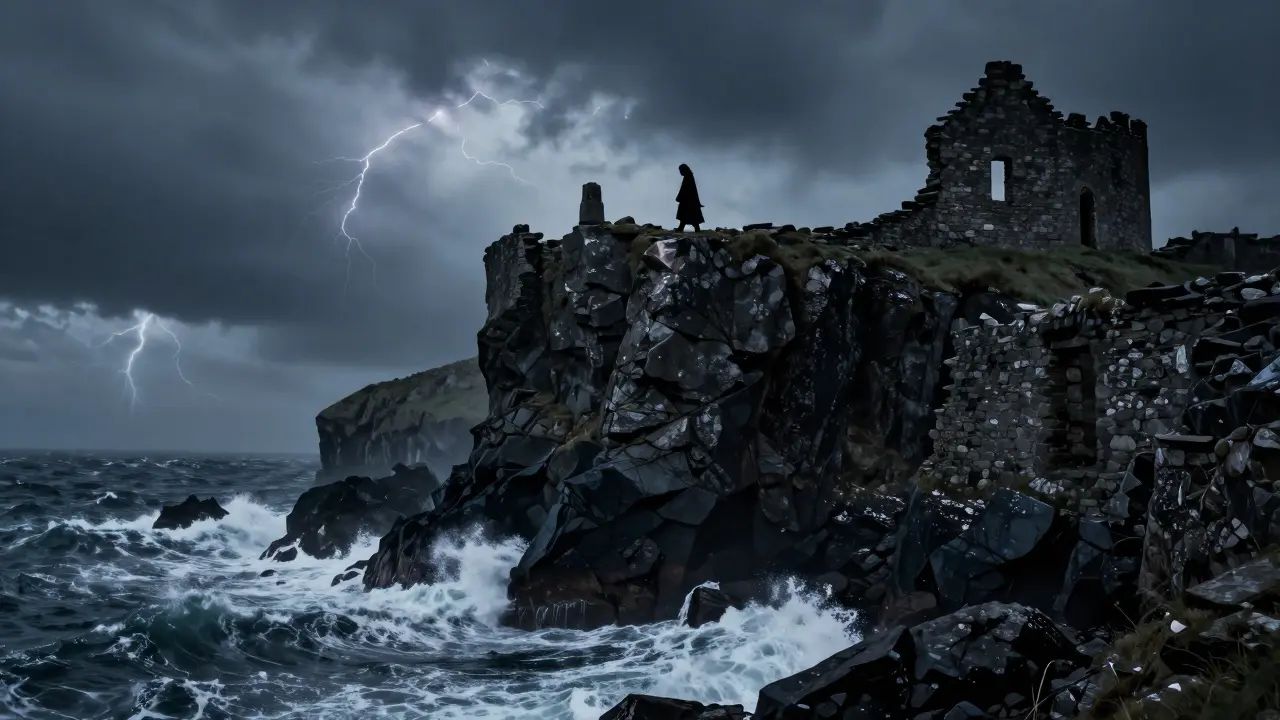
On the east coast, Dunnottar Castle a ruined medieval castle perched on a rocky headland near Stonehaven, known for its dramatic cliffs and legends of the Black Monk and Red Lady provides a different kind of chill. The isolation helps. The wind howling off the North Sea creates a natural soundtrack for the tales of the "Black Monk," a hooded figure seen pacing the ruins, and the "Red Lady," believed to be a victim of violence during the Civil War. Because Dunnottar is largely self-guided, you can choose to explore it at dusk when the shadows lengthen and the atmosphere intensifies.
If you prefer raw, unfiltered history, look no further than Slains Castle a ruined castle on the north-east coast of Aberdeenshire, infamous for murders, executions, and its inspiration for Bram Stoker's Dracula. This place is dark. Literally and figuratively. It served as the inspiration for Bram Stoker’s *Dracula*. The castle has a reputation for extreme malevolence. Stories speak of the "Blood Countess" who allegedly murdered guests, and a headless horseman who rides the perimeter. There are no official tours here because the site is in a state of decay, but locals warn against visiting alone after sunset. The energy here is heavy, oppressive, and distinctly unwelcoming.
Understanding the Legends Behind the Hauntings
To truly appreciate a ghost story, you need to understand the human drama behind it. Scottish castle hauntings are rarely random; they are tied to specific events: battles, betrayals, plagues, and unjust deaths. These narratives form the backbone of the local folklore and give context to the sightings reported today.
One recurring theme is the tragic fate of royalty. Mary, Queen of Scots the controversial monarch of Scotland whose life and imprisonment are linked to several haunted sites including Blair Castle and Craigmillar Castle appears in numerous accounts. At Craigmillar Castle a ruined medieval castle in Edinburgh associated with Mary Queen of Scots and the murder of Lord Darnley, she is said to have plotted the murder of her husband, Lord Darnley. The stress and guilt of this period manifest in reports of a "Grey Lady" wandering the tower rooms. Understanding the political intrigue of the 1500s adds a layer of depth to these encounters. It wasn't just a ghost; it was a queen trapped in her own worst decisions.
Another common motif is the soldier who never came home. Many castles were military strongholds. Edinburgh Castle a historic fortress dominating the skyline of Edinburgh, site of countless battles and home to spirits like Flora MacDonald and the Black Dwarf has seen centuries of conflict. The spirit of Flora MacDonald, who helped Bonnie Prince Charlie escape, is often felt in the castle's prison cells. Her presence is described as comforting rather than frightening, a stark contrast to the aggressive entities found elsewhere. This distinction matters for tourists. Some seek scares; others seek connection. Knowing the emotional tone of a location helps you prepare mentally.
Then there are the domestic tragedies. In smaller baronial homes and lesser-known keeps, stories of jealous spouses, abused servants, and children lost to disease dominate. These tales are often passed down through local families who still live in the surrounding villages. They add a personal, intimate horror that grand battlefields cannot replicate. When a guide tells you about a maid who jumped from a tower rather than face shame, it sticks with you long after you leave the grounds.
Planning Your Night Visit: What to Expect
Visiting a haunted castle at night is fundamentally different from a daytime tour. The lighting changes, the crowds disappear, and the acoustics shift. Sound travels differently in stone corridors when there is no chatter to mask it. Here is how to plan your visit effectively.
- Book in Advance: Popular ghost tours, especially at Blair Castle and Edinburgh Castle, sell out weeks ahead. Do not assume you can walk in. Check the official websites for seasonal schedules. Winter solstice and Halloween periods are particularly busy.
- Dress for the Elements: Scotland does not care about your fashion sense. Even in summer, nights can drop to 10°C (50°F). Wear layers. Waterproof shoes are non-negotiable if you are visiting coastal ruins like Dunnottar or Slains. You will likely be walking on uneven, wet stone.
- Choose Your Guide Wisely: Not all guides are equal. Look for operators who combine historical fact with paranormal investigation. Avoid those who rely solely on cheap jump-scares. Reputable companies like Ghostwalk Edinburgh a popular guided walking tour company offering historical and paranormal experiences in Edinburgh provide detailed narratives that respect the history while exploring the supernatural.
- Bring Recording Equipment: If you are serious about capturing evidence, bring a digital voice recorder or use your smartphone. EMF meters are also useful, though their scientific validity is debated. Many enthusiasts find that recording ambient sound and playing it back later reveals voices or sounds missed in real-time.
- Respect the Site: Remember that these are often active heritage sites or private properties. Do not touch artifacts, do not climb restricted areas, and keep noise levels down unless instructed otherwise. Respect enhances the experience; disrespect ruins it.
Timing is crucial. A tour starting at 7 PM gives you enough light to navigate safely but ensures the sun is down by the time you reach the most atmospheric sections. Moonlight filtering through broken windows creates natural spotlighting effects that enhance the eerie mood without needing artificial lights.
Tips for a Memorable Paranormal Experience
You don't need to be a psychic to have a meaningful experience. However, approaching a haunted location with the right mindset can significantly increase your chances of noticing something unusual. Here are some practical tips based on years of observing both skeptics and believers.
- Silence is Golden: Turn off your phone. Put it on silent mode. The constant buzzing of notifications breaks immersion and distracts from subtle auditory phenomena. Give yourself five minutes of silence upon entering a room. Listen to the baseline sounds of the building.
- Trust Your Gut: Human intuition is powerful. If you feel a sudden drop in temperature, a sense of being watched, or an inexplicable sadness, note it. Write it down immediately. These subjective experiences are valid data points in paranormal research.
- Ask Questions: If you are on a guided tour, ask the guide about specific incidents. "Where did the murder happen?" "Which room was the nursery?" Focusing your attention on a specific spot can sometimes trigger stronger reactions. Intent matters.
- Stay Open-Minded: You don't have to believe in ghosts to enjoy the mystery. Approach it as an exploration of human memory and architecture. Sometimes, the power of suggestion combined with a compelling story is enough to create a profound emotional response. That is still a valuable experience.
- Document Everything: Take photos, record audio, and write journal entries. Compare notes with travel companions afterward. Often, one person hears a whisper while another sees a shadow. Combining perspectives builds a richer narrative.
Also, consider the season. Autumn and winter offer shorter days and longer nights, perfect for spooky ambiance. But spring brings mist and fog, which can make ruins appear even more ethereal. Summer nights are warmer but brighter, which might reduce the visual impact of certain phenomena. Choose based on your preference for comfort versus atmosphere.
Safety and Practical Considerations
While chasing ghosts is thrilling, safety must always come first. Many of these castles are ancient structures with inherent risks. Broken glass, loose stones, and steep drops are real hazards. Always stay on marked paths. Never venture off-limits areas, especially at night. Visibility is poor, and rescue services may take hours to reach remote locations like Slains or Dunnottar.
Check weather forecasts rigorously. Coastal winds can knock you off balance. Rain makes stone incredibly slippery. If conditions are severe, postpone your visit. No ghost story is worth a broken ankle. Additionally, inform someone outside your group of your itinerary and expected return time. Basic precautions apply doubly in isolated rural settings.
Finally, be aware of local regulations. Some ruins are protected monuments. Vandalism or removal of any material is illegal and heavily fined. Treat these places with the reverence they deserve. They are not just playgrounds for thrill-seekers; they are monuments to complex histories.
Are the ghost stories in Scottish castles true?
There is no scientific proof of ghosts. However, thousands of people report consistent experiences at specific locations. Whether these are psychological responses, environmental factors, or genuine paranormal activity is up to individual interpretation. The stories themselves are historically rooted and culturally significant.
Which castle has the most active hauntings?
Blair Castle is widely considered the most haunted due to the frequency and consistency of reports involving the White Lady. Edinburgh Castle and Slains Castle also rank highly for intensity of activity, though Slains is more dangerous to access.
Can I visit haunted castles alone at night?
It is strongly discouraged. Most castles close to the public after dark. Those that allow evening access usually require guided tours. Visiting ruins alone at night poses significant safety risks due to terrain and isolation. Always go with a group or hire a professional guide.
What should I wear on a ghost tour?
Wear comfortable, waterproof walking shoes and layered clothing. Temperatures inside stone buildings are colder than outside. Bring a jacket, gloves, and a hat if possible. Avoid high heels or sandals, as floors are often uneven and slippery.
Do I need to book ghost tours in advance?
Yes, especially during peak tourist seasons (May to September) and around Halloween. Popular tours at Blair Castle and Edinburgh Castle sell out quickly. Booking online ensures you secure a spot and allows you to choose preferred time slots.