
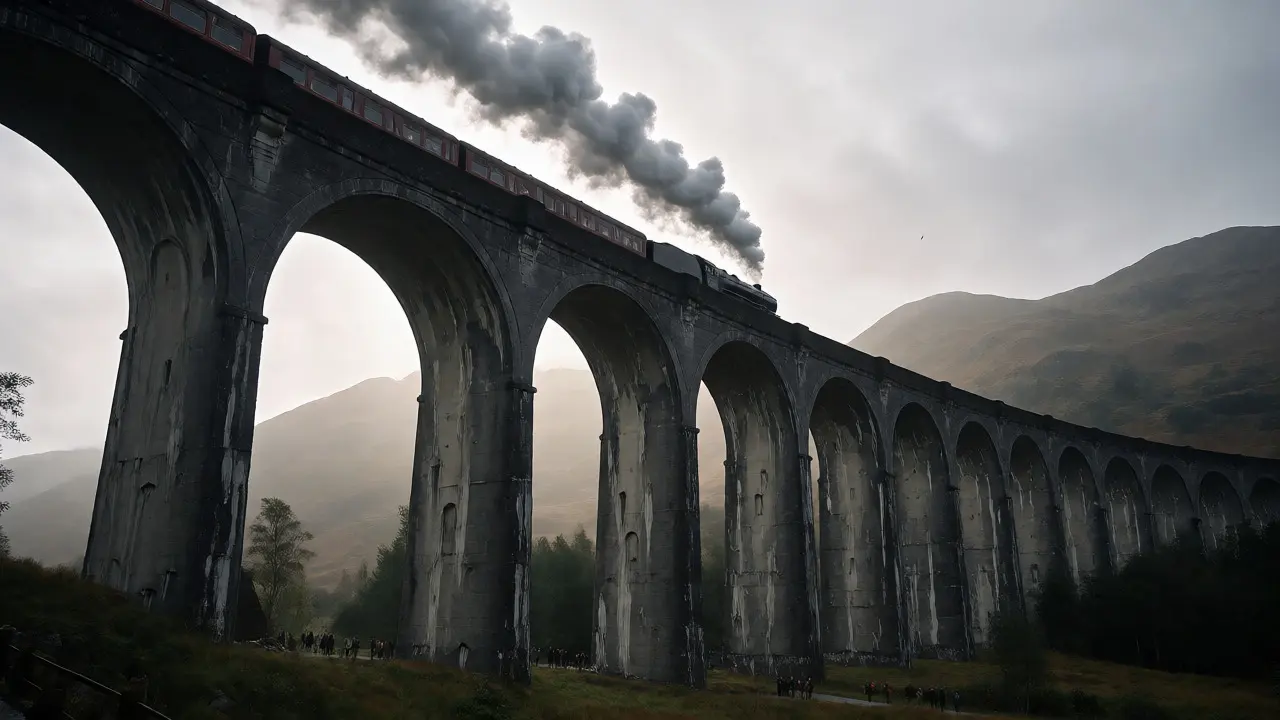
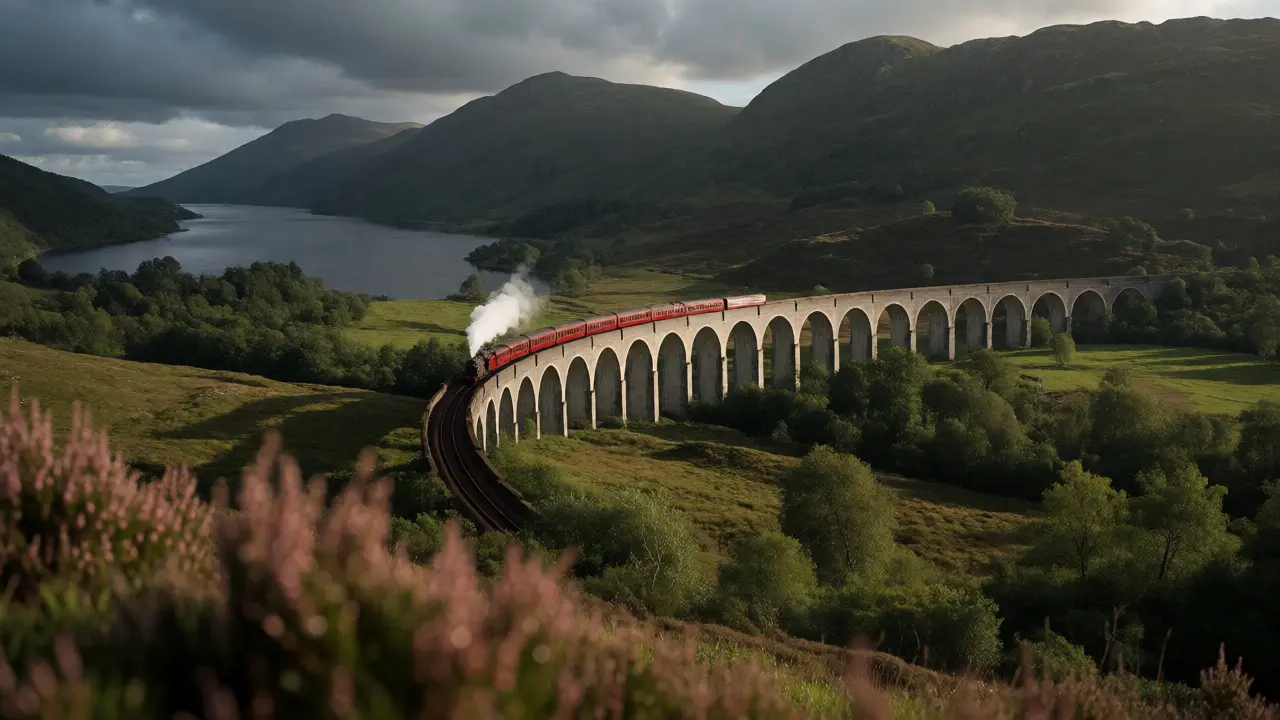
You’ve seen the shot a thousand times. The black steam locomotive chugging across a curved stone bridge, smoke billowing into the Scottish sky, with misty mountains in the background. It’s iconic. It’s magical. And if you’re standing on the wrong side of the road trying to get that photo while dodging tour buses, it’s also incredibly frustrating.
The Glenfinnan Viaduct is more than just a backdrop for Harry Potter fans; it’s a marvel of Victorian engineering and a gateway to the wild beauty of the West Highlands. But here’s the thing most guides don’t tell you upfront: getting the perfect view requires timing, patience, and knowing exactly where to stand. This isn’t just about spotting the train; it’s about navigating one of Scotland’s most popular, yet tricky, tourist spots without losing your mind or your wallet.
Why Everyone Flocks to Glenfinnan
Let’s be real. For many visitors, the primary draw is the Jacobite Steam Train, famously known as the Hogwarts Express. Seeing the red or green engine cross the viaduct feels like stepping onto a movie set. But the site offers much more than film nostalgia. The viaduct itself is a concrete-and-stone structure built between 1897 and 1901 by engineer Robert McAlpine. It carries the railway over the River Finnan at a height of 30 meters (100 feet) and stretches 380 meters long. That’s twenty-one arches of pure industrial grit set against some of the most dramatic scenery in Europe.
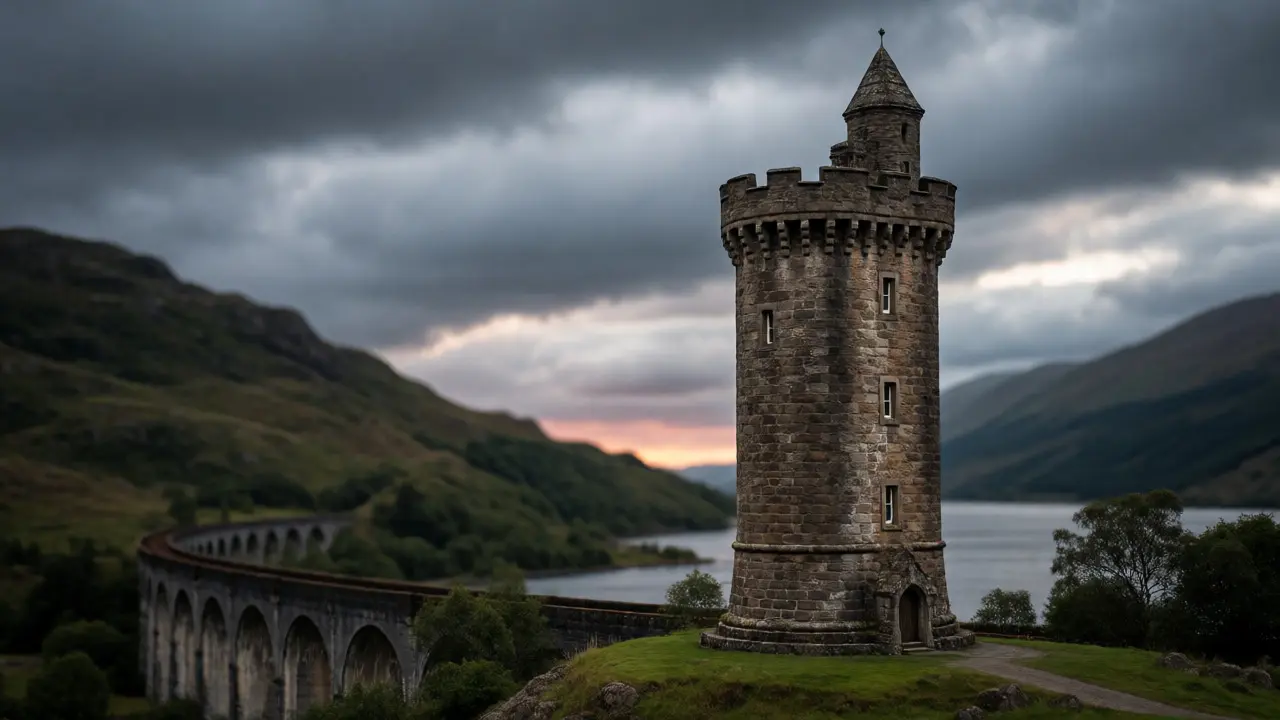
Then there’s the Glenfinnan Monument, a solitary tower perched nearby. Erected in 1815, it commemorates the Highlanders who fought-and died-for Charles Edward Stuart (Bonnie Prince Charlie) during the 1745 Jacobite Rising. Standing next to it, looking out over Loch Shiel, you get a sense of the weight of history that hangs heavy in these glens. Whether you’re here for the magic or the martyrs, the experience is visceral.
Nailing the Steam Train Schedule
This is where trips go wrong. People arrive expecting a train every hour, only to wait four hours for nothing. The Jacobite service doesn’t run year-round, and even when it does, the schedule shifts based on the season and demand. In 2026, the main operational window typically runs from April through October, with peak services in summer.
Most days feature two crossings: one heading westbound from Fort William to Mallaig in the morning, and one returning eastbound from Mallaig to Fort William in the afternoon. However, extra services are often added during school holidays and bank weekends. You cannot rely on old blog posts from 2019. Always check the official ScotRail or West Coast Railways website closer to your date. If you miss the crossing, you’ll still have the stunning views, but the "magic" moment will be gone.
| Direction | Approximate Departure | Viaduct Crossing Time | Best Viewing Position |
|---|---|---|---|
| Fort William to Mallaig (Westbound) | 10:15 AM | ~11:00 AM - 11:15 AM | North Side (Roadside) |
| Mallaig to Fort William (Eastbound) | 2:00 PM | ~3:30 PM - 3:45 PM | South Side (Hilltop) |
Note: These times are indicative for high season. Always verify specific dates.
The Great Viewpoint Debate: Roadside vs. Hilltop
There are two main ways to see the viaduct, and they offer completely different experiences. Choosing the right one depends on what kind of photographer or traveler you are.
The Roadside Viewpoint: This is the easy option. You park near the visitor center, walk a few minutes down to the car park area adjacent to the road, and boom-you’re there. You can see the underside of the arches and look up at the train as it passes directly overhead. It’s great for feeling the rumble of the engine and hearing the whistle echo off the valley walls. The downside? It’s crowded. Tour buses unload dozens of people at once, and getting an unobstructed shot requires jostling for position. Plus, you’re looking up, which distorts perspective unless you have a wide-angle lens.
The Hilltop Viewpoint (The Classic Shot): This is the angle from the movies. To get here, you need to hike. From the main car park, follow the path uphill towards the monument. Keep going past the monument, following the well-trodden trail until you reach the ridge overlooking the viaduct. It takes about 15-20 minutes of moderate walking. The reward is a panoramic view of the entire curve of the bridge, the train cutting through the landscape, and Loch Shiel stretching into the distance. This is where you get the postcard-perfect image. But be warned: this spot gets packed too. Arriving 30 minutes before the scheduled crossing is essential if you want space to set up a tripod.
Parking Nightmares and How to Beat Them
If there’s one thing that ruins a Glenfinnan visit, it’s the parking situation. The National Trust for Scotland manages the main car park, and it fills up fast-often by 9:30 AM in July and August. Once it’s full, you’re stuck waiting for spaces to open up, or worse, trying to find roadside parking further away.
Here’s the pro tip: Arrive early or stay late. If you’re chasing the morning train, aim to be parked by 9:00 AM. If you’re there for the afternoon train, consider arriving after the morning crowd leaves (around 12:30 PM), though this is riskier as afternoon traffic builds up again.
Another strategy is using the shuttle bus system. During peak season, the NTS often operates a park-and-ride scheme from overflow car parks located a mile or so away along the A830. It sounds annoying, but it saves you from circling the main lot for forty minutes. Check signs upon approach; if the main car park shows "Full," pull into the designated overflow areas immediately rather than pushing forward.
Beyond the Bridge: Exploring the Surroundings
Don’t treat Glenfinnan as a ten-minute stop. The surrounding area deserves time. After you’ve snapped your photos, take the short walk down to the shore of Loch Shiel. The water is dark, deep, and eerily calm, reflecting the rugged peaks of the Mamores range. It’s a peaceful contrast to the bustling viewpoint above.
Inside the visitor center, there’s a small exhibition detailing the construction of the railway and the story of the 1745 uprising. It’s brief but informative, especially if you’re traveling with kids who might not grasp why a stone tower matters. The gift shop sells decent souvenirs, including locally made woolens and whisky, which makes for good gifts if you’re pressed for time elsewhere in the Highlands.
If you have more time, drive another 20 minutes west to Arisaig. Known as the "Sunset Coast," it offers white sand beaches that rival the Caribbean (if the weather cooperates). Or head north toward Fort William to tackle Ben Nevis, the highest mountain in the UK. Glenfinnan serves as a perfect midpoint break on any West Coast loop.
Practical Tips for Your Visit
- Dress for Weather: The Highlands are notorious for changing conditions. Even if it’s sunny when you leave Fort William, rain and wind can hit Glenfinnan suddenly. Wear layers and waterproof boots, especially if you plan to hike to the hilltop viewpoint.
- Cashless Payments: Most facilities accept cards, but having some change for smaller vendors or tips never hurts. Note that car park fees must usually be paid via app or card at machines.
- No Drones Without Permits: Flying drones over the viaduct is restricted due to safety and privacy concerns. If you’re serious about aerial shots, check current NTS regulations beforehand.
- Respect Locals: Many residents live along the single-track roads leading to Glenfinnan. Drive slowly, use passing places responsibly, and don’t block driveways.
Frequently Asked Questions
Is the Glenfinnan Viaduct free to visit?
Yes, visiting the viewpoints and the monument is free. However, parking at the main car park costs money. Fees vary by vehicle size and duration, typically ranging from £5 to £10 for cars. There is no entry fee for the outdoor areas themselves.
How far is the walk to the best photo spot?
The classic hilltop viewpoint is about a 15-20 minute walk uphill from the main car park. The path is well-defined but can be muddy after rain. The roadside viewpoint is accessible within 2-5 minutes of the car park exit.
Can I ride the Jacobite Steam Train?
Yes, you can book tickets to ride the train yourself. Tickets sell out months in advance for summer dates. Riding the train gives you a unique perspective, but note that the train moves quickly across the viaduct, so you won’t have time to step off for photos unless you’re doing a multi-day itinerary.
What is the best time of day for photography?
For the classic side-profile shot, the afternoon return journey (Mallaig to Fort William) is often preferred because the light hits the front of the train better. Morning light can be harsher or create backlighting issues depending on cloud cover. Golden hour around sunset rarely aligns with train schedules, so stick to the scheduled crossings.
Are there toilets at Glenfinnan?
Yes, there are public toilets available at the visitor center near the main car park. They are maintained regularly but can get busy during peak tourist seasons. Plan accordingly if you’re hiking to the upper viewpoints.