
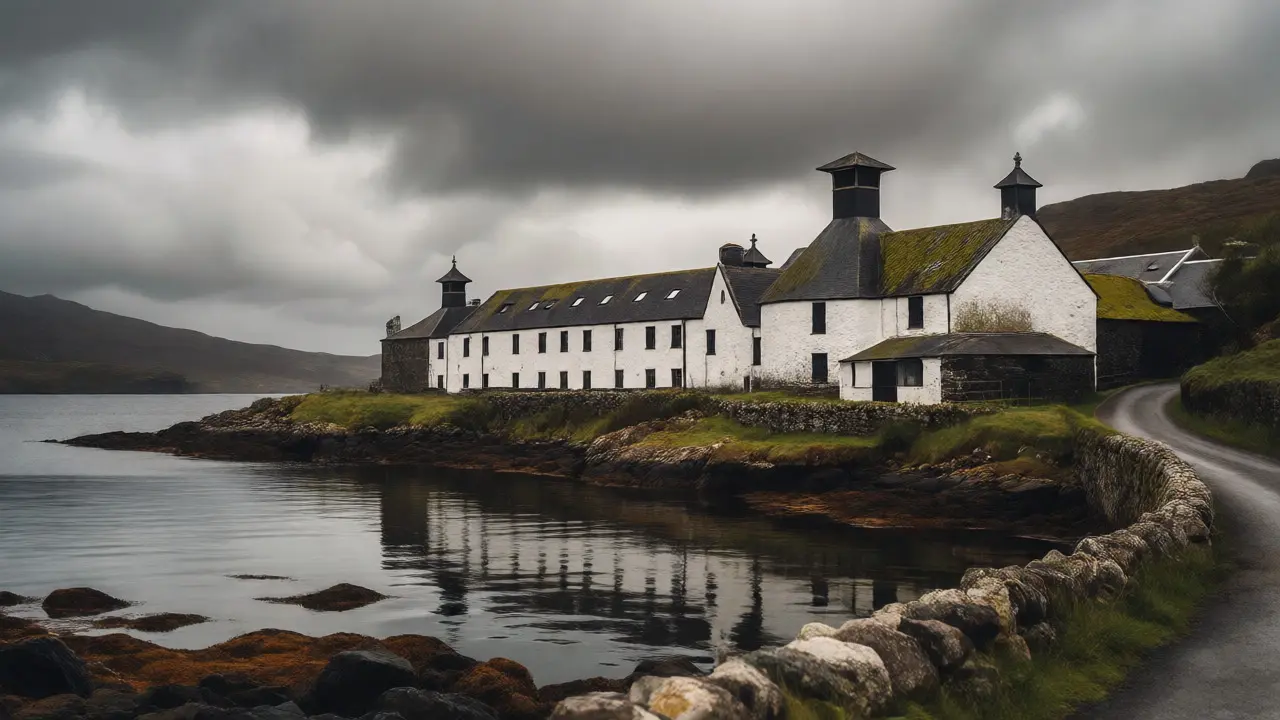
Standing on the shores of Loch Indaal, Bowmore Distillery is one of the oldest licensed distilleries in Scotland. Founded in 1779, it sits right in the heart of the village that shares its name on the island of Islay. If you are planning a trip to the Whisky Island, this place isn't just another stop; it is a living museum of production techniques that have survived centuries of change. You aren't just coming here to drink. You are coming to see how smoke, salt, and time turn barley into liquid gold.
Why Bowmore Matters to Islay’s Identity
Islay has eight active distilleries, but Bowmore holds a unique spot. It is the only one located within a town center. This means the smell of peat smoke mixes with the scent of fish and chips from the local chippie. The distillery produces roughly 1.5 million liters of spirit annually, a modest amount compared to giants like Glenfiddich, but significant for an island producer. What makes it special is not just the volume, but the consistency of its character. The water comes from Laggan Dam, filtered through granite and peat, giving the new make spirit its distinct mineral edge before it even hits the cask.
The location dictates the flavor. Islay’s climate is maritime-wet, windy, and mild. This affects how whisky matures. In mainland Highlands, maturation is slower. Here, the high humidity and constant sea breeze mean angels’ share (the evaporation loss) is higher, often reaching 2-3% per year compared to 1-2% inland. But this interaction accelerates the extraction of wood tannins and vanillin. When you taste a 12-year-old Bowmore, you are tasting the Atlantic Ocean as much as you are tasting oak.
The Bowmore Experience: Tour Options Explained
You cannot visit Bowmore without booking ahead. Walk-ins are rare, especially during peak tourist seasons in summer. The distillery offers several tiers of experiences, each designed for different levels of interest and budget. Choosing the right one depends on whether you want a quick overview or a deep dive into the chemistry of fermentation.
| Tour Name | Duration | Key Features | Best For |
|---|---|---|---|
| The Classic Bowmore Tour | 45 Minutes | Visit to the pagoda, warehouse tour, tasting of 3 whiskies (12yr, Vaulted, etc.) | First-time visitors, families, general tourists |
| The Heritage Tour | 60 Minutes | Deeper history focus, access to older warehouses, tasting of 4 premium expressions | History buffs, serious whisky fans |
| The Masterclass | 90 Minutes | Blending session, nosing exercises, comparison of cask types, limited group size | Enthusiasts wanting hands-on learning |
| The Bowmore Vault Experience | Variable | Private tasting in No.1 Vaults, exclusive bottlings available | Collectors, corporate groups, special occasions |
Most people start with the Classic Tour. It covers the basics: malting, mashing, fermentation, and distillation. You will walk past the six copper pot stills, named after historical figures associated with the distillery. Seeing them up close reveals their swan necks and lyne arms, crucial for reflux control. The guides explain how the shape of these stills creates the lighter, fruitier notes that balance the heavy peat smoke. It is a sensory experience-you hear the clank of metal, feel the heat radiating from the washbacks, and smell the yeast working its magic.
Inside the No.1 Vaults: The Heart of Maturation
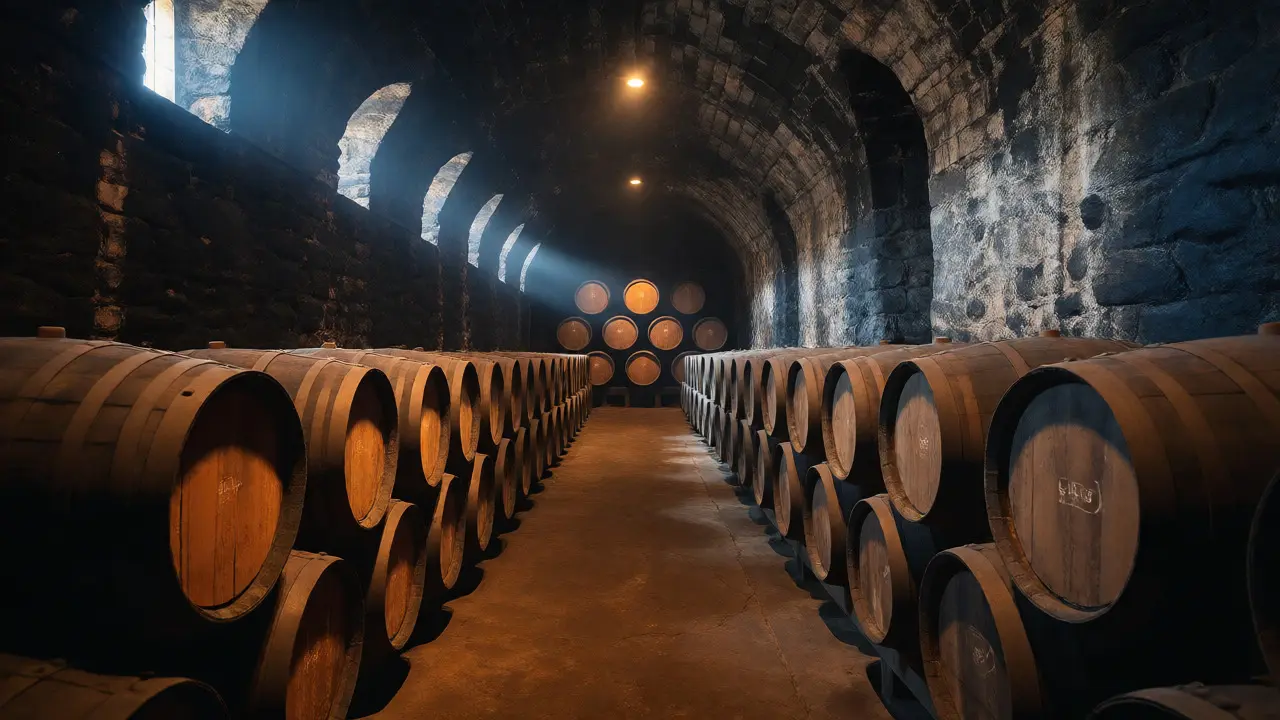
If there is one room you must insist on seeing, it is the No.1 Vaults. Located directly under the main warehouse, these stone vaults were built in 1779. They sit just meters from the sea wall. During high tides, seawater can seep into the lower levels, adding a literal splash of brine to the environment. This is where some of the oldest stock rests. The temperature remains stable, hovering around 10-12°C year-round due to the thick stone walls and proximity to the loch.
In these vaults, you will find sherry butts and bourbon barrels stacked floor to ceiling. The air is thick with alcohol vapor and damp earth. Guides often point out specific casks marked with dates going back decades. Some contain single cask bottlings reserved for private clients. Standing there, you realize that whisky making is mostly waiting. The distiller’s job ends at the still; the rest belongs to the wood and the weather. The No.1 Vaults are a testament to patience. A cask filled in 1990 might not be bottled until 2026, having lost nearly half its volume to evaporation while gaining complexity.
Traditional Methods: Floor Malting and Peat Smoke
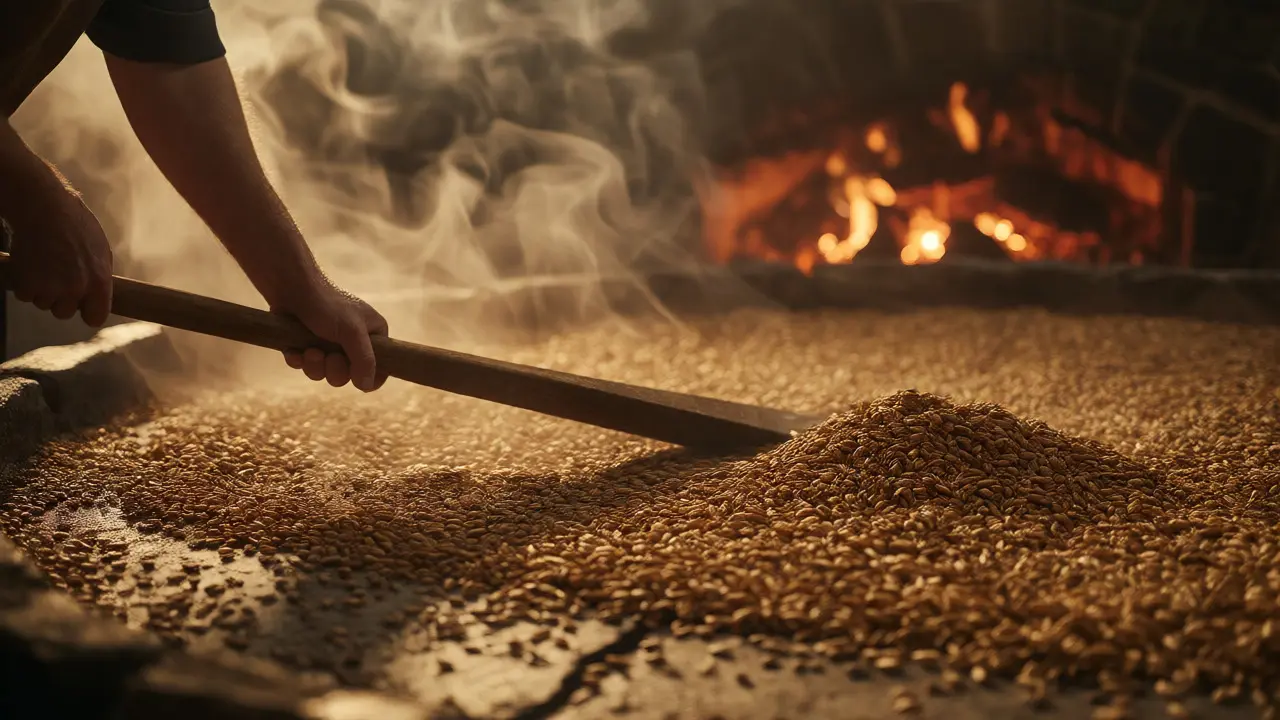
While many modern distilleries buy pre-malted barley from commercial maltsters, Bowmore still maintains a small degree of traditional floor malting capability. Although they primarily source malted barley externally now to meet demand, the process remains central to their identity. Barley is soaked in water until it germinates, spreading rootlets called acrospires. Then, it is dried over a fire burning locally sourced peat.
The peat used comes from bogs near Port Ellen. Burning it releases phenols, which attach to the grain. The level of phenol content determines the "peatiness" of the final whisky. Bowmore aims for a medium level, typically between 20-25 ppm (parts per million). This is less than the aggressive 40+ ppm found in Ardbeg or Lagavulin, but more than the unpeated styles of Speyside. This middle ground allows the floral and fruity esters from fermentation to shine through the smoke. It is a delicate balance. Too much smoke masks the spirit; too little loses the Islay signature.
Fermentation takes place in Oregon pine washbacks. These wooden vessels harbor wild yeasts that contribute to the complex ester profile. Stainless steel tanks are cleaner but produce a sharper, simpler spirit. By sticking to wood, Bowmore retains a creamy texture in the new make spirit. After two days, the wash turns into a beer-like liquid with about 8% ABV. This low-alcohol wash is then distilled twice in the copper pot stills. The first run strips out impurities; the second run cuts the heads and tails, keeping only the heart-the purest, most flavorful fraction.
Practical Tips for Your Visit
Getting to Bowmore requires some planning. Islay is remote. Ferries from Kennacraig take two hours, and flights from Glasgow take 45 minutes. Once on the island, renting a car is essential. Public transport is sparse and unreliable for hitting multiple distilleries in a day. Bowmore is centrally located, making it a good base camp. From here, you can reach Laphroaig, Lagavulin, and Caol Ila within a 20-minute drive.
- Book Early: Tours sell out weeks in advance, especially July and August. Check the official website for availability.
- Dress Warmly: Even in summer, the wind off Loch Indaal is cold. Warehouses are chilly and damp. Bring layers.
- Designate a Driver: Tasting involves alcohol. If you plan to visit other distilleries, consider hiring a driver or using local taxi services.
- Try the Cask Strength: If offered, sample a cask strength expression. It shows the raw power of the spirit before dilution.
- Explore the Village: Bowmore village has pubs, restaurants, and shops. Stay for dinner. The seafood is fresh, caught daily from the loch.
Don’t rush. The distillery shop offers exclusive bottlings not found elsewhere. Buying a bottle here supports the local economy and gives you a tangible memory of the visit. Prices vary, but expect to pay £40-£60 for standard editions and significantly more for aged or limited releases. Negotiation isn’t common, but asking about upcoming releases can sometimes yield insider tips on what to watch for.
Beyond the Bottle: Food Pairings and Local Context
Whisky is food. Pairing it correctly enhances both the drink and the meal. Bowmore’s medium peat and citrus notes pair exceptionally well with smoked salmon, oysters, or strong cheeses like Stilton. Avoid pairing heavily peated whiskies with delicate white fish; the smoke overwhelms the subtle flavors. Instead, try them with rich, fatty meats or dark chocolate. The fat coats the palate, allowing the complex aromas of the whisky to unfold slowly.
The broader context of Islay tourism is changing. More visitors are seeking authentic experiences over mass-market attractions. Bowmore fits this trend perfectly. It feels industrial yet intimate. You can see the workers loading casks, smell the drying malt, and talk to the distillers. It is not a polished theme park; it is a working factory. This authenticity appeals to travelers who want to understand the craft, not just consume the product. As sustainable tourism grows, supporting independent producers like Bowmore helps preserve local jobs and traditions against the pressures of global conglomerates.
Do I need to book a tour in advance?
Yes, absolutely. Bowmore tours are very popular, particularly between May and September. Slots often fill up weeks or even months ahead. While occasional last-minute cancellations occur, relying on them is risky. Booking online via the official Bowmore website guarantees your spot and ensures you get the tour type you prefer.
Is Bowmore Distillery accessible for people with mobility issues?
Accessibility varies by tour. The main visitor center and gift shop are wheelchair accessible. However, some older areas, including parts of the No.1 Vaults and certain warehouse sections, involve stairs or uneven surfaces. It is best to contact the distillery directly before booking if you have specific mobility concerns. They may offer alternative routes or virtual viewing options for restricted areas.
Can I buy whisky directly from the distillery?
Yes, the Bowmore Visitor Centre has a well-stocked shop. They carry the standard range (12, 15, 18 years old), limited editions, and exclusive distillery-only bottlings. Prices are competitive, though shipping costs apply if you are buying large quantities for delivery outside Scotland. Purchasing here also ensures freshness and authenticity, avoiding potential supply chain issues.
What is the difference between the Classic and Heritage tours?
The Classic Tour (45 mins) covers the core production process and includes three tastings. The Heritage Tour (60 mins) delves deeper into the history of the building and the village, visits additional storage areas, and includes four tastings, often featuring rarer or older expressions. Choose Heritage if you are interested in the architectural and social history alongside the whisky itself.
Are children allowed on the tours?
Children are welcome on most tours, but they do not participate in the whisky tastings. They usually receive a non-alcoholic soft drink or juice instead. Note that the environment can be noisy and hot near the stills, so young children might find it overwhelming. Supervision is required at all times for safety reasons.