
You’ve probably heard of Edinburgh’s castle or the Highlands’ lochs, but have you ever walked through a landscape where more than 150 castles dot the countryside like medieval breadcrumbs? That’s Aberdeenshire is a historic council area in North East Scotland known for its dense concentration of castles, rugged coastline, and the granite-built city of Aberdeen. It’s not just another Scottish region; it’s a place where history feels tangible, where the sea air smells of salt and old stone, and where you can drive from a 12th-century fortress to a modern oil hub in under an hour.
If you’re planning a trip here, you might feel overwhelmed by the sheer number of options. Do you stick to the coast? Chase castles inland? Or spend all your time in the city? This guide cuts through the noise. We’ll walk you through the essential stops, how to connect them efficiently, and what makes this corner of Scotland different from the tourist-heavy West Coast.
Why Aberdeenshire Deserves Your Attention
Most visitors skip Aberdeenshire on their way to Inverness or the Isle of Skye. That’s a mistake. While the Highlands offer dramatic mountains, Aberdeenshire offers something rarer: accessibility to deep history without the crowds. The region holds one of the highest densities of castles in Europe. According to Historic Environment Scotland, there are over 150 recognized castles and fortified houses within the county boundaries alone.
Beyond the stones, there’s the geography. You get the North Sea coast, which is wilder and less polished than the Atlantic coast, plus the fertile agricultural lands of the northeast. And then there’s Aberdeen itself, often called the "Granite City" because nearly every major building is constructed from local grey granite. This isn’t just aesthetic; it reflects the region’s industrial heritage, from fishing to farming to oil.
The Aberdeenshire Castle Trail: A Practical Route
You don’t need to see all 150 castles. In fact, trying to do so would leave you exhausted and broke. Instead, focus on the core cluster that forms the unofficial "Castle Trail." This route typically connects Dunnottar Castle, Fyvie Castle, Craigievar Castle, and Balmoral Castle (technically in Aberdeenshire until 2024 boundary changes, but still culturally linked).
| Castle Name | Best For | Visit Duration | Access Notes |
|---|---|---|---|
| Dunnottar Castle | Dramatic ruins & photography | 1-2 hours | Steep path; wear sturdy shoes |
| Fyvie Castle | Interior tours & gardens | 2-3 hours | Guided tours only; book ahead |
| Craigievar Castle | Fairy-tale architecture | 1 hour | Limited parking; arrive early |
| Braemar Castle | Royal family connection | 1.5 hours | Seasonal opening (Apr-Oct) |
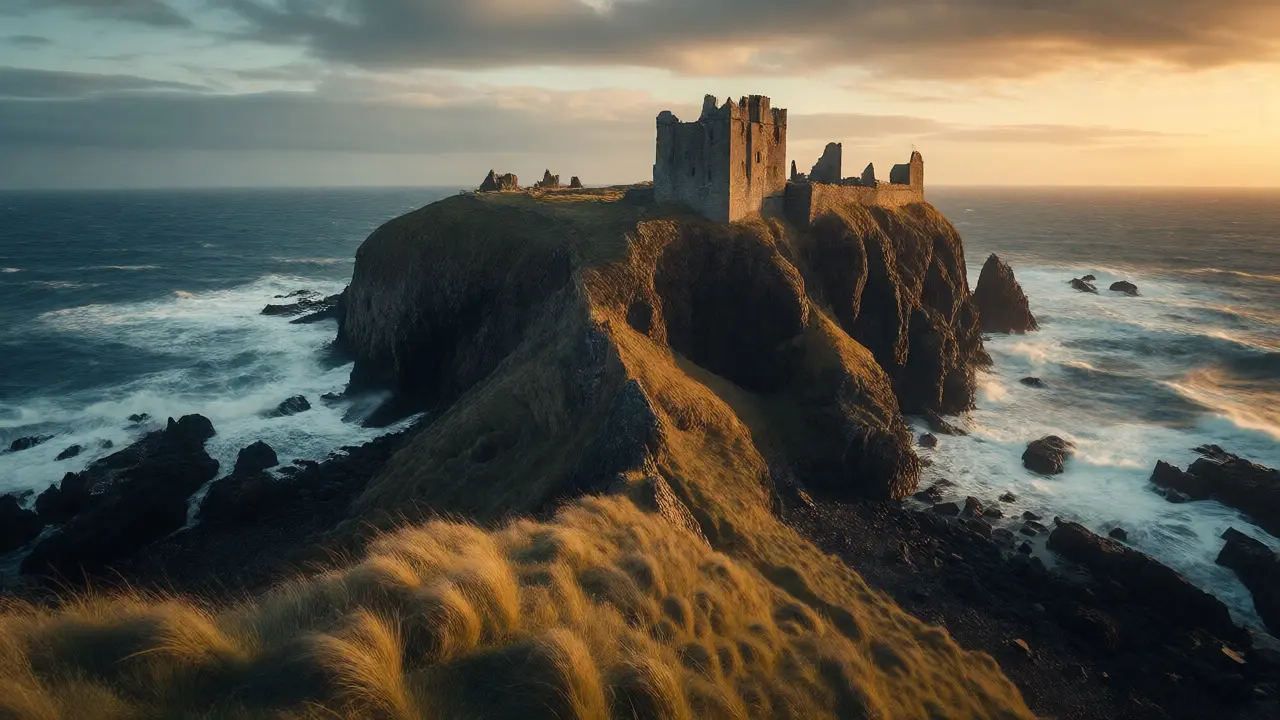
Dunnottar Castle is a ruined medieval fortress perched on a rocky headland near Stonehaven. It’s arguably the most photographed site in the region. Why? Because it looks like it defies gravity. Built on a narrow peninsula, it was besieged multiple times during the Covenanting Wars. Today, you pay around £9 for adults (as of 2026 pricing trends), and you climb a steep path to reach the ruins. Go at sunrise if you want photos without people.
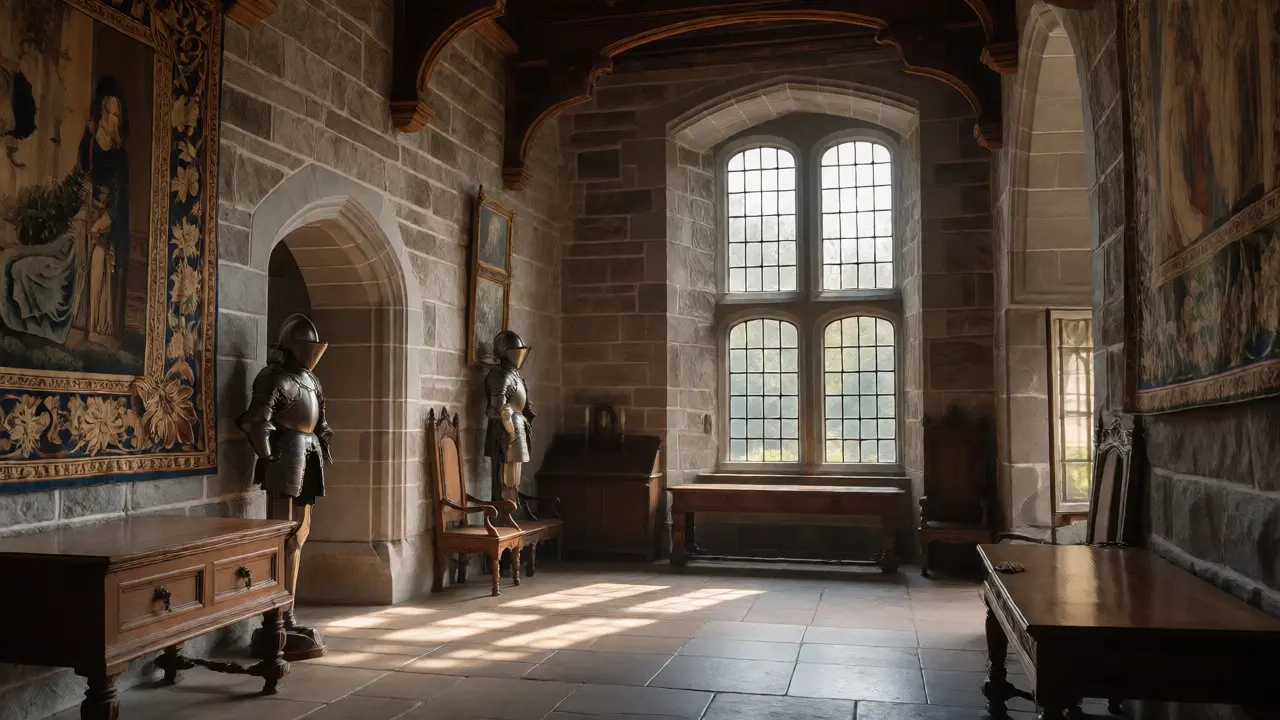
Further inland, Fyvie Castle is a well-preserved tower house with five distinct historical layers. Unlike Dunnottar’s exterior drama, Fyvie shines inside. You’ll see tapestries, armor, and even a witch’s mirror. The National Trust for Scotland manages it, and they require pre-booking for interior access. Don’t skip the walled garden-it’s unexpectedly lush.
Coastal Towns: Beyond the Postcard
Aberdeenshire’s coastline stretches for miles, but three towns stand out for different reasons. If you only have time for two, pick Stonehaven and Peterhead.
Stonehaven is a harbor town south of Aberdeen famous for its Hogmanay Fireballs festival. It’s compact, walkable, and has a working harbor. You can eat fresh langoustines at the fish market or walk the cliff path to Dunnottar. It’s also a rail hub, making it easy to reach from Aberdeen by train in 20 minutes.
Peterhead is the largest fishing port in Scotland by tonnage. It’s grittier than Stonehaven but authentic. Visit the Peterhead Maritime Museum to understand why this town feeds half of Europe. The beach here is wide and sandy, good for long walks, but the water is cold-very cold. Locals joke that the North Sea doesn’t care about your feelings.
For something quieter, try Fraserburgh. It’s one of the oldest planned burghs in Scotland, founded in 1575. The grid layout is unusual for Scotland, reflecting Dutch influence. The harbor is massive, and you can watch trawlers unload crabs and scallops right on the quay. Buy some directly from the boats if you’re lucky.
Aberdeen: The Granite City Experience
You can’t ignore Aberdeen. It’s the anchor of the region. But don’t expect Edinburgh’s cobbled charm or Glasgow’s nightlife vibe. Aberdeen is functional, proud, and built from stone.
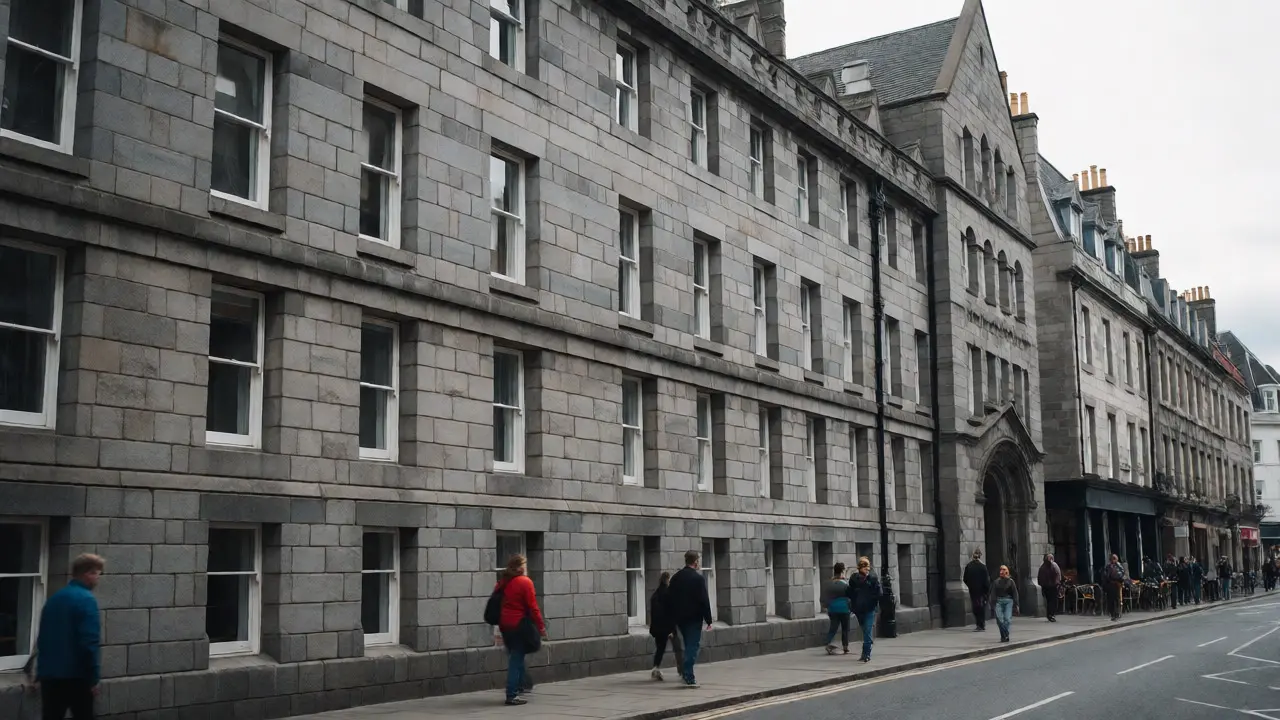
Start at Marischal College. It’s the second-largest granite building in the world after the Kremlin. The facade glitters when wet, which happens often. Walk down Union Street, the main artery, lined with shops and cafes. Most tourists miss the side streets. Duck into Rosemount Viaduct Park for views over the River Dee.
Food-wise, Aberdeen has transformed. Ten years ago, dining options were limited. Now, places like The Merchant and modern Scottish fusion are pushing boundaries. Try the venison stew or Cullen skink (smoked haddock soup). Prices are higher than rural areas but lower than London. A main course averages £18-£25.
Transport tip: Use the bus system, not taxis. The Stagecoach buses cover the city and surrounding towns reliably. A day pass costs roughly £5.50. Taxis are expensive and hard to hail in rain.
Planning Your Trip: Logistics and Tips
How long do you need? Three days is the minimum to hit the highlights. Five days lets you breathe. Here’s a realistic breakdown:
- Day 1: Arrive in Aberdeen. Explore the city center, visit Marischal College, eat seafood.
- Day 2: Drive south to Stonehaven. Hike to Dunnottar Castle. Return to Aberdeen or stay overnight in Stonehaven.
- Day 3: Head west to Fyvie Castle and Craigievar Castle. These are inland, so allocate driving time (45 mins between each).
- Day 4: Coastal loop to Peterhead and Fraserburgh. Watch the fishing industry in action.
- Day 5: Day trip to Balmoral Castle or leisurely exploration of local distilleries.
Weather is your biggest variable. Aberdeenshire gets less rain than the West Coast, but it’s windier. Pack layers. Even in July, mornings can be chilly. Check forecasts daily, not weekly.
Car hire is recommended. Public transport connects major towns, but castles like Craigievar are poorly served by buses. If you don’t drive, join a guided tour from Aberdeen. Companies like Rabbie’s run small-group trips to castles and coast.
Hidden Gems Locals Love
Skip the obvious sometimes. Try these instead:
- Kildrummy Castle: A ruin with a moat, less crowded than Dunnottar. Great for picnics.
- Glenkindie: A tiny village with a quirky museum dedicated to local life.
- Loch of Strathbeg: A freshwater lake popular with birdwatchers. Herons and otters frequent the banks.
- Old Aberdeen: The university quarter. King’s College Chapel has stunning stained glass and no entry fee.
Also, talk to locals. People in Aberdeenshire are direct but friendly. Ask a fisherman in Peterhead where the best crab is today. They’ll point you to a shed on the dock, not a restaurant.
Common Pitfalls to Avoid
Don’t underestimate distances. Driving from Aberdeen to Balmoral takes 90 minutes, not 45. Roads are single-track in places. Allow buffer time.
Don’t assume all castles are open year-round. Many close November to March. Check opening dates before traveling.
Don’t overlook the food. Some visitors think Scotland means haggis only. Aberdeenshire produces beef, lamb, seafood, and berries. Eat seasonally.
Is Aberdeenshire worth visiting if I’m short on time?
Yes, but prioritize. If you have only one day, go to Dunnottar Castle and Stonehaven. If you have two, add Aberdeen city. Skip inland castles unless you love interiors.
Can I visit Balmoral Castle easily from Aberdeen?
It’s a 90-minute drive each way. Possible as a day trip, but tiring. Better to stay overnight in Ballater or Braemar if you want to explore the grounds properly.
What is the best time of year to visit Aberdeenshire?
May to September offers the best weather and longest days. June has the least rain. Winter visits are possible but many attractions close, and daylight ends by 3:30 PM in December.
Are the castles accessible for people with mobility issues?
Varies widely. Dunnottar has steep paths and stairs, difficult for wheelchairs. Fyvie has ground-floor access but upper floors require stairs. Always check specific accessibility guides on the Historic Environment Scotland website before visiting.
Do I need a car to explore Aberdeenshire?
Strongly recommended. Trains connect Aberdeen to Stonehaven and Inverness, but buses to inland castles are infrequent. A car gives you freedom to stop at viewpoints and remote beaches.
Comments (13)
-
Tommy Cahyadi October 3, 2026
Oh, great. Another guide telling me to visit a place that's "underrated" while simultaneously listing every single tourist trap in the county. If I wanted to see 150 castles, I'd have stayed home and looked at my screensaver. But sure, let's pretend Stonehaven isn't just a parking lot for people who think they're adventurous because they climbed a hill.

-
Anthony . October 4, 2026
I love this perspective! 🌟 It’s so important to remember that history isn't just about big names; it's about the feeling of the place. Aberdeenshire seems like such a gentle reminder that we can find magic in the quiet corners, not just the loud ones. The granite city vibe sounds incredibly grounding. 🏛️✨

-
Ejike Ugwu October 5, 2026
You think they tell you everything? Nah. They hide the real reason there are so many castles. It wasn't defense against Vikings, it was containment. Look at the layout. It’s all about keeping the energy contained within those stone walls. The North Sea winds aren't just weather, they’re carrying something else. You feel it when you stand on Dunnottar, don’t you? That heavy pressure? That’s not the altitude. That’s the history trying to get out. Be careful what you wake up down there.

-
Liam Whelan October 6, 2026
Dude, calm down with the spooky vibes lol 😂 I went last year and honestly the worst thing happened was getting seagull poop on my jacket. The castle is just rocks and old bricks man. Don't overthink it. Just enjoy the view before the rain hits you sideways. :(

-
Marisa Marroquin October 8, 2026
The juxtaposition of the rugged, salt-laden coastline against the stoic, grey permanence of the granite architecture creates a visual symphony that is nothing short of sublime. One must appreciate the sheer audacity of building such enduring structures in a landscape that seems determined to erode them back into dust. It is a testament to human stubbornness, or perhaps, a profound respect for the earth itself.

-
Kathleen Johnson October 10, 2026
While the prose is adequately descriptive, the logistical advice remains woefully optimistic. Claiming three days is sufficient for 'highlights' ignores the reality of Scottish road infrastructure. A single-track road is not a suggestion; it is a delay mechanism. Furthermore, the dismissal of public transport as merely 'infrequent' understates the practical impossibility of visiting Craigievar without a private vehicle or a guided tour. The author conflates 'possible' with 'practical,' which is a common error in travel writing.

-
Elizabeth Calwell October 11, 2026
This is exactly the kind of encouragement people need to look beyond Edinburgh! 🇬🇧💚 Aberdeen has such a unique soul, and highlighting the food scene is a brilliant move. Many travelers miss out on incredible seafood because they assume Scotland is only haggis. Go get those langoustines! You’ve got this! 🦞🍴

-
jyotshna Senapati October 12, 2026
I noticed you didn't mention the accommodation prices. Are you trying to make us think it's cheap? Because if you go in July, you will cry looking at the bills. And why do you assume everyone wants to drive? Some of us actually want to relax and not navigate narrow roads while worrying about sheep. This guide feels very... privileged. Like it was written by someone who owns two cars.

-
Sabrina Silvani October 13, 2026
the density of history here is staggering
it forces you to confront the passage of time in a way that modern cities never do
when you touch the stone at Marischal College you are touching centuries of decisions struggles and survival
it is humbling
and yes the wind does care about your feelings
it strips them away
leaving only the essential self
walking the coast is meditation
do not rush it
let the granite speak
listen closely
you might hear the echoes of the oil boom and the fishing fleets alike
they are both stories of extraction and endurance
we are all built from similar stones
just polished differently
go there
be still
see what emerges

-
Shaina Silver-Baird October 15, 2026
It is curious that the guide emphasizes the 'accessibility' of deep history while conveniently omitting the surveillance implications of such a densely populated heritage site. With over 150 recognized castles, one must wonder about the data collection efforts by Historic Environment Scotland. Are these sites truly open, or are they curated exhibits designed to shape a specific narrative of national identity? The focus on 'tangible history' may serve to distract from the intangible monitoring occurring behind the scenes. Proceed with caution.

-
Mithilesh Singh October 16, 2026
Finally someone acknowledges the superiority of Scottish engineering!! The Granite City stands tall against the elements unlike those flimsy wooden structures elsewhere!!! We do not need 'cozy' vibes we need strength and durability which our ancestors provided in abundance!!! Also please note that Balmoral is technically Aberdeenshire regardless of boundary changes because culture cannot be redrawn on a map by bureaucrats!!! Respect the land!!! Respect the history!!! Do not compare us to the West Coast which lacks our industrial pride!!!

-
Sundaraiah Kollipara October 17, 2026
this is interesting but i am wondering about the philosophical aspect of preservation
when we restore a castle are we preserving the original truth or creating a new fiction
does the tapestry at Fyvie mean the same thing today as it did in the 16th century
or is it just decoration for tourists now
i think about this a lot when i look at old things
are we connecting with the past or just performing an idea of it
maybe the cold sea air helps clear this confusion
hard to say really
but worth thinking about

-
Kathy Mccoy October 18, 2026
You've done a fantastic job breaking down the options for travelers! It can be overwhelming, but this structure makes it feel achievable. Remember to take breaks between the driving legs-safety first! And don't forget to hydrate even if it's cold. You're going to have an amazing time exploring this beautiful region. Trust yourself to find the path that fits your pace. 💪🗺️
