
You’ve seen the photos. The dramatic silhouette of a ruined keep against a grey sky, perched precariously on a jagged edge of rock. It looks like the perfect backdrop for your next Instagram post or family holiday memory. But here’s the reality check that guidebooks often skip: clifftop castles are inherently hazardous environments. They aren’t just museums with walls; they are exposed geological features where gravity is the primary curator. If you’re planning to visit sites like Dunnottar Castle in Aberdeenshire or St Andrews Castle in Fife, treating them like a walk in the park is a recipe for disaster-or at least a very wet, muddy, and miserable afternoon.
The difference between an unforgettable trip and a minor accident often comes down to three boring things: what you wear, how you read the sky, and how you respect the ground under your feet. Let’s break down exactly how to stay safe without ruining the vibe of your adventure.
Why Your Shoes Matter More Than Your Camera
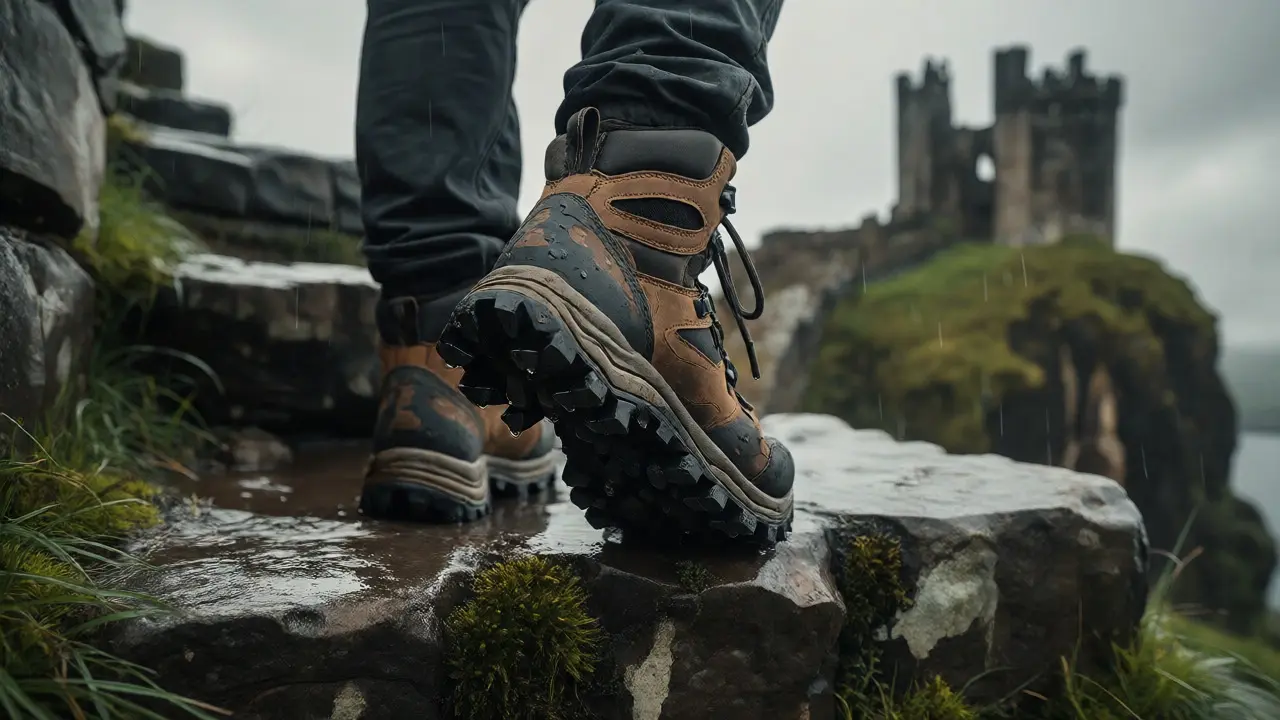
Most tourists arrive in fashion sneakers, sandals, or heels because they look good in photos. On flat city streets, this is fine. On a clifftop, it’s dangerous. Historic paths leading to these fortresses were built centuries ago, primarily for soldiers in boots, not tourists in trainers. They are uneven, often eroded by centuries of foot traffic, and frequently slick with moss or rainwater.
Footwear is your first line of defense. You need grip, ankle support, and waterproofing. Consider this: a standard canvas sneaker has a smooth rubber sole designed for pavement friction. A hiking boot has deep lugs designed to bite into mud and loose gravel. When you step onto a wet, moss-covered stone step near the edge of a 100-foot drop, that difference isn’t just comfort-it’s traction.
If you refuse to bring proper boots (and I get it, packing space is limited), avoid open-toed shoes entirely. Also, check the tread before you leave your hotel. If the soles are worn smooth, you’re essentially walking on ice skates when it rains. For those visiting during the shoulder seasons-late autumn through early spring-the ground stays damp longer than you think. Waterproof membranes like Gore-Tex are worth their weight in gold, but only if paired with thick wool socks. Cotton socks hold moisture, leading to blisters, which make every step painful and increase the risk of slipping due to altered gait.
| Shoe Type | Grip Level | Ankle Support | Water Resistance | Safety Verdict |
|---|---|---|---|---|
| Fashion Sneakers | Low | None | Low | Risky in wet/muddy conditions |
| Hiking Boots | High | High | High | Recommended |
| Trail Runners | Medium-High | Low-Medium | Variable | Acceptable in dry weather |
| Sandals/Heels | Very Low | None | None | Avoid completely |
Reading the Scottish Sky: Weather as a Safety Factor
Living in Dundee, I can tell you that the weather here doesn’t just change; it evolves rapidly within the span of ten minutes. This is especially true on the coast. Coastal weather is distinct from inland conditions. Even if it’s sunny in the town center, the wind speed at a clifftop castle can be double, and visibility can drop to zero due to sea mist or sudden squalls.
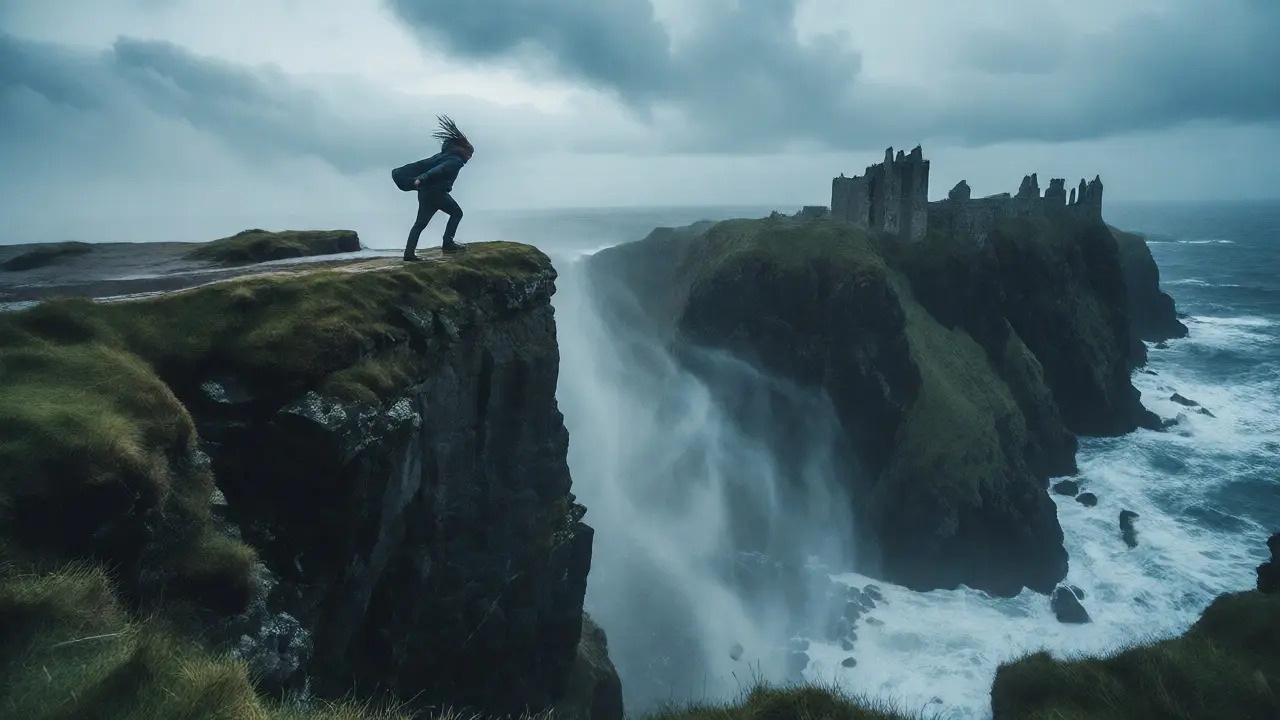
Wind is the silent killer at exposed sites. At places like Tantallon Castle, located on a narrow headland, strong gusts can knock over lightweight strollers or pull hats off heads-and then chase them over the edge. More seriously, high winds affect balance, particularly for older visitors or children. If the wind is blowing hard enough to make you lean forward while walking, it’s too windy to linger near unprotected edges.
Rain changes the physics of the site instantly. Dry sandstone becomes slippery when wet. Moss, which looks harmless and green, becomes a biological lubricant when saturated. Always check a reliable local forecast, not just a generic app. Look for specific warnings about "gusty showers" or "high winds." If there’s a yellow warning for wind, consider postponing your visit to the highest points of the castle. There’s no shame in viewing the ruins from the car park if the alternative is being buffeted around on a slippery ledge.
Also, mind the light. In October, sunset happens earlier than you expect. By 5 PM, many rural castle sites are already dimming. Walking back along a steep, unlit path in twilight increases the risk of missteps. Bring a small flashlight or ensure your phone is fully charged if you plan to stay late for that golden hour photo.
Navigating Path Conditions and Structural Hazards
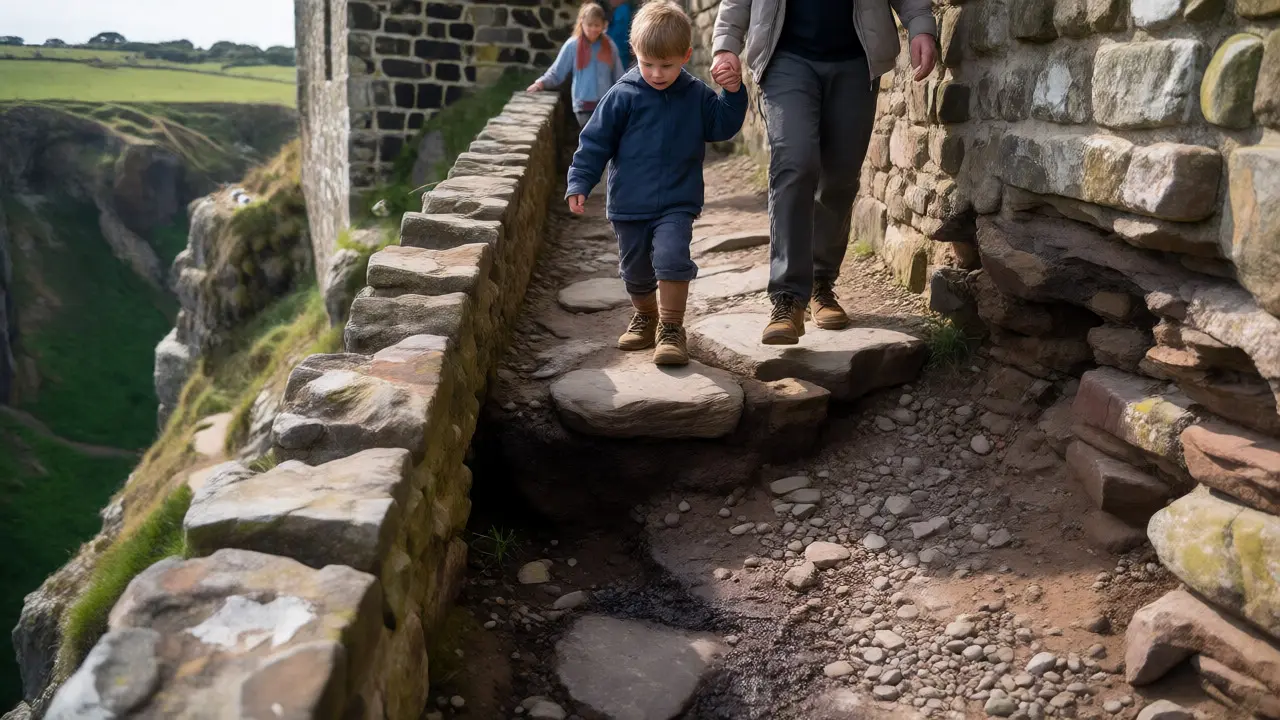
These castles are old. Some have been standing since the 14th century. While conservation efforts are ongoing, path conditions vary wildly. You might encounter well-maintained gravel tracks one minute and crumbling steps the next. The key is awareness. Don’t assume all barriers are modern safety standards. Many low walls are original medieval structures, meant to stop attackers, not to prevent a tourist from leaning over for a selfie.
- Erosion: Watch for sinkholes or washed-out sections after heavy rain. Paths may look intact but have soft spots underneath.
- Loose Stones: Avoid kicking or stepping on loose rocks, especially on inclines. A dislodged stone can cause you to slip or fall onto someone below.
- Lack of Railings: Many interior courtyards and upper levels have no railings. Keep children close and never let them run freely near openings.
- Icicles and Frost: In winter months, north-facing walls retain ice long after the sun has risen. These patches are invisible to the untrained eye until you’re sliding on them.
Be mindful of wildlife, too. Seabirds nest on these cliffs during spring and summer. They can be aggressive if you get too close to their nests, and guano (bird droppings) makes surfaces incredibly slippery. Give them space-not just for etiquette, but for your own footing.
Practical Tips for a Safe Visit
So, how do you actually manage the day? Preparation is half the battle. Before you drive out, check the official website of the specific castle. Sites managed by Historic Environment Scotland or the National Trust for Scotland often post daily updates on closures or hazardous conditions.
- Check the Opening Times: Last entry is usually an hour before closing. Don’t arrive with 30 minutes left and rush up the stairs.
- Dress in Layers: It will be colder at the top than at sea level. A windproof jacket is non-negotiable.
- Stay on Marked Trails: Shortcuts across grassy areas often hide rabbit holes or uneven terrain.
- Supervise Children Actively: Hold hands near edges. Don’t rely solely on verbal instructions; physical proximity is safer.
- Respect Barriers: If a rope or tape says "No Entry," believe it. It’s likely there because the structure beneath is unstable.
Remember, the goal is to enjoy the history and the view, not to test the limits of your balance. If you feel uneasy about the height or the path, take the lower route. Most clifftop castles have accessible viewpoints at ground level that offer stunning perspectives without the vertigo factor.
Common Mistakes Tourists Make
I’ve seen it happen repeatedly. Visitors underestimate the exposure. They treat a clifftop ruin like a garden party venue. Here are the big errors to avoid:
- Wearing inappropriate clothing: As mentioned, heels and flip-flops are a no-go. But also, wearing thin jeans in November means you’ll be cold and stiff, reducing your mobility.
- Ignoring wind direction: Standing with your back to the wind feels fine until a gust hits your front, pushing you toward the edge. Face the wind when taking photos near drops.
- Using phones while walking: Texting while navigating uneven cobblestones is a classic tripping hazard. Stop, look, then move.
- Assuming paved equals safe: Old flagstones can be polished smooth by centuries of use. They are slicker than new concrete.
Ultimately, safety at these historic sites is about respecting the environment. These places have survived wars, sieges, and centuries of storms. They demand a certain level of caution from us. With the right shoes, a quick weather check, and eyes on the path, you’ll have a fantastic experience without any unnecessary risks.
Are clifftop castles suitable for people with mobility issues?
It depends on the specific site. Many, like Dunnottar Castle, involve significant stair climbing and uneven terrain, making them difficult for wheelchairs or those with knee problems. However, some sites like St Andrews Castle have better access ramps or lower-level exhibits. Always check the accessibility guide on the official tourism website before visiting.
What is the best time of year to visit clifftop castles safely?
Late spring to early autumn (May to September) generally offers the most stable weather and drier paths. Winter visits are possible but require serious preparation for ice, wind, and short daylight hours. Avoid visiting during storm warnings regardless of the season.
Can I bring my dog to a clifftop castle?
Rules vary by site. Many allow dogs on leads, but be aware that steep drops and strong winds can be dangerous for pets. Some sites prohibit dogs entirely during breeding seasons for seabirds. Always keep your dog leashed and away from cliff edges.
Is there parking available at remote clifftop castles?
Yes, most major sites have dedicated car parks. However, spaces can fill up quickly in peak season. Arriving early ensures you don’t have to park far away and navigate long, potentially unsafe roadside walks to reach the entrance.
What should I do if I slip on a wet path?
If you slip, try to crouch low rather than reaching out with straight arms, which can lead to wrist fractures. Roll with the momentum if possible. Once stopped, assess yourself for injuries before attempting to stand up again. Call for help if you cannot get up easily.